Manus Resumes Independent Operations After China Blocks Meta's $2 Billion Acquisition Deal


2 Sources
[1]
AI startup Manus says resumes independent operations
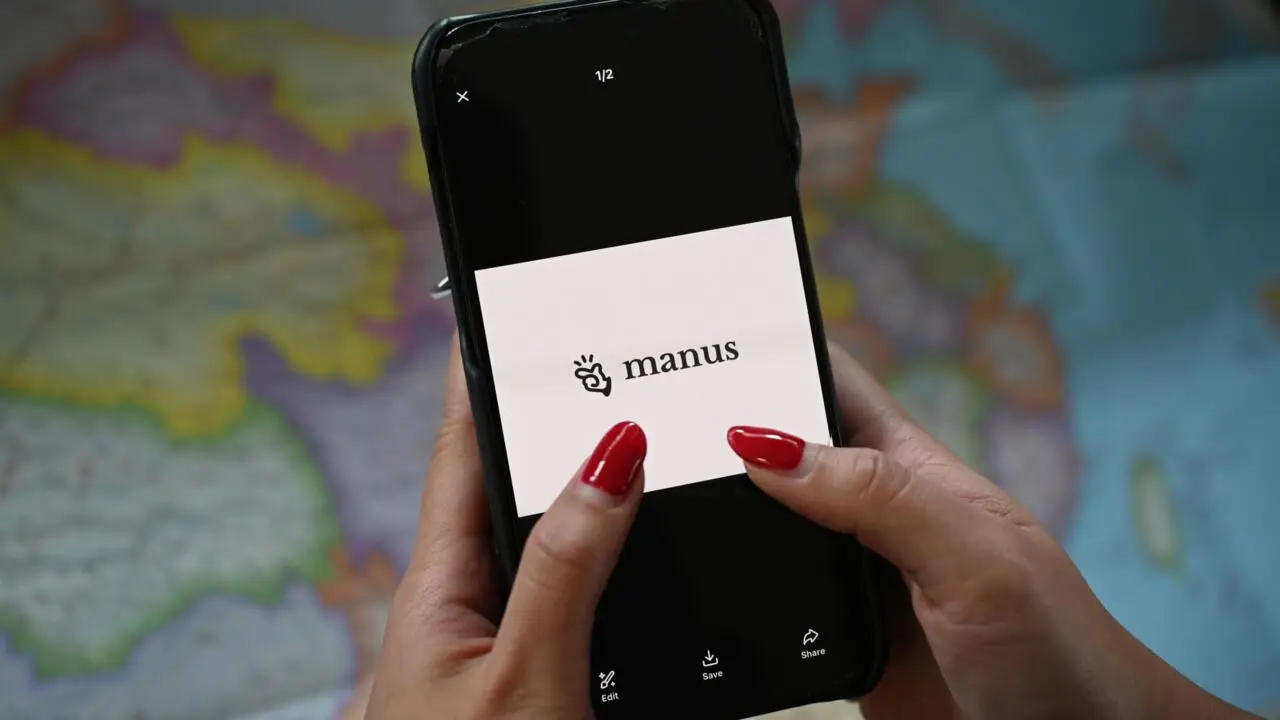
Beijing (AFP) - AI startup Manus said Tuesday it had resumed independent operations, months after China blocked Facebook-owner Meta from buying the Chinese-developed, Singapore-based firm. The two companies announced in December that Meta had agreed to acquire Manus, an artificial intelligence
[2]
AI startup Manus resumes independent operations after China blocks Meta's $2 billion deal
Manus has now resumed independent operations after the regulatory intervention in the deal. The company informed users about data backups needed for its separation from Meta. This development follows Beijing's tightened controls on technology exports and cross-border transactions. AI startup Manus
Share
Copy Link
AI startup Manus has formally resumed independent operations months after China blocked Meta's $2 billion acquisition. The regulatory intervention highlights Beijing's tightened controls on cross-border AI technology transactions and growing geopolitical tensions between the US and China over AI capabilities.
Manus Returns to Independent Operations After Regulatory Intervention
AI startup Manus announced Tuesday it has formally resumed independent operations, marking the end of a turbulent period following Chinese regulators' decision to block Meta's proposed $2 billion acquisition of the company.
1
The Singapore-based firm, originally founded in China in 2022, informed users that some would need to back up and restore their data as part of the separation process from Meta, with temporary service interruptions expected during the transition.2
China Blocks Meta's Deal Amid Technology Transfer Concerns
Meta announced its intention to acquire Manus, a developer of general-purpose AI agents, in December. However, China's National Development and Reform Commission (NDRC) prohibited the transaction in April, requiring both parties to withdraw from the acquisition.
1
The intervention came as Chinese regulators examined whether the deal complied with foreign investment rules and technology transfer regulations. Around the same time Beijing blocked the Meta acquisition, authorities reportedly restricted travel for two of Manus' co-founders, preventing them from leaving China.1
The regulatory concerns underscore Beijing's tightened controls around cross-border AI technology transactions involving sensitive technologies as geopolitical tensions between Washington and Beijing intensify.Strategic Implications for Meta's AI Ambitions
For Meta, the failed Manus deal represented a significant setback in its broader push to strengthen AI capabilities and compete more aggressively with OpenAI, Google, and Anthropic.
2
The social media giant had planned to integrate Manus' technology into its consumer and enterprise products as part of building a subscription-based AI business around advanced AI agents and assistants. Meta previously stated that "the transaction complied fully with applicable law," but analysts had warned when the deal was announced that it might fall foul of regulators given the fierce technological rivalry between the US and China.1
The collapse of this acquisition forces Meta to reconsider its strategy for accessing cutting-edge AI talent and technology from Asian markets.Related Stories

Singapore-Washing Crackdown and Compliance Issues
The Manus episode highlights China's intensifying crackdown on "Singapore-washing," where companies relocate to take advantage of looser regulations, global customers, or funding opportunities.
1
Manus, founded by CEO Xiao Hong with ambitions to create a Chinese company with world recognition, abruptly shifted its approach in 2025 by laying off dozens of staff in Beijing and Wuhan while relocating core personnel to Singapore. The company also began blocking access for Chinese users and withdrew its presence on Chinese social media platforms. Woody Ye, partner at Junsheng Consulting, noted that "the core of this is that some startups and their founders don't understand compliance well," suggesting that Manus failed to properly handle its legal obligations.1
Source: France 24
Future Outlook for Cross-Border AI Deals
The regulatory intervention in the Meta-Manus deal signals a new era of scrutiny for cross-border transactions in the AI industry. China and the US are increasingly competing for AI talent, computing hardware, and data as the global race to develop increasingly capable AI systems intensifies.
2
Following this episode, industry observers expect companies to "pay closer attention to investment structures, operational frameworks and future exit strategies" when planning international expansions or acquisitions.1
The incident demonstrates how AI industry dynamics are increasingly shaped by regulatory concerns and geopolitical considerations, with startups caught between competing national interests. Watch for stricter compliance requirements and longer approval timelines for future deals involving AI technologies developed in China but operating through foreign entities.References
Summarized by

Navi
[1]
Related Stories
China Blocks Meta's $2 Billion Manus Acquisition, AI Startup to Resume Independent Operations
11 Aug 2026•Policy and Regulation

Meta cuts Manus off from internal systems as China forces reversal of $2 billion AI acquisition
11 Jun 2026•Policy and Regulation

Meta acquires Manus for $2 billion, adding revenue-generating AI agents to its platforms
30 Dec 2025•Business and Economy

Recent Highlights



Recent Highlights
Today's Top Stories



Don’t drown in AI news. We cut through the noise - filtering, ranking and summarizing the most important AI news, breakthroughs and research daily. Follow topics that matter to you and stay ahead.


