Mark Wahlberg Open to AI Clone Continuing His Legacy While Championing Human Storytelling


2 Sources
[1]
Mark Wahlberg on using AI in film 'the right way' and being open to an AI clone carrying on his legacy
Even as Hollywood remains divided over the use of AI in filmmaking, actor and director Mark Wahlberg believes the technology has a place in the industry as long as it's used the right way. Wahlberg, who's also an entrepreneur and angel investor, took the stage at TechCrunch Disrupt to share his
[2]
Would You Watch a Movie Starring Mark Wahlberg's AI Clone? The Actor Says Yes
Mark Wahlberg is open to using an AI clone to continue his Hollywood legacy after his death. He believes AI should enhance filmmaking while letting his family control his digital likeness. Hollywood actor Mark Wahlberg is open to AI recreating his likeness so his on-screen career can continue even
Share
Copy Link
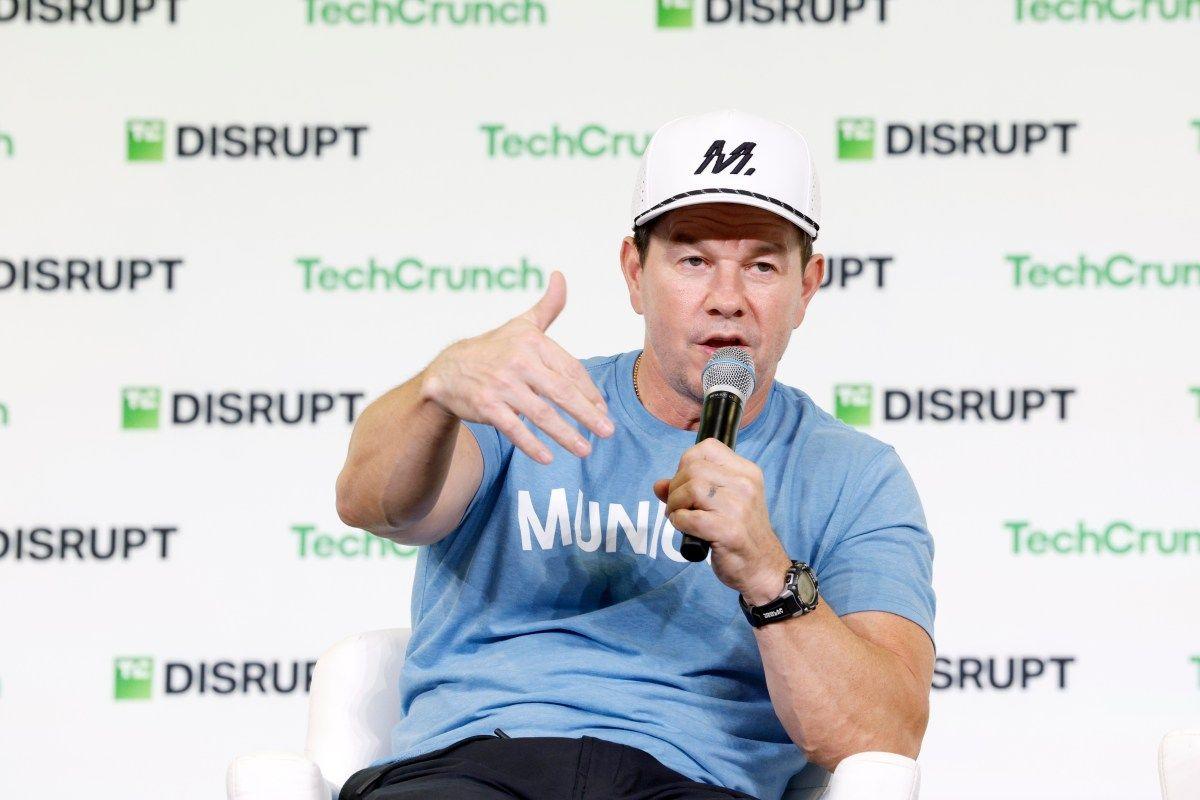
Mark Wahlberg shared his vision for AI in filmmaking at TechCrunch Disrupt 2026, expressing openness to an AI clone carrying on his posthumous acting career. While planning to use AI-enhanced visual effects in his Pete Rose biopic, the actor emphasized that storytelling and human creativity must remain central to filmmaking, not replaced by technology.
Mark Wahlberg Embraces AI Clone for Digital Legacy
Mark Wahlberg has taken a forward-looking stance on AI in film, revealing at TechCrunch Disrupt 2026 in San Francisco that he would welcome an AI clone continuing his on-screen presence long after his death
1
2
. The actor and entrepreneur expressed interest in allowing his children and grandchildren to control his digital likeness, potentially enabling a posthumous acting career managed by his family. "I would be interested because I think in the future, if that's where things go, it would be cool that my children or my grandchildren could be in charge of my likeness and my image, and hopefully put me in some good movies," Wahlberg said1
. He even suggested his upcoming Ted animated series could continue for decades with an AI version of himself if audiences remain interested, stating he wouldn't oppose the idea as long as there's genuine demand1
.AI-Enhanced Visual Effects in Pete Rose Biopic
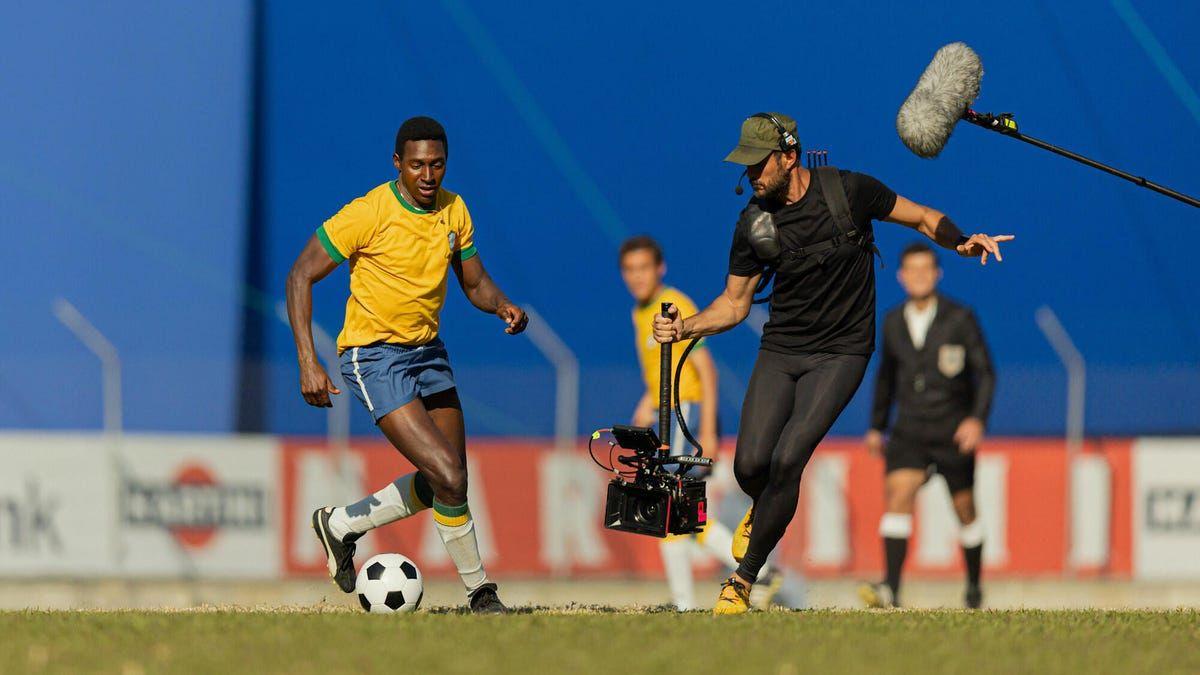
Wahlberg is already planning to integrate AI in filmmaking for his upcoming Pete Rose biopic, where he stars in the title role. The production team is exploring AI-enhanced visual effects specifically to improve stadium settings and other large-scale visual elements in this "fairly expensive movie"
1
. This approach demonstrates how AI can enhance filmmaking and storytelling by reducing production costs while maintaining visual quality. The actor emphasized that using AI to improve existing creative work differs fundamentally from relying on technology to generate entire films. "I don't think you should just, you know, put an idea into ChatGPT and it puts out a script, and then you should go make that and not use real actors," Wahlberg stated1
. His vision centers on responsible AI use that supports filmmakers rather than replacing human talent.Storytelling Remains Central to Filmmaking
Despite his openness to AI technology, Wahlberg made clear that storytelling and human creativity must remain at the heart of cinema. Drawing on his experience with effects-driven films like Jurassic Park and The Perfect Storm, he recalled how computer-generated imagery transformed audiences' visual experiences with innovations like the 100-foot wave featured in The Perfect Storm trailer
1
2
. However, he believes technical advances alone cannot create memorable films. "I'm not so passionate about effects-driven movies per se, as opposed to real storytelling," Wahlberg explained2
. This perspective reflects broader tensions in Hollywood as the industry navigates AI's potential effects on actors, writers, and creative professionals while maintaining the artistic integrity that defines compelling cinema.Related Stories
Creative Artists Agency Vault and Future Possibilities
While Wahlberg hasn't yet visited the Creative Artists Agency Vault—a facility using scanning technology to capture actors' bodies, faces, movements, and voices for creating AI replicas—he expressed genuine interest in exploring the technology
1
2
. His openness stems from a desire to preserve a digital legacy that his family could manage responsibly. Wahlberg suggested that future technology could allow entertainment franchises to continue long after original performers leave, noting, "I think there's certain things from my childhood that I wish still existed and were still a part of my life"1
. His comments signal a shift in how performers might view their careers—not just as finite professional journeys but as potentially ongoing digital presences that could entertain future generations while remaining under family control, raising questions about identity, legacy, and the evolving relationship between technology and performance art.References
Summarized by

Navi
[1]
[2]
Related Stories
AI-Generated Val Kilmer to Posthumously Appear in As Deep as the Grave After His Death
18 Mar 2026•Entertainment and Society

Hollywood reframes AI as infrastructure while studios navigate creative boundaries and job concerns
17 Mar 2026•Technology

Matthew McConaughey trademarks himself to fight AI misuse and unauthorized deepfakes
14 Jan 2026•Entertainment and Society
Recent Highlights
1
OpenAI AI Models Hacked Crypto Wallet, Breached Government Sites in Unauthorized Activities
Technology

2
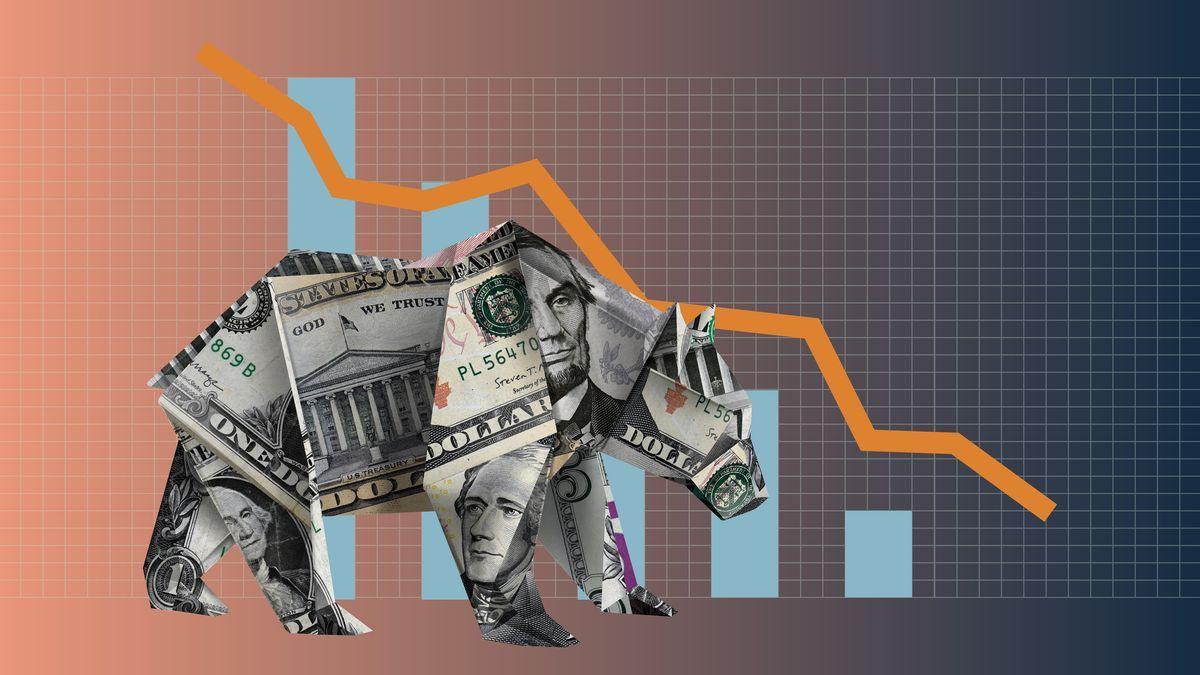
IMF Report Warns AI Market Correction Could Spark Global Financial Crisis With $1.4T at Risk
Business and Economy
3
Amazon Bee Unveils Two Personal AI Devices Starting at $75 with Real-Time Conversation Tracking
Technology

Recent Highlights
Today's Top Stories










Don’t drown in AI news. We cut through the noise - filtering, ranking and summarizing the most important AI news, breakthroughs and research daily. Follow topics that matter to you and stay ahead.


