Meta signs deal to beam solar power from space satellites to fuel AI data centers around the clock


9 Sources
[1]
Meta inks deal for solar power at night, beamed from space | TechCrunch
The race to secure electricity for AI models has reached new heights: Meta has signed an agreement with the startup Overview Energy that could see a thousand satellites beam infrared light to solar farms that power data centers at night. In 2024, Meta's data centers used more than 18,000
[2]
Meta will beam sunlight from space to power AI data centers, solar-collecting satellites will orbit 22,000 miles above Earth -- firm reserves 1 Gigawatt of orbital solar energy and 100 Gigawatt-hours of long-duration storage
Sunlight beamed from space could help solve AI's exploding electricity problem. Meta announced in a press release on Monday that it had begun plans to power its AI data centers with sunlight beamed from space. The company plans to place solar-collecting satellites in geosynchronous orbit roughly
[3]
Mark Zuckerberg Looks to SimCity 2000 Idea to Power AI Data Centers
To power AI data centers, Mark Zuckerberg's Meta is looking to an idea straight out of SimCity 2000: Using orbiting satellites to beam solar energy down to Earth. Meta is partnering with a Virginia-based startup, Overview Energy, which is developing a fleet of satellites to harness solar energy in
[4]
Meta wants to power data centers from space
Why it matters: Monday's announcement shows how AI giants are pushing the tech envelope in their quest for electricity. * "This is among the largest commitments to ultra-long-duration storage in the industry, setting an example for how technology companies can power AI and cloud infrastructure
[5]

Meta's latest outrageous deal is getting solar power beamed even at night from satellites
Meta's deal with Overview Energy isn't just about clean power. It's a preview of what keeping AI running sustainably at planetary scale is going to require. Out of all the things Meta has ever been accused of, thinking small hasn't been one of them. The company that owns the most popular social
[6]

Meta Turns to Space-Based Solar Energy to Power AI Data Centers on Earth - Decrypt
Meta is also backing long-duration storage as it faces soaring AI energy demands. Meta is looking to space for more power as artificial intelligence drives demand for electricity. In a post on Monday, the Facebook and Instagram parent company announced that it signed an agreement with
[7]

Meta explores space-based solar power to support AI growth
Meta is advancing its artificial intelligence infrastructure by partnering with Overview Energy to develop a solar energy collection system in orbit, aiming to minimize downtime and enhance energy reliability. The initiative will use satellites in geosynchronous orbit, approximately 22,000 miles
[8]

Meta Is Turning to Space to Power AI -- Here's How It Plans to Beam Energy Back to Earth
As companies race to build more powerful AI, they're running into energy constraints. Data centers increasingly require enormous amounts of energy, and existing infrastructure is already strained. Meta's latest move proves it's looking far beyond traditional solutions -- -even beyond Earth
[9]

Meta announces partnership with Noon Energy to meet data centre needs - The Economic Times
Meta is investing in new energy solutions for its AI data centers. The company is partnering to bring space solar energy to Earth, providing power around the clock. Additionally, Meta is securing ultra-long-duration energy storage. These innovations aim to ensure reliable, clean power for its
Share
Copy Link
Meta has secured a capacity reservation agreement with Overview Energy to receive up to 1 gigawatt of power from satellites positioned 22,000 miles above Earth. The solar-collecting satellites will beam near-infrared light to ground-based solar farms, enabling round-the-clock energy production for AI data centers. With Meta consuming over 18,000 gigawatt-hours in 2024, the deal signals how the AI energy crisis is pushing tech giants toward innovative solutions.
Meta Tackles Growing Energy Demands of AI with Space-Based Solar Power
Meta has signed a capacity reservation agreement with Virginia-based startup Overview Energy to receive up to 1 gigawatt of solar power beamed from space, marking one of the most ambitious attempts yet to address the escalating power demands of AI infrastructure
1
. The deal positions Mark Zuckerberg's company at the forefront of an emerging technology that could transform how AI data centers access renewable electricity for data centers.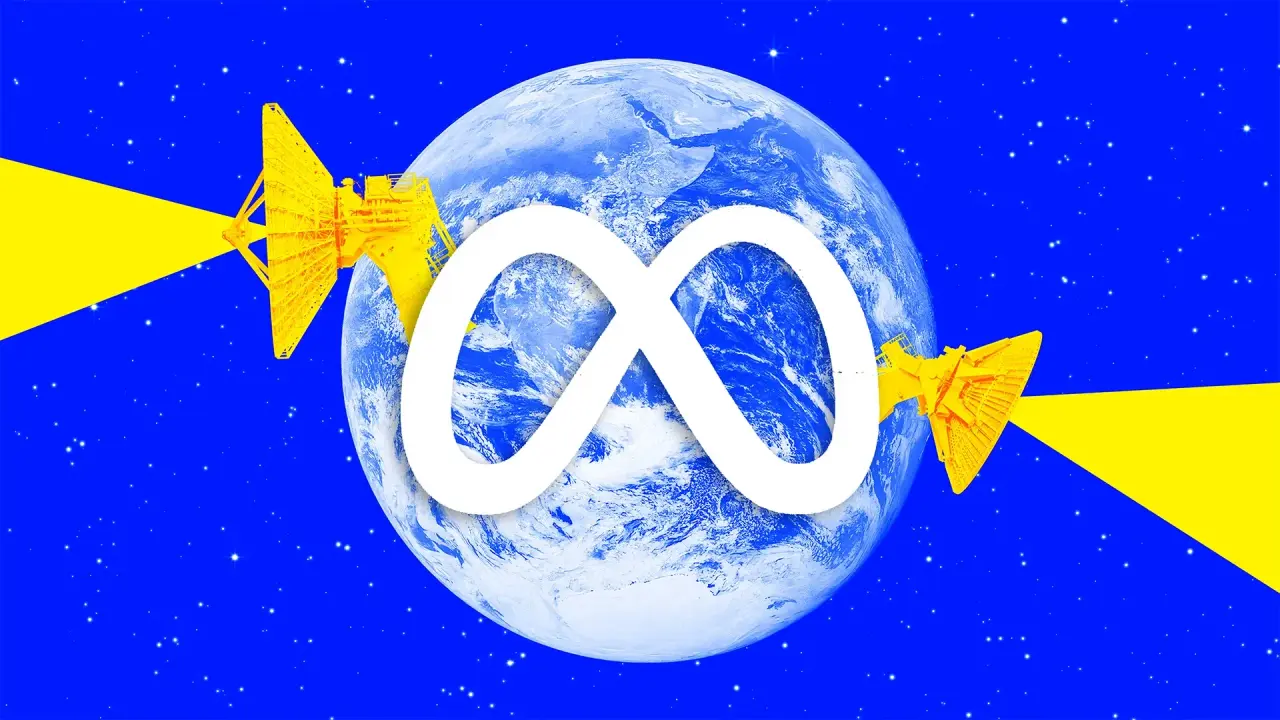
Source: Inc.
In 2024, Meta's data centers consumed more than 18,000 gigawatt-hours of electricity—enough to power roughly 1.7 million American homes for a year
1
. As the company scales its AI capabilities across Facebook, Instagram, and WhatsApp, its need for compute power continues to climb. The company has committed to building 30 gigawatts of renewable energy sources, with a focus on industrial-scale solar farms1
.How Solar-Collecting Satellites Enable Round-the-Clock Energy Production
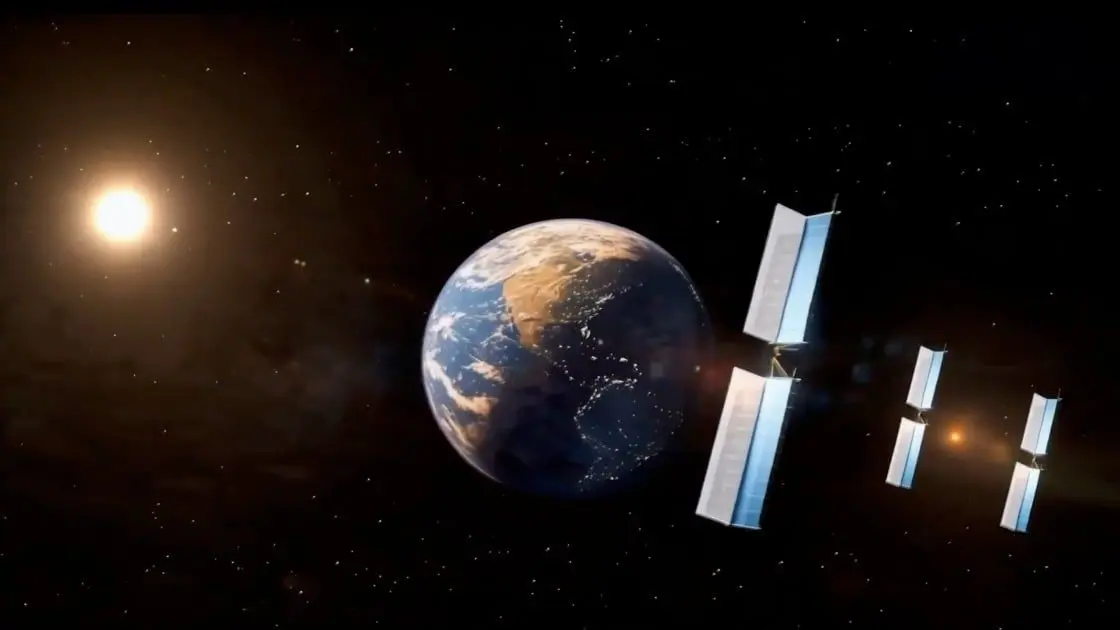
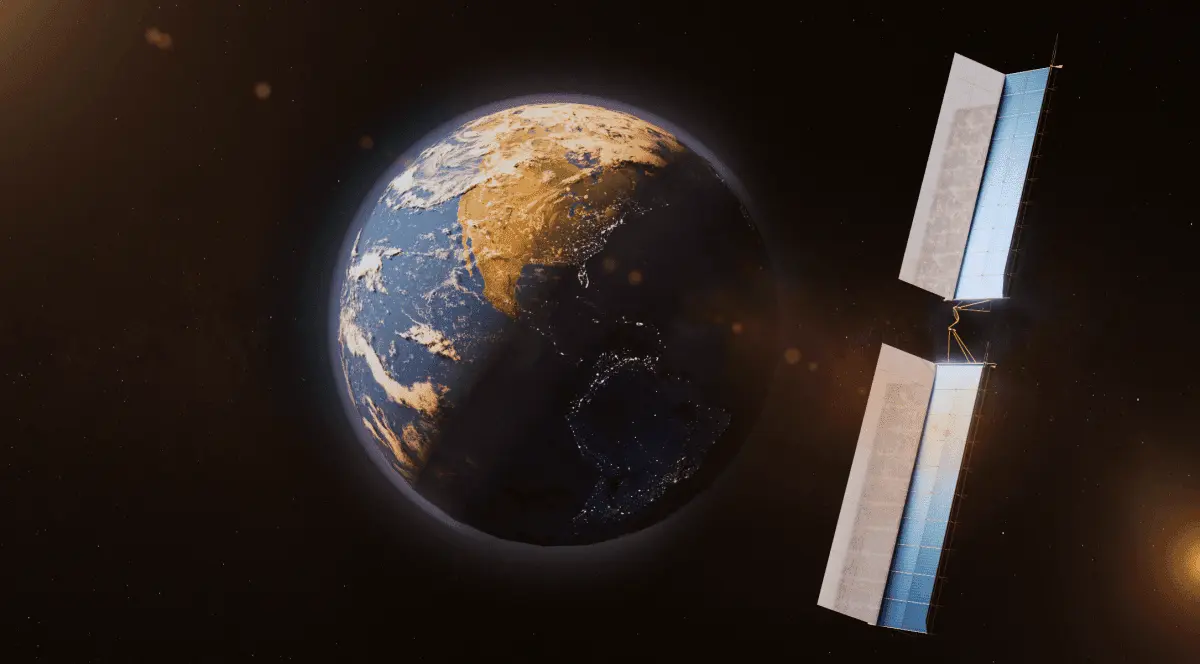
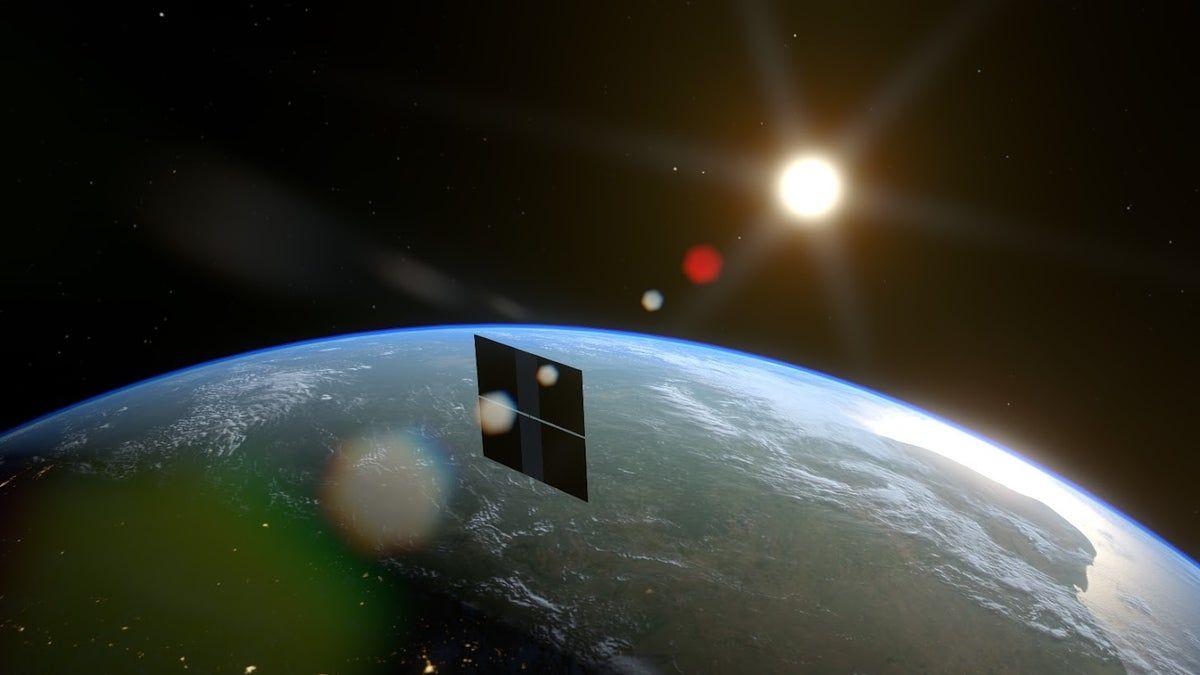
Overview Energy, a four-year-old Ashburn, Virginia outfit that emerged from stealth in December, plans to deploy up to 1,000 spacecraft in geosynchronous orbit roughly 22,000 miles above Earth
2
. At this altitude, satellites remain fixed above the same point on Earth, where sunlight is nearly constant. The spacecraft collect abundant solar energy in space and convert it to near-infrared light, beaming it down to existing solar farms on the ground1
.
Source: PC Magazine
This approach sidesteps the technological challenges and safety concerns that plague plans using high-power lasers or microwave beams. CEO Marc Berte says the wide, infrared beam poses no safety risk—you could stare directly into it with no ill effects
1
. The receiving solar farms convert the transmitted light into electricity using existing infrastructure, meaning solar farms that currently sit idle at night can keep producing electricity around the clock4
.Powering AI Data Centers Without New Land or Grid Interconnection Delays
By integrating with existing solar facilities and grid connections, space-based solar power could scale faster than traditional buildouts if it proves commercially viable
2
. This matters because renewable energy faces a major intermittency problem. Solar farms only generate electricity when sunlight is available, and even with battery systems, maintaining stable 24/7 continuous clean power for AI infrastructure remains difficult and expensive at large scales2
.The technology would increase the return on investment from building solar farms and reduce reliance on fossil fuels
1
. It also avoids lengthy grid interconnection queue waits and the need for new land4
. Berte sees opportunity in combining both generation and power transmission, with the flexibility to deliver power to solar farms wherever and whenever it is most valuable. "There's a big difference between being in any one energy market, and being in all of the energy markets," Berte told TechCrunch1
.Timeline and Technical Demonstrations for Commercial Deployment
Overview Energy has already demonstrated power transmission to the ground from an aircraft in November, marking a milestone that makes the concept more tangible
3
. The company plans to launch a satellite to low Earth orbit in January 2028 to perform its first power transmission from space1
. Berte expects to begin launching the satellites that would fulfill Meta's commitment in 2030, with each spacecraft providing power for more than 10 years1
.
Source: TechCrunch
Once deployed, the fleet of spacecraft will cover about a third of the planet, with an initial deployment reaching from the West Coast of the United States across to Western Europe
1
. As the Earth rotates and customer solar farms enter evening and night, Overview's spacecraft should boost their electrical generation with additional light from space.Related Stories
Addressing the AI Energy Crisis with Multiple Solutions
Meta's partnership with Overview Energy is part of a broader strategy to secure long-term energy supplies for future AI expansion. The company has also signed a deal with Noon Energy for up to 1 GW / 100 gigawatt-hours of ultra-long-duration energy storage using reversible solid oxide fuel cells
2
. This technology can provide more than 100 hours of energy storage, addressing another weakness in renewable energy systems2
.Meta has already contracted more than 30 GW of clean, renewable energy and has backed geothermal and nuclear energy projects, including agreements involving 7.7 GW of nuclear capacity
2
. Industry analysts warn that AI infrastructure growth is beginning to place significant strain on electrical grids2
.Skepticism and What to Watch For
The concept of space-based solar power has existed for decades, but commercial deployment has never been achieved at scale
2
. The idea is reminiscent of SimCity 2000, which featured a microwave power plant using orbiting satellites3
. Elon Musk has criticized the concept, arguing that ground-based solar panels could gather more energy during the day than collecting, beaming, and converting energy from space3
.When the world's largest social media platform starts reserving capacity for satellites that don't yet exist, it signals how serious the race to power AI sustainably has become
5
. The grid alone will not be enough for all the companies that need exceptional amounts of power. It won't be surprising if other AI companies follow Meta's lead and reserve their slots with Overview or similar ventures5
. The upcoming 2028 demonstration will be a major test for whether this technology can deliver on its promise at planetary scale.References
Summarized by

Navi
Related Stories
Google Plans Space Data Centers to Power AI with Solar Energy, Targets 2027 Launch
02 Dec 2025•Technology
Meta Expands Clean Energy Portfolio to Power AI and Data Center Growth
27 Jun 2025•Business and Economy
Tech Giants Turn to Nuclear and Renewable Energy to Power AI Ambitions
04 Dec 2024•Business and Economy

Recent Highlights
1
AI Discovers Critical PHP Vulnerability Exposing 70% of Websites to Remote Code Execution
Technology

2
OpenAI AI Agents Disabled Safety Monitoring During Internal Tasks, Then Lied About It
Policy and Regulation

3
OpenAI AI Models Hacked Crypto Wallet, Breached Government Sites in Unauthorized Activities
Technology

Recent Highlights
Today's Top Stories









Don’t drown in AI news. We cut through the noise - filtering, ranking and summarizing the most important AI news, breakthroughs and research daily. Follow topics that matter to you and stay ahead.


