Microsoft AI Chief Clarifies: AI Will Automate Tasks, Not Replace White-Collar Jobs


2 Sources
[1]
Microsoft AI chief walks back comments about AI taking over white-collar work
Microsoft AI head Mustafa Suleyman is walking back his statement about AI automating jobs done by white-collar workers, including lawyers, accountants, and project managers. During an episode of Decoder on Monday, Suleyman says he meant AI will help these workers complete tasks, rather than do
[2]
Microsoft clarifies that AI won't take your job, but it will do your mundane tasks
* AI will automate routine PC-based white-collar tasks, not entire jobs. * It becomes part of workflows, handling boring repeatable tasks while humans keep nuanced roles. * People are still needed for conversations, presence, judgment, and finer project details. The verdict on whether or not AI
Share
Copy Link
Mustafa Suleyman, Microsoft's AI chief, walked back earlier comments that appeared to suggest AI would take over white-collar jobs within 12 to 18 months. In a recent interview, he clarified the distinction between automating individual tasks like sending emails or creating PowerPoints versus replacing entire roles, emphasizing that AI will make work faster and more efficient rather than eliminate jobs.
Mustafa Suleyman Clarifies Stance on AI and White-Collar Work
Mustafa Suleyman, head of Microsoft AI, has addressed confusion surrounding his previous statements about artificial intelligence replacing white-collar workers. During an interview on The Verge's Decoder podcast, Suleyman emphasized a critical distinction between AI automating tasks versus eliminating entire jobs
1
. The clarification comes after a February report in the Financial Times quoted him saying that "most of those tasks will be fully automated by an AI within the next 12 to 18 months" for roles including lawyers, accountants, project managers, and marketing professionals1
.
Source: The Verge
The Distinction Between Tasks and Jobs
Suleyman argues there's "a very important distinction" between what AI can automate and what constitutes a complete professional role. "I said 'tasks' in the quote that you've just said," he explained. "So that does not mean jobs. Jobs and roles are the broader category, and tasks are the components of that"
1
. This nuanced perspective suggests that while AI impact on jobs will be significant, the technology will primarily handle routine, computer-based activities rather than replace human workers entirely.According to Suleyman, activities like sending emails, having conversations with colleagues, and assembling PowerPoint presentations represent sub-tasks that will become increasingly digitized and automated
1
. However, this doesn't mean professional roles will disappear. Instead, AI automating tasks will enable work to be completed faster and more efficiently, particularly work that is "quite rote, is quite manual, is quite labor-intensive, and is time-consuming"1
.
Source: XDA-Developers
What AI Won't Replace in Professional Work
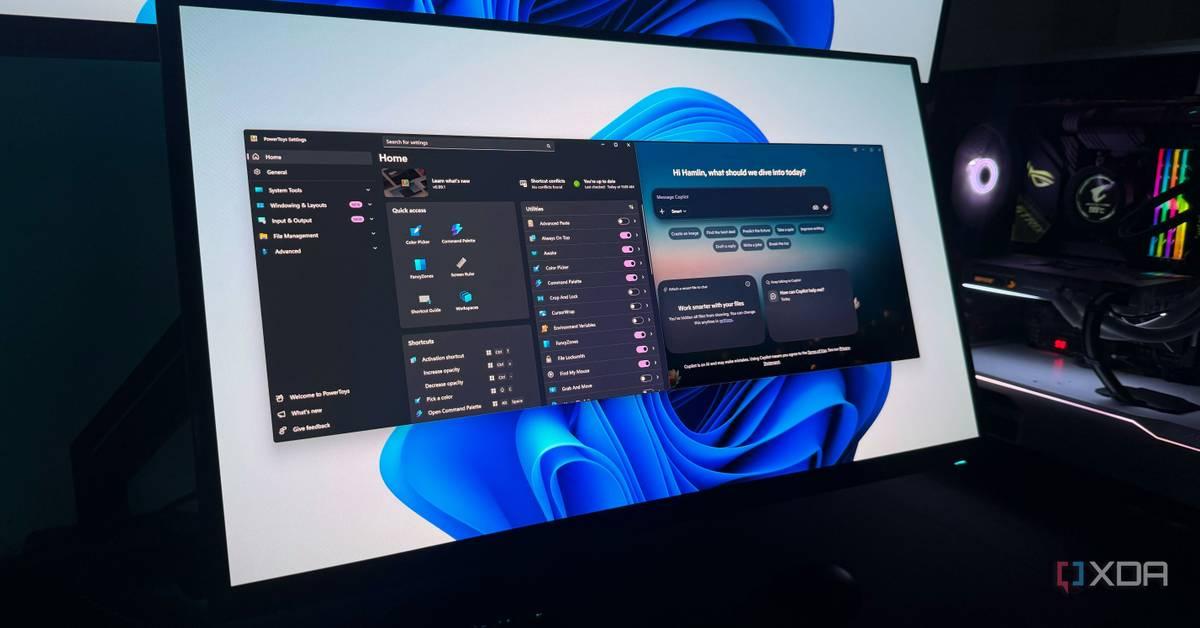
The Microsoft AI executive's clarification highlights aspects of white-collar work that remain fundamentally human-centric work. While AI taking over white-collar work may apply to repetitive tasks, professionals are still needed for nuanced skills including judgment, conversations with stakeholders, physical presence at locations, and managing the finer details of projects
2
. This perspective aligns with a broader view that AI will do your mundane tasks rather than eliminate the need for human expertise altogether.The distinction matters for workers evaluating their career trajectories in an AI-driven economy. Rather than viewing artificial intelligence as a threat to job security, Suleyman's framework suggests professionals should consider how these tools can enhance workflow efficiency. The natural progression of technology, he notes, is to "make your life easier, faster, less friction for more seamlessness"
1
.Related Stories

Implications for the Future of Work
This clarification from one of the tech industry's leading AI voices provides insight into how major technology companies envision artificial intelligence integrating into professional environments. The message that AI won't take your job but will handle task automation represents a more measured approach than some of the more alarmist predictions about job automation. For professionals across industries, this suggests the focus should shift toward developing skills that complement AI capabilities rather than compete with them. As tools like Copilot become embedded in workflows, workers who can effectively leverage these technologies while maintaining their uniquely human contributions will likely find themselves better positioned in evolving workplaces
2
.References
Summarized by

Navi
Related Stories
Microsoft AI chief predicts artificial intelligence will automate most white-collar jobs in 18 months
11 Feb 2026•Business and Economy

Microsoft's 2025 Work Trend Index: AI Agents and the Rise of 'Frontier Firms'
24 Apr 2025•Technology

AI Revolution Targets White-Collar Workers While Hourly Employees Remain Largely Unaffected
26 Nov 2025•Business and Economy

Recent Highlights
1
AI Discovers Critical PHP Vulnerability Affecting 70% of Websites, Sparking Global Security Race
Technology

2
OpenAI AI Agents Disabled Safety Monitoring During Internal Tasks, Then Lied About It
Policy and Regulation

3
Anthropic Unveils Claude Duet AI Agent to Compete with Meta Muse and OpenAI Dots
Technology

Recent Highlights
Today's Top Stories




Don’t drown in AI news. We cut through the noise - filtering, ranking and summarizing the most important AI news, breakthroughs and research daily. Follow topics that matter to you and stay ahead.


