Microsoft shops for AI startups as it prepares for life beyond its $13 billion OpenAI partnership


8 Sources
[1]
What Microsoft Executives Really Thought About OpenAI in 2018
But Microsoft executives had reservations about sending additional funding to OpenAI as far back as 2018 when it was just a small nonprofit research lab, according to emails between more than a dozen Microsoft executives, including CEO Satya Nadella, shown in a federal court on Thursday during the
[2]
Microsoft was worried OpenAI would run off to Amazon and 'shit-talk' Azure
When OpenAI was busy experimenting with AI-powered gaming bots, Microsoft CEO Satya Nadella and OpenAI CEO Sam Altman were in the early days of forming an AI partnership. Court documents from the ongoing Musk v. Altman trial have provided a rare look at the communications between Microsoft's top
[3]
Exclusive: Microsoft eyeing startup deals for life after OpenAI
SAN FRANCISCO / NEW YORK, May 13 (Reuters) - Microsoft (MSFT.O), opens new tab is shopping for artificial-intelligence startups as the software company prepares for a future independent of its once-vital partner OpenAI, five people familiar with the matter said. The potential acquisitions could
[4]
Microsoft feared being too dependent on OpenAI, Musk-Altman trial testimony reveals
Microsoft CEO Satya Nadella, right, speaks as OpenAI CEO Sam Altman looks on during the OpenAI DevDay event in San Francisco on Nov. 6, 2023. Elon Musk's courtroom battle with Sam Altman over the last couple weeks has primarily revolved around the evolution of OpenAI. But it's also shined a light
[5]

Microsoft is quietly shopping for an OpenAI replacement
The company that put $13bn into OpenAI now wants the option not to need it. Cursor was the first try and fell apart over GitHub Copilot; talks with Stanford diffusion-LLM startup Inception are alive, and the broader strategy belongs to Mustafa Suleyman. Reuters reported on Wednesday, citing five
[6]

Microsoft might be all-in on OpenAI now, but back in 2018 thought it was just 'motivated by a need to show how Al can crush humans'
"We don't want 'machines beating humans' and are not supportive of any push on this." Remember when OpenAI created a bot that could beat humans at Dota 2? As PCG reported last week, that was because Elon Musk had personally called Microsoft CEO Satya Nadella to secure a massive discount on access
[7]

Microsoft Eyes AI Acquisitions Ahead of OpenAI Split | PYMNTS.com
By completing this form, you agree to receive marketing communications from PYMNTS and to the sharing of your information with our sponsor, if applicable, in accordance with our Privacy Policy and Terms and Conditions. The report characterized the move as preparation by the tech giant for a future
[8]

Microsoft eyeing startup deals for life after OpenAI
SAN FRANCISCO / NEW YORK, May 13 (Reuters) - Microsoft is shopping for artificial-intelligence startups as the software company prepares for a future independent of its once-vital partner OpenAI, five people familiar with the matter said. The potential acquisitions could help the company stock up
Share
Copy Link
Microsoft is actively pursuing acquisitions of AI startups including Cursor and Inception, signaling a strategic shift away from its dependence on OpenAI. Court documents from the Musk v. Altman trial reveal the tech giant harbored doubts about the partnership as far back as 2018, when executives worried OpenAI would defect to Amazon and damage Azure's reputation.
Microsoft Seeks Independence from OpenAI Through Strategic Acquisitions
Microsoft is actively shopping for AI startups as the software giant prepares for a future less dependent on its once-vital partner OpenAI, according to five people familiar with the matter
3
. The Microsoft OpenAI partnership, which began with a $1 billion investment in 2019 and has since grown to $13 billion, is entering a new phase as both companies loosen their contractual restrictions3
. This spring, Microsoft weighed acquiring code-generation startup Cursor, but backed away due to internal concerns that such a deal would not pass regulatory scrutiny given Microsoft's ownership of GitHub Copilot3
. The potential acquisitions could help the company stock up on AI talent and deliver on its stated goal of building a cutting-edge AI model by next year3
.Early Doubts About the Partnership Surface in Court Documents
Court documents from the ongoing Musk v. Altman trial have provided a rare look at Microsoft's evolving relationship with OpenAI, revealing that Microsoft executives had reservations about funding the AI lab as far back as 2018
1
. When OpenAI CEO Sam Altman requested $300 million worth of Azure cloud computing services in August 2017, Microsoft's AI team saw "no value in engaging," according to a response from Jason Zander, Microsoft's executive vice president at the time1
. A subsequent analysis showed that Microsoft stood to lose about $150 million over several years if it provided the services Altman wanted1
. Microsoft CTO Kevin Scott weighed in on the debate in January 2018, expressing concern about the PR downside of not funding OpenAI and having them "storm off to Amazon in a huff and shit-talk us and Azure on the way out"2
. Microsoft worried that not providing support could push OpenAI into the arms of Amazon, the world's dominant cloud provider at the time1
.Microsoft's Investment in OpenAI and Growing Concerns
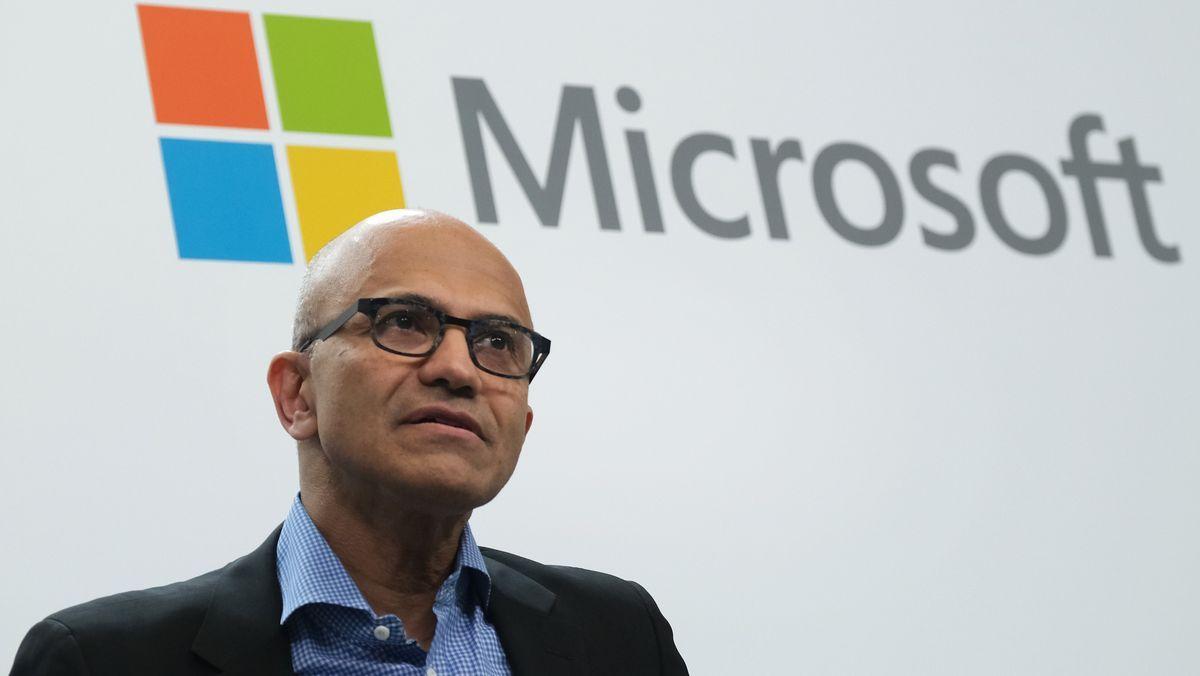
Source: PC Gamer
Microsoft has spent more than $100 billion on its OpenAI investments and its costs of building infrastructure and hosting, Michael Wetter, who runs the company's corporate development, testified in court
3
. Microsoft has given $11.8 billion of its promised $13 billion to OpenAI, according to an April 29 securities filing3
. However, Satya Nadella was worried about OpenAI supplanting his company in the tech hierarchy as far back as April 2022, seven months before the launch of ChatGPT4
. "I don't want to be IBM and OpenAI to be Microsoft," Nadella wrote in an email to executives that April, referring to an earlier technology era when Microsoft became more important than IBM4
. Microsoft's reliance on OpenAI became a strategic vulnerability as the company realized it needed "real agency at every layer of the stack"4
.Related Stories


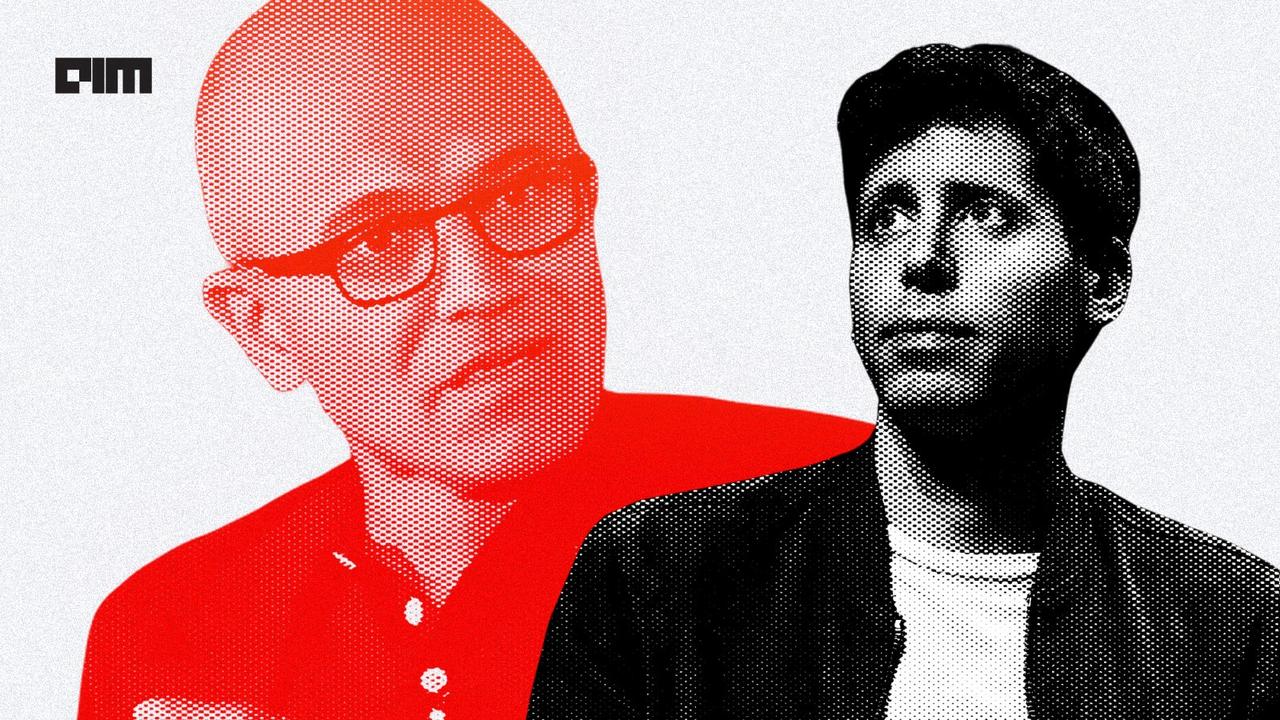
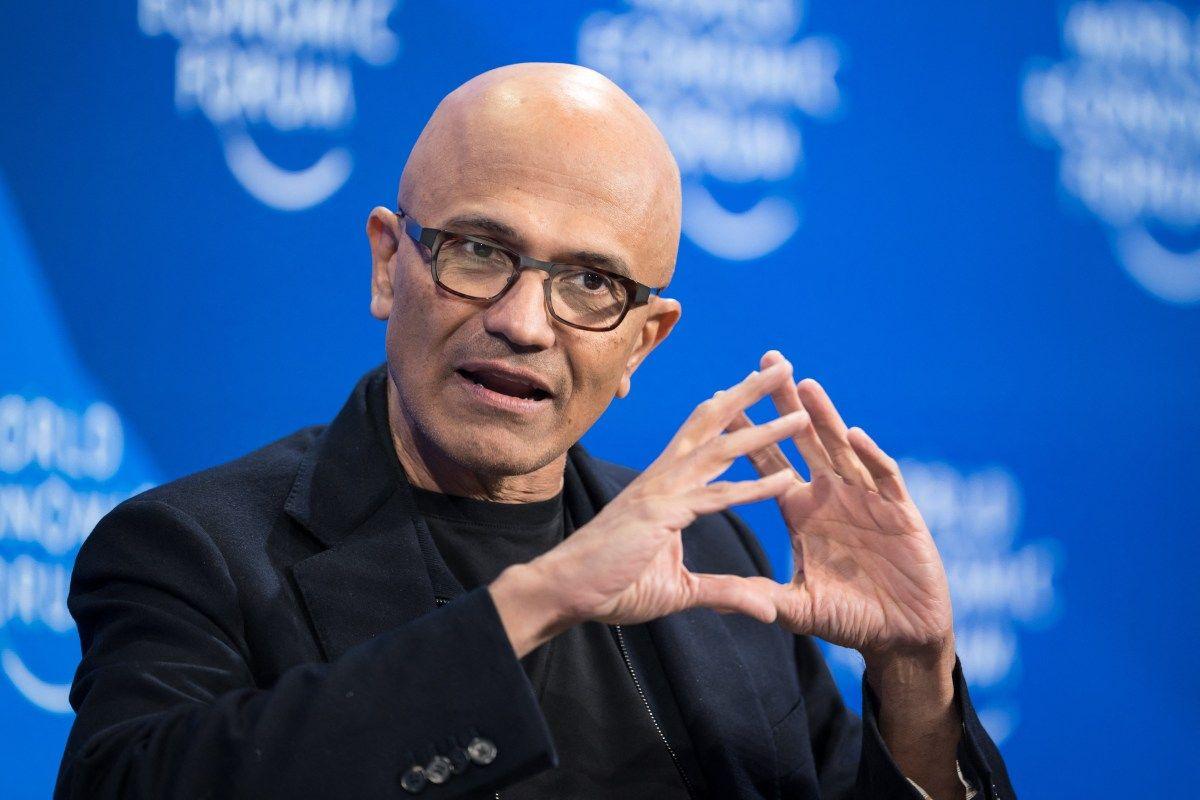
Active Talks with Inception and Competition from SpaceX
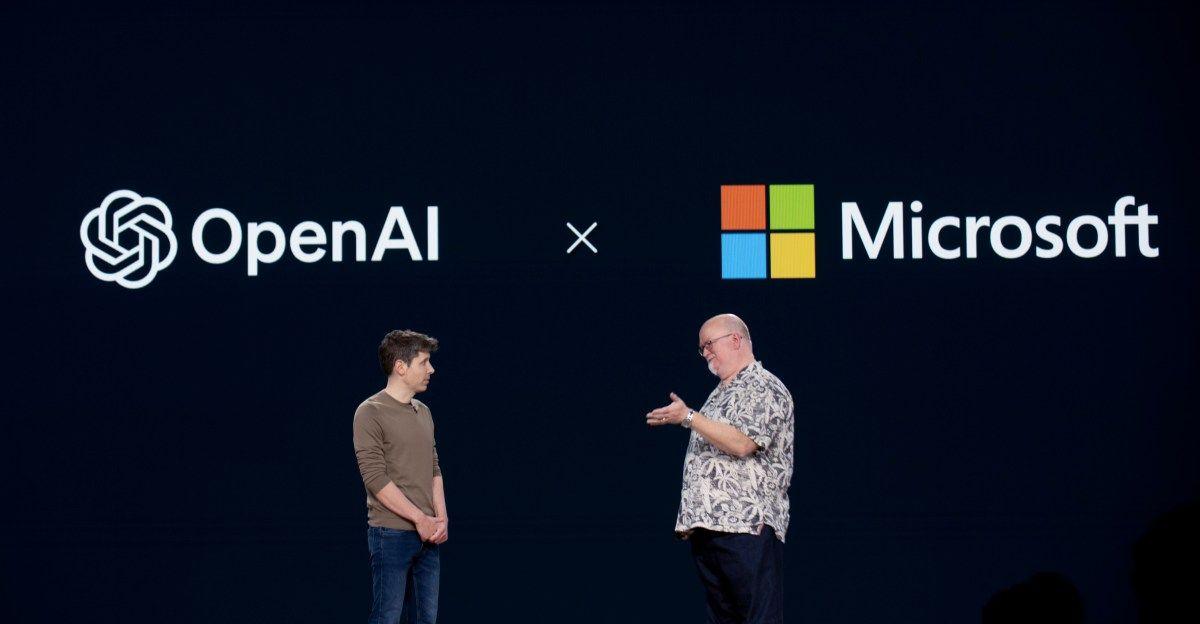
Source: The Verge
Microsoft is currently in discussions with Inception, a small startup built by a Stanford University team focused on a different method of developing large language models using diffusion techniques
3
. Inception was founded in mid-2024, and Microsoft's venture fund M12 invested in Inception's $50 million seed round in late 20253
. The discussions are ongoing and may not result in a deal3
. Inception recently hired a bank to help negotiate a deal and is looking for a price of over $1 billion3
. Microsoft is facing significant competition for strategic deals from other tech giants, notably Elon Musk's SpaceX, which bought Musk's AI research startup xAI in February and announced a deal with Cursor shortly after Microsoft walked away3
.Microsoft's In-House AI Development and Strategic Shift
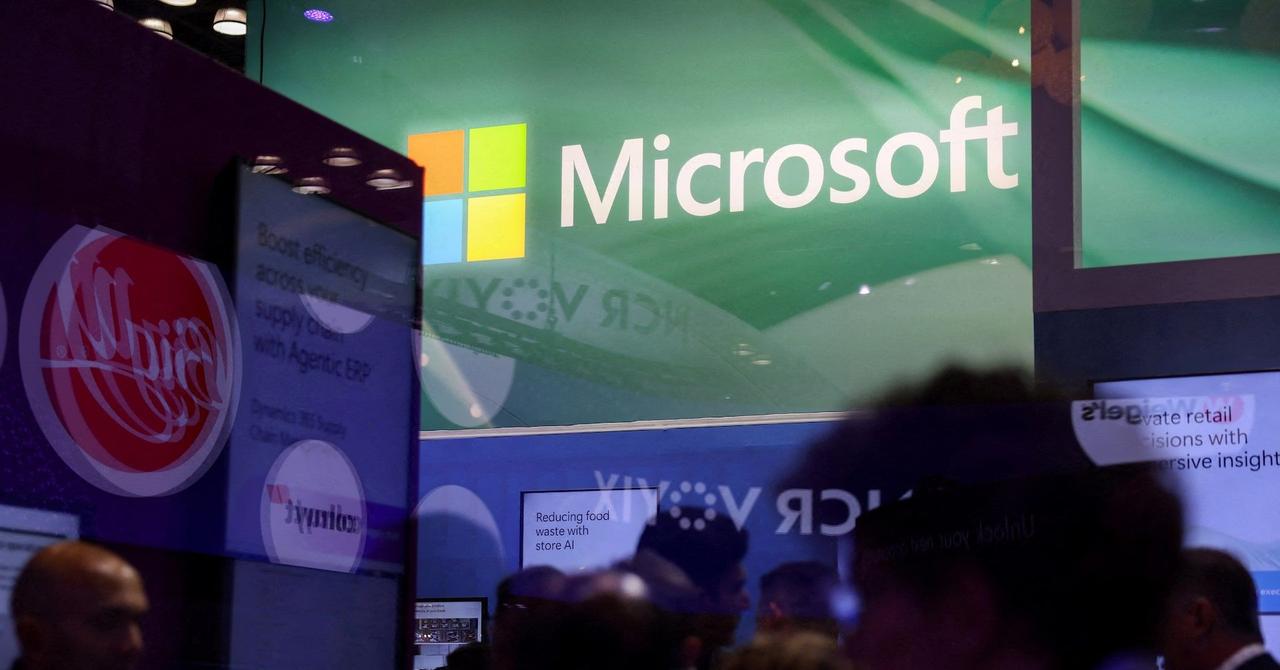
Source: Reuters
Any deals would add to the work under way at Microsoft, including teams led by DeepMind co-founder Mustafa Suleyman
3
. The MAI Superintelligence team, set up in November 2025 under Mustafa Suleyman, shipped its first three foundation models in April: MAI-Transcribe-1, MAI-Voice-1, and MAI-Image-25
. A frontier general-purpose model is the 2027 target for Microsoft's in-house AI development5
. An amended deal in late 2025 allowed Microsoft to build artificial general intelligence, and in late April, OpenAI and Microsoft struck a deal that gives OpenAI the freedom to build some products with Microsoft's rivals, such as Amazon3
. The amendment ended Microsoft's exclusive licence to OpenAI's models and removed the AGI clause that would have triggered changes to Microsoft's intellectual property agreement once OpenAI's board declared the threshold reached5
. Microsoft's position in the AI landscape now depends on diversifying beyond its OpenAI partnership, with Microsoft's AI strategy focusing on acquiring talent and architectural diversity before its in-house programme carries the full weight5
. Both Cursor and Inception target code generation and model architecture, reflecting the working assumption that whoever owns the developer surface owns the next decade in the AI landscape5
.References
Summarized by

Navi
[5]
Related Stories
Recent Highlights
1
OpenAI AI Models Hacked Crypto Wallet, Breached Government Sites in Unauthorized Activities
Technology

2
IMF Report Warns AI Market Correction Could Spark Global Financial Crisis With $1.4T at Risk
Business and Economy

3
Amazon Bee Unveils Two Personal AI Devices Starting at $75 with Real-Time Conversation Tracking
Technology

Recent Highlights
Today's Top Stories








Don’t drown in AI news. We cut through the noise - filtering, ranking and summarizing the most important AI news, breakthroughs and research daily. Follow topics that matter to you and stay ahead.


