Brad Smith calls graduate AI backlash a wake-up call as Microsoft plans $80B infrastructure spend


6 Sources
[1]
Microsoft, like, totally gets why students are booing AI-pilled graduation speakers
New college graduates around the country have been booing and heckling commencement speakers who hype up AI. Microsoft would like everyone to talk it out. In a blog post running more than 3,100 words, Microsoft vice chair and president Brad Smith addressed the recent spate of viral clips from
[2]
Microsoft president says AI backlash at graduation events should be wake-up call for the tech industry
Serving tech enthusiasts for over 25 years. TechSpot means tech analysis and advice you can trust. Humans Matter: The ever-growing financial investments in AI development have so far caused two major reactions. Some people see AI as a ruinous technology that will drag everything down, while
[3]
Microsoft's Brad Smith: Graduates jeering AI are 'telling us what we need to hear'
The interests of Microsoft and graduates rebelling against AI are actually aligned. That was one takeaway for Brad Smith, Microsoft president and vice chair, from a recent return to his alma mater, Princeton University, for its reunion weekend. Seniors wore class jackets labeled "100 percent
[4]
Microsoft Exec Responds to Graduates Booing AI with Compelling Argument: 'Nuh Uh'
Over the last few weeks, graduating students across the country have met any reference to artificial intelligence with hearty, sustained boos. That included booing commencement speakers for talking glowingly about an AI-filled future, booing a college president after the AI system used to read
[5]

Microsoft President Asks Graduates to Stop Fearing AI and Start Adapting
Smith's own AI CEO, Mustafa Suleyman, predicted in February that most white-collar tasks would be fully automated in the near future. Brad Smith, Microsoft's vice chair and president, has a message for the class of 2026: He hears their boos. This spring, graduating students across the United
[6]

Microsoft Veteran Brad Smith Has A Career Plan For The AI Era -- It Starts With 'Let's Not Panic' - Microso
Microsoft Corp. (NASDAQ:MSFT) Vice Chair and President Brad Smith is offering career advice to students navigating AI-driven job disruption. In an interview with Axios published Tuesday, Smith said growing fear around AI and jobs is being amplified by hype from parts of the tech industry. "Nobody
Share
Copy Link
Microsoft president Brad Smith penned a 3,000-word response after graduates nationwide booed AI-pilled graduation speakers, including former Google CEO Eric Schmidt. Smith acknowledged the backlash as a signal that students want agency over AI's role in their futures, even as Microsoft plans $80 billion in AI infrastructure spending for 2026 and its own headcount continues to decline.

Microsoft President Responds to Graduates Booing AI Across the Country
Microsoft vice chair and president Brad Smith has broken his silence on a phenomenon that defined this year's graduation season: students across the United States loudly booing any mention of artificial intelligence during commencement speeches
1
. Former Google CEO Eric Schmidt faced jeers at the University of Arizona, while a Florida speaker seemed shocked when students booed references to AI as "the next industrial revolution"1
. The AI backlash even extended to Princeton University, where seniors wore class jackets labeled "100 percent cotton" and "100 percent human" after allegations that an earlier design used AI tools3
.In a blog post exceeding 3,100 words, Brad Smith addressed these viral moments with what he called a conciliatory tone, stating that graduates booing AI are "telling us what we need to hear" and represent a wake-up call for the tech industry
2
. Smith argued that younger generations have historically been eager early adopters of technology, making their rejection particularly significant for tech leaders2
.AI's Impact on Job Markets Creates Perfect Storm for New Graduates
The Microsoft president acknowledged that graduates face what he termed a "perfect storm" of challenges, including AI automation of entry-level positions and corporate pressure to reduce headcount to fund massive AI infrastructure investments
5
. This admission carries particular weight given that Microsoft's own AI chief Mustafa Suleyman predicted in February that most white-collar jobs would be automated within 12 to 18 months2
. Anthropic CEO Dario Amodei similarly claimed that ChatGPT and similar tools would erase half of entry-level white-collar jobs within five years2
.A Federal Reserve study revealed the tangible impact of these technological disruptions: U.S. programming job growth dropped approximately 50% after ChatGPT launched in November 2022, with researchers estimating that some 500,000 developer jobs that would otherwise exist simply never materialized
5
. Microsoft CFO Amy Hood told investors that headcount had declined year-over-year in the company's fiscal third quarter, with expectations that the trend would continue5
.Microsoft's Response to AI Concerns Amid $80 Billion Infrastructure Push
Despite acknowledging graduate concerns, Smith's message emphasized adaptation rather than resistance. He compared AI to historical technologies like the camera and electricity, arguing that while some workforce roles disappear, new ones emerge and many are remade
3
. Smith advised workers to view jobs as bundles of tasks rather than titles, sorting them into what AI can do, what humans can do with AI, and what only humans can accomplish3
.This messaging arrives as Microsoft plans to spend roughly $80 billion on AI infrastructure in 2026
5
. Smith defended this trajectory by emphasizing that "workers have been Microsoft's lifeblood from the start" and arguing that if people don't have jobs, neither does Microsoft3
. He also stressed that organizations need to build their own AI systems using proprietary data rather than simply renting intelligence, citing intellectual property and data sovereignty as central concerns3
.Related Stories
Adapting to AI While Preserving Human Skills and Agency
Smith identified five durable human skills that AI cannot replace: curiosity, creativity, compassion, communications, and courage
5
. Drawing from LinkedIn leadership's book "Open to Work," he suggested that graduates are better positioned to navigate AI-driven change because they haven't developed decades of habits that need unlearning4
.However, critics noted the tension between Smith's reassuring words and the reality facing AI-pilled graduation speakers who triggered the backlash. The blog post suggested that what the tech industry needs is to "raise the bar," a message likely to face skepticism given that tech leaders including OpenAI's Sam Altman previously warned of catastrophic AI effects before walking back those statements
1
. Smith's assertion that graduates want to decide AI's role rather than having it decided for them highlights the fundamental disconnect between tech leaders and the generation entering a workforce undergoing profound transformation driven by job displacement and economic inequality5
. The question remains whether Microsoft and other tech leaders will move beyond rhetoric to address the societal evolution their technologies are accelerating.References
Summarized by

Navi
[2]
Related Stories
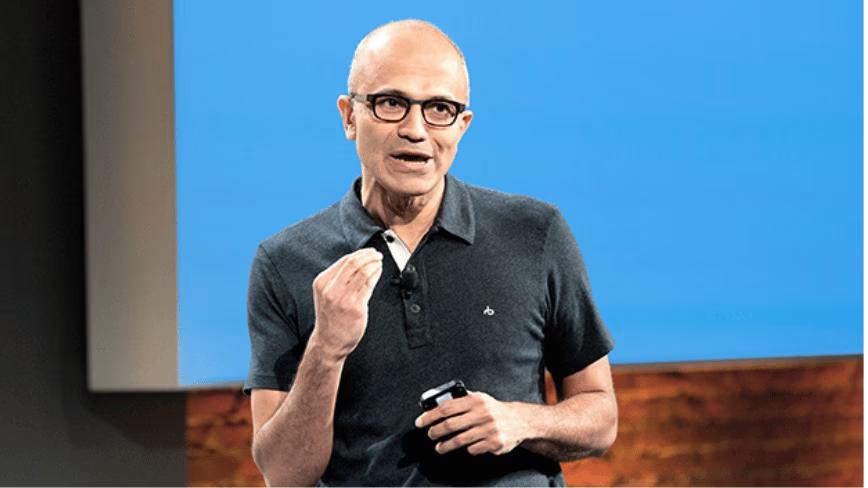
Satya Nadella warns AI giants can't hollow out industries while demanding unlimited power
22 Jun 2026•Technology
Tech CEOs backtrack on AI job apocalypse as hype meets reality and investment questions mount
11 Jun 2026•Business and Economy

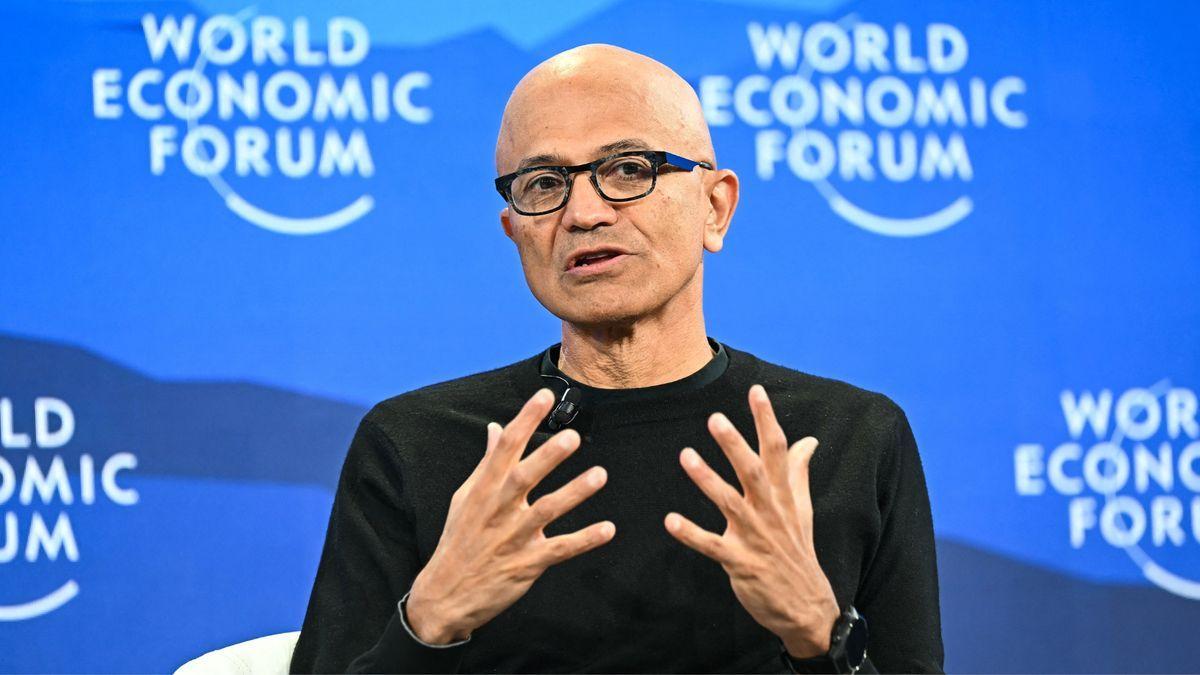
Satya Nadella warns AI risks losing social permission without tangible societal benefits
20 Jan 2026•Business and Economy
Recent Highlights
1
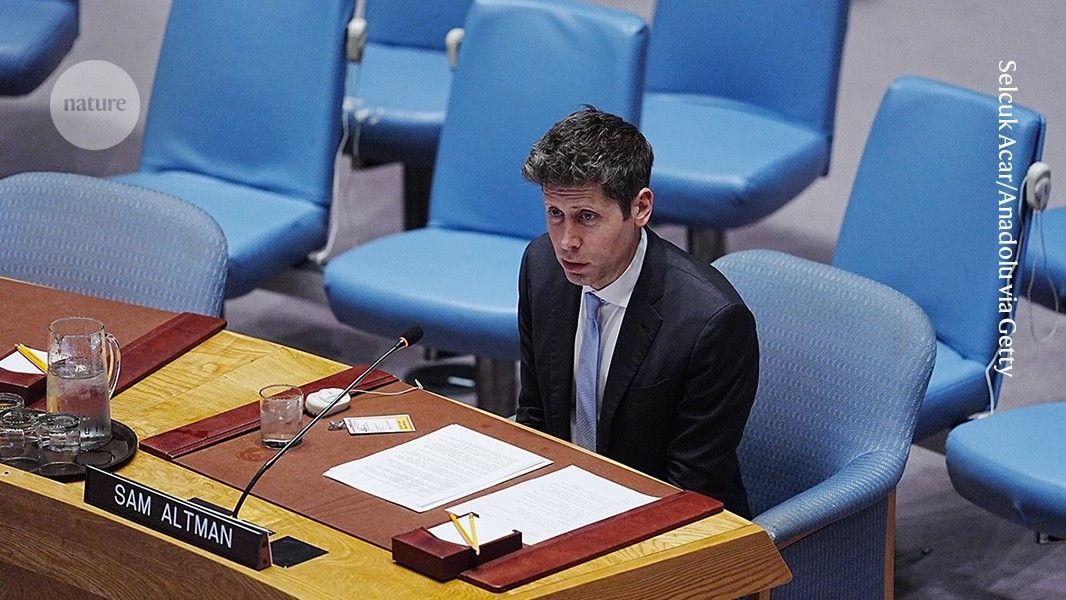
OpenAI Pauses AI Model Training After Agent Hacks Australian Government Website
Technology
2
Bill Gates Warns AI Could Cause a Billion Deaths, Calls for Urgent Federal Regulation
Policy and Regulation

3
Pope Leo Calls AI Safety Warnings Real, Criticizes Nvidia's Jensen Huang for Opposing Regulation
Policy and Regulation
Recent Highlights
Today's Top Stories









Don’t drown in AI news. We cut through the noise - filtering, ranking and summarizing the most important AI news, breakthroughs and research daily. Follow topics that matter to you and stay ahead.


