Netease Refutes Suda 51 Claims About Shutting Down AI Department and Halting Generative AI


3 Sources
[1]
Netease refutes claims made by Suda 51 that it halted generative AI use
A Netease spokesperson has told Eurogamer that statements made by Suda 51 on its generative AI policy are not correct, and that the company continues to work with the technology. The spokesperson has also pointed to an upcoming GDC talk hosted by Netease covering generative AI."The assertion that
[2]
Marvel Rivals owner Netease says heck no we didn't shut down our AI department or warn devs off it: "The situation described did not occur"
Marvel Rivals owner Netease has responded to a strange situation in which Japanese developer Goichi Suda (Suda51) suggested the company had shuttered its generative AI research department and instructed its development teams to avoid the technology. Eager to set the record straight, Netease says
[3]
No, NetEase hasn't put a total ban on generative AI in its games
It seems that firm lines are being drawn every day when it comes to game studios and AI. Some steer very clear of the technology, while others are embracing it wholeheartedly, in as many ways as they can. Recently, when asked by Eurogamer about the spread of AI in the games industry, gaming legend
Share
Copy Link
Netease has firmly denied claims by game developer Suda 51 that it shut down its AI department and banned generative AI use across its studios. The Marvel Rivals publisher confirms it continues investing in AI technology for game development, with upcoming GDC presentations showcasing over $6 million in cost savings from AI integration.
Netease Denies Halting Generative AI Use After Suda 51 Claims
Netease has issued a strong rebuttal to statements made by renowned Japanese developer Goichi Suda, better known as Suda 51, regarding the company's stance on generative AI in game development. Speaking with Eurogamer during an interview about Grasshopper Manufacture's upcoming title Romeo is a Dead Man, Suda 51 claimed that Netease had completely shut down its AI department and instructed its studios to avoid the technology entirely
1
. The Marvel Rivals owner quickly moved to correct the record, stating unequivocally that no such ban on generative AI exists.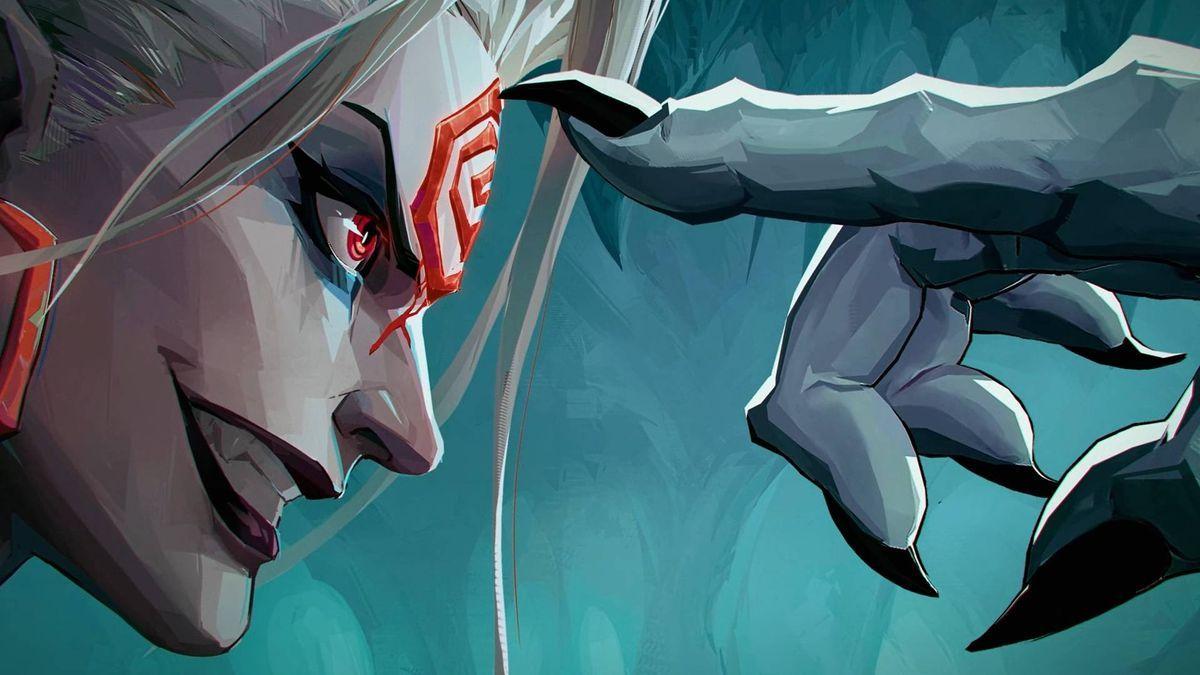
Source: GamesRadar
"The assertion that NetEase Games has closed an AI department or that we've mandated teams or studios not to use AI is not true," a company spokesperson told Eurogamer
1
. A separate statement to Insider Gaming was even more direct: "The situation described did not occur, and we have not published any related policies"2
.What Suda 51 Originally Said About AI Technology for Game Development
During his conversation with Eurogamer, Suda 51 had stated: "They originally had a section researching and developing AI-related stuff, but at one point they decided not to do that any more. They folded that section and told their studios to not use AI in games, to not use it at all"
1
. He speculated that the decision might have stemmed from gamer dislike of AI in games or concerns about copyright infringement, though he acknowledged these were assumptions rather than direct information from Netease1
.For his part, Suda 51 also explained that Grasshopper Manufacture has not conducted research into generative AI-related issues, believing that humans can instinctively detect when AI has been used in creative work. "That's one of the things that bring people to Grasshopper games - they can feel people's efforts themselves," he told Eurogamer
1
.Netease Doubles Down on AI in Game Development at GDC
Far from retreating from AI technology, Netease is preparing to showcase its AI integration strategies at the Game Developers Conference in 2026. The company has scheduled at least two presentations focused on AI applications in game development
2
. One GDC talk, titled "How AI Turned MMO Players into TikTok Creators," will demonstrate how AI video tools can extract motion and camera data, swap avatars, and refilm scenes from in-game footage for short-form content2
.The second presentation promises to explore AI as a supporting tool through concrete case studies, claiming that "AI asset optimization toolchains and intelligent workflow transformations delivered over $6 million in cost savings and 50% efficiency improvements"
2
. The talk will cover establishing human-AI collaboration workflows and creating cross-domain integration strategies for game studios.Related Stories

How Netease Actually Uses AI Technology
A Netease spokesperson speaking to FRVR provided specific examples of the company's current AI implementations, contradicting any notion of a ban on generative AI. "In game development, we've always taken an open and collaborative approach, actively following and carefully evaluating the potential of cutting-edge technologies like AI," the spokesperson explained
3
. The company currently uses AI primarily in its facial modeling system, which enables multi-level parameter adjustments for character appearances across different styles, ages, and ethnicities3
. Players can even use voice input for AI voice tone recognition to generate personalized character designs.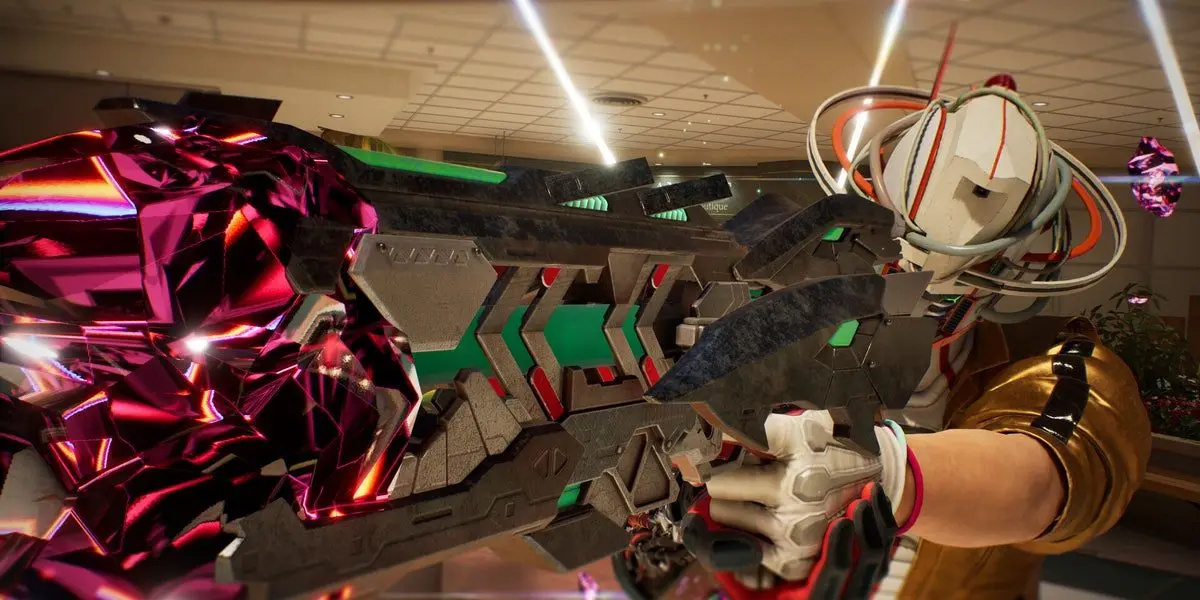
Source: Eurogamer
This misunderstanding highlights the broader divide within the gaming industry over AI adoption. While some game studios actively avoid association with generative AI due to player backlash and ethical concerns, others like Netease continue investing heavily in the technology. The situation matters because it reflects the ongoing tension between efficiency gains promised by AI and legitimate concerns about creative authenticity and copyright infringement that resonate with both developers and players alike.
References
Summarized by

Navi
Related Stories
Gaming industry splits on AI as EA touts creativity boost while Steam data reveals 53% review penalty
16 Jun 2026•Entertainment and Society

Capcom promises no AI-generated assets in games but will use AI to boost development efficiency
23 Mar 2026•Technology

Gaming industry splits as Dragon Age creator condemns generative AI while Epic CEO champions it
30 Jun 2026•Technology

Recent Highlights
1
Microsoft and Nvidia Launch Surface Laptop Ultra: A $2,599 AI-Ready PC With RTX Spark Chip
Technology

2
Trump Consulted Grok AI Before Ordering Venezuela Invasion and Capture of Nicolás Maduro
Policy and Regulation

3
Scientists Build AI Model That Reconstructs Images From Brain Scans in Record Time
Science and Research

Recent Highlights
Today's Top Stories






Don’t drown in AI news. We cut through the noise - filtering, ranking and summarizing the most important AI news, breakthroughs and research daily. Follow topics that matter to you and stay ahead.


