New Evidence Supports Adult Neurogenesis in Humans, Potentially Settling Long-Standing Debate


3 Sources
[1]
Genetic evidence that our brains make new neurons in adulthood may close a century-old debate
For decades, neuroscientists have wrestled with -- and regularly fought over -- a seemingly basic question about the human brain: does it make new neurons in adulthood? This process, called neurogenesis, has been documented in adult rodents, but definitive evidence in humans has remained elusive.
[2]
Do we grow new brain cells as adults? The answer seems to be yes
Scientists have found evidence of new brain cells sprouting in adults - a process that many thought only occurred in children Whether or not we grow new brain cells as adults has been the subject of an ongoing and often contentious debate. Now, evidence suggests that we can. This could help answer
[3]
Can adults make new brain cells? New study may finally settle one of neuroscience's greatest debates
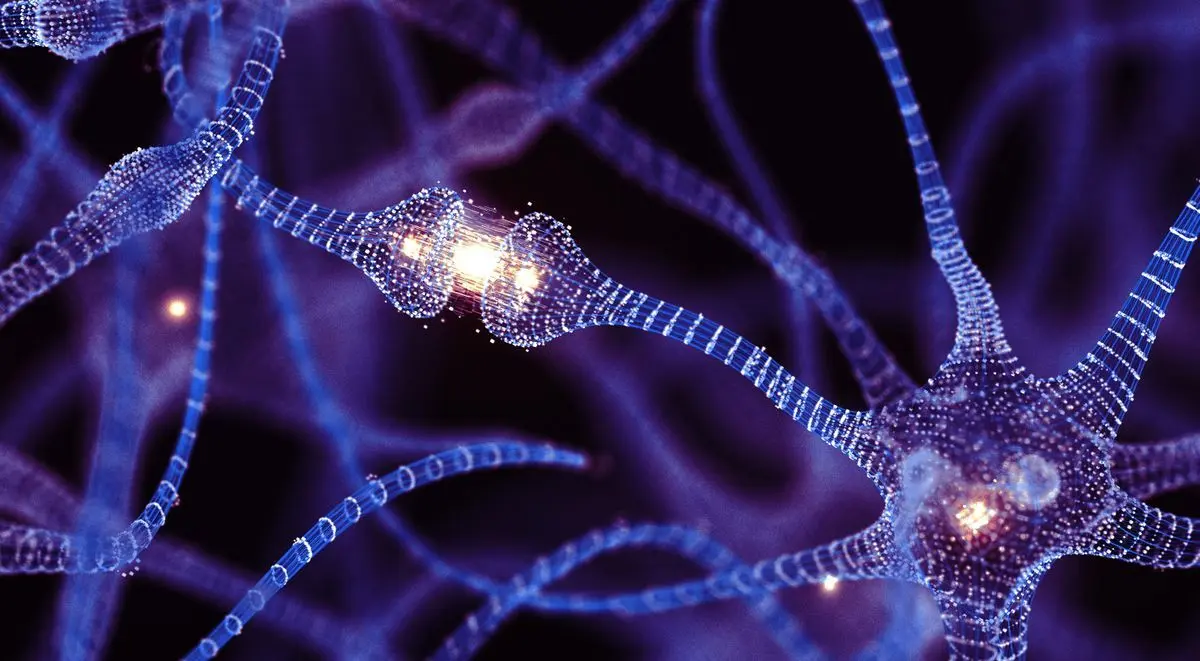
Scientists have published strong evidence of new neurons forming in the adult human brain. (Image credit: BlackJack3D via Getty Images) Researchers say they have found clear evidence that the human brain can keep making new neurons well into adulthood, potentially settling decades of
Share
Copy Link
A groundbreaking study combining AI and advanced cell analysis techniques has provided strong evidence for the formation of new neurons in adult human brains, potentially resolving a century-old debate in neuroscience.
The Century-Old Debate on Adult Neurogenesis
For decades, neuroscientists have debated whether the human brain can generate new neurons in adulthood, a process known as neurogenesis. This question, which dates back to the early 1900s when Santiago Ramón y Cajal proposed that brain cells are "fixed, ended, and immutable" after birth, has been the subject of intense scientific scrutiny and disagreement
1
.
Source: Live Science
Breakthrough Study Provides Strong Evidence
A groundbreaking study published in Science has provided compelling evidence that adult neurogenesis does occur in humans. The research team, led by Jonas Frisén at the Karolinska Institute in Sweden, combined advanced techniques including single-nucleus RNA sequencing and machine learning to analyze brain tissue samples
2
.Innovative Methodology
The researchers developed a novel approach to identify neural progenitor cells, which are crucial for neurogenesis:
- They created machine learning models trained on data from children's hippocampus samples.
- These models were validated using mouse brain samples and adult human cortex tissue.
- The team then applied an antibody-based technique to isolate dividing cells from adult human hippocampus samples, increasing the chances of detecting rare progenitor cells
2
.
Related Stories
Key Findings
The study analyzed over 400,000 individual nuclei of hippocampus cells from 24 people, ranging in age from 0 to 78 years
3
. The results were striking:- Neural progenitor cells were identified in 9 out of 14 adult brains examined.
- These cells were found in the same locations where adult stem cells reside in animal studies.
- The rate of new neural growth appears to be low in adults, with significant variation between individuals
1
.

Source: Science.org
Implications and Future Research
This study has significant implications for our understanding of brain plasticity and potential treatments for neurological conditions:
- It may lead to investigations into differences in neurogenesis between adults with and without brain-related conditions like depression and Alzheimer's disease.
- The findings could pave the way for developing drugs that boost neurogenesis to alleviate symptoms of certain neurological disorders
2
. - Future research could explore the relationship between adult neurogenesis and cognitive resilience in aging [3](https://www.livescience.com/health/neuroscience/can-adults-make-new-brain-cells-new-study-may-finally-settle-one-of-neurosciences-greatest-debates].
While this study provides strong evidence for adult neurogenesis, some experts caution that additional validation may be needed. However, many in the field view this as a significant step forward in resolving the long-standing debate and opening new avenues for understanding brain plasticity and potential therapeutic interventions.
References
Summarized by

Navi
[1]
[2]
Related Stories
Computer Simulation Mimics Brain Neuron Growth, Advancing Neurodegenerative Disease Research
11 Oct 2024•Science and Research

Neuroscientists Discover Stable Synapses in the Brain's Adaptable Zone
17 Sept 2024

Scientists discover how hippocampal CA1 memory switchboard safeguards past knowledge
03 Jun 2026•Science and Research
Recent Highlights



Recent Highlights
Today's Top Stories



Don’t drown in AI news. We cut through the noise - filtering, ranking and summarizing the most important AI news, breakthroughs and research daily. Follow topics that matter to you and stay ahead.


