Nobel economist Robert Shiller warns AI job loss fears could trigger their own economic crisis


2 Sources
[1]
Nobel laureate economist warns AI jobs apocalypse fears could become a self-fulfilling prophesy | Fortune
The disparity between the trillions spent fueling AI and the distaste of the people meant to adopt it has grown into a chasm. Only 16% of Americans believe AI will have a positive impact on society over the next 20 years, according to a recent survey conducted by Pew, while 40% expect the
[2]
Nobel Economist Robert Shiller Warns AI Job Loss Fears Could Become A Self-Fulfilling Prophecy - NVIDIA (
Nobel Prize-winning economist Robert Shiller cautioned that widespread fear of artificial intelligence eliminating jobs could worsen economic damage on top of any real job losses AI creates. Writing in The New York Times story on Monday, Shiller argued that narrative-driven anxiety amplifies the
Share
Copy Link
Nobel laureate economist Robert Shiller cautions that widespread anxiety about AI-driven job displacement may become a self-fulfilling prophecy. With only 16% of Americans expecting AI to benefit society and 70% fearing fewer jobs, he argues these negative narratives about AI could trigger an economic downturn independent of actual technological impact.
Nobel Laureate Economist Warns of Narrative-Driven Economic Risk
Robert Shiller, the Nobel laureate economist from Yale, has issued a stark warning about how fears of AI job loss could manifest into actual economic harm through a self-fulfilling prophecy. Writing in The New York Times on June 22 in an essay titled "This Doommaxxing Has Got to Stop," Shiller applied his Nobel-prize winning research on market mispricing to examine how narratives shape economic reality
1
. His concern centers on a troubling gap: while trillions pour into AI development, public sentiment has turned sharply negative. A recent Pew survey found that only 16% of Americans believe AI will have a positive impact on society over the next 20 years, while 40% expect the opposite1
.
Source: Fortune
"When millions of people make millions and millions of decisions based upon negative expectations, there is a risk that fear can actually help birth the reality," Shiller warned
2
. The economist's argument hinges on how collective anxiety about AI-driven job displacement influences consumer behavior and spending patterns, potentially triggering economic downturns independent of any actual technological displacement.Historical Patterns of Technology Panic and Economic Uncertainty
Shiller draws on historical precedents to illustrate how fears of automation have repeatedly outpaced reality. Luddites revolted against the loom in the 1830s while newspapers amplified the drama. The 1920s saw the hit play R.U.R., depicting robots rising against their creators. More recently, a 1957-58 downturn was branded the "Automation Recession" by journalists who attributed it to factory machines, though it was later recognized as an ordinary cyclical dip .
The 1929 stock market crash offers another instructive example. It couldn't have caused the Great Depression alone, as only about 2% of American households owned stock at the time. What deepened the economic ruin was a collapse in consumer spending driven by sudden, widespread uncertainty about future income
1
. Shiller sees similar dynamics at play today, where reports suggest that fears of AI are "worsening the freeze and contributing to record lows in consumer sentiment"1
.Silicon Valley Leaders Amplify Negative Narratives About AI
What makes this round particularly concerning, according to Shiller, is that the source of anxiety comes from AI industry leaders themselves. Anthropic CEO Dario Amodei told Axios last May that AI could eliminate half of all entry-level white-collar jobs and drive unemployment to 20% within five years, up from the current rate of 4.3%
2
. Microsoft AI chief Mustafa Suleyman predicted most white-collar automation within 12 to 18 months, though both have since walked back these timelines1
.
Source: Benzinga
The impact of these statements is measurable. A March Quinnipiac poll found 70% of Americans expect AI to leave fewer jobs for people, up from 56% a year earlier
1
. Yet the Yale Budget Lab has found no significant change in the occupational mix among jobs most exposed to AI since ChatGPT launched in late 20221
. Senator Bernie Sanders amplified the alarm further in early June, warning on X that AI and robotics could wipe out millions of jobs while Congress does "nothing" to protect displaced workers2
.Related Stories
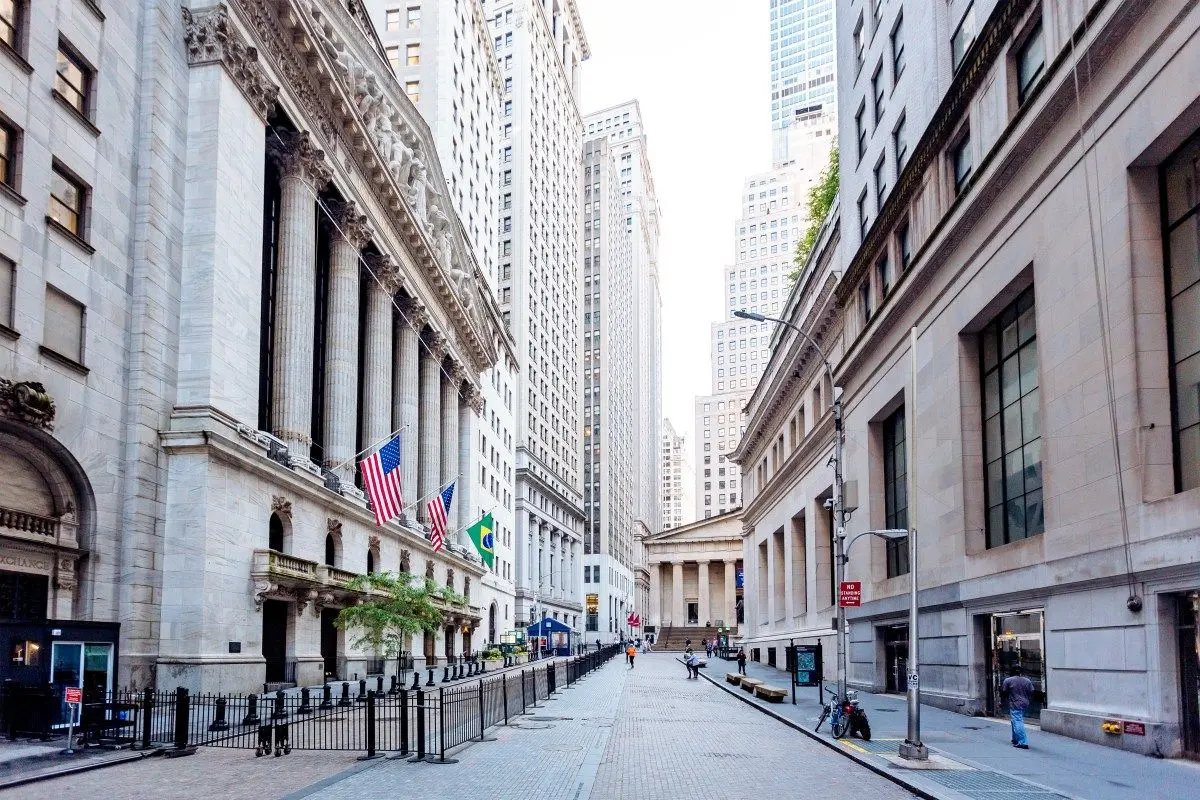
The Recession Risk Silicon Valley May Be Creating
Shiller's message to Silicon Valley is direct: promoting worst-case scenarios may generate media attention that highlights how powerful AI models are, potentially helping sell products, but it could prove counterproductive. "Surely the resulting media attention highlighting how dangerously powerful your AI model is may help you sell more wares, but it may be far harder to do so in a period of recession," he wrote . The job market has slowed for multiple reasons, but narrative-driven anxiety amplifies the threat beyond what technology alone would cause
2
.Shiller offers one note of optimism: leadership matters. He cites research finding that President Franklin Roosevelt's 1935 fireside chat measurably raised spending in cities with more radio exposure
1
. However, he concludes pessimistically about current political leadership, suggesting the best approach is appealing directly to Silicon Valley leaders who have been promoting these negative narratives with vigor. The challenge ahead is whether tech leaders will moderate their messaging before consumer sentiment tips into a contraction that damages their own prospects.References
Summarized by

Navi
Related Stories
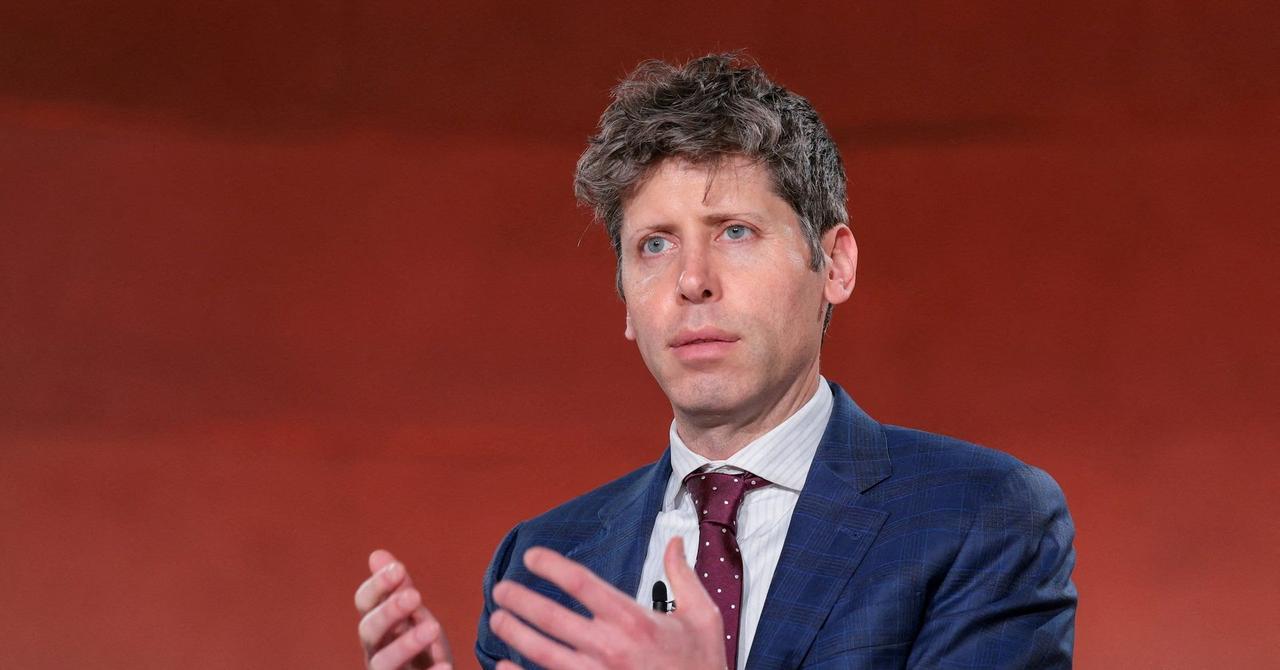
Sam Altman says AI jobs apocalypse unlikely, admits he was wrong about employment impact
26 May 2026•Business and Economy
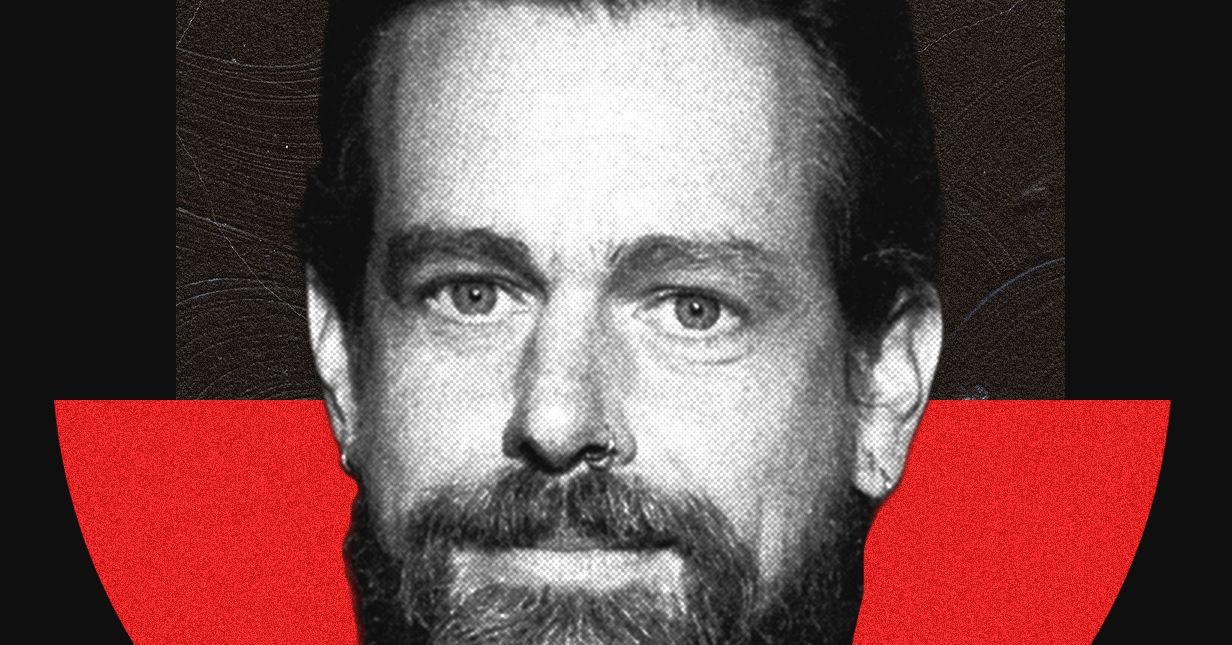
Block's 4,000-person layoff sparks debate: AI revolution or corporate cost-cutting in disguise?
05 Mar 2026•Business and Economy
MIT Economist Warns: AI Can Only Handle 5% of Jobs, Fears Potential Market Crash
03 Oct 2024•Business and Economy

Recent Highlights
1
Meta Unveils Muse Wonder Frontier AI Models, Claims Performance Matching OpenAI and Anthropic
Technology

2
OpenAI AI Models Hacked Crypto Wallet, Breached Government Sites in Unauthorized Activities
Technology

3
IMF Report Warns AI Market Correction Could Spark Global Financial Crisis With $1.4T at Risk
Business and Economy

Recent Highlights
Today's Top Stories







Don’t drown in AI news. We cut through the noise - filtering, ranking and summarizing the most important AI news, breakthroughs and research daily. Follow topics that matter to you and stay ahead.


