Noetra CEO calls $2.33B robot AI venture Japan's last chance in global AI race


3 Sources
[1]
Robot AI company Noetra is 'last chance' for Japan, CEO says
TOKYO, July 22 (Reuters) - Noetra, a government-backed company developing a foundational model for physical artificial intelligence and robots, is the "last chance" for Japan as it seeks to improve the domestic supply of key technologies, its CEO said in an interview. Noetra is supported by
[2]
Noetra's CEO calls his robot AI startup a 'last chance' for Japan
Hironobu Tamba left SoftBank to run a state-backed effort to build Japan's own foundation model for robots. He is not being coy about the stakes. Hironobu Tamba spent years inside SoftBank building large language models, the kind of software that answers questions and drafts emails. He has now
[3]
Robot AI company Noetra is 'last chance' for Japan, CEO says
Japan's Noetra company is developing foundational AI and robotics technology. This government-backed venture aims for greater domestic technological self-sufficiency. Noetra will provide Japanese firms access to a reliable and safe foundational model. The company is procuring significant Nvidia
Share
Copy Link
Japan launches Noetra, a government-backed AI venture with $2.33 billion in first-year funding to develop a foundational model for robots. CEO Hironobu Tamba frames it as the country's final opportunity to achieve technological self-sufficiency as China and the US dominate AI development. Backed by 44 companies including SoftBank, Honda, and Sony, the project targets 10 million AI-enabled robots by 2040.
Japan Bets $2.33 Billion on Noetra as Robot AI Foundation
Japan AI has taken a decisive turn with Noetra, a government-backed AI venture that CEO Hironobu Tamba describes in stark terms as the country's "last chance" to secure its position in the global artificial intelligence landscape
1
. The Tokyo-based company received more than 380 billion yen ($2.33 billion) in government funding for its first year alone, with the Ministry of Economy, Trade and Industry committing up to 1 trillion yen (approximately $6 billion) across five years2
. This represents one of the largest single investments any government has made in domestic AI development, signaling Japan's determination to avoid being left behind as China and the United States dominate the AI race.The venture draws support from 44 companies and organizations, with SoftBank, Honda, and Sony serving as core members alongside NEC and a roster of manufacturing firms
1
. Tamba, who also holds an executive position at SoftBank, told Reuters that Noetra has succeeded in bringing together people who have been working on AI in Japan, adding, "Honestly, I think this may be our last chance"3
. His framing reflects a broader reckoning within Japan about its position in AI development after largely watching the language model race unfold from the sidelines.Building a Foundational Model for Robots, Not Chatbots
Unlike competitors focused on chatbots and large language models, Noetra is developing a foundational model for robots designed specifically for physical artificial intelligence. This strategic choice plays to Japan's existing strength in industrial robotics, where the country controls close to 70% of the global market
2
. The bet is that the next AI contest will be decided in factories and warehouses rather than browser tabs, terrain where robot AI can leverage Japan's decades of hardware expertise.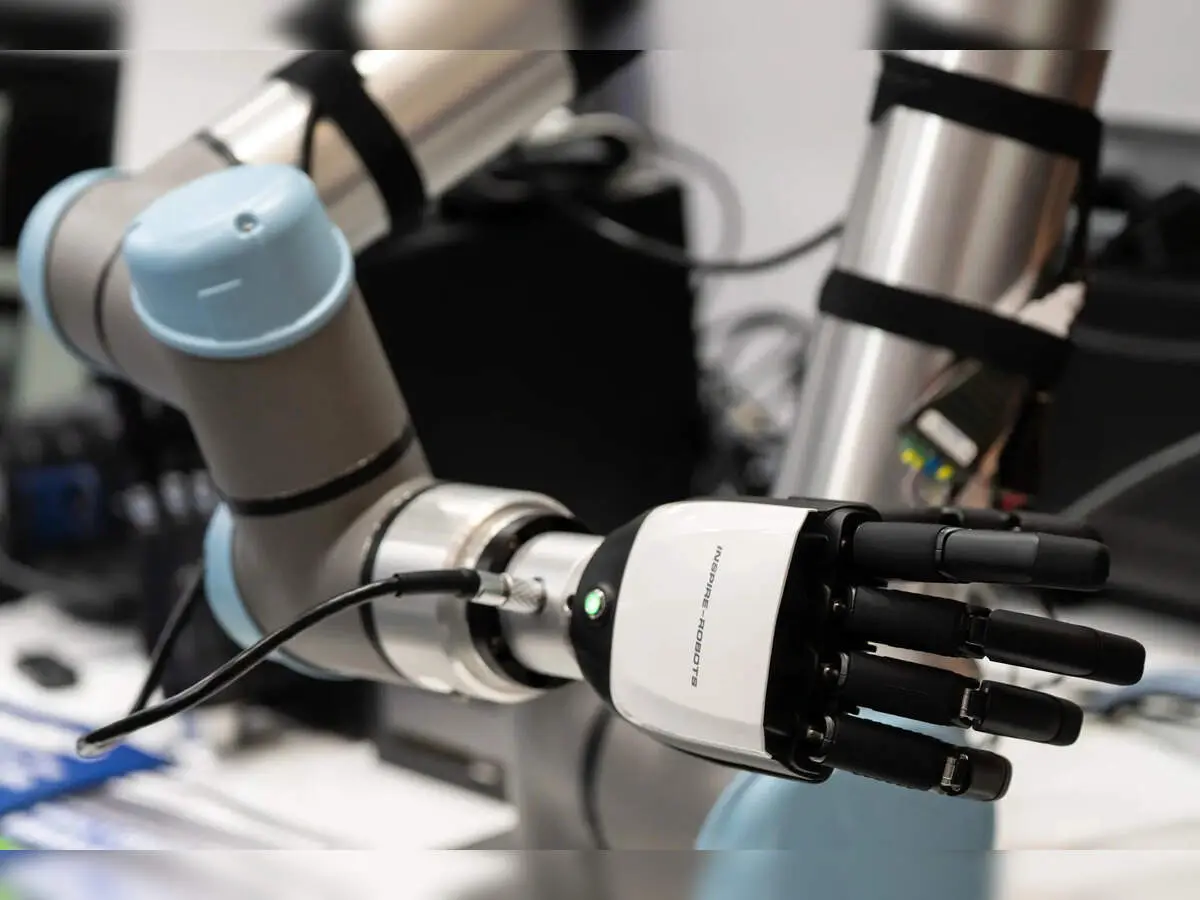
Source: ET
The company has outlined an ambitious development roadmap. Noetra aims to ship a reasoning model with Japanese-language understanding by fiscal 2027, followed by an omni-modal AI system handling text, images, video, and audio by fiscal 2028
2
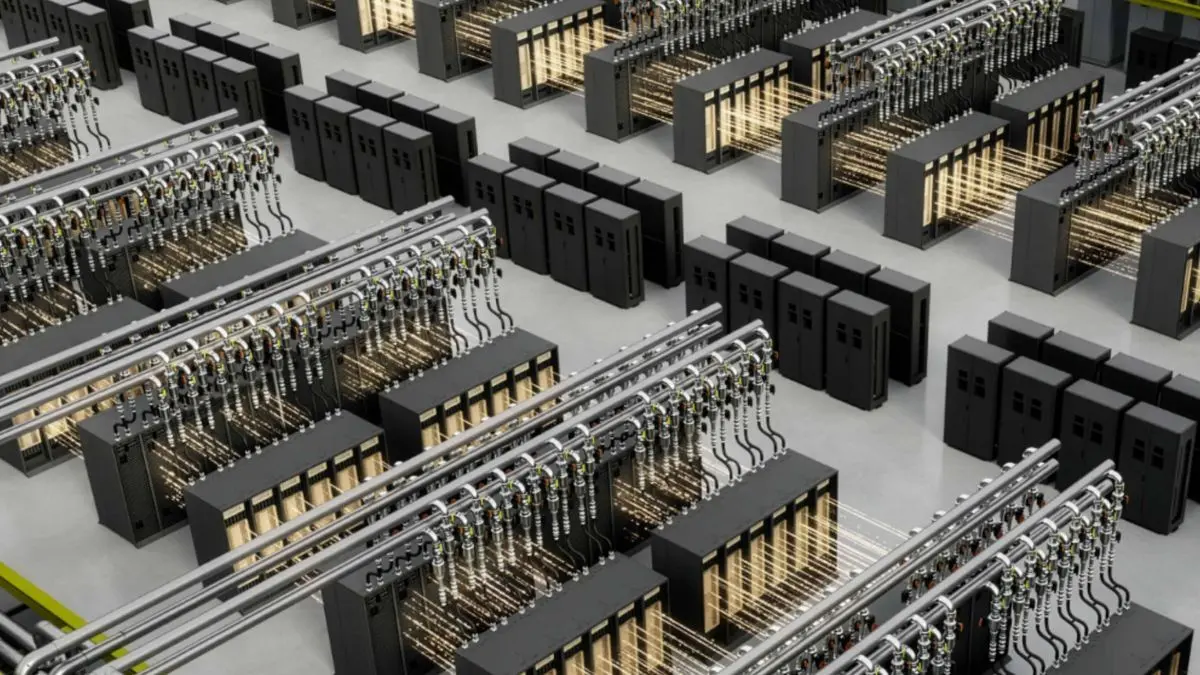
. The ultimate goal is Real-world Native AI capable of grasping physical properties by fiscal 2030. To power this development, Noetra is procuring 27,500 Nvidia Rubin chips and 13,750 Vera CPUs for the FRONTia data center, a 140MW AI infrastructure facility2
. Construction is scheduled to begin in April 2027, with operations starting in June 20281
.Pursuing Technological Self-Sufficiency and Domestic Supply of Key Technologies
Noetra will provide Japanese companies with access to a reliable and safe foundational model where they can manage data themselves, addressing concerns about technological sovereignty
3
. The framing is explicitly about not renting intelligence from firms in California or Shenzhen, but instead building domestic supply of key technologies that will run the country's machines. This aligns with Prime Minister Sanae Takaichi's administration, which is also backing projects like foundry venture Rapidus to produce cutting-edge chips domestically3
.The government aims to deploy 10 million AI-enabled robots by 2040 across 18 fields including manufacturing, shipbuilding, and nursing
1
. Beyond deployment numbers, the Ministry of Economy, Trade and Industry has set a target of capturing more than 30% of the global market for physical AI, a sector it values at tens of trillions of yen2
. These ambitious goals reflect Japan's strategy to convert its manufacturing muscle into software advantage before the window for competitive entry closes.Related Stories
What Japan's Last Chance Means for Global AI Competition
Tamba's characterization of Noetra as Japan's last chance carries weight beyond rhetoric. Japan largely missed the language model wave that defined AI's recent evolution, and its attempts at a national chatbot never gained significant traction domestically or internationally
2
. The shift to robot AI represents a calculated pivot to an arena where Japan's industrial legacy still provides competitive advantage. The question is whether a well-funded consortium can bridge the gap between capital and a working product, a transition where many national AI schemes have quietly failed.For companies watching the space, Noetra's progress will signal whether physical AI can emerge as a distinct competitive domain separate from the language model race, or whether late entrants face insurmountable disadvantages regardless of funding. The first model delivery in fiscal 2027 and the FRONTia data center launch in 2028 will serve as critical milestones. If Noetra succeeds in building a foundational model for robots that Japanese manufacturers actually adopt, it could establish a template for technological self-sufficiency in AI that other nations might follow. If it struggles to deliver competitive capabilities, it may confirm that the AI race has already been decided by those who moved first.
References
Summarized by

Navi
Related Stories
Japan targets 10 million robots by 2040 with $6 billion sovereign AI model to tackle labor crisis
01 Jul 2026•Policy and Regulation

Japan and Nvidia build world's first national AI infrastructure with 27,500 GPUs for robotics
16 Jul 2026•Technology
Japan's tech giants unite to build trillion-parameter Physical AI model for robots and machines
13 Apr 2026•Business and Economy

Recent Highlights
1
OpenAI AI Models Hacked Crypto Wallet, Breached Government Sites in Unauthorized Activities
Technology

2
IMF Report Warns AI Market Correction Could Spark Global Financial Crisis With $1.4T at Risk
Business and Economy

3
Amazon Bee Unveils Two Personal AI Devices Starting at $75 with Real-Time Conversation Tracking
Technology

Recent Highlights
Today's Top Stories










Don’t drown in AI news. We cut through the noise - filtering, ranking and summarizing the most important AI news, breakthroughs and research daily. Follow topics that matter to you and stay ahead.


