6 Sources
6 Sources
[1]
Nothing's AI devices plan reportedly contains smart glasses and earbuds | TechCrunch
London-based hardware company Nothing is on track to release a pair of smart glasses next year, Bloomberg reported, citing anonymous sources. The glasses will likely feature cameras, microphones and speakers, and will connect to a smartphone and the cloud to process AI queries, the report said. CEO and co-founder Carl Pei was initially resistant to the idea of smart glasses, but he has since told employees that he wants to focus on a multi-device strategy, expanding the company's remit beyond its existing smartphone lines and audio gear, Bloomberg said. The company is also planning to release a pair of earbuds with AI features this year. Last year, Pei told TechCrunch that it planned to release its first AI device in 2026, though he didn't specify what kind of device it might be. If the report is true, Nothing would be going up against the likes of Meta, Even Realities, and Rokid, all of which make smart glasses. Meta has so far launched multiple versions of its smart glasses, and earlier this week showed off two models that support prescription lenses. Apple is rumored to release a pair of smart glasses next year, and Google's smart glasses with Samsung are rumored to land this year. Nothing became a unicorn last year after it raised a $200 million Series C round at a $1.3 billion valuation. The company has been popular among tech enthusiasts thanks to its unique design, which often features transparent and see-through elements. However, it still only accounts for a tiny share of the smartphone market, which has long been dominated by incumbents Apple, Samsung, a few Chinese companies and Google itself. Pei has said multiple times that Nothing would need to innovate on the hardware and software front, and use AI, to stand out in the market. The company last year launched a tool that lets people create mini apps using AI prompts.
[2]
Device Startup Nothing Technology Plans to Release AI Glasses Next Year
Nothing Technology Ltd. is working on artificial intelligence-enhanced smart glasses, looking to expand its lineup beyond smartphones and audio gear. The London-based startup is planning to release the glasses during the first half of 2027, according to people with knowledge of the matter. Nothing is also working on new earbuds for later this year with AI-focused features, said the people, who asked not to be identified because the plans haven't been announced. Nothing Chief Executive Officer Carl Pei was initially resistant to launching glasses, but he recently told employees that he's now focused on a multidevice strategy, the people said. There's a growing field of companies pursuing smart glasses, with Alphabet Inc.'s Google and Apple Inc. looking to challenge Meta Platforms Inc. in the market. Nothing's glasses -- outfitted with cameras, microphones and speakers -- will rely on smartphones and the cloud to handle AI processing. The idea is to help automate tasks and offer a more personalized experience. Nothing is known for its unique aesthetic: The startup's phones have arrays of LED lights and transparent backs, and its headphones feature square-shaped ear pads. The company is planning to apply that same design approach to the glasses, according to the people. The company recently released two new phones, a low-end 4a and a mid-tier 4a Pro. But Nothing held off on updating its flagship 3 model, which competes with phones from Apple and Samsung Electronics Co. at the higher end. The 4a's reception has been positive due to its pricing and design. Nothing has been focused on growing in emerging markets, including India and parts of Europe, but hasn't made a dent in the US. Last year, the company raised a Series C funding round worth $200 million, bringing its total valuation to $1.3 billion. Its backers include GV, formerly Google Ventures, and Qualcomm Ventures. While Nothing remains small compared with other device makers, it has developed a niche following among technology enthusiasts and developers. Pei was the co-founder of OnePlus, a popular China-based brand that is owned by Oppo. AI advancements have been core to Nothing's strategy. The company recently released a tool for its phones that allows customers to create home screen widgets using vibe coding, an AI-assisted form of programming. The widgets can then be shared with other Nothing users. The company has also integrated AI throughout its operating system, letting it handle tasks such as analyzing voice memos and screenshots. Apple, meanwhile, is planning to release glasses early next year as well, Bloomberg News has reported. It's planning a slew of AI wearable devices that will use computer-vision cameras to analyze the environment and feed data into the Siri digital assistant. This week, Meta announcedBloomberg Terminal new versions of its Ray-Ban glasses with a focus on prescription wearers. And Google and Samsung are planning to roll out their glasses this year. But it remains a nascent market. None of the upcoming models will feature augmented reality displays -- the ultimate goal of smart glasses.
[3]
Nothing Might Get Into Smart Glasses at the Worst Possible Time
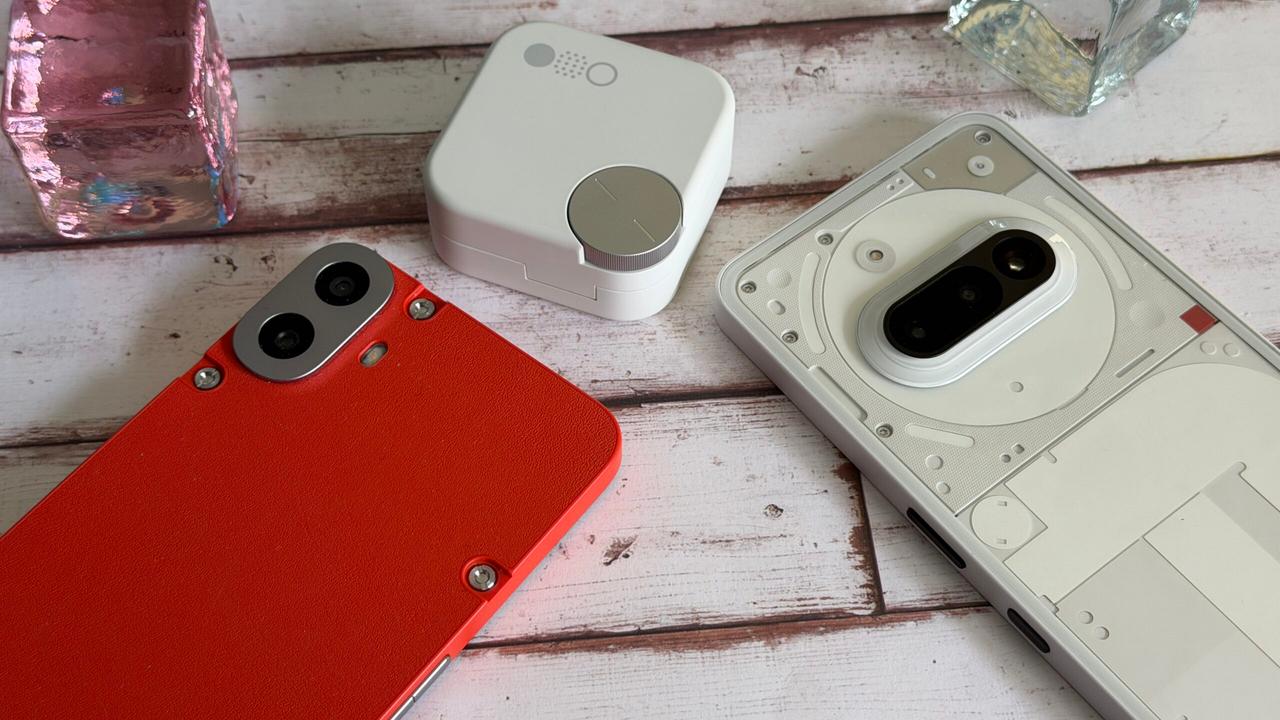
Smart glasses are a hot category for big tech, and Nothing wants a piece of the action. According to a report from Bloomberg, the company best known for its eye-catching audio hardware and Android phones is now considering dipping its toes into AI smart glasses, with plans to launch a pair in the first half of 2027. Nothing's reported smart glasses sound similar to pairs like the Ray-Ban Meta AI glasses Gen 2. They're slated to have cameras, microphones, and speakers; they won't have a built-in display of any kind. Bloomberg says the smart glasses will couple with phones to offer AI featuresâ€"computer vision and the like. Interestingly, the report also says that Nothing wants its smart glasses to "help automate tasks and offer a more personalized experience." What that means in practice is anyone's guess, but it sounds useful in theory? One thing that Nothing might bring to the smart glasses table that sets them apart, though, is its signature design. Nothing's calling card is its use of see-through materials and Teenage Engineering-inspired designâ€"elements that Bloomberg says the company plans to bring to the smart glasses form factor. On paper, smart glasses make sense for Nothing. The company already has its own ecosystem of phones that can power a pair and a unique focus on design that could make the smart glasses more appealing style-wise. It also has long been a formidable presence in wireless audio, which is one of the core capabilities of smart glasses, and that's not even counting its experiments with AIâ€"another key aspect of smart glasses as they're currently envisioned. The issue isn't whether Nothing is well-suited to make a pair of smart glasses, however, it's what will happen in the meantime while it readies a pair. Meta is already pushing forward in the space with several pairs, one of which has a display in the lens, and other titans like Google and Samsung are also in varying stages of launching their own pairs. Even Apple is rumored to be dabbling with the idea of launching smart glassesâ€"one with a display and one without. What I'm getting at is that by the time Nothing's reported smart glasses launch, it might take more than a penchant for design to make them really work or feel worth the expense. Then again, the way things are going with privacy and public perception, thanks largely to Meta, there might not be much of a market for computerized glasses by then anyway.
[4]
Nothing plans to release AI smart glasses next year after CEO Carl Pei changes mind
Nothing seems ready to expand beyond aesthetically niche phones into AI smart glasses. The company initially rejected the idea, but has since opened up to developing more devices as companies like Google and Samsung plan glasses under the Android XR umbrella. According to a report from Bloomberg that cites unnamed industry sources, Nothing has plans to release AI smart glasses in 2027. Prior to that launch window in the first half of next year, the company is still expected to stay on target for more familiar devices, like new earbuds and phones. The report indicates that Nothing's AI glasses would house a microphone, speakers, and cameras. There's nothing stating that the glasses would offer a display. As new as a first-generation device would be for the smartphone manufacturer, this is completely understandable. Bloomberg says Nothing's AI smart glasses are expected to "rely on smartphones and the cloud to handle AI processing," which implies a connected device with an internet connection is needed. It could also mean that Nothing plans to position the glasses as a proprietary companion to its phones. There's little information to predict either. Carl Pei reportedly initially resisted the idea, according to those insider sources. The CEO has since come around to the idea and has told employees that the company is focused on expanding to more devices beyond what it currently offers. The company currently only produces audio devices and Android phones, like its recently announced Nothing Phone 4(a). But the types of phones it produces offer a very unique look, with LED strips strewn across the phones and unique camera setups with rear-facing displays. If Nothing were to develop smart glasses built on an AI assistant/agent, it'd be expected that their design fits into the mold laid by previous releases. That certainly means the market gains a little variety with what could only be a unique look. The market has historically - no matter how short that history is - been utilitarian. Meta only recently announced several new designs to pad out its look options. Of course, there are other entries on the Android XR side of things planned. Samsung's "Galaxy Glasses" were recently leaked following continued reports of Google's own Android XR glasses teasers. Nothing's iteration sounds incredibly similar, following reports that Google's glasses will carry similar hardware. The differentiator will be AI implementation. Android XR will utilize Gemini. Sources have remained quiet on design and software. And as for what the "AI" in these AI smart glasses looks like, Nothing's more recent outlook on using AI agents as opposed to assistants may leave some clues.
[5]
Nothing is eyeing AI smart glasses, too. I'm hoping they're see-through and light up
Are we finally getting transparent glasses with glyph lights on them? Do it, Nothing! The smart glasses race will be white hot next year, and it seems UK-based upstart Nothing wants a piece of the pie, as well. According to Bloomberg, the company is planning to launch AI-powered smart glasses next year, joining the likes of Meta (and soon, Samsung) in the game. A sassy rival to the ubiquitous Meta? "The London-based startup is planning to release the glasses during the first half of 2027, according to people with knowledge of the matter. Nothing is also working on new earbuds for later this year with AI-focused features," says the report. Notably, these smart glasses will skip a built-in display, and will merely put a speaker, mic, and camera assembly on the wearable package. The idea is almost identical to what Meta has done with the Ray-Ban AI glasses, which now come in a prescription-friendly flavor, too. Apparently, Nothing's co-founder and chief, Carl Pei, wasn't too keen on the idea, but subsequently embraced a multi-device strategy. At the moment, the company is mostly focused on smartphones, earbuds, watches, and a small selection of accessories with a distinct look. A brave bet, but not unexpected Nothing is not new to the AI game. On the contrary, it's quite bullish on it. Pei, a former OnePlus executive, recently claimed that AI advancements will make conventional mobile apps a thing of the past. The company recently released a Playground feature that uses AI to let users create their own mini-apps and share them with the community. But smart glasses are an entirely different beast, especially for a small company. Google has repeatedly shown its Android-based smart glasses with some impressive Gemini-powered experiences. Samsung's smart glasses, built on Google's platform, are set to arrive later this year. Meta is the big bad wolf in the field, but Chinese players like Xreal, Rokid, and RayNeo have also done a terrific job lately. Let's see how Nothing manages to stand out, but the design is surely going to be a talking point.
[6]
Nothing Could Launch AI Smart Glasses, New Earbuds in Expansion Push
* Nothing's AI smart glasses are reported to launch in 2027 * The product may not feature AR displays * The brand could also launch AI-powered earbuds this year Nothing is said to be planning an expansion beyond smartphones and audio products. According to a report, the Carl Pei-led brand is developing a pair of artificial intelligence (AI)-powered smart glasses. The product is expected to launch in the first half of 2027 and will be equipped with cameras, microphones, and speakers. Apart from this, Nothing is reportedly working on a new pair of AI-focused earbuds that could debut later this year. Nothing's AI-Powered Smart Glasses, Earbuds The Nothing smart glasses will rely on smartphones and cloud processing for AI functionality, like other offerings from its competitors, according to a report by Bloomberg's Mark Gurman. Citing sources familiar with the matter, the journalist said that the product will focus more on delivering a more personalised experience by automating tasks, rather than featuring full augmented reality (AR) capabilities. Per Gurman, Nothing's smart glasses may not include AR displays, although it remains a "long-term" goal for the category in general. The report adds that Nothing CEO Carl Pei was initially hesitant about entering the smart glasses segment. However, the executive is now said to be pushing a multi-device strategy, signalling a shift in the company's long-term vision. Nothing's approach to smart glasses is expected to align with its distinctive design philosophy, Gurman said. The move comes as competition in the smart glasses segment intensifies, with companies like Google, Apple, and Meta exploring or expanding their presence in the space. Meta introduced several AI-powered glasses in 2025, including a pair equipped with displays, dubbed Meta Ray-Ban Display. It also recently debuted the prescription-first smart glasses, featuring the same core feature set as the standard product. Apple is expected to introduce its first offering in the smart glass segment, with a product that is reportedly internally codenamed "N50." Instead of being a standalone device, the Cupertino-based tech giant's N50 glasses may connect wirelessly to an iPhone, offloading compute-intensive tasks while the glasses themselves handle data capture and lightweight functions. Apart from this, Nothing is reportedly working on a new pair of AI-focused earbuds that could debut later this year. These are expected to build on Nothing's existing audio lineup while integrating more intelligent features. Details about the product, however, remain under wraps.
Share
Share
Copy Link
London-based hardware company Nothing is developing AI-powered smart glasses for release in the first half of 2027, according to Bloomberg. The company will also launch AI-featured earbuds later this year. CEO Carl Pei, initially resistant to the idea, has now embraced a multi-device strategy to compete with major tech companies like Meta, Google, Samsung, and Apple in the emerging smart glasses market.
Nothing, the London-based hardware startup valued at $1.3 billion, is preparing to release AI-powered smart glasses in the first half of 2027, according to a Bloomberg report citing anonymous sources
2
. The move marks a strategic pivot for CEO and co-founder Carl Pei, who was initially resistant to the idea but has since told employees he wants to focus on a multi-device strategy that expands beyond the company's existing smartphones and audio gear1
.
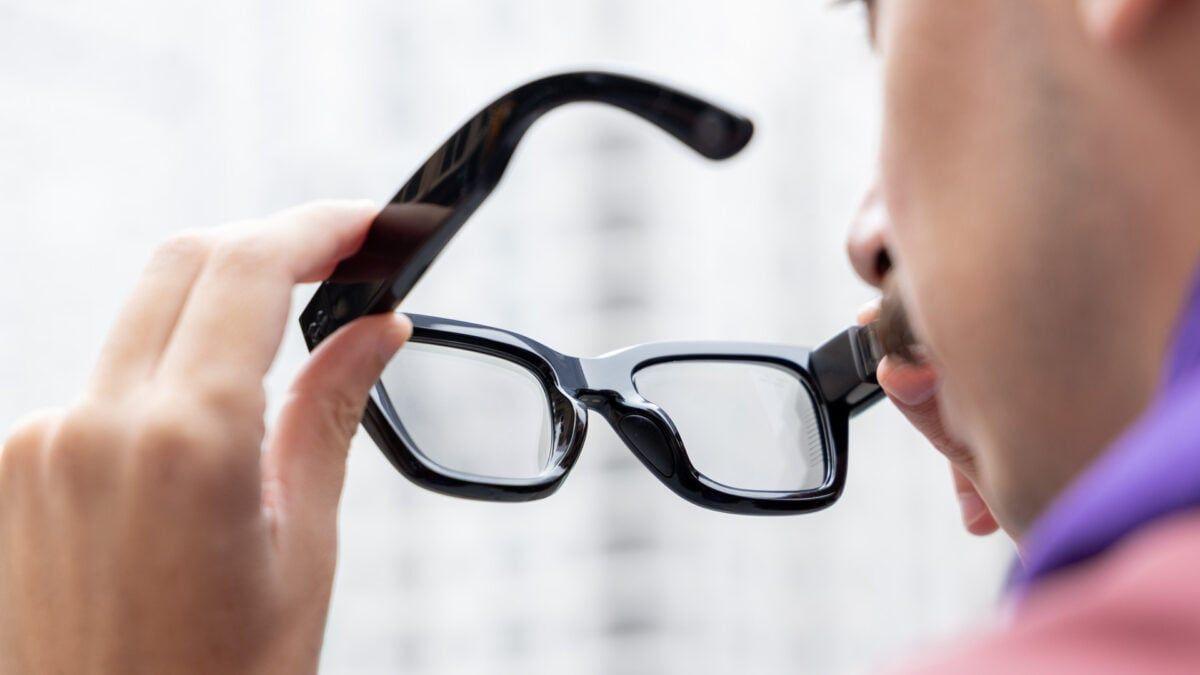
Source: Gizmodo
The AI-enhanced smart glasses will feature cameras, microphones, and speakers, but won't include built-in displays like augmented reality headsets
2
. Instead, they will rely on smartphones and cloud computing to handle AI processing, designed to help automate tasks and offer a more personalized user experience4
. This approach mirrors Meta's Ray-Ban AI glasses strategy, positioning Nothing's device as a connected companion rather than a standalone product.Before the smart glasses debut, Nothing plans to release AI-featured earbuds later this year, continuing the company's track record in wireless audio hardware
1
. Last year, Pei told TechCrunch the company planned to release its first AI device in 2026, though he didn't specify what kind of device it might be. The earbuds represent Nothing's first step into AI-focused wearables, building on its formidable presence in the audio category3
.Nothing has already integrated AI throughout its operating system, letting it handle tasks such as analyzing voice memos and screenshots
2
. The company recently launched a tool that lets users create mini apps and home screen widgets using AI prompts, which can be shared with other Nothing users.Nothing is known for its distinctive aesthetic, with Android phones featuring LED lights and transparent backs, and headphones with square-shaped ear pads. The company plans to apply that same unique design approach to the smart glasses, according to sources familiar with the matter
2
. This design philosophy, inspired by Teenage Engineering, has helped Nothing develop a niche following among tech enthusiasts and developers despite accounting for only a tiny share of the smartphone market1
.
Source: 9to5Google
Related Stories
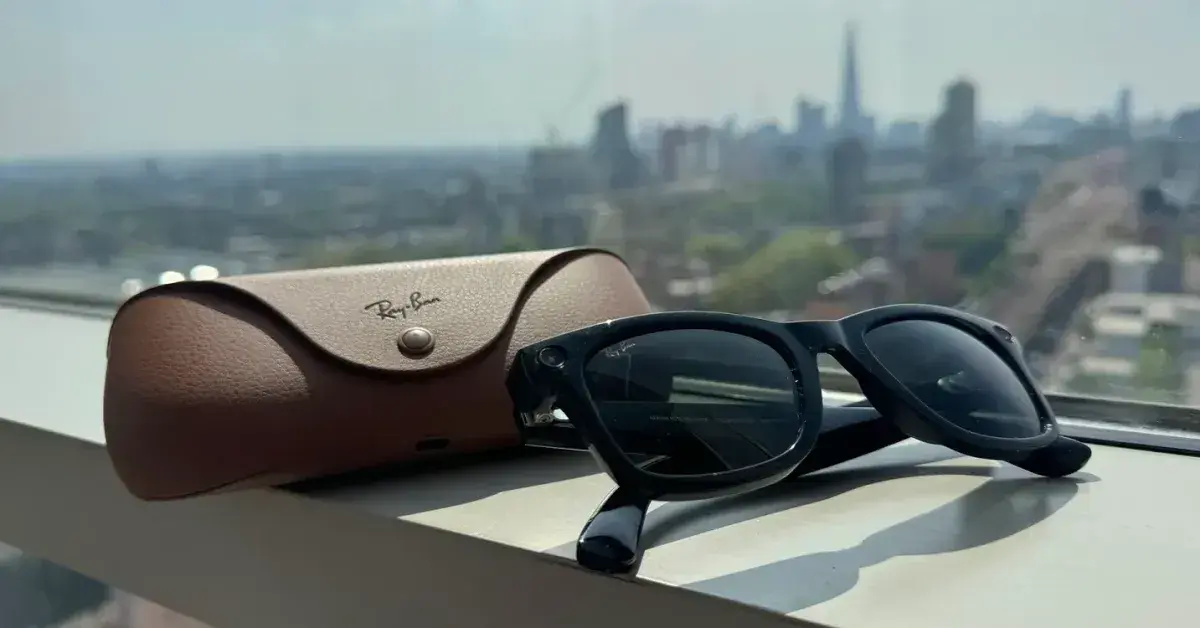
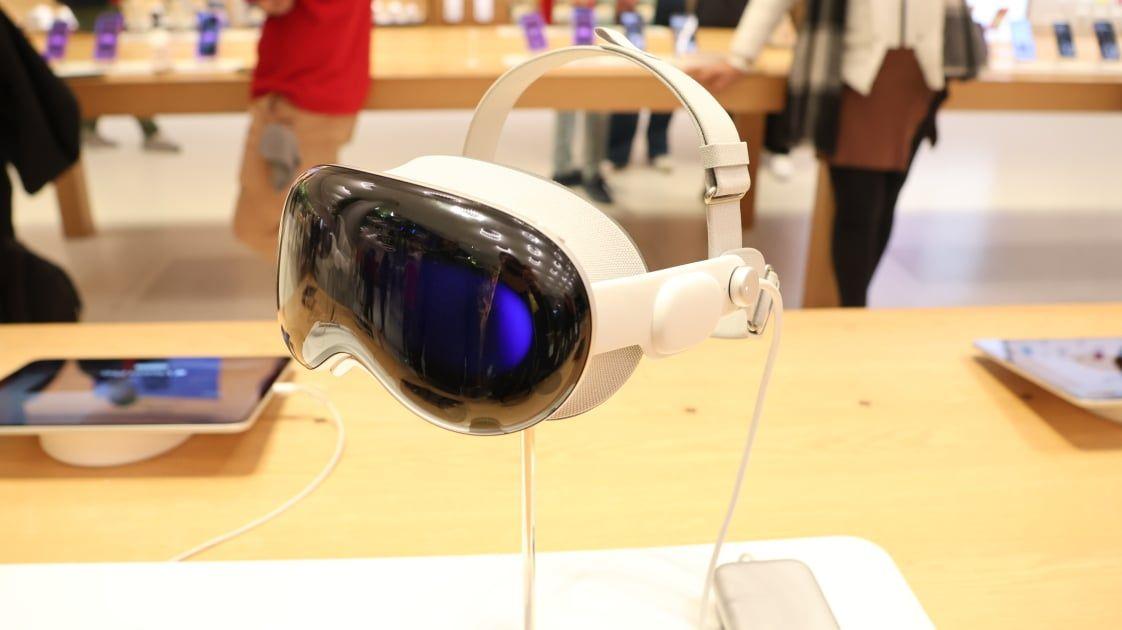
Nothing will compete with major tech companies already established or entering the smart glasses space. Meta has launched multiple versions of its smart glasses and recently announced new Ray-Ban models that support prescription lenses
1
. Google and Samsung are planning to roll out their glasses in the Android XR space this year, utilizing Gemini for AI implementation4
. Apple is also rumored to release smart glasses early next year, featuring computer-vision cameras that feed data into the Siri digital assistant2
.The timing presents both opportunity and challenge. By the first half of 2027, the market will be significantly more crowded, and it may take more than design innovation to make Nothing's glasses compelling
3
. Privacy concerns surrounding smart glasses, largely driven by Meta's products, could also impact market reception.Nothing became a unicorn last year after raising a $200 million Series C round at a $1.3 billion valuation, with backers including GV (formerly Google Ventures) and Qualcomm Ventures
2
. The company recently released two new phones, a low-end 4a and mid-tier 4a Pro, with positive reception due to pricing and design2
.
Source: TechCrunch
Pei, co-founder of popular China-based brand OnePlus owned by Oppo, has repeatedly stated that Nothing needs to innovate on both hardware and software fronts, leveraging AI to stand out in markets dominated by Apple, Samsung, and Google
1
. The company has focused on growing in emerging markets including India and parts of Europe, though it hasn't made significant inroads in the US2
.Summarized by
Navi
1
Policy and Regulation

2
Technology

3
Technology