Nvidia Commits Billions to Expand AI Infrastructure Supply Chain Through 2028


5 Sources
[1]
Nvidia is bankrolling AI accelerator supply chain buildout to reserve production capacity -- announces billion-dollar deals with six major suppliers across substrates, advanced packaging, semiconductor testing, and optical engines
On October 21, during GTC Berlin, Nvidia announced several massive, multi-billion-dollar deals with supply chain partners across substrates, advanced packaging, semiconductor testing, and optical engines to expand production capacity. Aimed at overcoming severe bottlenecks restricting the current
[2]
To help world gorge on GPUs, Nvidia brings cash bucket to fatten wafer-thin supply chain
Signs Samsung to build substrates, bolsters spend with other players Nvidia has decided that its future prospects rest on an improved silicon substrate and packing supply chain, so has dipped into its giant pile of cash to ensure it can get the parts it needs by ensuring its suppliers have the
[3]
NVIDIA and Supply Chain Partners Expand Capacity to Accelerate AI Infrastructure Buildout
New Capacity Agreements and Manufacturing Facilities to Support Volume Growth and Strengthen Supply Chain Resiliency * Substrate agreements with IBIDEN, Samsung Electro-Mechanics and Unimicron Technology Corporation will, in aggregate, drive a 2.5x increase in capacity over the next three
[4]
Nvidia broadens ties with Korean component makers - The Korea Times
LG Innotek develops sensing solutions while Samsung Electro-Mechanics ramps up substrate production Nvidia is expanding partnerships with domestic component makers LG Innotek and Samsung Electro-Mechanics, strengthening its supply chain for physical artificial intelligence (AI) applications and
[5]

NVIDIA and Supply Chain Partners Expand Capacity to Accelerate AI Infrastructure Buildout
New Capacity Agreements and Manufacturing Facilities to Support Volume Growth and Strengthen Supply Chain Resiliency NVIDIA today announced plans with a group of supply chain partners to expand global manufacturing capacity to meet growing demand for its accelerated computing and full-stack AI
Share
Copy Link
Nvidia announced multi-billion-dollar deals with six major suppliers at GTC Berlin to expand AI accelerator supply chain capacity through 2028. The agreements target 2.5x substrate capacity expansion, 300% advanced packaging increase, and doubled semiconductor testing capabilities to address critical bottlenecks constraining AI infrastructure buildout.
Nvidia Tackles AI Infrastructure Constraints with Multi-Billion Dollar Supply Chain Investments
Nvidia announced sweeping supply chain expansion deals at GTC Berlin on October 21, committing billions to secure production capacity through 2028 across substrates, advanced packaging, semiconductor testing, and optical engines
1
3
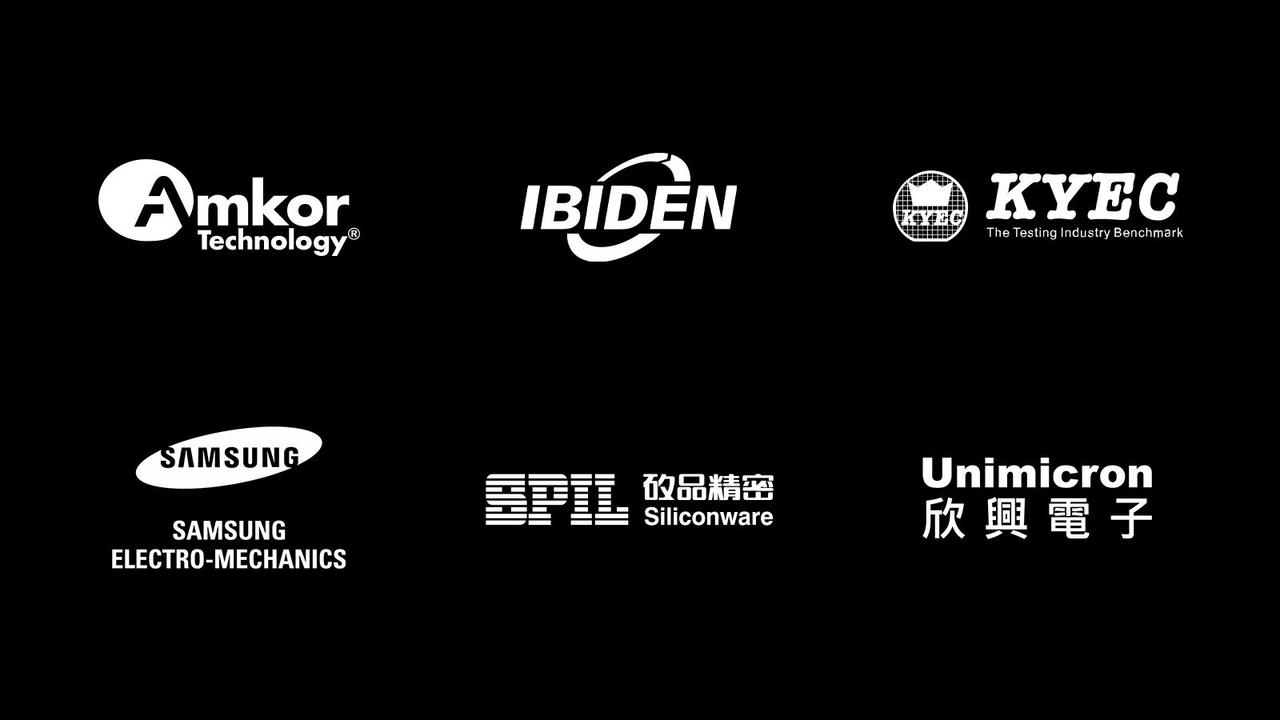
. The chipmaker partnered with Amkor Technology, IBIDEN, King Yuan Electronics (KYEC), Samsung Electro-Mechanics, Siliconware Precision Industries (SPIL), and Unimicron Technology Corporation to accelerate AI infrastructure buildout and strengthen supply chain resiliency3
. Jensen Huang framed the urgency plainly: "We are in the midst of the largest infrastructure buildout in human history. Demand is extraordinary. Capacity is the constraint"1
3
.
Source: NVIDIA
Substrate Capacity Expansion Targets 2.5x Growth by 2028
Nvidia plans to increase substrate capacity for its products by 2.5x over the next three years through agreements with three of the world's five largest substrate manufacturers
1
3
. The company is providing a multibillion-dollar capacity reservation advance to support IBIDEN's Ono Plant in Japan, targeting 3x current capacity levels with additional production expected to begin ramping in the first quarter of 20283
. Samsung Electro-Mechanics joined Nvidia's AI accelerator supply chain, bringing immediate capacity from existing South Korean operations while supporting facility upgrades and new factories in Sejong and Busan3
4
. By 2028, production allocated to Nvidia is projected to account for a significant portion of Samsung Electro-Mechanics' total annual package substrate production capacity, with double-digit average annual growth expected from 20264
. Unimicron's KF substrate manufacturing expansion in Taiwan, supported by Nvidia's capacity reservation agreement, is expected to begin adding capacity in Q2 2027 and reach full capacity by mid-20283
. Fubon Research estimates Nvidia will supply around 12.4 million data center AI GPUs in 2028, up from a projected 8.2 million in 2026, with each requiring a substrate layer1
.Advanced Packaging and Testing Capacity Set for Dramatic Increases
Nvidia and Amkor plan to expand advanced packaging capacity in South Korea, targeting a greater than 300% increase in interposer wafer capacity by the end of 2028
1
3
. The planned capacity expansion will support higher production volumes for Nvidia's current and next-generation platforms3
. On semiconductor testing, Nvidia expects its total capacity to double from calendar 2026 to 2027, supported by buildouts in the U.S., Taiwan, and Singapore3
. The company is investing $1.1 billion to reserve capacity from KYEC, the world's largest semiconductor testing company, which currently handles nearly all of Nvidia's chip testing1
3
. This $1.1 billion capacity reservation advance will support new U.S. testing facilities and equipment, with high-volume production targeted for April 20273
. Expanded testing operations in Singapore are expected to begin high-volume production in February 20273
.
Source: The Register
Related Stories
Co-Packaged Optics Capacity Targets 15x Expansion to Support Next-Generation Connectivity
Nvidia and SPIL plan to expand manufacturing capacity in Taiwan for optical engines used in co-packaged optics, targeting a 15x increase by mid-2027 with aims for another doubling by the end of 2028
1
3
. As next-generation speeds surpass 224 Gbps per lane, traditional copper traces consume considerable power to move data even a few inches from the processor to the board edge1
. The expansion supports growing connectivity requirements of large-scale computing infrastructure as the AI hardware supply chain evolves to meet data center demands3
.Strategic Implications Signal Long-Term AI Infrastructure Commitment
The announcement of these deals at GTC Berlin is somewhat novel, suggesting Nvidia feels the need to demonstrate to investors that it is working to ensure it can meet demand for its products and that demand will persist for years
2
. Nvidia currently leads the AI chip market by a considerable margin, with its accelerators sitting in a vast majority of AI data centers globally1
. These deals target major bottlenecks in the AI chip supply chain, suggesting Nvidia doesn't plan to relinquish its position soon1
. Beyond GPU production, LG Innotek unveiled sensing solutions incorporating Nvidia's Holoscan Sensor Bridge technology at GTC, targeting applications in physical AI and robotics, reflecting growing demand for advanced sensing technologies as AI expands into physical environments4
. The scope and timeline of these commitments through 2028 signal Nvidia's confidence that AI supercomputing systems demand will remain robust, positioning the company to maintain its dominance while competitors face the same capacity constraints Nvidia is actively addressing.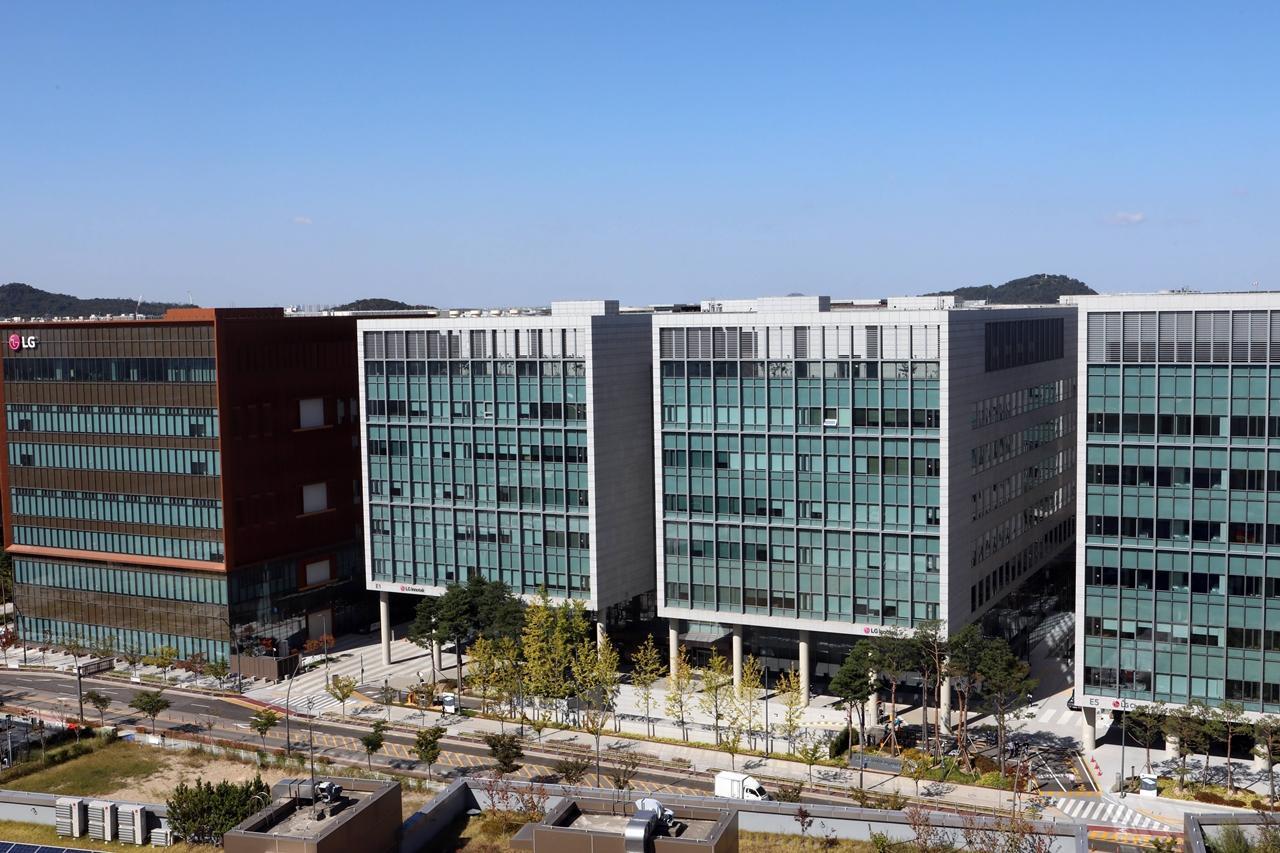
Source: Korea Times
References
Summarized by

Navi
[2]
Related Stories
Nvidia Becomes Top VC Investor While Mobilizing $500 Billion to Finance AI Infrastructure Boom
12 Sept 2026•Business and Economy
Nvidia Supplier Ibiden Considers Accelerating Expansion to Meet Surging AI Chip Demand
30 Dec 2024•Business and Economy

Nvidia CEO warns TSMC must double capacity as AI demand threatens to overwhelm chip supply
01 Feb 2026•Business and Economy

Recent Highlights
1
Jensen Huang's Affair with Suspected Chinese Spy Exposes $7 Billion AI Chip Smuggling Network
Policy and Regulation

2
Anthropic Launches Claude Meetings and AI-Powered Office Tools to Challenge Microsoft and Google
Technology

3
Anthropic launches Fable 5.2 and Mythos 5.2 with 20% price cut and 30% faster output
Technology

Recent Highlights
Today's Top Stories








Don’t drown in AI news. We cut through the noise - filtering, ranking and summarizing the most important AI news, breakthroughs and research daily. Follow topics that matter to you and stay ahead.


