Nvidia eyes 130+ telecom buildings for AI data centers to deliver 1 gigawatt compute capacity


4 Sources
[1]
Nvidia wants to repurpose over 130 old telco buildings as tiny data centers, report claims -- company in talks with Brightspeed after pitching idea to parent company Apollo Global Management
Is it faster to repurpose multiple small sites than to build one massive data center? Internet and telecommunications provider Brightspeed is reportedly in talks with Nvidia to convert several of its buildings into tiny data centers. According to The Information, Nvidia pitched the idea to Apollo
[2]
Nvidia finds another way to deploy its next-generation AI chips
* Nvidia wants to convert more than 130 existing telecom properties to data centers * Brightspeed's struggling business could become central to Nvidia's expansion strategy * The proposed network could extend across as many as 20 states Nvidia is exploring an unusual route into the AI
[3]
Nvidia eyes 130 Brightspeed telecom sites for AI data centers
Nvidia is exploring the conversion of more than 130 Brightspeed telecom properties into compact artificial intelligence data centers, with renovations potentially starting in the first quarter of 2027. The proposal involves Apollo Global Management, which backs broadband operator Brightspeed, and
[4]
Nvidia reportedly eyes 130 mini data centers: former telecom sites could speed AI expansion
Brightspeed buildings could form a 1GW distributed AI inference network Nvidia is reportedly looking at a US expansion plan with telecom company Brightspeed, using more than 130 former telecom buildings around the country as small data centers. The pitch is pretty simple: reuse sites that already
Share
Copy Link
Nvidia is negotiating with Brightspeed to transform over 130 existing telecom buildings across 20 US states into compact AI data centers. The proposal could deliver 1 gigawatt of compute capacity and accommodate more than 2,200 Supermicro Vera Rubin NVL72 racks, offering a faster alternative to building new facilities from scratch.
Nvidia Pitches Telecom Building Conversion to Apollo Global Management
Nvidia has approached Apollo Global Management with a proposal to repurpose telecom buildings into AI data centers, specifically targeting properties owned by Brightspeed, Apollo's broadband operator subsidiary
1
. Following initial discussions with Apollo executives, Brightspeed received a written proposal from Nvidia and has been asked to provide additional information, data, and site visits to evaluate the feasibility of converting existing infrastructure2
. The telecommunications company operates around 130 buildings spread across approximately 20 states, many already equipped to handle data and voice traffic with the necessary power infrastructure to support Nvidia servers3
. This strategic move comes as Brightspeed reportedly faces financial difficulties and is close to bankruptcy, making the timing potentially advantageous for both parties2
.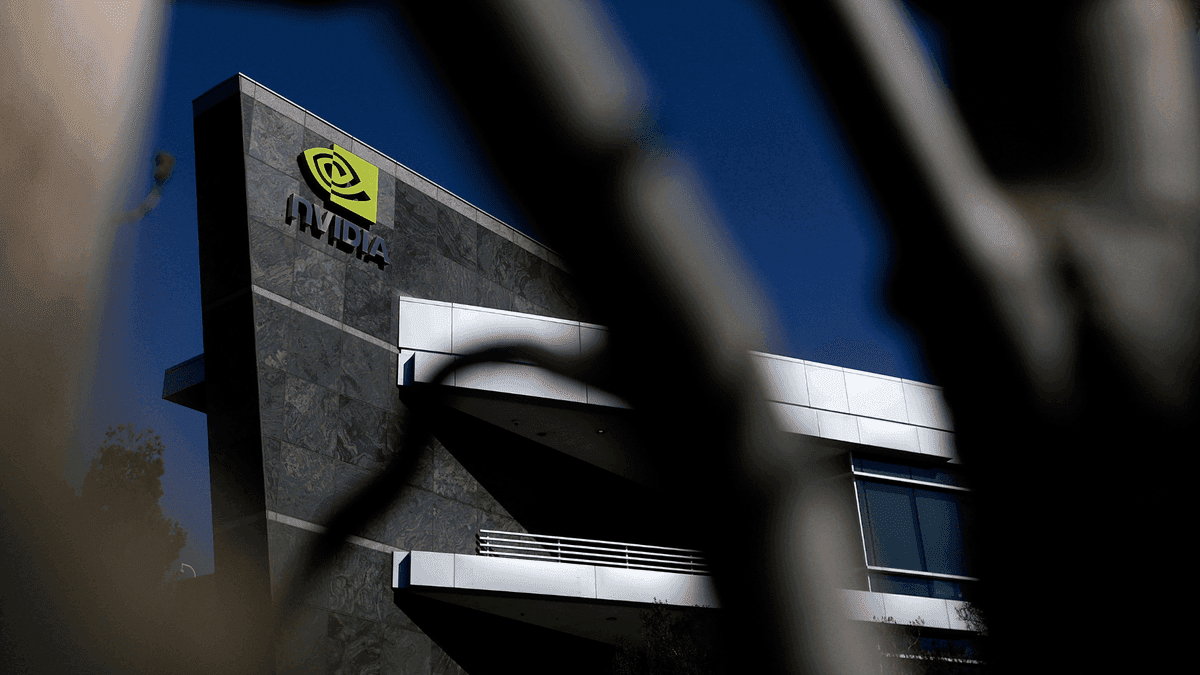
Source: Tom's Hardware
Brightspeed Telecom Sites Could Deliver 1 Gigawatt AI Compute Capacity
The collective electrical capacity of Brightspeed's properties totals approximately 1 gigawatt, which Nvidia estimates could accommodate more than 2,200 Supermicro Vera Rubin NVL72 racks
1
. Each rack would contain 72 Rubin GPUs and 36 Vera CPUs, representing substantial AI infrastructure deployment using next-generation AI chips4
. While these Brightspeed telecom sites already possess the power capacity to run Nvidia servers, they're not plug-and-play solutions. Significant upgrades remain necessary, including installing cooling systems, power conditioning equipment, and other supporting architecture1
. These modifications would still require permits and approval from local governments, though the process would likely encounter less red tape and community opposition compared to constructing data centers from scratch1
. Datum Chief Executive Zac Smith noted that older telecom buildings can "unlock underutilized power," though he cautioned that aging equipment may increase operating costs and require additional maintenance and replacement work3
.Distributed AI Inference Network Strategy Emerges
Nvidia representatives have described these smaller facilities working together as a distributed AI inference network rather than massive training clusters
1
. The facilities would be designed primarily to run AI models after their initial training, using systems based on the Vera Rubin platform, rather than operating as large-scale training campuses3
. This distributed setup would handle live AI requests closer to users, offering more flexibility than relying on a few delayed hyperscale facilities4
. The approach becomes particularly important as AI agents, which consume five to ten times more tokens than humans, gain popularity1
. Potential users could include OpenAI, Anthropic, and SpaceX, though no confirmed discussions about this specific network have been established3
. Having multiple small data centers has been under consideration by companies like OpenAI and Anthropic, especially as larger facilities face delays and community backlash1
.Related Stories

Apollo's AI Hardware Investment Creates Strategic Alignment
Apollo Global Management has already committed to significant AI infrastructure investments, including a $40 billion deal with SpaceX that would provide around 360,000 Vera Rubin GPUs across 5,000 NVL72 racks
1
. While ownership of AI chips installed in Brightspeed facilities remains unclear, the proposal could help Apollo find locations for ordered Nvidia hardware and get systems operational quickly1
. This represents a faster solution than waiting years for new data center approvals while facing community resistance even after receiving government authorization1
. Nvidia has reportedly discussed beginning renovations with suppliers during the first quarter of 20272
. However, key commercial details remain unresolved, including how many properties would ultimately be converted and which customers would lease AI compute capacity3
.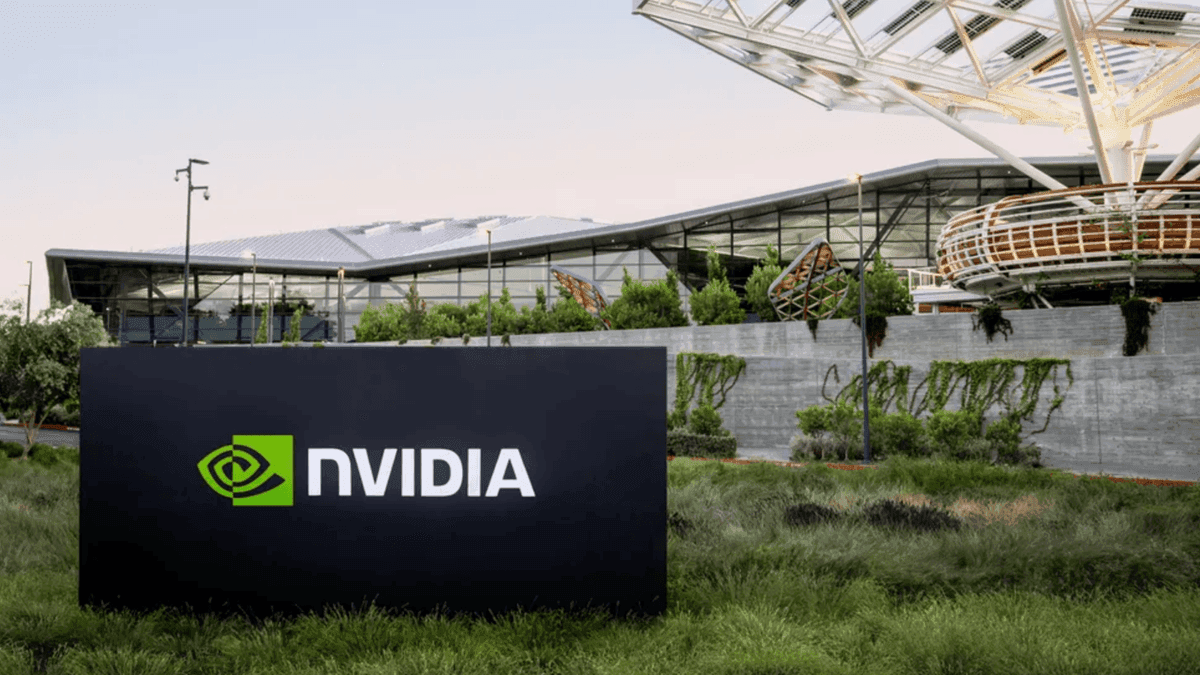
Source: TechRadar
Data Center Opposition Drives Alternative Infrastructure Approaches
The strategy to repurpose telecom buildings gains urgency amid growing political resistance to new data center construction. Americans overwhelmingly voted against data centers during midterm elections, resulting in more than 300 data center bans enacted across the United States
1
. While these bans have only delayed three existing projects so far, concerns persist that moratoriums will make starting new developments increasingly difficult and challenge AI companies' ability to secure necessary AI compute capacity1
. Political calls for temporary restrictions have emerged from Democratic candidates in states including Texas2
. Retrofitting existing properties may face fewer planning obstacles than entirely new developments, though local approvals would still be required for cooling equipment and other upgrades2
. The proposal to repurpose telecom buildings has received renewed attention as companies seek alternatives to traditional AI infrastructure development1
. Nvidia shares fell more than 9% in Thursday trading, their largest daily decline since January 2025, amid broader chip stock retreat as investors assessed regulatory uncertainty surrounding computing developments3
.References
Summarized by

Navi
Related Stories
Nvidia invests $1.5B in SB Energy, backs OpenAI's Ohio data center with $105B guarantee
15 Aug 2026•Business and Economy
Nvidia DSX Platform Drives 40% Energy Efficiency Gains as Power Becomes AI Infrastructure's Biggest Constraint
16 Sept 2026•Technology
Nvidia DSX POD Slashes AI Factory Deployment From 6 Months to Just 14 Days With Vera Rubin Racks
21 Oct 2026•Technology

Recent Highlights
1
Anthropic AI Development Doubles Speed as Self-Improving Systems Near Breakthrough
Technology

2
Google's AI Policy Forces Schools to Accept AI Overviews or Lose Search Access Entirely
Technology

3
Nvidia Opens Investigation as Jensen Huang Faces Chinese Spy Allegations Linked to $2B Chip Smuggling
Policy and Regulation
Recent Highlights
Today's Top Stories







Don’t drown in AI news. We cut through the noise - filtering, ranking and summarizing the most important AI news, breakthroughs and research daily. Follow topics that matter to you and stay ahead.


