Mystery reviewer tests Nvidia RTX Spark prototype in Microsoft Surface Laptop Ultra


3 Sources
[1]
Mystery reviewer 'finds' Nvidia RTX Spark prototype laptop and puts it through its paces -- Microsoft Surface Laptop Ultra with Nvidia N1X chip shows promise, though prototype warts are still quite visible
The machine displays potential, but it definitely needs to be in the oven a good while longer. Everyone loves previews of pre-release hardware that just happened to fall off the back of a truck -- particularly when it's a piece of kit that's been lighting up news headlines. Fouquin, a TechPowerUp
[2]
Tech enthusiast finds RTX Spark-powered Microsoft Surface Laptop Ultra, delivers first 'review'
In a forum post titled 'I've Spent A Month With NVIDIA's RTX Spark in Microsoft's Surface Laptop Ultra,' a TechPowerUp forum user by the name of Fouquin details how they've been in possession of an RTX Spark-powered Microsoft Surface Laptop Ultra laptop for about a month. With that, they're ready
[3]
NVIDIA RTX Spark Shows Strong Potential, But Early Prototype Leaves Plenty Of Performance On The Table
The NVIDIA N1X is surely powerful enough for the Windows-on-Arm market, but the current prototype software prevents it from reaching its full potential. User Puts Microsoft's Unreleased NVIDIA N1X-Equipped Surface Laptop Ultra To Test; Discovers Chip Being Held Back by Unfinished Drivers The
Share
Copy Link
A TechPowerUp forum user spent a month with an unreleased Microsoft Surface Laptop Ultra powered by Nvidia's RTX Spark N1X chip. The pre-release AI hardware prototype showed potential but suffered from immature drivers, GPU stuttering, and power management issues. Performance fell short of the promised RTX 4070 levels, landing closer to RTX 3060 Ti territory.
Early Look at Nvidia RTX Spark Reveals Untapped Potential
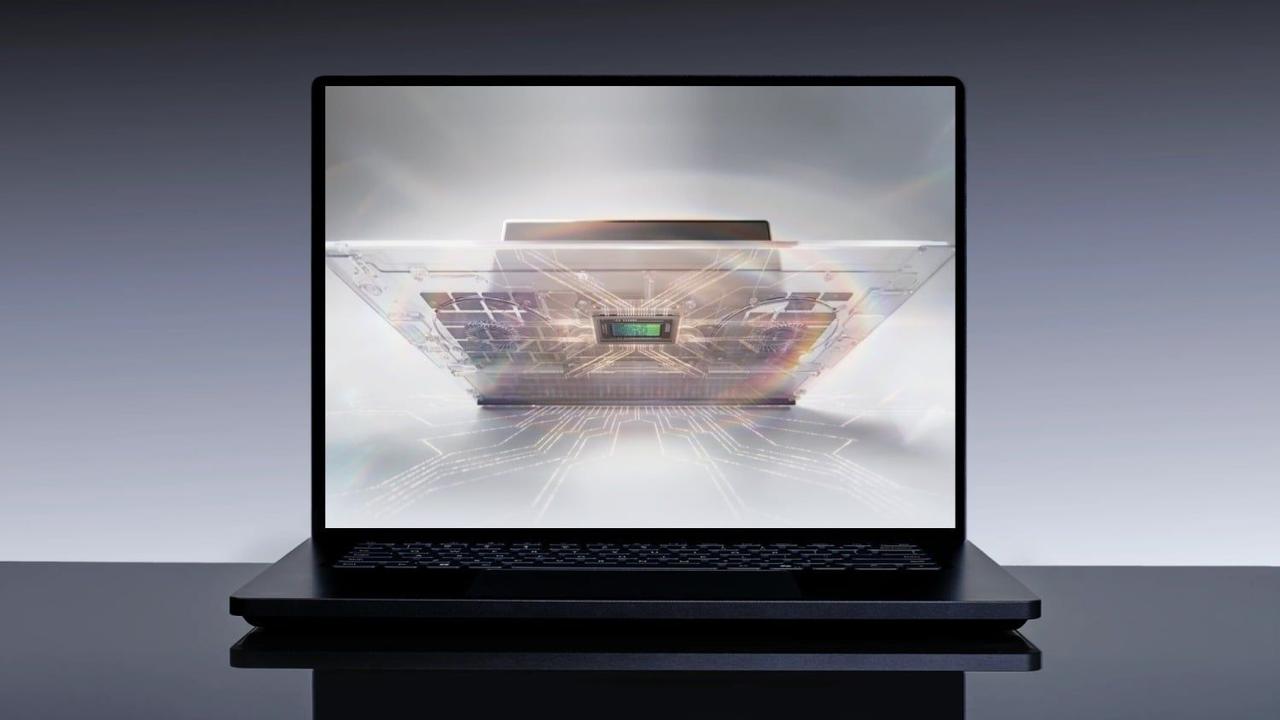
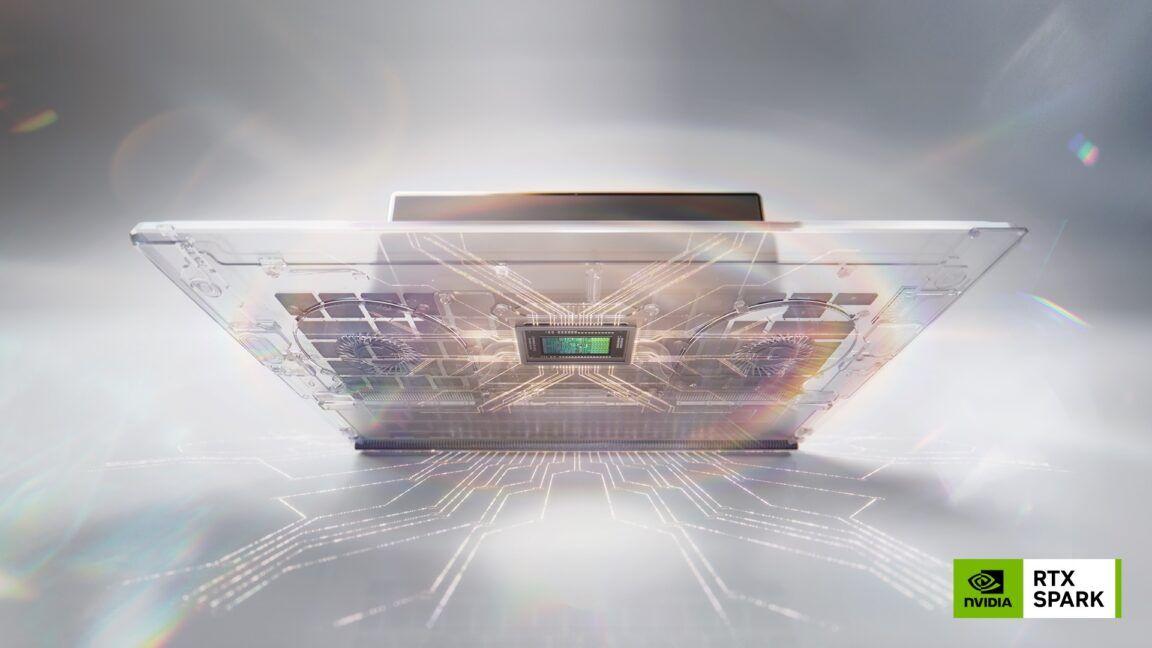
A TechPowerUp forum user named Fouquin has delivered the first hands-on review of an unreleased Microsoft Surface Laptop Ultra powered by the Nvidia RTX Spark N1X chip, offering a glimpse into what could become a significant player in the AI laptop market
1
. After spending a month with this RTX Spark prototype laptop, the reviewer shared detailed benchmarks and observations that paint a picture of hardware with strong fundamentals but software that needs considerable refinement before launch2
.
Source: TweakTown
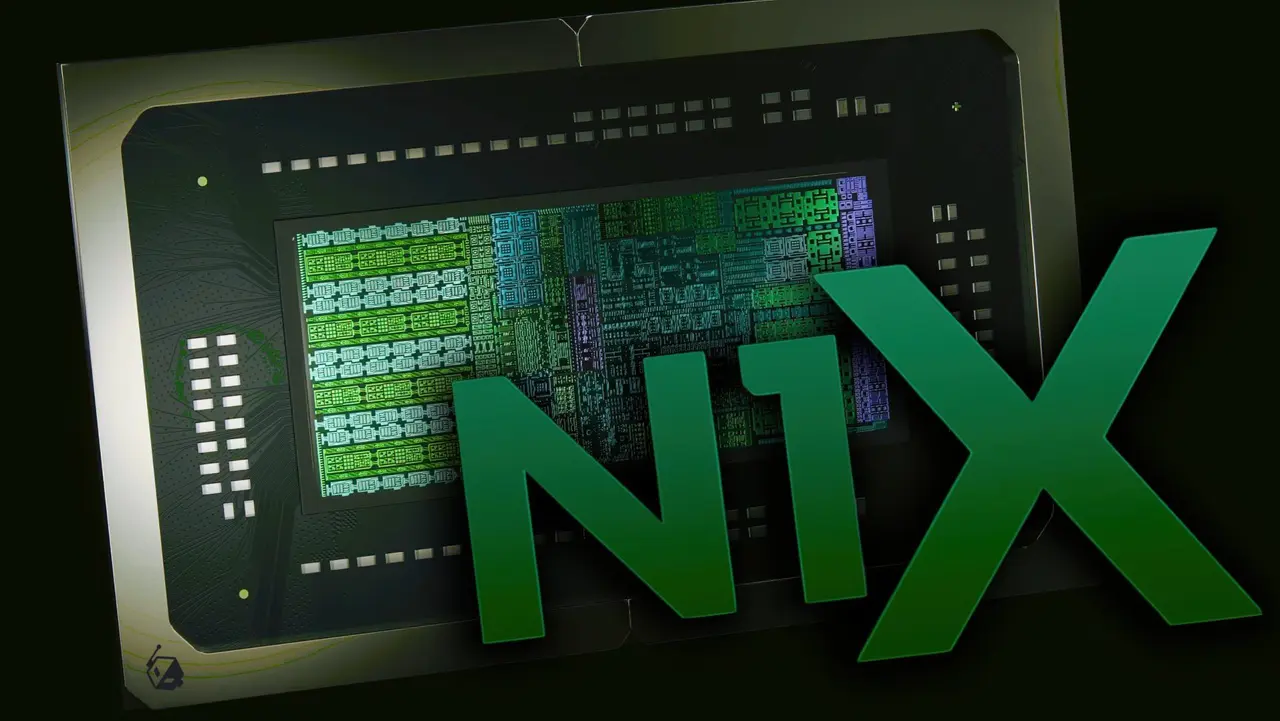
Formally announced at Computex 2026, the Nvidia N1X chip represents a new approach to AI-ready Windows on Arm laptops, combining 10 MediaTek-designed Arm-based CPU cores in a 5p5e configuration with multi-threading for 20 threads total, alongside a Blackwell GPU featuring 6,144 CUDA cores
1
. The AI-focused chip can support up to 128 GB of unified memory, though the tested prototype came equipped with only 24 GB1
.
Source: Wccftech
Performance Falls Short of RTX 4070 Promises
The Nvidia N1X chip was reportedly designed to deliver GPU performance equivalent to a desktop RTX 4070 or mobile RTX 5070, positioning it as a direct competitor to Apple's MacBook Pro lineup
1
. However, actual testing revealed a different story. Running 3DMark benchmarks, the Port Royal test delivered 26-31 FPS on older drivers, while Steel Nomad achieved 20-22 FPS—results that align more closely with a desktop RTX 3060 Ti than the promised RTX 40702
.The Cinebench 2024 multi-threaded CPU test produced a score of 1,386 points, trailing behind the 12-core MacBook M4 Pro, while Cinebench 2026 yielded 5,771 points, falling behind the Apple M4 Max
1
. These numbers suggest the prototype was significantly constrained by software limitations rather than hardware deficiencies.Immature Drivers and Power Management Issues Plague Testing
Fouquin tested the device with two driver versions: the ancient 591.33 Game Ready drivers from November 2025 and the newer 616.00 preview drivers that added CUDA 13.4, OpenGL, and Vulkan support
3
. Paradoxically, the newer drivers actually degraded performance in several tests while increasing idle power consumption1
.The pre-release AI hardware prototype exhibited erratic power management behavior, with the TDP spending and power plans functioning inconsistently
1
. Most concerning was the GPU stuttering issue, with clock speeds fluctuating between 1.5 GHz and 2.3 GHz, causing multi-second frame stutters during gaming3
. Performance remained virtually unchanged whether running on battery, a 64W power limit, or a 105W limit, indicating fundamental power constraint issues3
.Related Stories

AI Workloads Show Mixed Results
Though Fouquin admitted to not being an AI specialist, they attempted to run the Phoronix AI test suite to evaluate the chip's intended use case
1
. The results were disappointing: despite shipping with CUDA 13.4 support, CUDA acceleration failed across the Phoronix AI test suite, with workloads timing out before falling back to Vulkan Compute3
. The Vulkan tests completed successfully but produced modest scores, suggesting the AI workloads capabilities remain largely untapped due to software immaturity3
.Hardware Quality Impresses Despite Software Struggles
Beyond the performance metrics, Fouquin praised the Microsoft Surface Laptop Ultra's physical attributes, including its high build quality, keyboard feel, touchpad input, and display quality
1
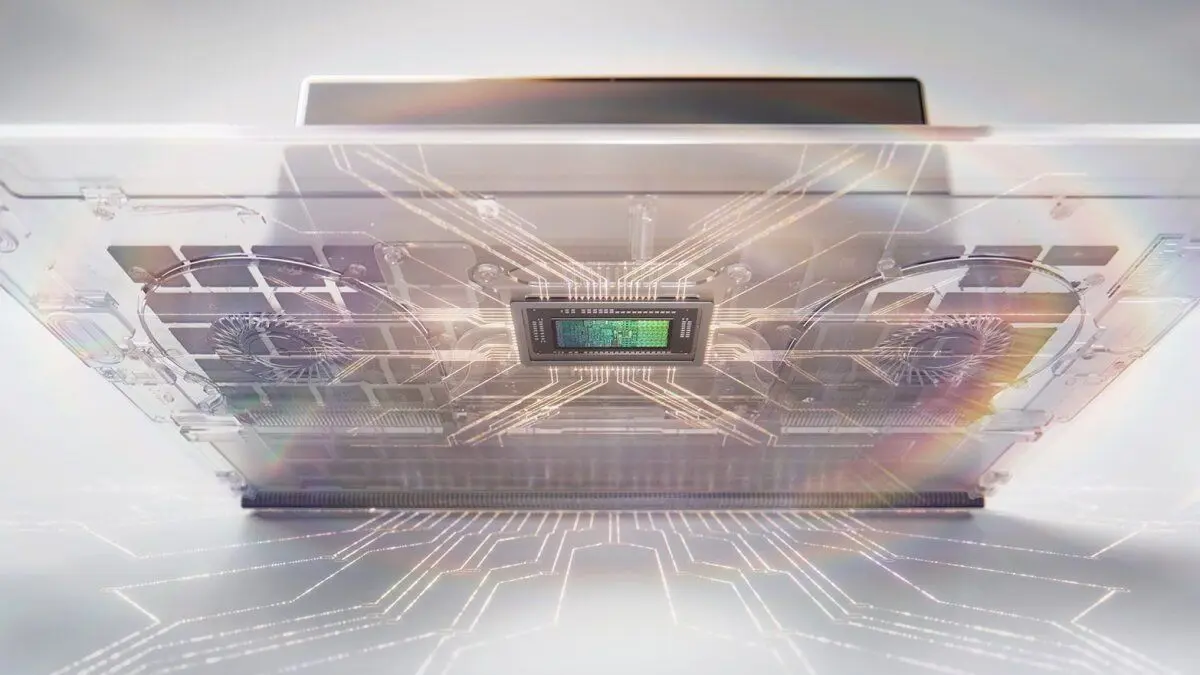
. The device features a 3270x2180 (3:2) panel, though G-SYNC functionality and local dimming were not working properly in this prototype2
.
Source: Tom's Hardware
However, serviceability concerns emerged when Fouquin opened the device. While technically serviceable, "many snap-on thin aluminum sheet panels covering all the primary components (even encasing the SSD) means actually attempting to service the laptop will lead to much bending and/or breaking"
1
.With the first batch of RTX Spark laptops expected to launch in Fall 2026, Nvidia and Microsoft have several months to address these software and driver issues
2
. The consensus among observers is that much of the untapped performance stems from immature firmware and drivers rather than fundamental hardware limitations3
. Whether these issues can be resolved before the official release will determine if Nvidia RTX Spark can truly compete in the premium AI laptop market against established players like Apple's M-series chips.🟡 digging_deeper_information=🟡None🟡, selected_images=🟡ar-151144, ar-150739, ar-150738References
Summarized by

Navi
[2]
Related Stories
Nvidia RTX Spark redefines AI PC as on-device powerhouse challenging Apple and Qualcomm
20 Jun 2026•Technology
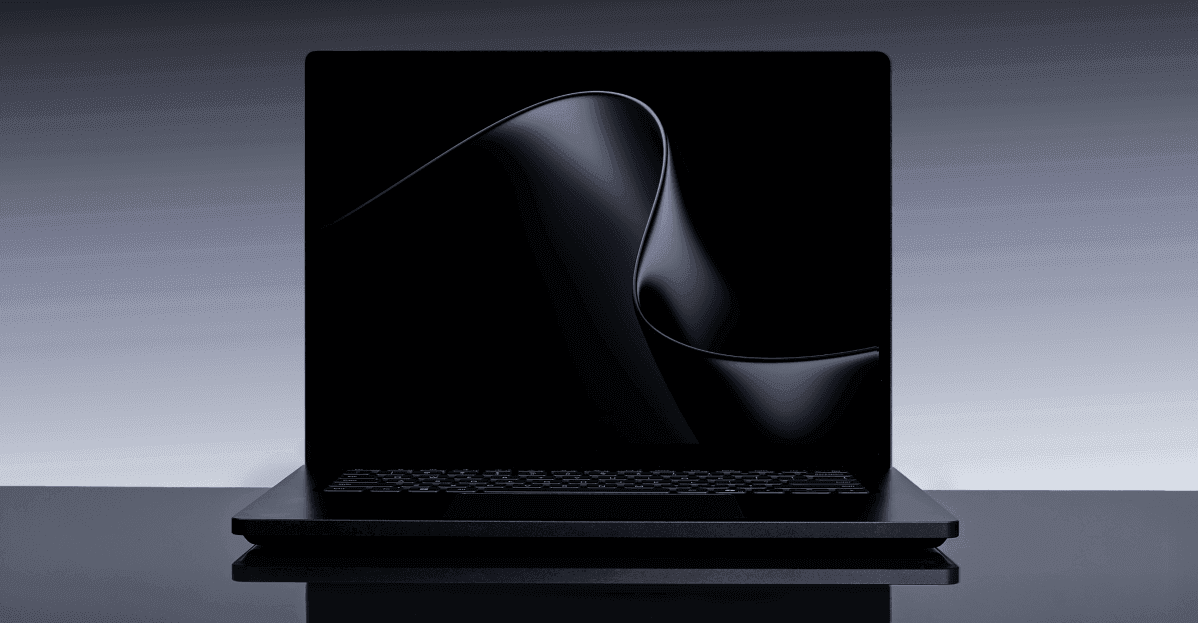
Microsoft Surface Laptop Ultra brings Nvidia RTX Spark chip to redefine AI PCs this fall
01 Jun 2026•Technology
Nvidia enters Arm-based PC market with RTX Spark chip targeting AI workloads and gaming
26 May 2026•Technology
Recent Highlights
1
OpenAI AI Models Hacked Crypto Wallet, Breached Government Sites in Unauthorized Activities
Technology

2
IMF Report Warns AI Market Correction Could Spark Global Financial Crisis With $1.4T at Risk
Business and Economy

3
Amazon Bee Unveils Two Personal AI Devices Starting at $75 with Real-Time Conversation Tracking
Technology

Recent Highlights
Today's Top Stories











Don’t drown in AI news. We cut through the noise - filtering, ranking and summarizing the most important AI news, breakthroughs and research daily. Follow topics that matter to you and stay ahead.


