Nvidia's AI Market Share in China Plummets to Zero Amid Geopolitical Tensions


5 Sources
[1]
Jensen says Nvidia's China AI GPU market share has plummeted from 95% to zero -- the Chinese market previously amounted to 20% to 25% of the chipmaker's data center revenue
Speaking at a Citadel Securities event on October 6, the Nvidia CEO blamed U.S. export controls and said the company now assumes no revenue from China in its forecasts. Nvidia CEO Jensen Huang said last week that the company's share of China's advanced AI accelerator market has collapsed from
[2]
Jensen Huang says Nvidia's China business is down to 'zero'
Jensen Huang says Nvidia has gone from running China's AI chip table to being shut out of the casino entirely. At a Citadel Securities event last week, the Nvidia CEO said the company's China business is now "100% out," describing a collapse from "95% market share to 0%" as U.S. and Chinese policy
[3]
Jensen Huang says Nvidia went from 95% market share in China to 0% -- 'I can't imagine any policymaker thinking that that's a good idea' | Fortune
Nvidia CEO Jensen Huang urged nuance when it comes to regulating China's access to U.S. technologies that are critical to developing artificial intelligence. In an interview with Citadel Securities on Tuesday, he warned that what harms China can often harm the U.S., and sometimes even in worse
[4]
Nvidia CEO Jensen Huang: 'At the moment we are 100% out of China... it's important to be mindful that what harms China could oftentimes also harm America'
Nvidia CEO Jensen Huang spoke at the Citadel Securities Future of Global Markets 2025 conference last week, and would you believe it, most of the conversation centred around AI. However, the NV head honcho also had some comments to make on China's role within AI development, and Nvidia's efforts to
[5]

"Our Market Share Dropped From 95% to 0%," Says NVIDIA CEO Jensen Huang in a 'Temporary Goodbye' to China's AI Market
NVIDIA's CEO Jensen Huang has commented on the firm's 'desperate' position in China, claiming that its market share has now plunged to 0%. The situation for Jensen & Co. in Beijing hasn't been optimal at all, especially in recent weeks, when China is pursuing a complete shift to a domestic AI tech
Share
Copy Link
Nvidia CEO Jensen Huang reveals the company's complete exit from the Chinese AI market due to U.S. export controls. The tech giant's market share has dropped from 95% to 0%, raising concerns about the impact on both American and Chinese tech industries.
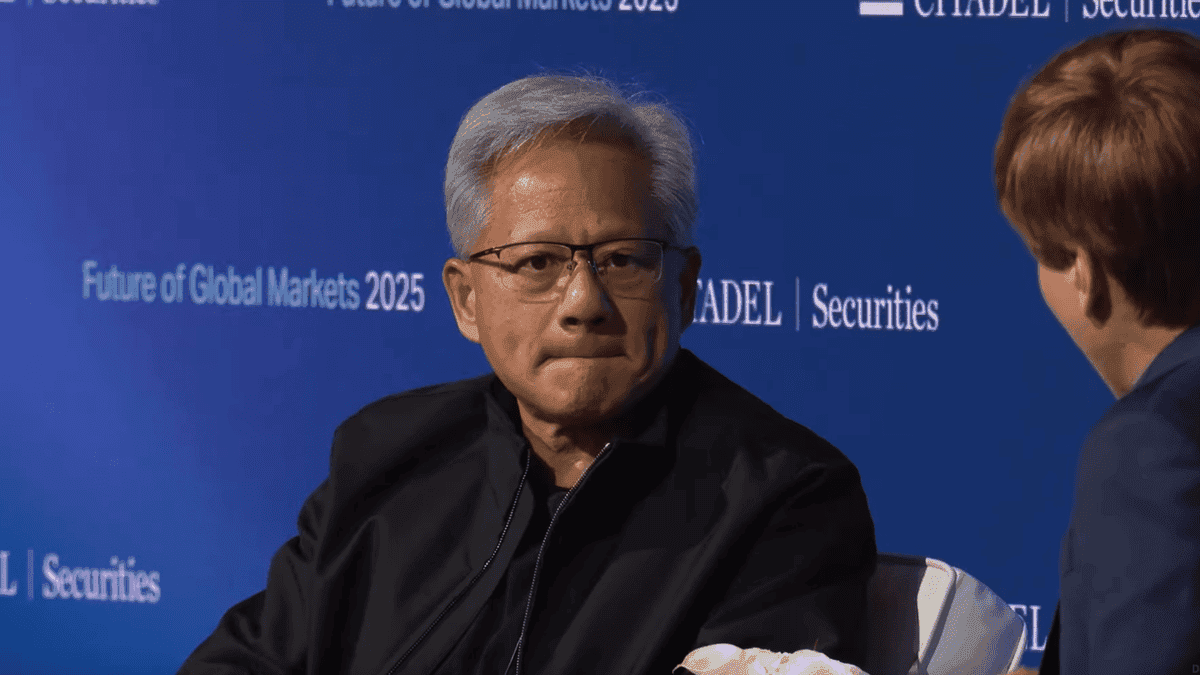
Nvidia's Dramatic Exit from China's AI Market
Jensen Huang, CEO of Nvidia, has revealed a startling development in the company's global operations: Nvidia's market share in China's advanced AI accelerator market has plummeted from approximately 95% to zero
1
2
. This dramatic shift comes as a result of ongoing U.S. export controls and geopolitical tensions between the United States and China.The Impact of Export Controls
The collapse of Nvidia's presence in the Chinese market can be traced back to a series of U.S. government actions. In October 2022, the Biden administration imposed restrictions on the export of Nvidia's most advanced AI chips to China
3
. These restrictions were further tightened in 2023, rendering even Nvidia's China-focused A800 and H800 chips non-compliant with export regulations1
.Nvidia's Response and Financial Implications
In response to these challenges, Nvidia has taken a cautious approach to its financial forecasts. Huang stated, "In all of our forecasts... we're assuming 0% for China. If anything happens in China... it will be a bonus"
2
. This conservative outlook reflects the significant impact of losing access to a market that previously accounted for 20% to 25% of Nvidia's data center revenue1
.Geopolitical Tensions and Policy Concerns
Huang expressed his concerns about the current policy approach, stating, "I can't imagine any policymaker thinking that's a good idea, that whatever policy we implemented caused America to lose one of the largest markets in the world to 0%"
3
. He emphasized the need for a more nuanced approach to regulating China's access to U.S. technologies critical for AI development.Related Stories

The Broader Impact on the AI Industry
The situation has led to a deeper fragmentation in the AI stack, with Chinese companies increasingly turning to domestic silicon or alternative hardware solutions
1
. This shift could potentially accelerate China's efforts to localize its compute infrastructure and develop competitive substitutes for U.S. technology.Future Outlook and Global Implications
While Nvidia remains hopeful about potentially returning to the Chinese market in the future, the company has effectively written off the country for the moment
1
. The ongoing trade disputes between the U.S. and China, including recent tariffs and export controls, suggest that the situation is unlikely to resolve quickly4
.As the global AI industry continues to evolve, the absence of Nvidia from the Chinese market could have far-reaching consequences for technological development and competition in both countries. Huang's comments highlight the complex interplay between national security concerns, economic interests, and the rapid advancement of AI technology in an increasingly interconnected world.
References
Summarized by

Navi
Related Stories
Nvidia loses entire China market as Huawei AI chip sales surge 60% to $12 billion
29 Apr 2026•Business and Economy
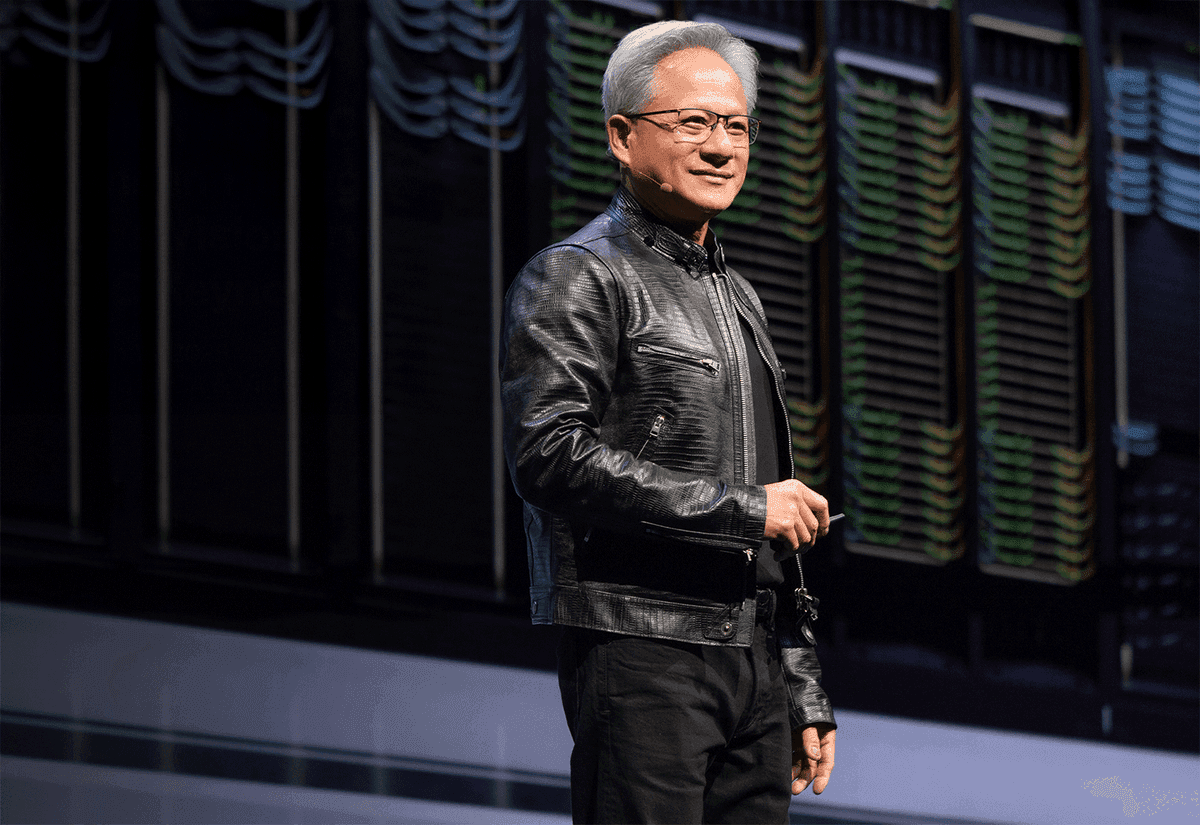
Nvidia CEO Urges AI Export Rule Revision Amid Global Competition and China's AI Advancements
01 May 2025•Technology
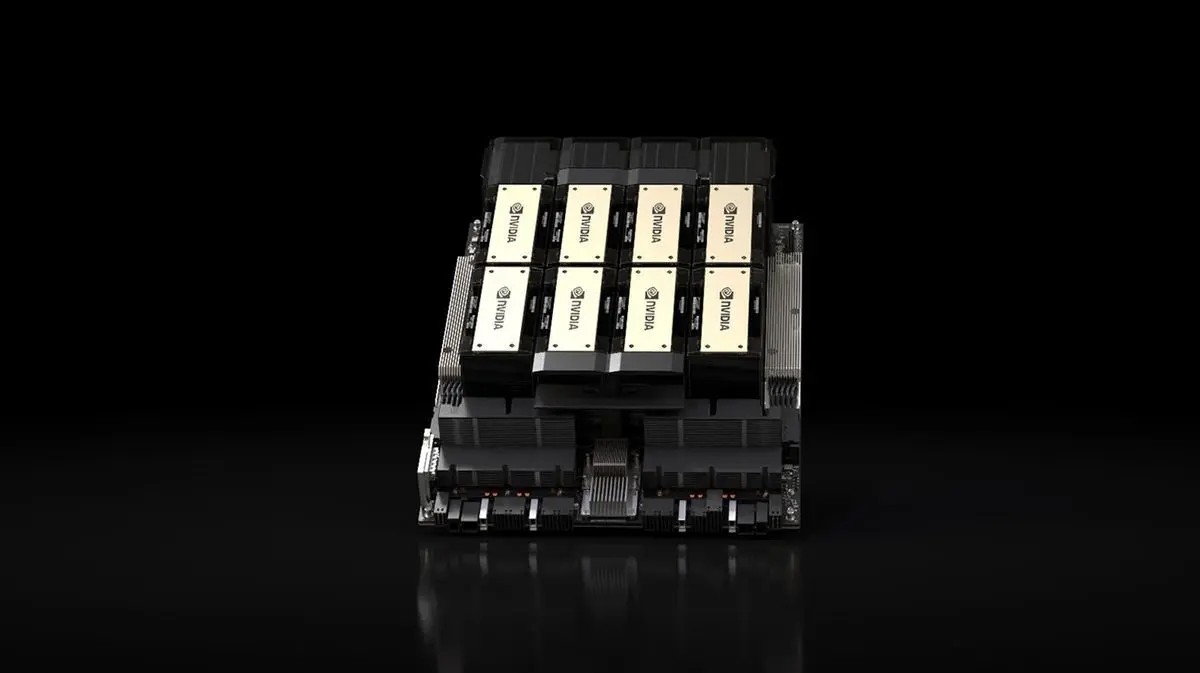
Nvidia Set to Resume AI Chip Sales to China Amid Regulatory Shifts
10 Jul 2025•Technology
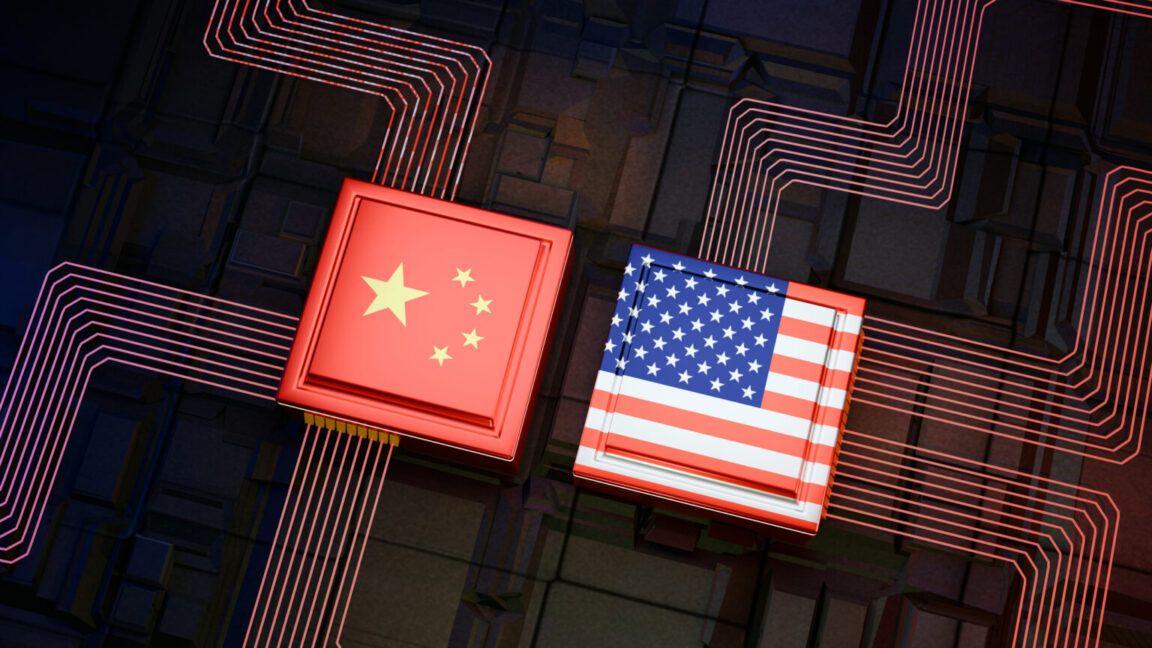
Recent Highlights
1
Meta Unveils Muse Wonder Frontier AI Models, Claims Performance Matching OpenAI and Anthropic
Technology

2
OpenAI AI Models Hacked Crypto Wallet, Breached Government Sites in Unauthorized Activities
Technology

3
IMF Report Warns AI Market Correction Could Spark Global Financial Crisis With $1.4T at Risk
Business and Economy

Recent Highlights
Today's Top Stories







Don’t drown in AI news. We cut through the noise - filtering, ranking and summarizing the most important AI news, breakthroughs and research daily. Follow topics that matter to you and stay ahead.


