NVIDIA Vera CPU Achieves 2x Faster Agent Speed and 1.6x More Agents Per Watt Than Leading x86 Processors


2 Sources
[1]
Vera Delivers the Best of Both Worlds: Highest Throughput and Fastest Agents
AI agents do more than generate answers. They search for information, query databases, write and test code and take action. Each of those steps relies on a CPU, with agents moving between GPU reasoning and CPU execution throughout a task. As businesses put more agents to work, AI factories need
[2]
NVIDIA Vera Delivers 2x The Agent Speed Of AMD's 256-Core EPYC Venice And 1.6x More Agents Per Watt Than The Frequency-Optimized 96-Core Venice
NVIDIA Vera CPUs continue to showcase strong performance and efficiency against leading x86 chips across Agentic AI workloads. NVIDIA Vera CPU Early Adopters Are Seeing Higher Tool Speed Per Watt, Agentic AI Tasks Per Watt and More Memory/Core Bandwidth Per Watt The Vera CPU continues to disrupt
Share
Copy Link
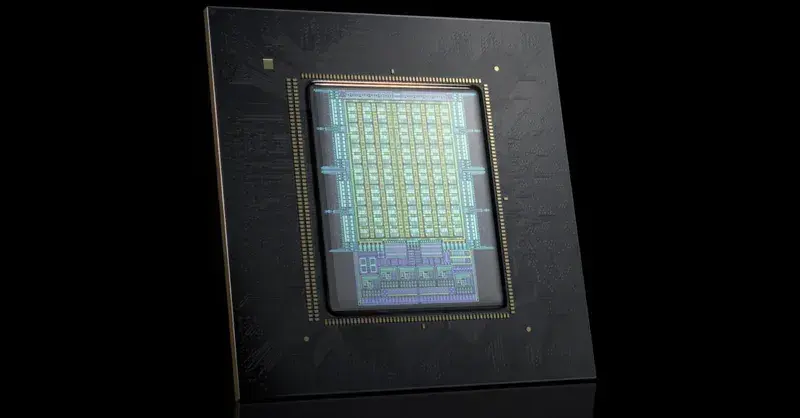
NVIDIA Vera CPU is disrupting the Agentic AI segment with industry-leading performance. The chip delivers 2x faster agent speed than AMD's 256-core EPYC Venice and 1.6x more agents per watt than the 96-core frequency-optimized variant, while early adopters report production gains of up to 2.2x on agentic orchestration workloads.
NVIDIA Vera CPU Dominates AI Agent Workloads With Superior Speed and Efficiency
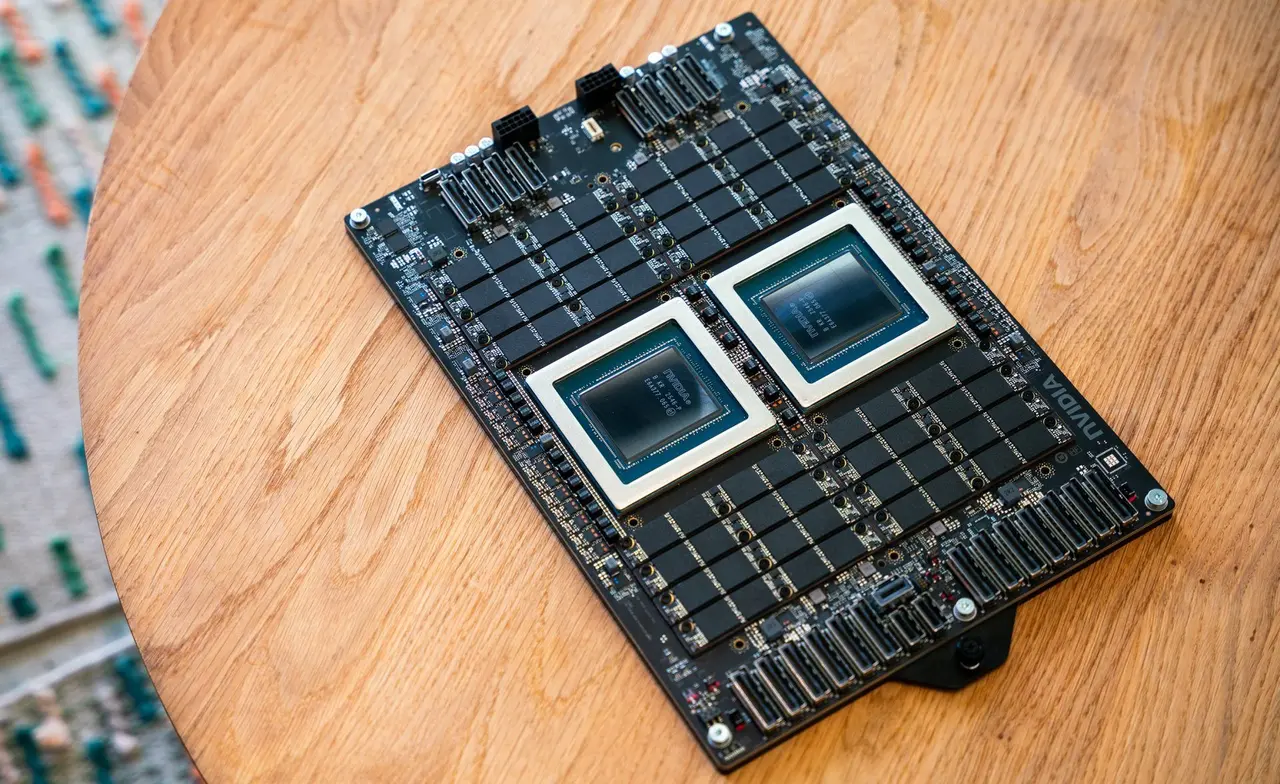
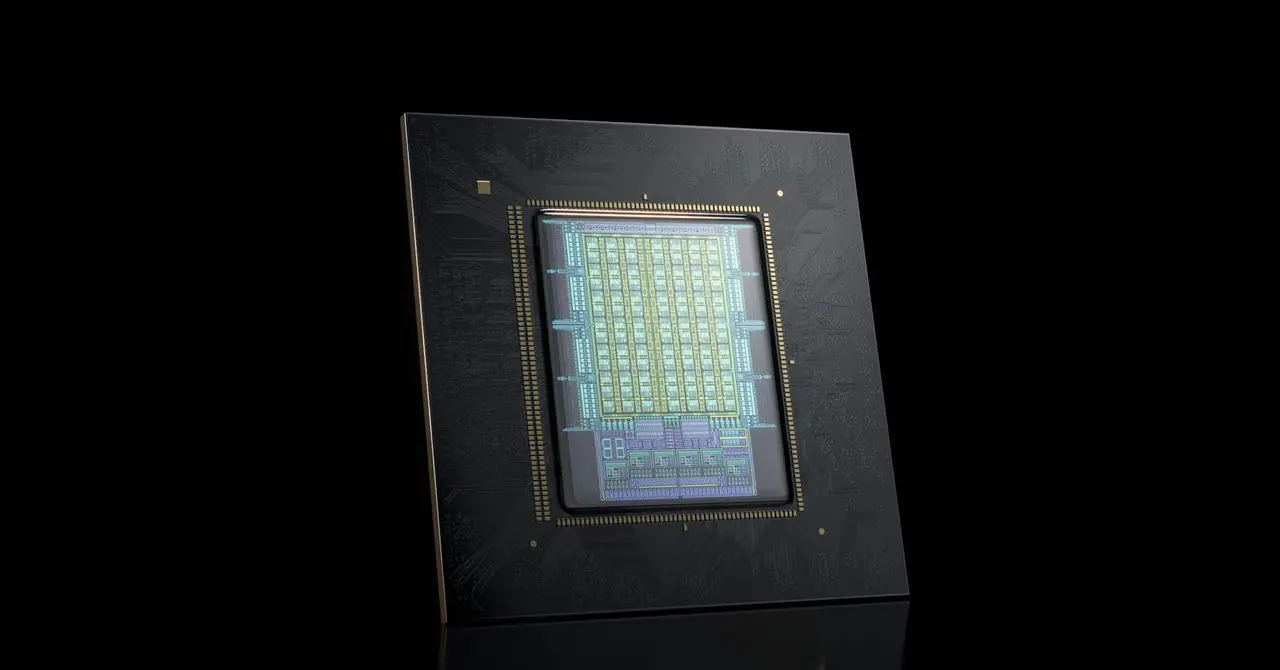
The NVIDIA Vera CPU is establishing itself as a unified solution for AI infrastructure providers navigating the shift from GPU-centric to Agentic AI workloads
1
. In newly released performance benchmarks, Vera demonstrates 2x faster agent speed compared to AMD's 256-core EPYC Venice processor and delivers 1.6x more agents per watt versus the frequency-optimized 96-core AMD EPYC Venice variant2
. These results position Vera as a hardware solution that addresses the dual challenge of achieving highest throughput while maintaining industry-leading agent speed within power-constrained data center environments1
.AI agent workloads operate fundamentally differently from traditional inference tasks. Agents move between GPU reasoning and CPU execution in sequential loops, often hundreds of times per task
2
. The GPU handles reasoning while the CPU executes tool calls, SQL queries, API calls, and scripting2
. This constant back-and-forth creates data-intensive workloads that demand high per-core performance, exceptional memory bandwidth, and low latency to minimize wait times between reasoning steps2
.
Source: Wccftech
Performance Benchmarks Reveal Substantial Advantages Over x86 Competition
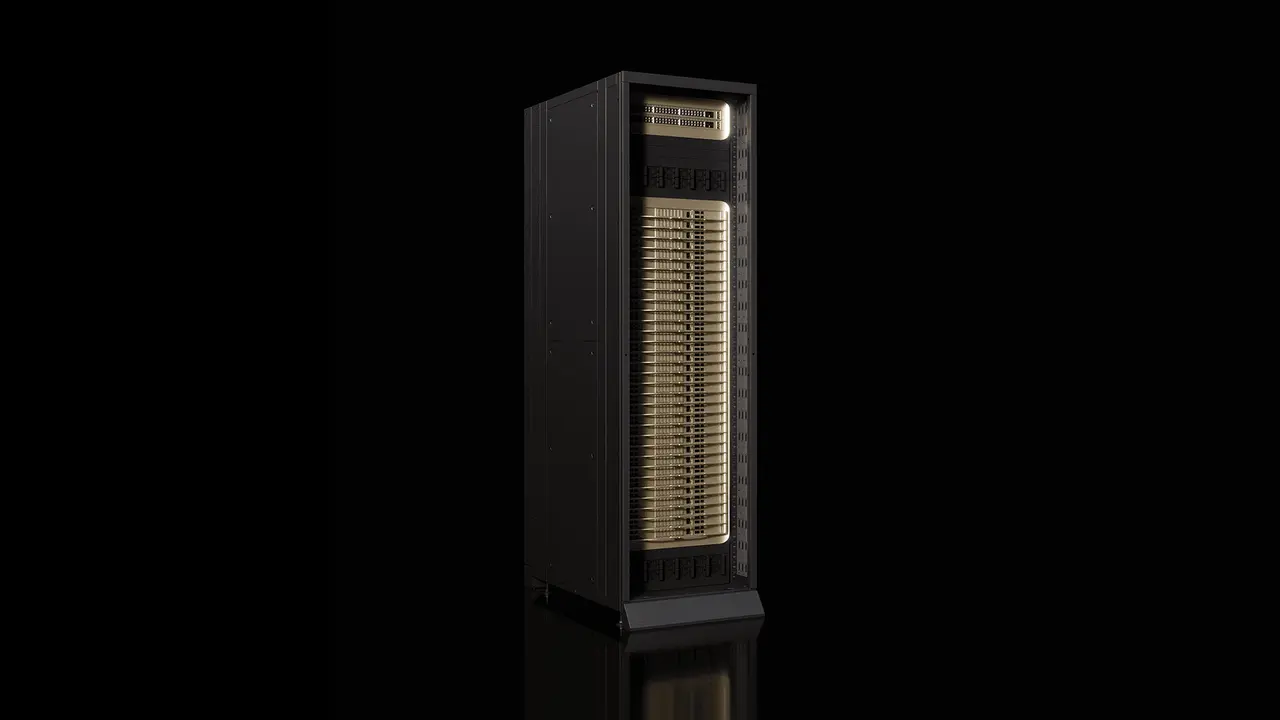
NVIDIA's internal testing in a 100-megawatt data center comparison demonstrates Vera's capability to outperform both the fastest and most energy-efficient x86 processors simultaneously
1
. Against AMD's 96-core frequency-optimized EPYC Venice, Vera achieves 60% higher performance per watt while supporting 1.6x more agents per watt2
. When compared to the denser 256-core AMD EPYC Venice configuration, Vera delivers 2x faster agent speed measured in tasks per megawatt2
.This dual advantage matters because AI infrastructure providers historically needed to mix and match different x86 processors to balance speed and capacity
1
. Vera eliminates this complexity by providing both capabilities in a single CPU architecture, allowing operators to maximize work done per watt within power-limited AI factories1
.Early Adopters Report Production Gains Across Agentic AI Applications
Real-world deployments from early adopters validate Vera's performance benchmarks across diverse Agentic AI scenarios. Perplexity ran agentic coding tasks 1.5x faster with Vera than on traditional CPUs and plans to deploy the chip in an upcoming production system
1
2
. DeepInfra achieved up to 2.2x the speed of the best x86 processor on agentic orchestration for its production agent workload, making Vera the fastest of four architectures tested1
2
.Database and analytics workloads also benefit from Vera's architecture. ClickHouse's standard binary, with no Vera-specific tuning, scaled near-linearly across 176 cores and topped the ClickBench hardware leaderboard
1
2
. DuckLabs achieved approximately 1.5x the median TPC-H SF1000 performance of an Intel Xeon 6 baseline1
2
.
Source: NVIDIA
Related Stories

Sandbox Orchestration and Scalability Demonstrate Practical Impact
Development environment providers report dramatic improvements in sandbox orchestration and scalability. Daytona brought 1,000 agent sandboxes online in 10.8 seconds using Vera, compared to 88.4 seconds with x86, and achieved 12.7 completed jobs per second at 2,000 concurrent sandboxes versus 10.9 for AMD EPYC 9755
1
2
. Modal achieved up to 2x sandbox throughput per core versus comparable x86 hardware, with gains that grow under heavy load1
2
.These production results underscore how Vera's architectural design addresses the specific demands of Agentic AI workloads. The chip's high memory bandwidth ensures data arrives without delay during the constant sequential loops between GPU and CPU
2
. Combined with high per-core performance, this enables tool calls to finish quickly and allows the next GPU reasoning step to start sooner2
. As businesses deploy more AI agents to handle increasingly complex tasks, the ability to support many agents simultaneously without compromising individual agent performance becomes critical1
. Vera's combination of energy efficiency and speed positions it as a practical force for AI infrastructure providers navigating the transition to agent-driven workflows.References
Summarized by

Navi
Related Stories
Nvidia Vera CPU targets AI agent workloads with focus on single-threaded performance
08 Jul 2026•Technology
NVIDIA Vera CPU with Olympus cores delivers unprecedented ARM performance against Intel and AMD
26 May 2026•Technology
NVIDIA Vera CPU Challenges Core Count Race, Prioritizes Single-Threaded Performance for Agentic AI
19 Oct 2026•Technology
Recent Highlights



Recent Highlights
Today's Top Stories











Don’t drown in AI news. We cut through the noise - filtering, ranking and summarizing the most important AI news, breakthroughs and research daily. Follow topics that matter to you and stay ahead.


