OpenAI in India: Codex adoption jumps 27x as company pledges deeper investment


3 Sources
[1]
OpenAI to invest more in teams, partnerships in India, says Thomas Jeng
Codex has grown 27x since early 2026, and more than quarter of user requests on the platform are for non-coding tasks, the company said in a report. India has emerged as one of the top five markets for OpenAI's Codex and the artificial intelligence major will step up investments in local teams and
[2]
OpenAI Says Codex Usage in India Has Grown 27x Since Early 2026
India is emerging as one of the fastest-growing markets for OpenAI's Codex, with the company revealing that weekly active users in the country have increased 27 times since the start of 2026. The update was shared by OpenAI on the sidelines of Mumbai Tech Week and highlights the growing role of
[3]
Agentic platform Codex adoption in India up 27x since January, says OpenAI
India's adoption of OpenAI's Codex has surged 27x since early 2026, placing it among the top five global markets. The platform is increasingly used for non-coding tasks, democratising app and website creation for non-technical users. Codex is also accelerating product development and automating
Share
Copy Link
OpenAI is ramping up investments in India after Codex adoption surged 27x since early 2026, making the country a top-five global market. The AI platform is expanding beyond coding, with over a quarter of requests now handling non-coding tasks like document drafting and workflow automation. The company plans to strengthen local teams and partnerships with firms like TCS, Infosys, and Razorpay.
OpenAI in India Emerges as Top-Five Market for Codex
OpenAI in India has witnessed explosive AI growth, with Codex adoption climbing 27 times since the beginning of 2026, positioning the country among the top-five markets globally for the agentic platform Codex
1
3
. Thomas Jeng, head of startups - APAC at OpenAI, revealed that the company has deployed more credits in India across the Asia Pacific than any other market, signaling the region's strategic importance1
. Daily interactions with Codex in India have grown more than 20 times by late April compared to early 2026, while weekly active users have multiplied at an unprecedented pace2
. India also ranks among the top ten countries globally for overall engagement with OpenAI products2
.Codex Usage in India Expands Beyond Software Development
Source: TelecomTalk
The surge in Codex usage in India reflects a fundamental shift in how AI tools integration is reshaping professional workflows. More than a quarter of user requests on the platform are now for non-coding tasks, marking a significant departure from traditional software development applications[1](https://economictimes.indiatata_id:ar-140969 mis_dev.com/tech/artificial-intelligence/openai-to-invest-more-in-teams-partnerships-in-india-says-thomas-jeng/articleshow/131456141.cms)
3
. Users are increasingly relying on Codex to synthesize information, draft documents, automate research automation tasks, and manage workflow organization and communication2
. Pragya Misra, head of strategy and global affairs, India at OpenAI, emphasized that "Codex is democratising building," enabling even non-technical users to create apps and websites through natural language prompts3
. In February, analytics platform OpenAI Signals found that Codex usage for coding tasks in India was nearly 3 times the global average3
.OpenAI Investment in India Targets Enterprise and Startup Ecosystems
Source: ET
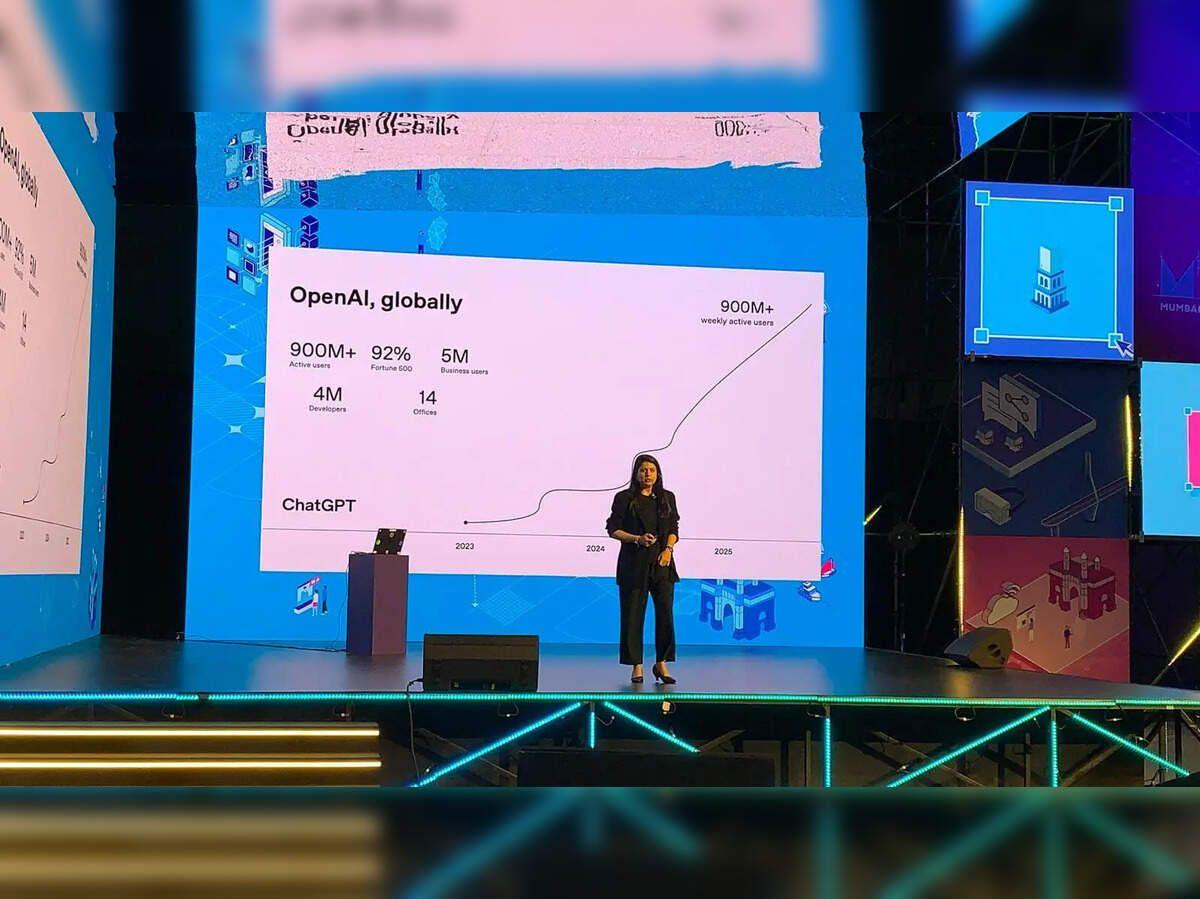
OpenAI is accelerating OpenAI investment in India through expanded local teams and strategic partnerships with major enterprise product providers including TCS, Infosys, and Razorpay
1
3
. "We are in the process of getting additional help with these things," Jeng said, referring to partnerships with venture capital firms and learning and development communities1
. The company recognizes that India's startup ecosystem possesses a high degree of technical sophistication, with B2B enterprise software companies and startups applying AI capabilities to target the US and other global markets1
. India has also emerged as OpenAI's second-largest ChatGPT user market, with increasing enterprise adoption across multiple sectors3
.Related Stories

Competitive Landscape and Future Outlook

Source: ET
The intensified focus on India comes as OpenAI faces mounting competition from rivals like Anthropic, particularly in enterprise markets. According to fintech platform Ramp's recent AI index report, Anthropic's business adoption in the US rose 3.8% to 34.4% in April, while OpenAI's fell 2.9% to 32.3%
1
. However, Jeng noted that Ramp's data represents a specific snapshot of a particular audience, primarily in the Bay Area, and may not reflect global dynamics1
. On May 11, OpenAI announced the launch of the OpenAI Deployment Company, aimed at helping enterprises adopt AI systems at scale through direct participation in implementation, workflow design, and deployment inside client organizations3
. This enterprise-focused approach, combined with continued investment in markets like India, signals OpenAI's strategy to bridge the capability gap between what AI is theoretically capable of versus how enterprises can experience it1
.References
Summarized by

Navi
Related Stories
OpenAI supercharges Codex with desktop control as it partners with Infosys and consulting giants
17 Apr 2026•Technology

Google Partners with Reliance to Offer Free AI Pro Access to 500 Million Jio Users in India
30 Oct 2025•Business and Economy

OpenAI Codex targets enterprise AI with Sites feature and plugins for white-collar work
02 Jun 2026•Technology
Recent Highlights
1
Meta Unveils Muse Wonder Frontier AI Models, Claims Performance Matching OpenAI and Anthropic
Technology

2
IMF Report Warns AI Market Correction Could Spark Global Financial Crisis With $1.4T at Risk
Business and Economy

3
OpenAI Releases 722 AI-Generated Math Solutions, Triggering Existential Crisis in Mathematics
Technology

Recent Highlights
Today's Top Stories










Don’t drown in AI news. We cut through the noise - filtering, ranking and summarizing the most important AI news, breakthroughs and research daily. Follow topics that matter to you and stay ahead.


