OpenAI's first hardware is a macro pad for Codex, launching July 15—not the Jony Ive device


4 Sources
[1]
OpenAI's first hardware is a macro pad for Codex
OpenAI is teasing Codex Micro, a Work Louder macro pad for its AI coding tool, landing July 15. It is not the mysterious consumer device the company is building with Jony Ive. OpenAI's first piece of hardware is not the mysterious gadget everyone is waiting for. It is a small keyboard for people
[2]
OpenAI's July 15 Event May Introduce Dedicated Codex Hardware
A Codex-branded version would likely follow the same playbook, giving developers physical shortcut keys for common Codex actions such as running a command, accepting a suggestion, or switching between sessions, instead of relying purely on keyboard shortcuts memorised over time. Codex itself is
[3]
OpenAI Codex Macro Pad: What is it, how does it work?
However, OpenAI has already revealed its upcoming hardware product teaser, but it is certainly not the much-rumored Jony Ive one. Recently, the @openai_developers account on X posted a video clip showcasing a square-shaped device filled with buttons, which was captioned "Your favorite Codex
[4]
OpenAI may unveil Codex-focused hardware on July 15: Here is what we know
This is unrelated to the separate hardware device OpenAI is developing OpenAI has posted a teaser video on X for a new hardware device tied to Codex, its AI-powered coding tool, captioned "Your favorite Codex shortcuts are getting an upgrade." The video shows a square-shaped device covered in
Share
Copy Link
OpenAI teased Codex Micro, a Work Louder macro pad designed for its AI coding tool, set to launch July 15. The device features programmable buttons mapped to common Codex actions, making it easier for developers to interact with the AI-powered coding assistant. This isn't the mysterious consumer device OpenAI is building with former Apple designer Jony Ive—that project remains months away.
OpenAI Hardware Debut Takes Unexpected Form
OpenAI's first hardware won't be the consumer device many anticipated. Instead, the company is launching Codex Micro, a macro pad built in collaboration with Work Louder, set to arrive on July 15
1
. The @openai_developers account on X posted a teaser video showing a square device with a grid of buttons cycling through colors, captioned "Your favorite Codex shortcuts are getting an upgrade"3
. An OpenAI spokesperson confirmed the device will be called Codex Micro and is "designed to supercharge people's Codex usage"1
. This marks OpenAI's entry into physical products, though pricing and full specifications remain undisclosed.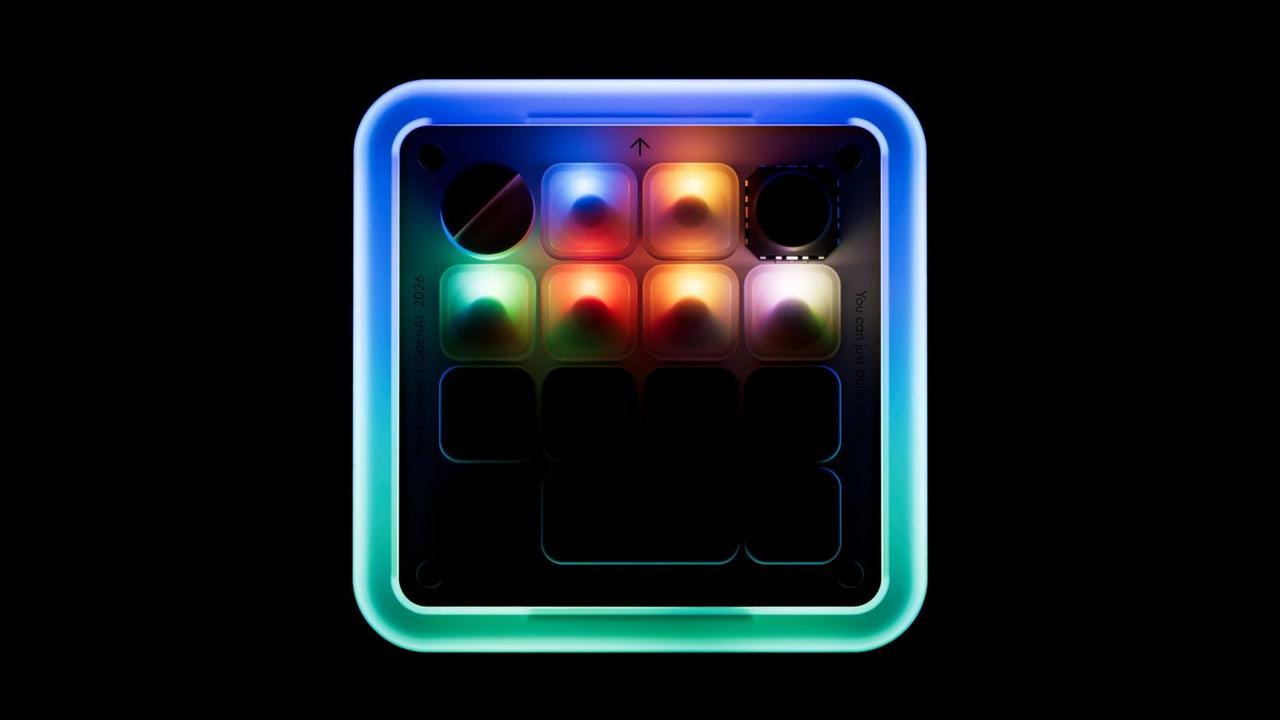
Source: Digit
What the Codex Macro Pad Actually Does
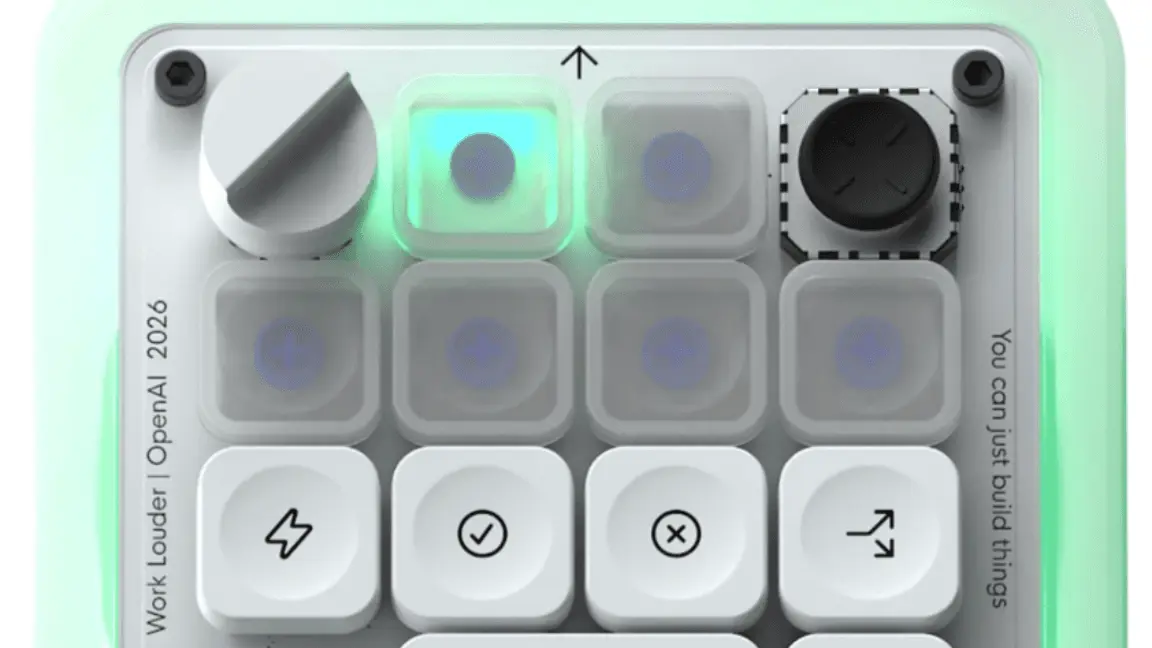
The device appears nearly identical to Work Louder's Creator Micro 2, which features 13 mechanical switches, a joystick, and a touch sensor
4
. A macro pad is a compact board of programmable buttons that sits beside your keyboard, allowing users to map each button to shortcuts or action chains1
. For Codex, this likely means physical keys for repetitive actions like starting or pausing an agent, reviewing changes, running tests, approving suggestions, or triggering saved prompts1
. The device was showcased at the AI Engineer World's Fair in San Francisco, where OpenAI spokesperson Dominik Kundel described it as a keyboard built specifically for the AI coding tool2
. Work Louder's Creator Micro 2 currently sells for $199, providing a potential price reference2
.Why OpenAI Built Dedicated Codex Hardware
Codex functions as OpenAI's AI-powered coding assistant, helping developers write, debug, and navigate code using natural language prompts
4
. The decision to create dedicated Codex hardware suggests OpenAI sees sufficient regular usage among developers to justify a physical product rather than treating it purely as software2
. The move taps into the emerging culture of "vibe coding," where developers interact with AI assistants throughout their workflow3
. Physical merchandise has become a quiet status symbol among developers, with competitors like Cursor distributing standalone "tab" keys and Figma previously releasing its own Work Louder pad1
. This approach allows OpenAI to plant its branding directly on developer workspaces while extending its enterprise offerings.Related Stories

Low-Risk Entry Into Hardware Manufacturing
Starting with a macro pad represents the lowest-risk OpenAI hardware strategy available. Work Louder handles manufacturing while OpenAI primarily supplies branding and default mappings
1
. An OpenAI staffer noted on LinkedIn that "working on hardware has such different timelines" from software, explaining why the company set a specific reveal date rather than shipping immediately1
. This contrasts sharply with the separate, far more ambitious device OpenAI is developing with former Apple design chief Jony Ive and his company LoveFrom4
. That mysterious consumer AI device remains months away, with OpenAI's finance chief indicating it should arrive by year's end1
.What This Means for Developer Productivity
The Codex Macro Pad raises questions about whether physical controls enhance or complicate workflows built on natural language interaction. Vibe coding aims to reduce button presses between ideas and working software, yet a board of dedicated buttons adds hardware to a process designed around plain language
1
. Developers running fleets of AI agents may appreciate tactile shortcuts, while others might view it as solving a problem the software already addressed1
. Work Louder's pads already support customization based on active applications, suggesting the Codex pad will include pre-configured commands popular with the AI-powered coding assistant3
. With keyboard shortcuts often requiring memorization, programmable buttons could streamline common Codex actions like accepting suggestions or switching between sessions4
. Full details emerge when OpenAI's first hardware ships on July 15.References
Summarized by

Navi
[1]
[2]
Related Stories
OpenAI's first hardware is a $230 light-up keyboard designed to control Codex agents
16 Jul 2026•Technology
OpenAI's first hardware device sold out in 12 hours, now reselling for up to $1,850 on eBay
25 Jul 2026•Technology

OpenAI confirms first AI device launch for 2026, and leaked reports suggest it could be earbuds
19 Jan 2026•Technology

Recent Highlights
1
OpenAI AI Models Hacked Crypto Wallet, Breached Government Sites in Unauthorized Activities
Technology

2
IMF Report Warns AI Market Correction Could Spark Global Financial Crisis With $1.4T at Risk
Business and Economy

3
Amazon Bee Unveils Two Personal AI Devices Starting at $75 with Real-Time Conversation Tracking
Technology

Recent Highlights
Today's Top Stories










Don’t drown in AI news. We cut through the noise - filtering, ranking and summarizing the most important AI news, breakthroughs and research daily. Follow topics that matter to you and stay ahead.


