2 Sources
[1]
Project Jupiter AI data center build raises concerns about water usage in rural New Mexico desert -- Oracle calls water usage 'negligible' for 11 million gallon one-time fill
An eyebrow-raising situation in a desert area already earmarked to reduce its water consumption to begin with. Oracle's Project Jupiter data center is definitely an ambitious one, as its area spans 1,400 acres, or around 1,601 football fields, using a standard measuring unit. The build location is Doña Ana County, a rural desert area in the state of New Mexico with limited water supplies. As has become a common theme lately, the data center's water usage has become the focal point of a heated debate between residents, the county, and the developers, as detailed in an NPR report. Residents are naturally concerned that an already-scarce resource will be drained further still, especially considering that the area's underground water level has been steadily dropping in recent years, forcing farmers to dig deeper wells to find a supply. Furthermore, the region is one of many affected by a Supreme Court decision meant to avoid draining the Rio Grande. New Mexico must reduce groundwater consumption by 5.9 billion gallons per year for 10 years. In Doña Ana and other affected areas, this means planning out the retirement of farmland, with all the economic and social impact that entails. With all that going on, plus the overall zeitgeist around AI data centers, Jupiter's buildout generated quite the discussion. Most of the residents' concerns appear to come from the older build projects that included a power generation setup comprised of natural gas turbines and diesel generators, estimated by third parties to require at least a million gallons of water a day. However, Oracle claims it dropped that plan entirely in late April, turning instead to a solid-oxide fuel cell power plant that also has far lower carbon dioxide emissions. Regarding the cooling for the data center itself, the firm has bought the water rights from a sod farmer who reportedly wasn't using them in full. Oracle says it's going to use a closed-loop system that will require a one-time fill of around 11 million gallons of water, spread across four buildings, and a maximum of 4,000 gallons per year for top-offs. The fuel cell system seemingly needs a 1-million-gallon initial fill and 168,000 gallons a year for top-offs, which Oracle says is less than the yearly water consumption of two average households. In an op-ed about the situation, the company calls these figures "negligible." For once, the company may actually have a point. Those figures sound large in isolation, but according to a report for 2020, the county's farming used 410,000 acre-feet of water, equivalent to about 366 million gallons a day. The remaining daily usage for the county works out to approximately 45 million gallons a day. Although there's no shortage of stories about data centers draining local water supplies, their global usage is a figurative drop compared to activities like mere landscaping and golf courses, let alone industrial and farming use. Oracle's revised plans and figures are all pretty recent, however, and Doña Ana residents claim they were barely given any time to properly analyze the proposals, or offered information about specific areas of impact for the drainage, particularly when the project proposal kept changing throughout the past year. State Rep. Micaela Lara Caden criticized the process, stating that it was "a $165 billion vote on a proposal that we knew about for less than a month". In a council meeting last year, attendees asked the vote to be delayed, only to see four out of the five commissioners giving it a yay, prompting shouts of "recall!" by the audience. Susana Chaparro, the commissioner who voted "no," still holds reservations to this day, a sentiment shared by environmentally-minded people in the county. A local chile farm owner believes the county needs the project, but reportedly described the manner in which the county presented the project as "a fiasco." Doña Ana is an embattled region, however, and Oracle pledged $360 million for schools and infrastructure, $50 million to upgrade a water utility that was found not to have been filtering out arsenic, and $12 million straight into the county's coffers. For a modest county with just over 220,000 residents and 40 settlements lacking paved roads and sewers, these figures represent a nigh-believable windfall. Manny Sanchez, the county commission's chairman, reportedly stated that "we've never had that type of money here in Doña Ana County." Follow Tom's Hardware on Google News, or add us as a preferred source, to get our latest news, analysis, & reviews in your feeds.
[2]
OpenAI and Oracle are building one of America's biggest data centers in a state where tree mortality tripled last year | Fortune
New Mexico's forests are dying faster than at any time on record. In 2025, the state mapped 209,000 acres of trees killed by bark beetles and other insects, which was more than a 200% increase over the year before, according to a newly released report from the New Mexico Forestry Division. And the main impetus for that arboreal death was the state's dwindling water supply. "At the beginning of January 2025, 35% of the state was in moderate drought and 20% in severe drought," the report read. "By the end of December 2025, 71% of the state was in moderate drought and 52% was in severe drought." According to the report, New Mexico recorded its second-warmest year on record. The lower Rio Grande, the river that has sustained farming communities in the southern part of the state for centuries, is now a river of sand most of the year, as the aquifer underneath is dropping by more than a foot each year. Now, just two miles of the Mexican border in the Chihuahuan Desert, Oracle and OpenAI are building one of the largest data centers in the country. Project Jupiter will span 1,400 acres in Doña Ana County, generate 2.5 gigawatts of electricity, and draw on $165 billion in investment capital if developers hit their targets. That number is bigger than New York's Central Park, and the sheer expected electricity generation could power more than half of New Mexico. Data centers in the wild Data centers require enormous volumes of water to cool their server farms running 24 hours a day, a resource conflict Fortune has documented from Georgia to Arizona, where developers were using water in communities already experiencing stress. But Project Jupiter is operating at a different scale entirely given its sheer size and the huge resource allocation needed in the state. Developers of Project Jupiter purchased existing water rights from a sod farm just west of Sunland Park, New Mexico, for 2,400 acre-feet per year. After a report earlier this year that the project would need close to a million gallons of water a day, Oracle released a statement saying it was switching from water-intensive natural-gas turbines to fuel cells. The company now says the data center and fuel cell system together will use about 11 million gallons of non-potable water in closed-loop, recycled systems. "We are excited to move forward with this updated energy solution, which reflects our commitment to both the latest innovation and community priorities as we advance the next generation of AI infrastructure," said Mahesh Thiagarajan, executive vice president of Oracle Cloud Infrastructure, in the release. The "fuel cell technology enables us to deliver highly reliable on-site power with a lower environmental footprint -- supporting the project's performance needs while contributing to stronger environmental outcomes." Oracle has a formal goal to halve water use in water-stressed regions by 2035 and claims a 53% reduction in potable water use at its owned facilities since 2015. OpenAI hasn't published any sustainability reports, nor any total water consumption figures. Neither company has responded to Fortune's requests for comment. Despite local opposition to construction, the state's official groundwater authority believe the state's limited water resources won't be put under any more strain. "What's happening with Project Jupiter is they're just taking a water right that exists and using it for something else," New Mexico State Engineer Elizabeth Anderson told NPR. "It's not gonna be taking water away from farmers." New Mexico's own reporting on data centers New Mexico's official 50-Year Water Action Plan, developed by the governor's office, projects the state will have 25% less water available in rivers and aquifers within 50 years and faces a shortage of 750,000 acre-feet without sustained action. That number becomes all the more concerning considering it was calculated before the New Mexico Forestry Division's report was released. Then in January of this year, the New Mexico Groundwater Alliance released a report warning groundwater levels are plunging to historically low levels, threatened by drought, climate change, water-hungry data centers, and PFAS contamination, and without a proactive strategy, more communities will face aquifer depletion and service disruptions. Groundwater provides more than half of the state's total water supply. The report, written by coalition of water policy experts, EDF, water district officials, and lawyers, directly references "water-hungry data centers" language. Economic development for areas in need Doña Ana County genuinely needs investment. It has low-income residents, high unemployment, and one in four children living in poverty. Project Jupiter has pledged $360 million for schools and local infrastructure, $50 million for an upgrade to the county's deteriorating water utility, and $12 million annually to the county budget. But what these projects can provide to communities comes as a crossroads as data centers have driven half of U.S. electricity demand growth while communities across the country have moved to block or delay projects worth more than $85 billion. A Gallup poll from this spring found that 71% of Americans oppose an AI data center in their local area, a higher opposition rate than nuclear power plants. That tension is building across the country. Nearly 50,000 Lake Tahoe residents have to figure out their next power source when their utility redirects power to serve tech facilities. The political pressure from rising electricity costs driven by the AI buildout is already reshaping the 2026 midterm landscape.
Share
Copy Link
Oracle and OpenAI are building one of America's largest AI data centers in New Mexico's Doña Ana County, where tree mortality tripled in 2025 due to severe drought. The $165 billion Project Jupiter spans 1,400 acres, but Oracle claims its closed-loop cooling system will use just 11 million gallons for initial fill and minimal annual top-offs, calling the water usage negligible despite local opposition and water scarcity concerns.
Project Jupiter, the Oracle and OpenAI joint venture, is taking shape across 1,400 acres of New Mexico's Chihuahuan Desert, just two miles from the Mexican border. The AI data center will generate 2.5 gigawatts of electricity and draw on $165 billion in investment capital if developers meet their targets—making it one of the largest such facilities in the country
2
. The sheer scale of the AI infrastructure project, equivalent to more than 1,601 football fields, has positioned it as a focal point for debates about technology's environmental footprint1
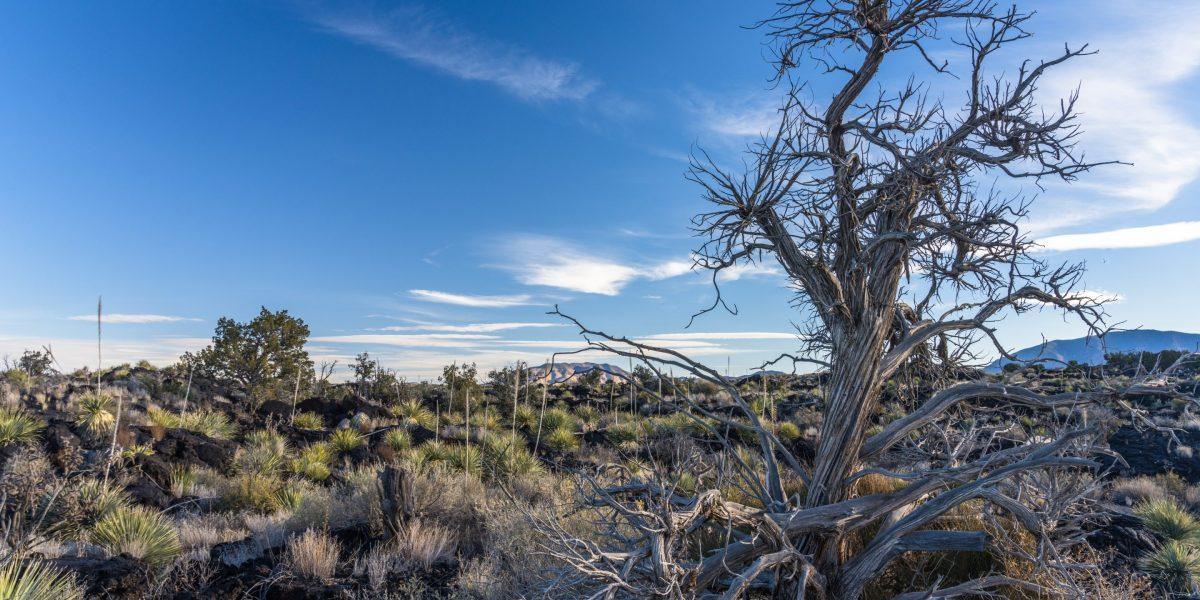
.The data center in New Mexico location has sparked heated discussion among residents already grappling with severe drought conditions. In 2025, New Mexico recorded 209,000 acres of trees killed by bark beetles and insects—a more than 200% increase from the previous year, driven primarily by dwindling water supplies
2
. By December 2025, 71% of the state faced moderate drought and 52% experienced severe drought. Doña Ana County sits in a region where the underground water level has dropped steadily, forcing farmers to dig deeper wells, while a Supreme Court decision mandates New Mexico reduce groundwater consumption by 5.9 billion gallons per year for 10 years1
.
Source: Fortune
Initial concerns about water usage centered on older build plans that included natural gas turbines and diesel generators, which third parties estimated would require at least a million gallons of water daily. However, Oracle dropped that approach in late April, switching to a solid-oxide fuel cell power plant with lower carbon dioxide emissions
1
. The company purchased water rights from a sod farmer and now plans to use a closed-loop cooling system requiring an 11 million gallon one-time fill across four buildings, with just 4,000 gallons per year for top-offs. The fuel cell system needs a 1-million-gallon initial fill and 168,000 gallons annually for top-offs—less than two average households consume yearly, according to Oracle1
.Related Stories
Oracle called these figures "negligible" in an op-ed, noting that Doña Ana County's farming alone used approximately 366 million gallons of water daily in 2020, with remaining county usage around 45 million gallons per day
1
. Mahesh Thiagarajan, executive vice president of Oracle Cloud Infrastructure, stated the fuel cell technology "enables us to deliver highly reliable on-site power with a lower environmental footprint"2
. Oracle maintains a formal goal to halve water use in water-stressed regions by 2035 and claims a 53% reduction in potable water use at owned facilities since 20152
.Yet local opposition remains strong. Residents claim they received minimal time to analyze proposals, particularly as project plans changed throughout the year. State Rep. Micaela Lara Caden criticized the process as "a $165 billion vote on a proposal that we knew about for less than a month"
1
. When attendees at a council meeting requested a delayed vote, four of five commissioners approved the project, prompting audience shouts of "recall." Commissioner Susana Chaparro, who voted against the project, maintains reservations shared by environmentally-minded residents1
.The Project Jupiter development presents stark economic implications for a county with just over 220,000 residents, where one in four children lives in poverty. Oracle pledged $360 million for schools and infrastructure, $50 million to upgrade a water utility that failed to filter out arsenic, and $12 million annually into county coffers
1
. County commission chairman Manny Sanchez reportedly stated, "we've never had that type of money here in Doña Ana County"1
. The county faces high unemployment and 40 settlements lacking paved roads and sewers, making the investment particularly significant.New Mexico State Engineer Elizabeth Anderson told NPR that Project Jupiter is "just taking a water right that exists and using it for something else" and won't take water away from farmers
2
. However, a January report from the New Mexico Groundwater Alliance warned that groundwater levels are plunging to historically low levels, threatened by drought, climate change, and "water-hungry data centers"2
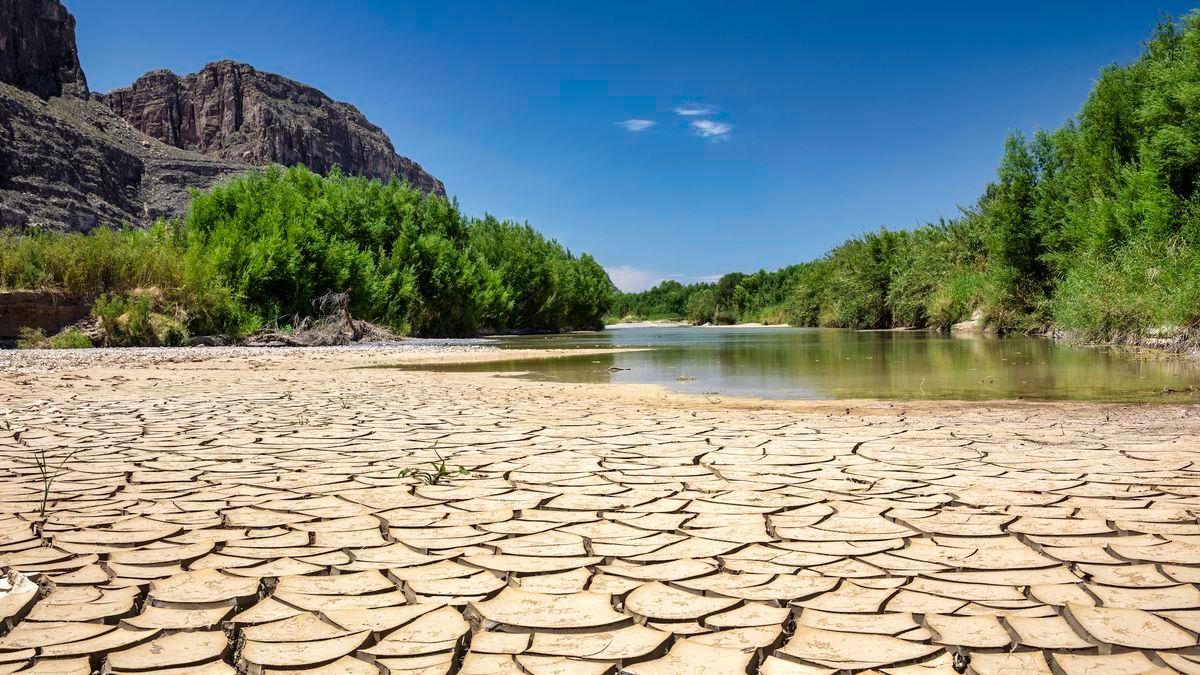
. The state's 50-Year Water Action Plan projects 25% less water available in rivers and aquifers within 50 years, with a shortage of 750,000 acre-feet without sustained action2
.
Source: Tom's Hardware
Summarized by
Navi
03 Jun 2026•Business and Economy

26 Sept 2025•Technology

02 Dec 2025•Policy and Regulation

1
Startups

2
Policy and Regulation

3
Policy and Regulation