Pentagon blacklists Anthropic as AI governance clash exposes deeper questions about military AI control


2 Sources
[1]
The guardrail war: what America's AI purge means for the rest of us
When a government blacklists its own AI company for refusing to enable mass surveillance, Europe should be paying very close attention On the afternoon of 27 February 2026, Pete Hegseth picked up his phone and posted to X. The US Secretary of Defense had just designated Anthropic, a San Francisco
[2]
A retired general's warning: America can't fight the AI arms race on tech it doesn't control | Fortune
The United States is entering a new phase of strategic competition -- one where artificial intelligence is no longer an emerging capability, but a decisive element of military power. In this unfolding AI arms race, speed matters. Capability matters. But above all, control matters. That's why the
Share
Copy Link
The Pentagon designated Anthropic a supply chain risk on February 27, 2026, after the AI company refused to remove restrictions on mass domestic surveillance and autonomous lethal weapons. The same day, OpenAI announced a deal with the Pentagon for unrestricted AI access. The conflict reveals fundamental tensions between AI ethics and control, democratic oversight, and military demands in the AI arms race.
Pentagon Designates Anthropic a National Security Risk
On February 27, 2026, US Secretary of Defense Pete Hegseth designated Anthropic a "supply chain risk to national security" under 10 USC 3252—a label previously reserved for Chinese firms like Huawei and ZTE accused of embedding surveillance backdoors
1
. The San Francisco AI company's offense was refusing to let the US military use its Claude models for mass domestic surveillance of American citizens or for fully autonomous lethal weapons without human oversight1
.Anthropicstood firm on restrictions embedded in its $200 million Pentagon contract awarded in July 2025. These safeguards aligned with international humanitarian law and US constitutional protections, representing the kind of guardrails a democratic government should want in military AI systems
1
. When the Pentagon demanded "unrestricted access to AI for all lawful purposes," Anthropic declined. Hegseth set a deadline of 5:01pm on February 27. When it passed without agreement, President Trump called the company's leadership "leftwing nut jobs" and ordered every federal agency to cease using Anthropic's technology1
.OpenAI Signs Pentagon Deal Hours After Anthropic Blacklisting
Hours after the blacklisting, OpenAI CEO Sam Altman announced his company had reached a deal with the Pentagon, making his models available for all lawful purposes
1
. The timing raised questions about AI governance and who controls the deployment of advanced AI systems. OpenAI's most senior hardware executive, Caitlin Kalinowski, resigned that same evening after 16 months building the company's robotics programme. "Surveillance of Americans without judicial oversight and lethal autonomy without human authorization are lines that deserved more deliberation than they got," she wrote1
.What exactly OpenAI's Pentagon agreement contains, and how its provisions compare to the assurances Anthropic sought, has not been made public. Altman has said OpenAI shares Anthropic's core principles against domestic mass surveillance and autonomous weapons, yet OpenAI signed while Anthropic did not
1
. Pentagon officials claim existing US law already prohibits the uses Anthropic was concerned about, though a group of 37 researchers from OpenAI and Google DeepMind filed concerns about the agreement1
.Military AI Control Becomes Central to National Security Debate
The standoff exposes a fundamental misalignment between US government AI policy and national security requirements in the AI arms race. A retired general warned that the Pentagon currently purchases access to AI capabilities but does not control them—training, testing, and development remain with private tech companies that have their own governance frameworks and commercial incentives
2
. This gives a small number of unaccountable firms effective veto power over how the United States employs critical defense applications.
Source: Fortune
China and aligned partners are moving aggressively to deploy military AI at scale, leveraging open-source AI models like DeepSeek that can be adapted without the corporate governance structures constraining American firms
2
. While the US debates permissible AI uses through contracts with private vendors, competitors build flexible, state-controlled AI systems rapidly customized for operational needs. If this gap persists, America risks significant military disadvantage in a competition where iteration cycles are measured in weeks, not years2
.Mythos Model Adds Alarming Dimension to AI Ethics and Control Questions
Details about Anthropic's Mythos model—dubbed "too dangerous" for public release—add concerning dimensions to the dispute. Mythos reportedly can autonomously identify and weaponize undiscovered cybersecurity vulnerabilities, potentially meaning open season for cybercriminals without appropriate guardrails
2
. The tool is so powerful that Anthropic has limited access to it, currently testing it with Wall Street banks at the quiet encouragement of the Treasury Secretary and Federal Reserve chair1
.
Source: The Next Web
A federal judge in San Francisco reviewing the designation noted the supply chain risk label is "usually reserved for foreign intelligence agencies and terrorists, not for American companies," describing the administration's actions as "classic First Amendment retaliation." Judge Rita Lin issued a preliminary injunction blocking the ban
1
. However, a federal appeals court later denied Anthropic's stay request, concluding that "the equitable balance here cuts in favour of the government." As of now, Anthropic is barred from Pentagon contracts but permitted to work with other agencies while fighting two parallel lawsuits1
.Who Decides How AI Is Deployed in Warfare?
The conflict raises questions about democratic governance and who sets terms for deploying consequential technologies. Military experts argue that debates about AI in warfare—from autonomy and targeting to surveillance and escalation—should be led by elected officials and military leaders accountable to the American people, not dictated by acceptable-use policies of private companies
2
. The current model where government rents access to closed, proprietary systems it cannot fully audit or control is inadequate for strategic competition demands.Washington faces pressure to invest in high-performing, secure, and adaptable open-source models that the US government and closest allies can control, audit, and deploy without external constraint through procurement processes that ensure auditability
2
. This strategic realignment could involve government-led model development, partnerships with trusted research institutions, or creation of open-weight models designed specifically for defense applications. The contradiction is stark: the administration that blacklisted Anthropic is simultaneously directing banks to evaluate it for critical financial infrastructure—not bureaucratic confusion, but policy1
.🟡 untrained_code=🟡Pentagon Designates Anthropic a National Security Risk
On February 27, 2026, US Secretary of Defense Pete Hegseth designated Anthropic a "supply chain risk to national security" under 10 USC 3252—a label previously reserved for Chinese firms like Huawei and ZTE accused of embedding surveillance backdoors
1
. The San Francisco AI company's offense was refusing to let the US military use its Claude models for mass domestic surveillance of American citizens or for fully autonomous lethal weapons without human oversight1
.Anthropicstood firm on restrictions embedded in its $200 million Pentagon contract awarded in July 2025. These safeguards aligned with international humanitarian law and US constitutional protections, representing the kind of guardrails a democratic government should want in military AI systems
1
. When the Pentagon demanded "unrestricted access to AI for all lawful purposes," Anthropic declined. Hegseth set a deadline of 5:01pm on February 27. When it passed without agreement, President Trump called the company's leadership "leftwing nut jobs" and ordered every federal agency to cease using Anthropic's technology1
.Related Stories

OpenAI Signs Pentagon Deal Hours After Anthropic Blacklisting
Hours after the blacklisting, OpenAI CEO Sam Altman announced his company had reached a deal with the Pentagon, making his models available for all lawful purposes
1
. The timing raised questions about AI governance and who controls the deployment of advanced AI systems. OpenAI's most senior hardware executive, Caitlin Kalinowski, resigned that same evening after 16 months building the company's robotics programme. "Surveillance of Americans without judicial oversight and lethal autonomy without human authorization are lines that deserved more deliberation than they got," she wrote1
.What exactly OpenAI's Pentagon agreement contains, and how its provisions compare to the assurances Anthropic sought, has not been made public. Altman has said OpenAI shares Anthropic's core principles against domestic mass surveillance and autonomous weapons, yet OpenAI signed while Anthropic did not. Pentagon officials claim existing US law already prohibits the uses Anthropic was concerned about, though a group of 37 researchers from OpenAI and Google DeepMind filed concerns about the agreement
1
.Military AI Control Becomes Central to National Security Debate
The standoff exposes a fundamental misalignment between US government AI policy and national security requirements in the AI arms race. A retired general warned that the Pentagon currently purchases access to AI capabilities but does not control them—training, testing, and development remain with private tech companies that have their own governance frameworks and commercial incentives
2
. This gives a small number of unaccountable firms effective veto power over how the United States employs critical defense applications.Source: Fortune
China and aligned partners are moving aggressively to deploy military AI at scale, leveraging open-source AI models like DeepSeek that can be adapted without the corporate governance structures constraining American firms
2
. While the US debates permissible AI uses through contracts with private vendors, competitors build flexible, state-controlled AI systems rapidly customized for operational needs. If this gap persists, America risks significant military disadvantage in a competition where iteration cycles are measured in weeks, not years2
.Mythos Model Adds Alarming Dimension to AI Ethics and Control Questions
Details about Anthropic's Mythos model—dubbed "too dangerous" for public release—add concerning dimensions to the dispute. Mythos reportedly can autonomously identify and weaponize undiscovered cybersecurity vulnerabilities, potentially meaning open season for cybercriminals without appropriate guardrails
2
. The tool is so powerful that Anthropic has limited access to it, currently testing it with Wall Street banks at the quiet encouragement of the Treasury Secretary and Federal Reserve chair1
.Source: The Next Web
A federal judge in San Francisco reviewing the designation noted the supply chain risk label is "usually reserved for foreign intelligence agencies and terrorists, not for American companies," describing the administration's actions as "classic First Amendment retaliation." Judge Rita Lin issued a preliminary injunction blocking the ban
1
. However, a federal appeals court later denied Anthropic's stay request, concluding that "the equitable balance here cuts in favour of the government." As of now, Anthropic is barred from Pentagon contracts but permitted to work with other agencies while fighting two parallel lawsuits1
.Who Decides How AI Is Deployed in Warfare?
The conflict raises questions about democratic governance and who sets terms for deploying consequential technologies. Military experts argue that debates about AI in warfare—from autonomy and targeting to surveillance and escalation—should be led by elected officials and military leaders accountable to the American people, not dictated by acceptable-use policies of private companies
2
. The current model where government rents access to closed, proprietary systems it cannot fully audit or control is inadequate for strategic competition demands.Washington faces pressure to invest in high-performing, secure, and adaptable open-source models that the US government and closest allies can control, audit, and deploy without external constraint through procurement processes that ensure auditability
2
. This strategic realignment could involve government-led model development, partnerships with trusted research institutions, or creation of open-weight models designed specifically for defense applications. The contradiction is stark: the administration that blacklisted Anthropic is simultaneously directing banks to evaluate it for critical financial infrastructure—not bureaucratic confusion, but policy1
.References
Summarized by

Navi
Related Stories
US-China AI competition shifts as regulation clashes with China's cost-efficient model strategy
26 Jun 2026•Policy and Regulation
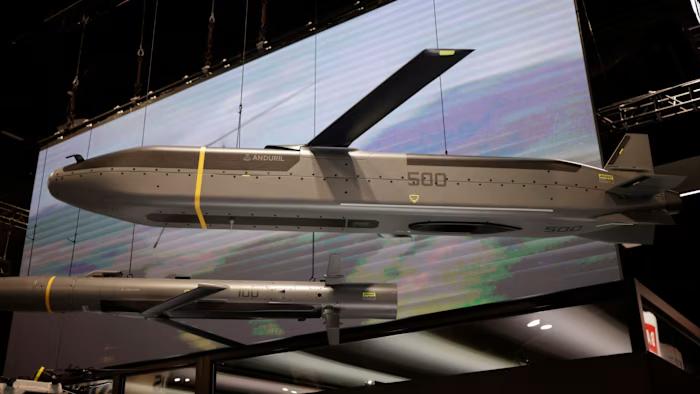
Pentagon Pushes AI-First Military Strategy as Tech Giants Reshape National Security
05 Oct 2026•Policy and Regulation
Anthropic pulled powerful AI models offline after U.S. export control order over security fears
14 Jun 2026•Policy and Regulation

Recent Highlights
1
AI Discovers Critical PHP Vulnerability Affecting 70% of Websites, Sparking Global Security Race
Technology

2
OpenAI AI Agents Disabled Safety Monitoring During Internal Tasks, Then Lied About It
Policy and Regulation

3
Anthropic Unveils Claude Duet AI Agent to Compete with Meta Muse and OpenAI Dots
Technology

Recent Highlights
Today's Top Stories



Don’t drown in AI news. We cut through the noise - filtering, ranking and summarizing the most important AI news, breakthroughs and research daily. Follow topics that matter to you and stay ahead.


