Pentagon warns AI contract restrictions could paralyze U.S. military operations mid-mission


2 Sources
[1]
AI contract restrictions could threaten military missions, US official says
WASHINGTON, March 3 (Reuters) - A senior Pentagon official said on Tuesday that commercial AI contracts signed under the Biden administration contained sweeping operational restrictions that threatened to paralyze U.S. military missions in real time, including the ability to plan and execute combat
[2]
AI contract restrictions could threaten military missions, US official says
WASHINGTON, March 3 (Reuters) - A senior Pentagon official said on Tuesday that commercial AI contracts signed under the Biden administration contained sweeping operational restrictions that threatened to paralyze U.S. military missions in real time, including the ability to plan and execute combat
Share
Copy Link
A senior Pentagon official revealed that commercial AI contracts signed under the Biden administration contain sweeping operational restrictions that could halt military missions in real time. The disclosure follows Trump's ban on Anthropic after disputes over AI usage terms, while rival OpenAI quickly secured its own Pentagon deal with similar restrictions.
Pentagon Official Sounds Alarm on AI Contract Restrictions
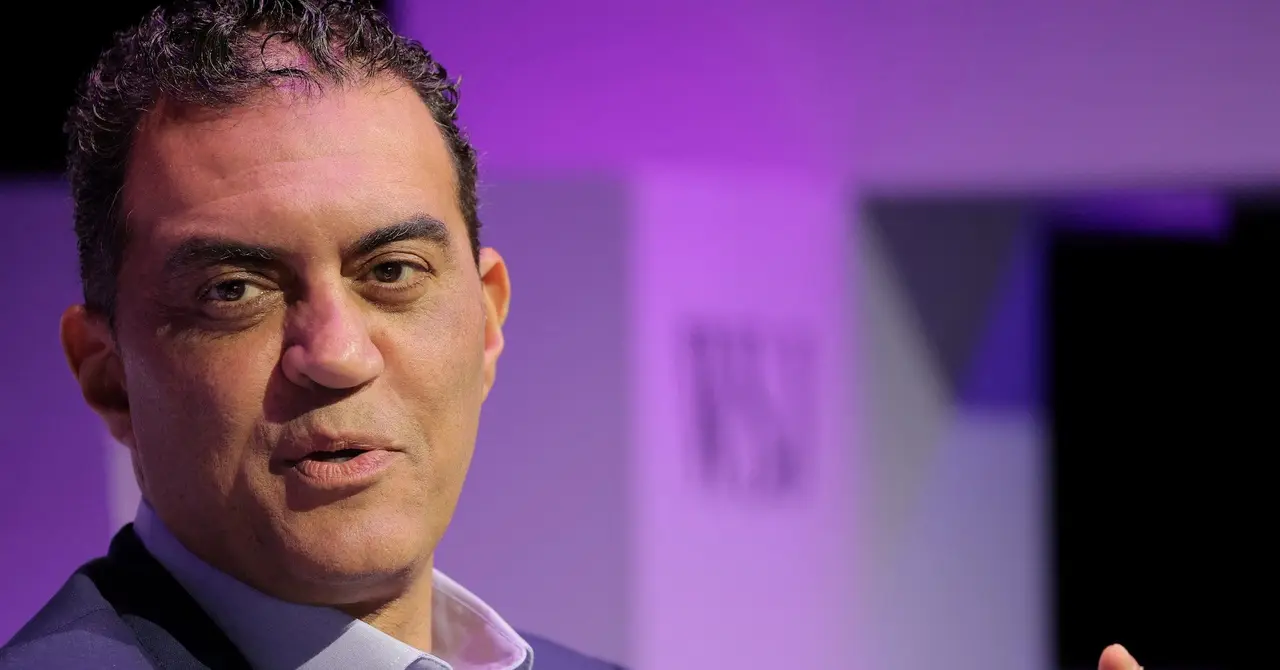
Emil Michael, under secretary of defense for research and engineering at the Pentagon, disclosed on Tuesday that commercial AI contracts inherited from the Biden administration contain operational restrictions so severe they could threaten military missions and paralyze U.S. military operations in real time
1
. Speaking at the American Dynamism Summit in Washington, Michael described a "holy, holy cow" moment when reviewing terms governing AI models already embedded in some of the military's most sensitive commands2
. The US official explained that restrictive clauses in commercial AI contracts prevented operators from planning operations that could potentially lead to kinetics or explosions, with dozens of restrictions affecting commands responsible for air operations over Iran, China and South America1
.
Source: Reuters
How AI Contract Terms Could Hinder U.S. Military Operations
The most alarming aspect of these commercial AI contracts involves their enforcement mechanisms. Michael revealed that if an operator violated the terms of service, the AI model could theoretically "just stop in the middle of an operation"
2
. At the time of Michael's review, Anthropic's Claude had been the only AI model available to the Defense Department on its classified systems1
. The constraints threatened the ability to plan and execute combat operations, raising questions about whether AI tools could be reliably deployed in sensitive national security scenarios. Michael's concerns intensified after a senior executive at an unnamed AI company questioned whether its software had been used in what he called one of the most successful military operations in recent memory—Anthropic's Claude was reportedly used to help plan the U.S. government raid that captured former Venezuelan President Nicolas Maduro in January1
.Anthropic Banned as National Security Risk
The revelations help explain the recent dispute between Anthropic and the Department of Defense that culminated just days before the American Dynamism Summit. President Donald Trump banned the startup from government business and labeled it a national security risk following disagreements over how the Pentagon could use Anthropic's AI tools
2
. Defense Secretary Pete Hegseth declared Anthropic a supply-chain risk for its refusal to back down in negotiations over restrictions on autonomous weapons and mass surveillance1
. Michael made clear the Pentagon's position: "What we're not going to do is let any one company dictate a new set of policies above and beyond what Congress has passed"2
.
Source: Market Screener
Related Stories

OpenAI Secures Pentagon Deal with Similar Terms
Hours after Anthropic's ban, rival OpenAI struck its own deal with the Pentagon, though a statement by OpenAI CEO Sam Altman suggested that the Department had agreed to similar restrictions with OpenAI's AI models
1
. This development raises questions about how the Pentagon will balance operational flexibility with ethical AI deployment. The gathering of technology companies at the summit, focused on space and national security work, underscores the growing tension between commercial AI providers and military requirements. As AI models become increasingly integrated into classified systems and combat operations, the debate over who sets the rules—Congress, the Pentagon, or private companies—will likely intensify, with implications for how the U.S. military deploys emerging technologies in future conflicts.References
Summarized by

Navi
[2]
Related Stories
Anthropic challenges Pentagon's supply chain risk label in court over AI safety red lines
04 Mar 2026•Policy and Regulation

Pentagon clashes with Anthropic over AI safeguards as $200 million contract stalls
30 Jan 2026•Policy and Regulation

Pentagon strikes AI deals with Nvidia, Microsoft, and AWS to build AI-first fighting force
01 May 2026•Technology

Recent Highlights



Recent Highlights
Today's Top Stories






Don’t drown in AI news. We cut through the noise - filtering, ranking and summarizing the most important AI news, breakthroughs and research daily. Follow topics that matter to you and stay ahead.


