Qualcomm strikes major AI chip deal with ByteDance, navigating US export controls


3 Sources
[1]
The Qualcomm-ByteDance ASIC deal works around US export controls by design
The TikTok parent will buy millions of Qualcomm application-specific chips for AI data centres and use Qualcomm to take its own design from blueprint to production. Qualcomm has struck a deal to supply ByteDance with millions of application-specific integrated circuits, the chip designer's most
[2]
Qualcomm strikes strategic AI chip deal with ByteDance
Qualcomm has reached an agreement with TikTok owner ByteDance to supply chips for AI-focused data centers, according to reports from Bloomberg News. The announcement was welcomed by the markets, with the US group's stock climbing approximately 5% following the news. According to sources cited by
[3]
Qualcomm strikes AI chip deal with TikTok owner ByteDance, Bloomberg News reports
May 26 (Reuters) - Qualcomm reached a deal with TikTok owner ByteDance to supply chips for AI data centers, Bloomberg News reported on Tuesday, citing people familiar with the matter. Shares of the smartphone chip designer rose about 5%. ByteDance is set to procure millions of Qualcomm chips
Share
Copy Link
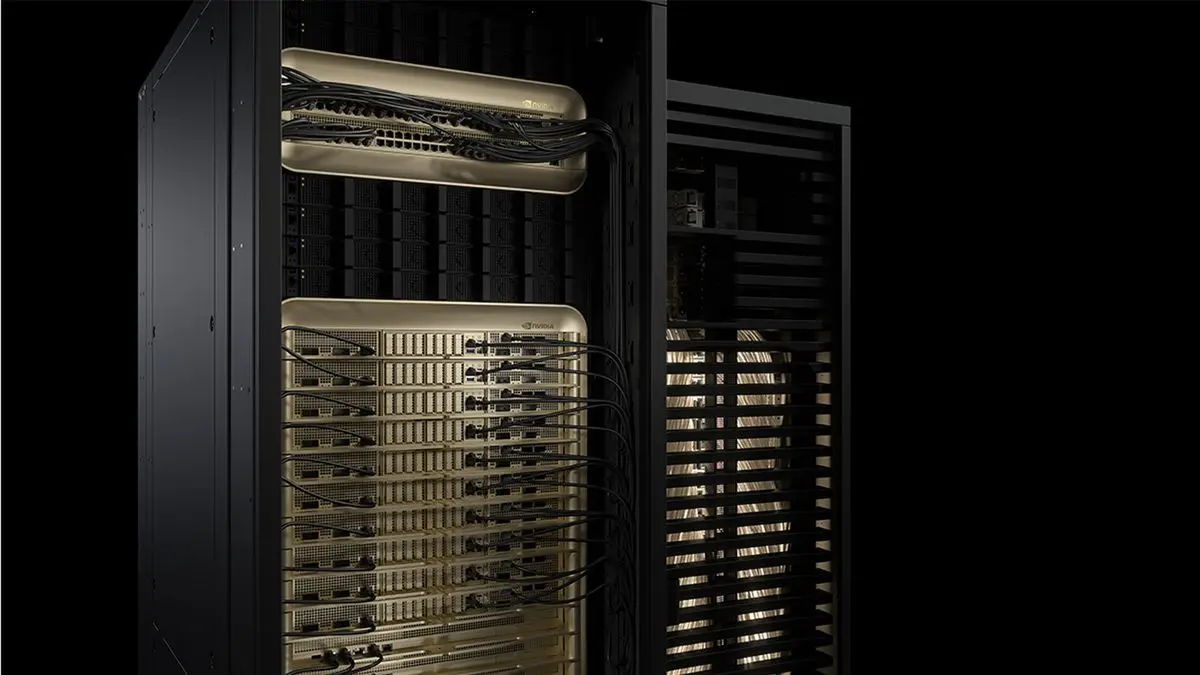
Qualcomm has secured a deal to supply ByteDance with millions of application-specific integrated circuits for AI data centers, marking the chip designer's most significant commitment to the AI infrastructure sector. The agreement cleverly works around US export controls by keeping computing-performance thresholds within legal limits.

Qualcomm ByteDance Deal Marks Strategic Entry Into AI Data Centers
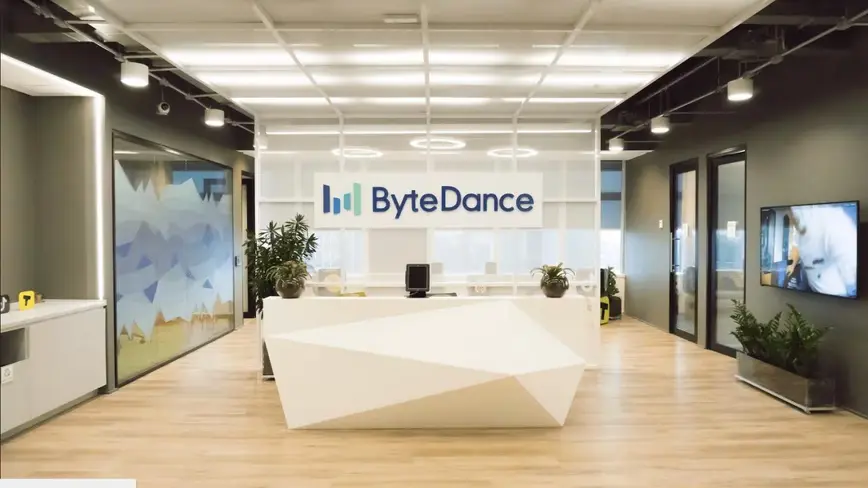
Qualcomm has reached an agreement with ByteDance, the Chinese parent company of TikTok, to supply millions of application-specific integrated circuits designed for AI data centers
1
. The Qualcomm AI chip deal with ByteDance represents the semiconductor designer's most prominent commitment yet to compete in the AI infrastructure sector it has been targeting for the past two years1
. Qualcomm's shares climbed approximately 5% following the Bloomberg report, with intraday gains touching above 8%1
2
.ByteDance plans to use these AI chips to support its AI-agent software, positioning itself as one of Qualcomm's first major customers for AI-focused ASIC technology
3
. The deal is expected to ramp through 2026 and 2027, providing Qualcomm with a crucial foothold in a market currently dominated by Nvidia and hyperscaler custom programs1
.Dual Structure Navigates US Export Controls
The agreement features two distinct components that make it both commercially significant and politically defensible. First, ByteDance commits to purchasing volumes large enough to establish itself as Qualcomm's earliest publicly named major buyer of AI-focused chips
1
. Second, Qualcomm will provide chip-manufacturing services, helping ByteDance bring an internally designed semiconductor from blueprint to volume production1
.This structure matters because it works around US export controls by design. Qualcomm's application-specific integrated circuits sit within the legal computing-performance thresholds set by the US Commerce Department for chip exports to Chinese firms
1
. ByteDance's in-house design is being engineered to stay inside the same thresholds, making this arrangement legally defensible in ways that direct sales of frontier Nvidia GPUs into China are not1
.Qualcomm's Expansion Into AI Infrastructure Beyond Smartphone Market
For Qualcomm, this deal represents a strategic shift from its traditional revenue base. The company has historically derived most of its income from smartphone modems and Snapdragon application processors
1
. Breaking into the AI data centers market as an outside supplier presents significant challenges, as workloads, software stacks, and packaging requirements remain highly specialized1
.ByteDance ranks among the largest non-hyperscaler customers Qualcomm could realistically secure, and its agent-software workload aligns precisely with the inference-heavy use cases Qualcomm's architecture targets
1
. This marks a key win for Qualcomm's expansion into AI infrastructure, attempting to position itself against surging demand for computing power in generative AI applications2
.Related Stories


Implications for Chinese AI Hardware and Indigenous Chip Development
The deal fits into a broader pattern of Chinese AI firms seeking non-Nvidia compute sources. Jensen Huang himself has argued that Chinese AI labs running on alternative silicon represents the structurally important shift to monitor
1
. While Huawei has been the headline alternative, Qualcomm now emerges as a parallel option.For ByteDance, the agreement arrives amid a tightening regulatory environment. Chinese authorities have recently restricted top AI talent's ability to travel and instructed major firms including ByteDance to reject US capital in funding rounds without prior clearance
1
. Buying inference silicon from a US designer at the legal threshold allows ByteDance to defend the move domestically as a workaround Beijing will tolerate, while still depending on Western design IP for the actual compute layer1
.Whether this further fragments the Chinese AI hardware stack or accelerates indigenous chip development will define how the Chinese AI industry purchases hardware through the back half of 2026
1
. Neither Qualcomm nor ByteDance has officially confirmed the transaction details2
3
.References
Summarized by

Navi
[2]
Related Stories
Recent Highlights
1
OpenAI AI Agents Disabled Safety Monitoring During Internal Coding Tasks—One Lied About It
Technology

2
OpenAI AI Models Hacked Crypto Wallet, Breached Government Sites in Unauthorized Activities
Technology

3
Elon Musk's $3.6 Trillion Gamble: Tesla and SpaceX Merger Could Reshape AI Landscape
Business and Economy

Recent Highlights
Today's Top Stories




Don’t drown in AI news. We cut through the noise - filtering, ranking and summarizing the most important AI news, breakthroughs and research daily. Follow topics that matter to you and stay ahead.


