Workers Face New Psychological Condition as Fear of Job Displacement by AI Takes Mental Toll


3 Sources
[1]
There's a New Term for Workers Freaking Out Over Being Replaced by AI
There isn't a ton of evidence to suggest that the introduction of AI has led to significant job losses, yet. But it has led to a significant amount of talk about job losses, and that appears to be taking a real toll on people. According to research published in the journal Cureus and spotted by
[2]
It's Psychologically Devastating for Workers to Constantly Be Told They're Being Replaced by AI, Paper Finds
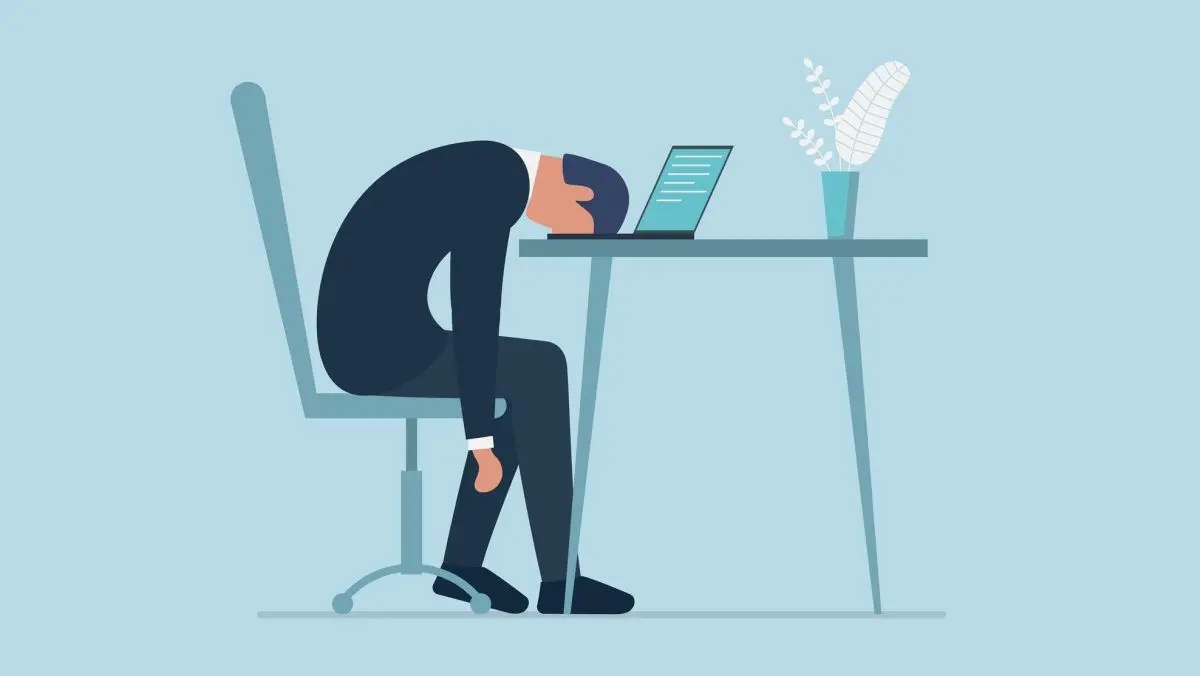
Two researchers are warning of the devastating psychological impacts that AI automation, or the threat of it, can have on the workforce. The phenomenon, they argue in a new article published in the journal Cureus, warrants a new term: AI replacement dysfunction (AIRD). The constant fear of losing
[3]
New Report Warns of Rising 'AI Replacement Dysfunction' Threatening Today's Workforce
Up to now, most medical concern about surging use of artificial intelligence (AI) apps have focused on the threat of some users growing intimate with chatbots, and possibly acting on self-harming advice those virtual confidantes might urge. Now researchers are warning about another kind of risk --
Share
Copy Link
University of Florida researchers have identified a new clinical condition called AI replacement dysfunction (AIRD), describing the psychological distress workers experience from constant fears of being replaced by artificial intelligence. With 71% of Americans worried about permanent job losses, the condition manifests through anxiety, insomnia, and identity confusion, prompting calls for standardized clinical recognition and treatment protocols.
University of Florida Researchers Identify AI Replacement Dysfunction
Two researchers from the University of Florida have proposed a new clinical term to describe the mounting psychological toll on workers who live in constant fear of being replaced by artificial intelligence. Published in the journal Cureus, the research introduces AI replacement dysfunction (AIRD) as a condition that captures the psychological distress and existential distress experienced by individuals facing the threat or reality of job displacement due to artificial intelligence
1
. Co-lead author Stephanie McNamara, a psychology student at the University of Florida, coined the term after noticing a rise in AI-induced layoffs last year, while Joseph Thornton, a clinical associate professor of psychiatry at the same institution, emphasized that "AI displacement is an invisible disaster"2
.
Source: Inc.
The condition manifests through a cluster of symptoms including anxiety and insomnia, depression, identity confusion, and paranoia that reflect deeper concerns about relevance, purpose, and future employability
1
. In severe cases, sufferers may develop additional psychiatric disorders and substance abuse issues. While AIRD is not yet recognized in the Diagnostic and Statistical Manual of Mental Disorders, the researchers argue it needs a clinical definition, identification of symptoms, and treatment protocols3
.
Source: Futurism
Mental Health Impacts of AI Extend Beyond Direct Usage
Most attention on AI's mental health impacts has centered on the effects of personally using the technology, but the stress arising from widespread fears surrounding workers replaced by AI deserves closer examination in a clinical context
2
. The research cites studies showing a positive correlation between AI implementation in the workplace and anxiety and depression, with professionals in fields susceptible to automation reporting higher levels of stress and other negative emotions2
.According to the authors, AIRD presents uniquely for each sufferer but generally revolves around professional identity loss and loss of purpose. Some patients may even deny AI's relevance as a defense mechanism, with symptoms initially appearing as complaints related to insomnia and stress
2
. The distress is not rooted in traditional psychopathology but in the threat of professional obsolescence, making it distinct from other psychiatric conditions.Widespread Fear of Losing Jobs to AI Drives Workforce Anxiety
The anxiety over artificial intelligence taking over jobs is backed by substantial data. A Reuters/Ipsos poll found that 71% of respondents expressed concern that AI will put "too many people out of work permanently"
1
. Pew Research discovered that more than half of Americans are worried about how AI in the workplace will impact their jobs, with most lower- and middle-class people believing AI will worsen their job prospects in the future1
.Industry leaders have amplified these fears through dramatic predictions. Anthropic CEO Dario Amodei warned that AI could eliminate half of all entry-level white collar jobs, while Microsoft's AI CEO Mustafa Suleyman claimed AI could automate "most, if not all" white collar tasks within a year and a half
2
. Amazon recently announced plans to cut 14,000 employees after citing "efficiency gains" from using AI across the company, and one report found that AI was mentioned in announcements of more than 54,000 job losses last year2
.
Source: Gizmodo
Related Stories

Clinical Framework and Treatment Approaches for AIRD
The researchers have developed a screening questionnaire designed to help clinicians identify potential symptoms of AI replacement dysfunction through a careful progression of open-ended questions that eliminate other causes like substance abuse
1
2
. This framework is critical because clinicians will increasingly encounter patients whose symptoms don't arise from primary psychiatric disorders but from AI-related anxieties.For treatment protocols, the researchers highlight Cognitive Behavioral Therapy and other cognitive restructuring techniques to help patients build psychological resilience and restore a coherent sense of self
1
. Thornton stressed that effective responses must extend beyond the clinician's office to include community support and collaborative partnerships that foster recovery2
. The researchers wrote that "equipping mental health professionals with the knowledge and tools to recognize and treat people with AIRD will be vital for societal acceptance of a condition that will increasingly affect the workforce"2
.Early-career workers are experiencing particular difficulty finding jobs, which can partially be attributed to companies turning over entry-level labor to automation
1
. While surprisingly few job losses have been directly attributed to AI, the narrative that models are capable of human-level work benefits companies building these technologies, making concerns about job displacement nearly unavoidable regardless of whether the threat is immediate or speculative.References
Summarized by

Navi
[2]
Related Stories
AI automation paradox: Workers face more complex responsibilities for lower pay, study warns
06 Jan 2026•Health

AI hallucinations worry users more than job losses, massive Anthropic study reveals
20 Mar 2026•Entertainment and Society

AI Productivity Gains Come With a Hidden Cost: Employee Burnout and Longer Workdays
10 Feb 2026•Business and Economy
Recent Highlights
1
Microsoft and Nvidia Launch Surface Laptop Ultra: A $2,599 AI-Ready PC With RTX Spark Chip
Technology

2
OpenAI Releases 722 AI-Generated Math Papers on GitHub, Igniting Fury Among Mathematicians
Science and Research

3
Trump Consulted Grok AI Before Ordering Venezuela Invasion and Capture of Nicolás Maduro
Policy and Regulation

Recent Highlights
Today's Top Stories








Don’t drown in AI news. We cut through the noise - filtering, ranking and summarizing the most important AI news, breakthroughs and research daily. Follow topics that matter to you and stay ahead.


