Rivian ditches Apple CarPlay and Android Auto, betting AI infotainment will reshape in-car controls


4 Sources
[1]
Rivian is pretty sure customers want AI, not Android Auto
The company's proprietary AI software may eventually integrate with apps like Gemini to control apps on your phone, Bensaid said. Electric vehicle maker Rivian is about to launch its new SUV, the R2, on June 9. In a recent podcast appearance, the automaker's software chief Wassym Bensaid dismissed
[2]
Why Rivian is ignoring Android Auto for a solution that might not work
I've been covering Android and other mobile technology for close to ten years now, with a specific interest in phone accessories, e-readers, and what makes each individual phone different from another. I delight in looking at the phone market from as many angles as possible, and while my opinions
[3]
Rivian Says Fight Over Apple CarPlay Is 'Completely Obsolete' Thanks To AI
* Rivian says that AI in the cabin is the future of in-car controls. * This essentially puts the debate over Apple CarPlay integration to bed, at least in Rivian's eyes. * Whether consumers agree remains to be seen. A lot of people love Apple CarPlay and Android Auto. The idea of mirroring your
[4]
Rivian's Software Chief Explains Why Apple CarPlay, Android Auto And Even Analogue Buttons Are Destined T
Rivian Rejects Screen Mirroring Approach "The challenge with screen mirroring solutions is that they take over every single pixel in the car," Bensaid said, speaking on The Verge's latest episode of the 'Decoder' podcast. He said Rivian instead wants to build its own interface around "end-to-end
Share
Copy Link
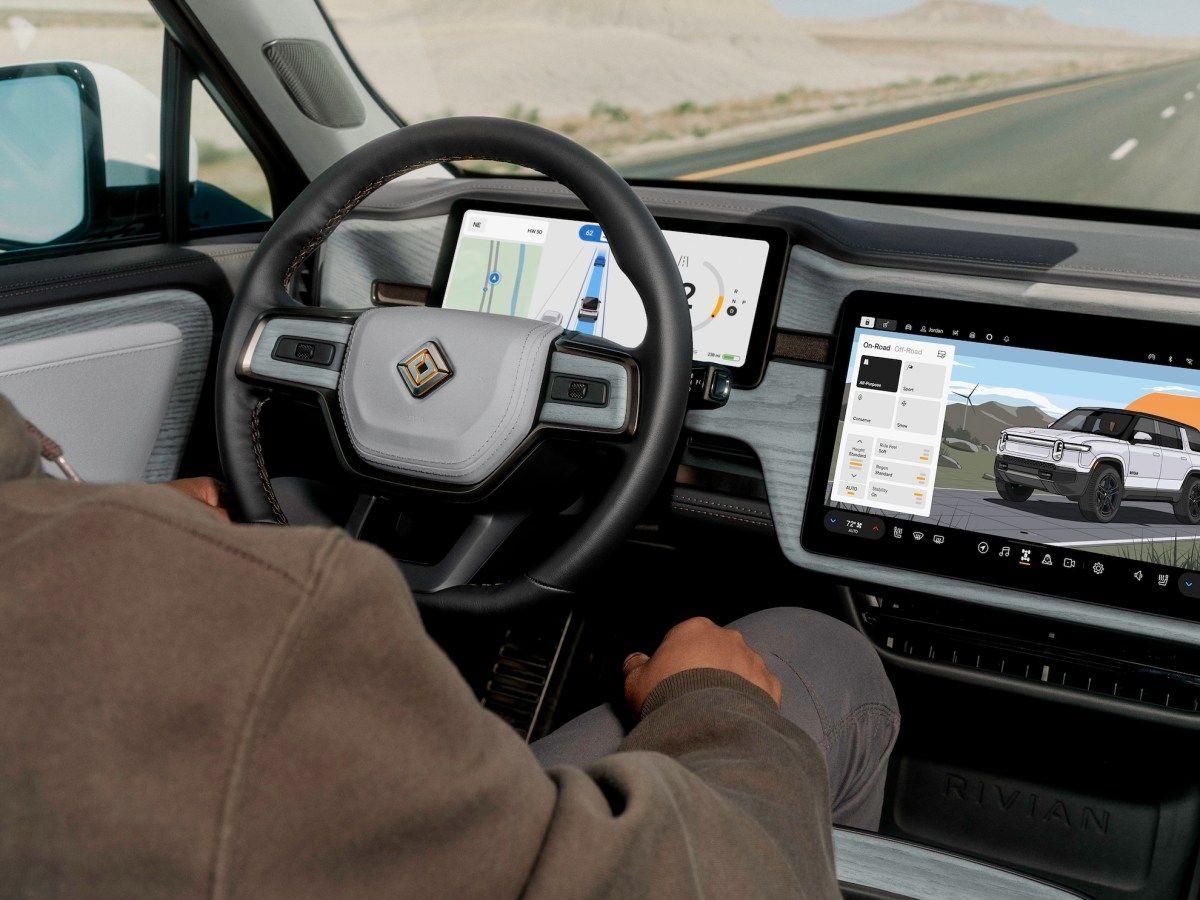
Electric vehicle maker Rivian is doubling down on its proprietary AI-powered infotainment system, rejecting Apple CarPlay and Android Auto integration. Chief Software Officer Wassym Bensaid says deep AI integration makes screen mirroring obsolete, as customer demand for CarPlay has dropped from over 70% to under 25% in five years. The company's Rivian Assistant aims to control apps through voice interaction rather than traditional buttons or phone mirroring.
Rivian Rejects Apple CarPlay and Android Auto for Proprietary AI Infotainment
Electric vehicle manufacturer Rivian is firmly rejecting popular third-party infotainment systems like Apple CarPlay and Android Auto, instead betting its future on an in-house AI-powered solution. Speaking on The Verge's Decoder podcast, Rivian's Chief Software Officer Wassym Bensaid declared that "deep AI integration" makes "the entire CarPlay debate completely obsolete."
1
The announcement comes as the company prepares to launch its new R2 SUV on June 9, signaling a clear direction for Rivian's software philosophy that diverges sharply from most automakers.
Source: Benzinga
Bensaid explained that screen mirroring solutions present a fundamental challenge because "they take over every single pixel in the car."
4
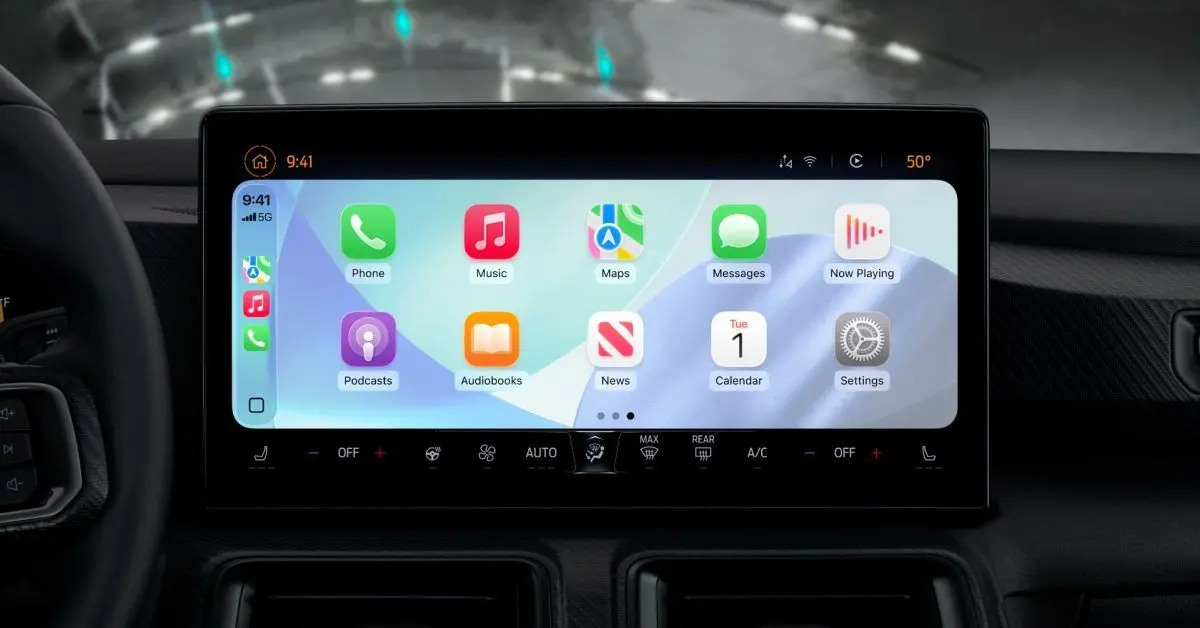
Instead, Rivian wants to build its own interface around what Bensaid calls "end-to-end integration," where the company maintains control over the entire user experience. This approach stands in stark contrast to the screen mirroring approach favored by tech giants Apple and Google, which has become the industry standard for most vehicle manufacturers.Customer Demand Shifts as Rivian Improves Its Software
Perhaps most striking is Bensaid's claim about changing customer preferences. According to internal surveys, more than 70% of Rivian customers requested Apple CarPlay when the company first launched vehicles about five years ago. However, in a more recent survey, that number has plummeted to under 25%.
1
Bensaid attributes this dramatic shift to the number of features Rivian has shipped over the last five years, suggesting the company has successfully upped the convenience level of its in-car technology faster than Apple could pump out similar integrations in CarPlay.3
This data point matters significantly for the broader automotive industry. If Rivian can demonstrate that customers genuinely prefer a well-executed proprietary system over the familiar comfort of their smartphone ecosystem, it could validate similar strategies being pursued by Tesla and General Motors, both of which have also resisted CarPlay integration.
Rivian Assistant Aims to Replace Traditional In-Car Controls

Source: InsideEVs
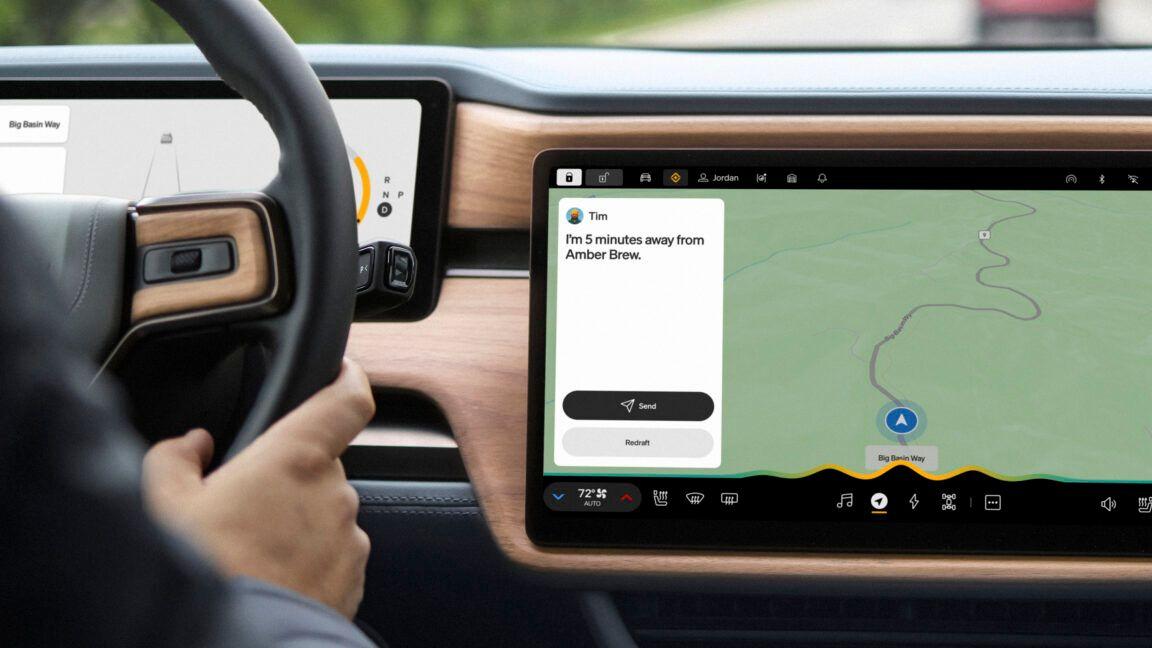
At the heart of Rivian's strategy is the subscription-based Rivian Assistant, described as an AI-based digital co-pilot. The software is deeply integrated into Rivian's vehicles, where it can adjust vehicle settings and features, summarize texts from a paired phone, and answer troubleshooting questions about specific vehicles.
1
Bensaid envisions voice interaction becoming "the primary interface in the car," minimizing the need for physical buttons or digging through software menus to find features.3
The company's vision extends beyond simple voice commands. Bensaid explained that "in the future," Rivian Assistant will integrate with other AI assistants like Gemini to control specific apps on users' phones by voice, eliminating the need for traditional phone projection onto in-car displays.
1
This agentic approach represents a fundamental rethinking of how drivers interact with technology. "I really believe that the way you interact with apps which are mono-threaded, single buttons, single icons, a lot of that will be now completely reshaped into a world where it will become an agentic integration that presents itself into a wholesome user experience," Bensaid said.4
Related Stories

Data Privacy and Control Drive Strategic Decision
Behind Rivian's rejection of Android Auto and Apple CarPlay lies a less-discussed but equally important factor: data privacy and control. As things stand, Apple and Google currently receive data gleaned from a car's journey and the apps used—data that car companies would much rather keep for themselves. By maintaining its own system, Rivian retains complete control over user data and can develop features without waiting on third-party partners to implement similar functionality.
The approach also offers technical advantages. Bensaid noted that much of the AI inference could be moved to local compute, presumably thanks to the upcoming XMM3 infotainment chipset, meaning vehicles could process conversational commands using their own hardware rather than relying entirely on distant data centers.
3
To manage costs, Rivian could rate-limit users who spend excessive time conversing with the assistant.Risks and Questions Remain About AI-First Strategy
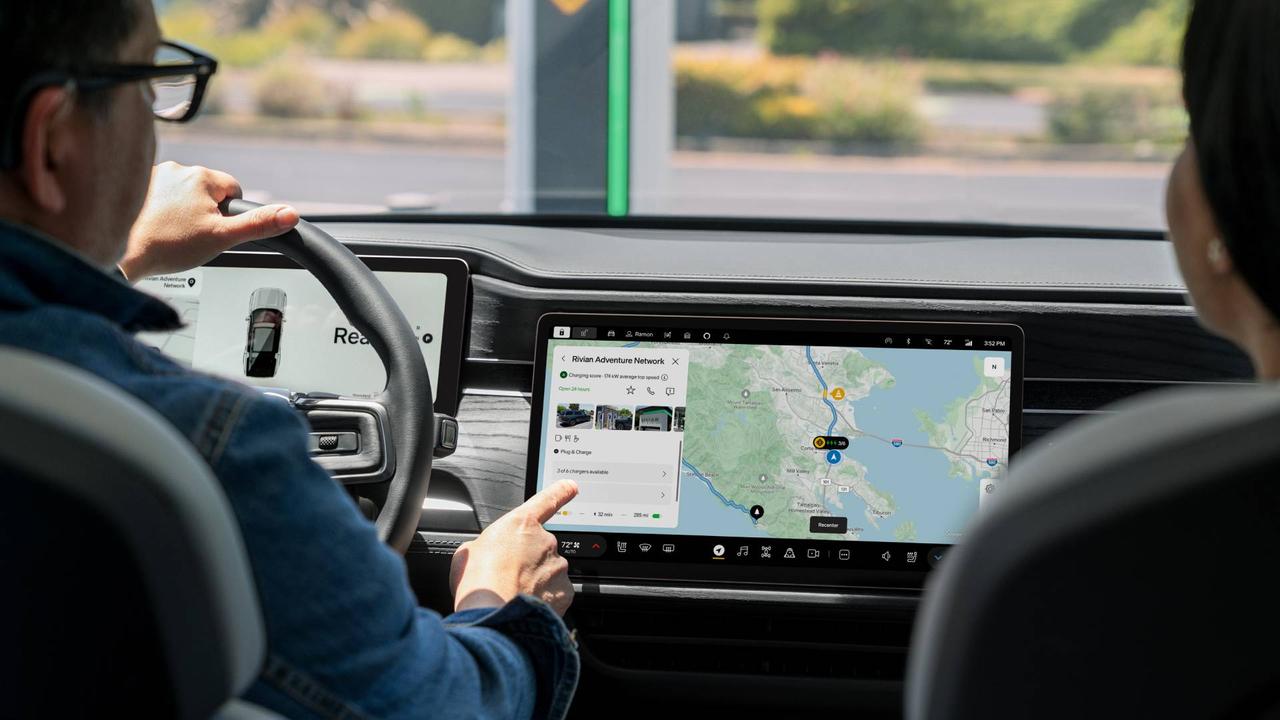
Source: Android Authority
While Rivian's confidence is notable, significant questions remain about whether this gamble will pay off. Services like Android Auto and Apple CarPlay are popular precisely because they work reliably, offering baked-in support for countless apps without extra work for automakers.
1
These platforms effectively killed off the old generation of bug-ridden, barely updated manufacturer infotainment systems that drivers despised.As useful as AI can be for various tasks, it remains prone to hallucinations and makes mistakes alongside its successes. Relying on it to replace a reliable software experience like Android Auto may be asking too much of any in-house AI assistant.
2
Even Rivian's own customers have complained about in-car voice recognition in the past, which means the company must deliver substantial improvements to justify its rejection of proven alternatives.Bensaid acknowledged that an AI agent capable of truly replacing CarPlay apps will take time to develop.
4
Whether Rivian or any other automaker can deliver a magical AI-powered car at scale remains an open question. For now, Rivian stands as a notable US holdout in CarPlay adoption, and given Bensaid's comments, that's unlikely to change anytime soon.1
The industry will watch closely to see if Rivian's bet on AI infotainment validates a new direction for automotive software or serves as a cautionary tale about abandoning what already works.References
Summarized by

Navi
[1]
[2]
Related Stories
Rivian CEO Defends Decision to Exclude CarPlay, Citing Future AI Integration
06 Oct 2025•Technology
Rivian rolls out AI assistant with full vehicle control, outpacing Tesla's Grok
12 May 2026•Technology
Rivian unveils custom AI chip and autonomous driving tech with lidar, hinting at robotaxi future
10 Dec 2025•Technology
Recent Highlights
1
Microsoft and Nvidia Launch Surface Laptop Ultra: A $2,599 AI-Ready PC With RTX Spark Chip
Technology

2
Google Unveils Gemini 4 Argon AI Model, Restricts Access to Trusted Cyber Defenders
Technology

3
Trump Consulted Grok AI Before Ordering Venezuela Invasion and Capture of Nicolás Maduro
Policy and Regulation

Recent Highlights
Today's Top Stories






Don’t drown in AI news. We cut through the noise - filtering, ranking and summarizing the most important AI news, breakthroughs and research daily. Follow topics that matter to you and stay ahead.


