Samsung Health AI Training Consent Sparks Privacy Concerns Over Misleading Data Deletion Warnings


12 Sources
[1]
Don't Want Your Health Data to Train Samsung's AI? Here's How to Save Your Stats and 6 Alternatives to Try
Samsung is making it harder for you to opt out of AI training in its Health app. As How-To Geek reports, users are seeing a notification when launching the app that introduces a new privacy toggle called "Consent to the use of health data for AI training and modeling." If you toggle it off, the
[2]
Samsung Health App May Erase Your Data If You Opt Out of AI Training
Samsung is making it harder for you to opt out of AI training in its Health app. As How-To Geek reports, users are seeing a notification when launching the app that introduces a new privacy toggle called "Consent to the use of health data for AI training and modeling." If you toggle it off, the
[3]
Samsung Health won't actually delete your data if you opt out of AI training
Opting out of allowing your data to be used for AI training doesn't actually seem to affect Samsung Health functionality, based on testing. A troubling new pop-up in Samsung Health started making the rounds yesterday. Users interacting with a toggle to opt out of their health data being used to
[4]
Samsung is deleting your health data if you refuse to let it train its AI
I've been covering Android and other mobile technology for close to ten years now, with a specific interest in phone accessories, e-readers, and what makes each individual phone different from another. I delight in looking at the phone market from as many angles as possible, and while my opinions
[5]
Samsung Health won't delete all of your data if you opt out of AI training after all [U]
As its new redesign rolls out, Samsung Health is also forcing users into a choice - let their data be used for AI training, or make it effectively unusable in the long term. Update 7/15: In a statement to 9to5Google, Samsung says that it won't delete all of your data if you opt-out of AI training.
[6]
Samsung will kill your health data if you don't consent to AI training
Disabling this toggle means you can't sync health data to your Samsung account and that this data will be deleted. The Samsung Health app has received some major additions so far this year. Unfortunately, it looks like the company is holding your health data hostage if you don't agree to a
[7]

Refusing Samsung Health AI training will not wipe your health history after all
A confusing Samsung Health AI warning is getting clearer language Samsung Health recently began asking users to allow their health information to be used for AI training and modeling. The permission was described as optional, but the warning shown when users declined or withdrew consent created a
[8]
Samsung Health will delete your data unless you hand it over for AI training
As its new redesign rolls out, Samsung Health is also forcing users into a choice - let their data be used for AI training, or make it effectively unusable in the long term. The folks over at How-To Geek picked up on a new consent notice being sent out to Samsung Health users that allows Samsung
[9]
Samsung Health threatens to delete your data if you opt out of AI training
If you use Samsung Health to track your sleep, workouts, or medications, you may have noticed a new consent toggle pop up in the app this week. Samsung is now asking users to allow their personal health data to be used for AI training and modeling. The catch is hard to miss: say no, and Samsung
[10]

Samsung is holding your health data hostage to train its AI
Samsung is forcing users to consent to AI training in the Samsung Health app or face losing access to their health data. The controversial new toggle, now appearing in the app, requires users to allow their health information to be used for AI modeling or risk having it deleted. The notice, titled
[11]

Samsung Health just turned AI training into a requirement, not a choice
Samsung Health's recent AI overhaul added tools like Vitals and a new Heart Health Score. Samsung Health AI training now comes with strings attached. According to a report from How-to-Geek, a new in-app toggle asks users to consent to AI training on their health data. Saying no comes with a real
[12]

Samsung Health may soon ask users to share health data for AI training
The collected data is expected to power new AI-driven health features arriving with the Galaxy Watch 9 and future Galaxy devices. Samsung seems to be relying on AI for its health ecosystem but the move may need users to make big privacy decisions. As per multiple reports, the company has started
Share
Copy Link
Samsung Health introduced a controversial privacy toggle requiring user consent for AI training, warning that opting out would delete health data and stop syncing. The company later clarified the misleading notice only deletes data collected for AI development, not user-facing health records, but the poorly worded warning has sparked concerns about anti-consumer practices.
Samsung Health Introduces Controversial AI Training Consent
Samsung Health users are encountering a new privacy toggle labeled "Consent to the use of health data for AI training and modeling" when launching the app
1
2
. The Samsung Health app now requires users to make a choice about whether their personal health information can feed the company's AI models. If users attempt to opt out of AI training by toggling off this consent, a pop-up warning appears stating that health data will be deleted and syncing with Samsung accounts will cease5
. The alert specifically warns: "You will not be able to sync health data with your Samsung account and your health data will be deleted unless retained pursuant to applicable law"1
.
Source: Digit
What User Health Data Samsung Collects for AI Training
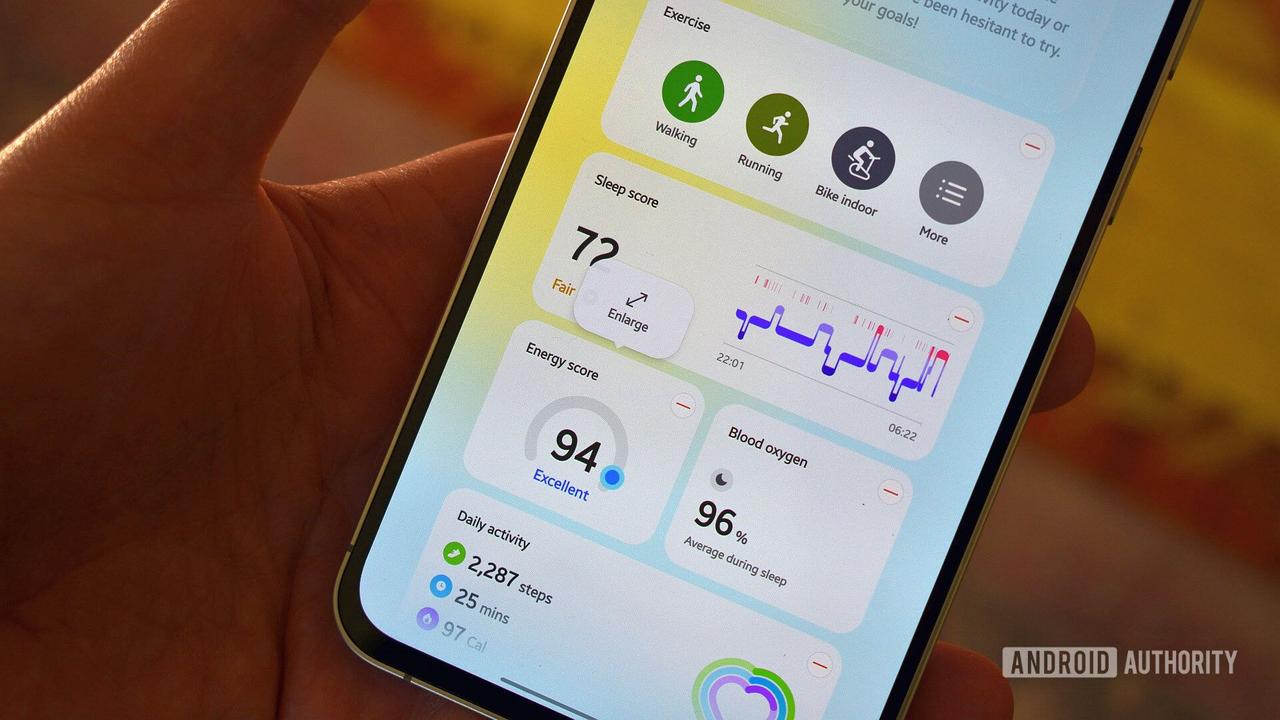
According to a Samsung support page, the data for AI training encompasses an extensive range of sensitive information including body measurements, nutrition data, step counts, sleep metrics, medication data, health records, cycle tracking data, menstrual cycles, and even complete medical records with treatments and test results
4
5
. Samsung explains that this health data will be used for AI training and modeling, including human review, to improve Samsung Health algorithms that analyze health conditions and AI features5
. Tech companies have been collecting copious amounts of user data because real-world information helps improve the accuracy and performance of their AI models2
. Many AI companies are facing lawsuits and scrutiny for allegedly scraping copyrighted or personal data without permission1
.
Source: Android Authority
Samsung Clarifies Misleading Data Deletion Warning
The alarming pop-up warning sparked immediate backlash, but Samsung has since issued a clarification. According to SamMobile, Samsung explained that the warning about health data deletion refers specifically to "data that has been separately collected and used for AI development purposes," not the health data stored for Samsung Health services
3
. In a statement to 9to5Google, Samsung confirmed it will only delete "data collected for AI development" when user consent is withdrawn, while existing health data will be retained so users can continue using Samsung Health without interruption5
. Testing by SamMobile verified that revoking AI training consent doesn't actually delete user-facing data, and data syncing continues to work despite the poorly phrased warning3
. Samsung acknowledged the confusion and stated it is working on improving the notice text to be clearer3
.Related Stories

Privacy Concerns and Anti-Consumer Practice Allegations
The initial wording of the privacy policy has been characterized as an anti-consumer practice by critics who argue Samsung is essentially holding user health data hostage
4
. The controversy centers on Samsung's approach to user consent—millions of users have been relying on the Samsung Health app for years, long before this AI training requirement was introduced4
. Users who want to opt out of AI training can navigate to Samsung Health settings, select Privacy, and disable the toggle next to "Consent to the use of health data for AI training and modeling"1
. For those considering alternatives, users can download their personal data through the Samsung Health app by accessing Settings, selecting Download personal data, and granting necessary permissions1
. The broader context involves other tech giants implementing similar AI features—Google Health recently introduced a Google Gemini-powered health coach, though Google states its foundational language models are trained primarily on publicly available data from the internet1
. Apple has taken a different stance, stating it does not use users' private personal data or user interactions when training its foundation models1
. This incident underscores the importance of users regularly reviewing privacy settings in fitness trackers and health apps to understand what data they're sharing and with whom.
Source: 9to5Google
References
Summarized by

Navi
[1]
[3]
Related Stories
Samsung Health app overhaul brings AI-powered features to turn raw data into actionable guidance
30 May 2026•Technology

Samsung Health Assistant launches in beta to translate your health data into actionable insights
21 Jul 2026•Technology

Samsung Health to Introduce AI-Powered Assistant for Personalized Fitness Guidance
17 Sept 2025•Technology

Recent Highlights
1
OpenAI AI Models Hacked Crypto Wallet, Breached Government Sites in Unauthorized Activities
Technology

2
IMF Report Warns AI Market Correction Could Spark Global Financial Crisis With $1.4T at Risk
Business and Economy

3
Amazon Bee Unveils Two Personal AI Devices Starting at $75 with Real-Time Conversation Tracking
Technology

Recent Highlights
Today's Top Stories









Don’t drown in AI news. We cut through the noise - filtering, ranking and summarizing the most important AI news, breakthroughs and research daily. Follow topics that matter to you and stay ahead.


