AI Boom Sends San Francisco Housing Market Soaring as Homes Sell $1M Above Asking Price


4 Sources
[1]
Wealthy AI workers send San Francisco house prices soaring
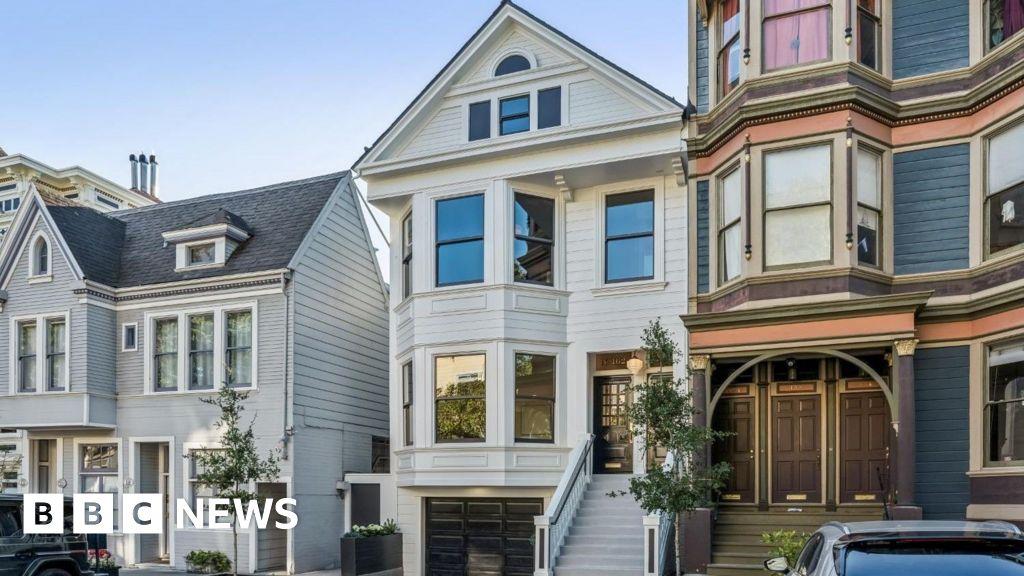
On a tree-lined street in the affluent Duboce Triangle residential neighbourhood of San Francisco, the top half of a white, Edwardian-era, detached house was drawing visitors from prospective buyers. The opulently renovated three-bedroom apartment was on the market for almost $3m (£2.3m). And it
[2]
In San Francisco, Some Home Sellers Now Ask for OpenAI or Anthropic Stock
When Nima Gabbay decided to sell his three-bedroom, two-bath San Francisco home for $2.995 million last month, his listing described the residence's soaring 10-foot ceilings, kitchen wrapped in Calacatta marble, remote-control skylights and oversize two-car garage. The 51-year-old real estate
[3]
How AI wealth is reshaping San Francisco's housing market
Why it matters: It's a striking illustration of how much purchasing power could enter a housing market already defined by scarce inventory and fierce competition. By the numbers: Former and current OpenAI employees could theoretically buy about a fifth of all residential real estate in the San
[4]
'Absolutely bananas': San Francisco homes sell for $1m above asking price amid AI boom
Report finds widespread overbidding as rapid AI growth generates increased wealth in city where housing is scarce San Francisco's AI boom has buyers spending unprecedented amounts of money on homes - much more than sellers are asking for. A new analysis from real-estate brokerage Compass, found
Share
Copy Link
San Francisco's housing market is experiencing unprecedented growth driven by AI wealth from companies like OpenAI and Anthropic. More than 140 homes sold for at least $1 million above asking price in the first half of 2026, compared to just eight in the same period last year. With both AI giants preparing for IPOs valued near $1 trillion, the city's median home price has reached a record $1.76 million, up 19% year-over-year.
AI Wealth Transforms San Francisco Housing Market
The San Francisco housing market is experiencing a dramatic transformation as AI wealth reshapes the city's real estate landscape. In the first half of 2026, more than 140 homes sold for at least $1 million above their asking price, with 44 of those sales occurring in June alone
4
. This marks a staggering increase from just eight such sales during the same period in 2025, illustrating what Compass chief economist Mike Simonsen describes as "absolutely BANANAS" market dynamics4
.The wealth generated by AI companies, particularly OpenAI and Anthropic, is driving this unprecedented surge. San Francisco reclaimed its position as the most expensive city for homebuyers in the US in March, with median house prices rising 19% year-over-year
1
. By May 2026, the median sale price reached a record high of $1.76 million, compared to nearly $400,000 for the US as a whole1
. The AI industry's rapid growth has created what real estate investor Nima Gabbay calls "a bit of a gold rush situation"2
.OpenAI and Anthropic Employees Drive Purchasing Power
The concentration of AI boom benefits is unprecedented. Former and current OpenAI employees possess approximately $135 billion in post-tax equity, enough to theoretically purchase about a fifth of all residential real estate in the San Francisco metro
3
. Anthropic employees hold an estimated $63 billion, accounting for another 9% of the market3
. Combined, this represents enough buying power to cover approximately 29% of the metro's $692 billion housing market3
.Stock options have become a critical factor in this tech boom. Last October, more than 600 current and former OpenAI employees sold combined shares worth $6.6 billion, averaging $11 million per participant
1
. Anthropic workers also recently sold shares totaling approximately $6 billion1
. Unlike previous tech booms, employees have accessed wealth through secondary share sales, tender offers, and loans backed by private stock before IPOs, eliminating the traditional wait for lockup periods to expire2
.Bidding Wars and All-Cash Purchases Dominate Market
Bidding wars have become commonplace across the San Francisco housing market, with properties sometimes selling millions above asking price
1
. A six-bedroom home in the Cow Hollow neighborhood with views of the Golden Gate Bridge sold for $15 million in May, nearly double its list price of $7.9 million2
. Sales of homes above $10 million have doubled over the past six months compared to a year earlier2
.All-cash purchases are surging, particularly at the upper end of the market, as AI workers compete for limited inventory
1
. Fewer than 600 homes are currently on the market, about 40% below San Francisco's average of the past decade2
. Single-family home prices have risen approximately 17% year-over-year while inventory has plummeted roughly 45%4
.Related Stories

Pre-IPO Stock Emerges as Novel Payment Option
In an unusual twist, some sellers are now accepting pre-IPO stock as payment for homes. Real estate investor Nima Gabbay listed his three-bedroom home for $2.995 million with a clause stating he would accept shares of OpenAI or Anthropic
2
. Two OpenAI employees came forward offering shares, with one bidding more than $1 million above asking price2
. However, real estate broker Danielle Lazier suggests this won't become the norm, noting "it's hard to imagine more than a handful of outlier sellers wanting stock shares over cold hard cash"3
.Economic Ripple Effects and Future Outlook
The anticipated IPOs of OpenAI and Anthropic, each valued at nearly $1 trillion, could create more than 16,000 millionaires and more than 20 billionaires
2
. This has created what Compass agent Pete Rodway describes as "a hysteria that's out there right now," with one OpenAI employee client scrambling to buy a $5 million home to beat "a thousand other people that are going to have a budget of $30 million"2
.The surging property prices and market concentration differ from previous tech booms. "What's different this time is that the benefits or the prosperity of AI seems much more concentrated," said Daryl Fairweather, chief economist at Redfin
4
. The luxury markets and areas proximate to AI-driven employment centers are seeing the most dramatic increases4
. Houses are selling at an average of 18 days on the market, the fastest pace in five years4
.Real estate agent Rachel Swann predicts that "today's bidding wars are going to be seen as bargains"
1
. However, University of California, Berkeley economics professor Enrico Moretti cautions it is still "very early" in the AI boom, noting that while the city's population and employment levels are rising, they remain below pre-pandemic levels1
. The overbidding phenomenon has not appeared in other tech hubs across the country, highlighting San Francisco's unique position4
. As the AI industry matures, questions remain about whether this concentration of wealth will sustain current real estate prices or if market dynamics will shift as companies move from innovation to established operations.References
Summarized by

Navi
Related Stories
AI Boom Fuels 39% Surge in Bay Area Luxury Homes Sales as OpenAI and Anthropic IPOs Loom
02 Sept 2026•Business and Economy

AI wealth boom sends San Francisco home prices surging 18% as OpenAI and Anthropic eye IPOs
11 Jun 2026•Business and Economy

AI boom splits Bay Area housing market: luxury homes surge 13% as affordable properties decline
07 May 2026•Business and Economy
Recent Highlights



Recent Highlights
Today's Top Stories







Don’t drown in AI news. We cut through the noise - filtering, ranking and summarizing the most important AI news, breakthroughs and research daily. Follow topics that matter to you and stay ahead.


