Saudi Arabia's The Line pivots from futuristic desert city to AI data center hub


4 Sources
[1]
Ambitious 170 km long Saudimegacity 'The Line' has scope slashed and may be repurposed as AI data center hub -- futuristic desert city was set to house 9 million people, and showcased polarizing sci-fi design
A new unconfirmed report claims that Saudi Arabia is planning to drastically reduce the size and scale of its Neom Megaproject, dubbed 'The Line,' a futuristic vision of a linear city that would have held 9 million people if realised. According to FT, Crown Prince Mohammed bin Salman is now
[2]
Saudi Arabia's Futuristic Megacity Runs Into Dilemma: Why Build Housing When You Can Build a Data Center?
Saudi Crown Prince Mohammed bin Salman had a vision for the perfect city: no streets, no cars, a completely sustainable environment that has everything a person could need. He's apparently willing to settle on just building some data centers. According to the Financial Times, the much-maligned
[3]
Saudi Arabia ditches its linear city dream to build an AI data center
Coastal access offers potential seawater cooling for desert data centers Saudi Arabia's Neom project, known as "The Line", was originally described as a linear urban development stretching roughly 170km across the desert. The concept envisioned a linear city with extreme density, automated
[4]
Saudi Arabia's The Line is collapsing into a hyphen
Saudi Arabia is officially gutting Neom and turning The Line into a server farm. After a year-long review triggered by financial reality, the Financial Times reports that Crown Prince Mohammed bin Salman's flagship project is being "significantly downscaled." The futuristic linear city known as
Share
Copy Link
Saudi Arabia is drastically downsizing its ambitious Neom megaproject, The Line, which was designed to house 9 million people across 170 kilometers. Crown Prince Mohammed bin Salman now plans to repurpose the site as an AI data center hub, leveraging Red Sea access for seawater cooling. The shift follows project delays, budget overruns, and financial constraints from declining oil revenues.
The Line Abandons Linear City Dream for AI Infrastructure
Saudi Arabia is dramatically scaling back its ambitious Neom megaproject, with The Line set to transform from a futuristic desert city into an AI data center hub, according to a Financial Times report
1
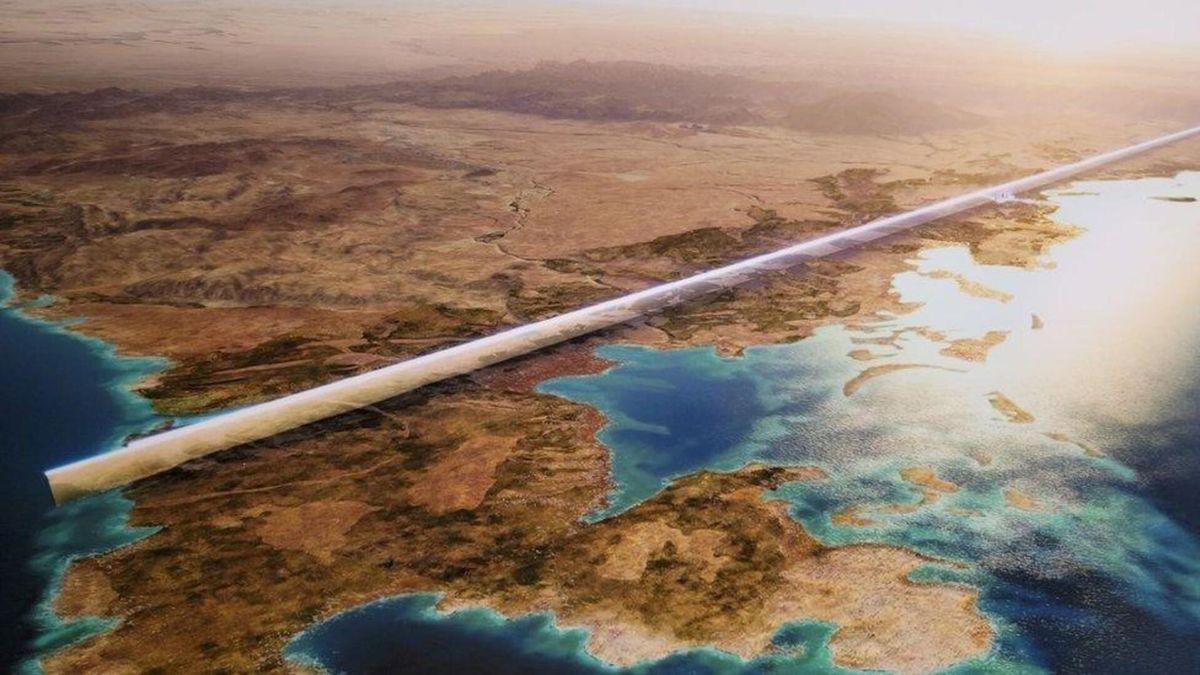
. Crown Prince Mohammed bin Salman's vision of a 170-kilometer linear city stretching across the desert, designed to house 9 million people, is being "significantly downscaled and redesigned"3
. The original concept promised a cognitive city measuring 500 meters in height but just 200 meters in width, featuring no cars or roads and 100 percent renewable energy production1
. That vision now appears flagged as overambitious.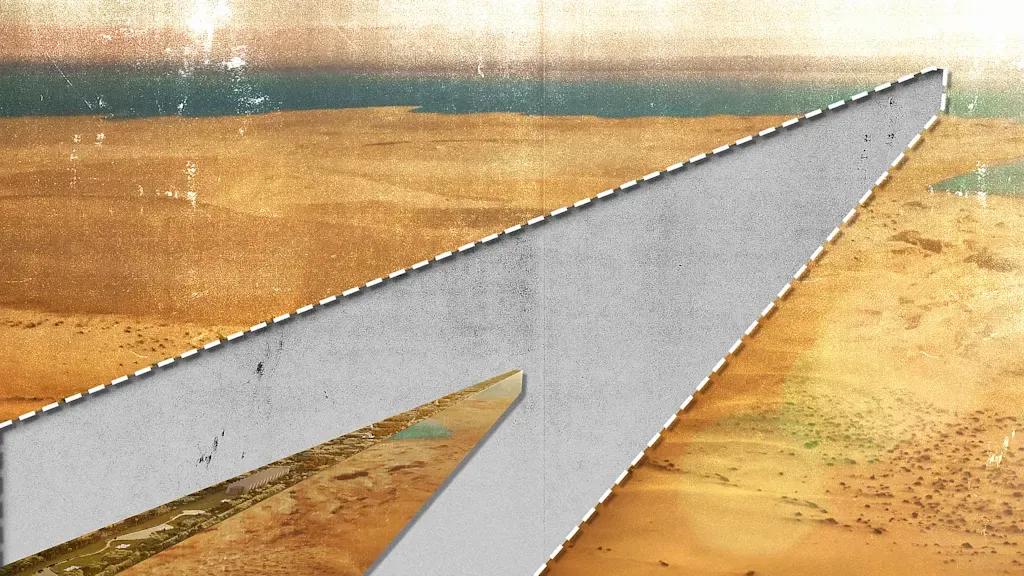
Source: Fast Company
Financial Constraints Drive Neom Megaproject Pivot
The dramatic shift follows a comprehensive review that revealed persistent project delays and substantial budget overruns
2
. Saudi Arabia is wrestling with tightening liquidity after a decade of massive spending, subdued oil prices, and competing commitments including the Expo trade fair and the 2034 World Cup1
. The kingdom's financial constraints have forced officials to reconsider priorities across multiple megaprojects tied to Saudi Vision 2030, the country's ambitious plan to reduce oil dependency4
. By April 2024, planners had already slashed the initial phase to just 2.4 kilometers by 2030, reducing the projected population from 1.5 million to fewer than 300,0004
. In a statement to Financial Times, Neom didn't deny the report, stating it was "always looking at how to phase and prioritise our initiatives so that they align with national objectives and create long-term value"1
.
Source: TechRadar
AI Data Center Hub Leverages Red Sea for Seawater Cooling
The revised plan positions The Line as a "totally different concept" focused on industry and as an AI data center hub
1
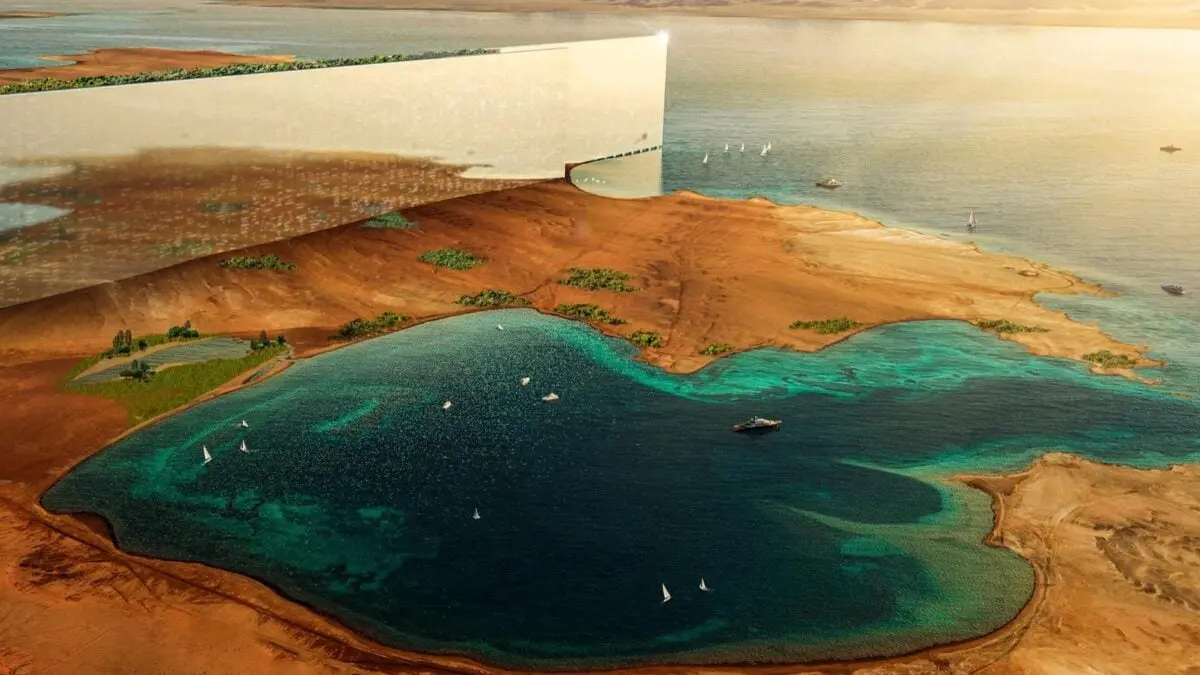
. Sources briefed on the matter indicate the coastal city will use seawater cooling from the Red Sea and become "a major center" for AI1
. The shift aligns with Crown Prince Mohammed bin Salman's aggressive push for the kingdom to become a leading player in the AI buildout race1
. In May 2025, Saudi Arabia received 18,000 AI GPUs from Nvidia for its state-sponsored data centers1
. The facilities will likely prioritize high-density server deployments for AI training and inference workloads, potentially utilizing bare metal infrastructure to maximize performance3
. The coastal access offers a practical advantage for cloud hosting operations, with one insider telling Financial Times that "data centers need water cooling and this is right on the coast"4
.
Source: Gizmodo
Related Stories

Climate Challenges Persist Despite Seawater Solution
Saudi Arabia faces a significant challenge with its hot and dry climate for data center operations. A recent report revealed that nearly 7,000 of the world's 8,808 operational data centers are built in the wrong climate, with Saudi Arabia among nations where nearly all facilities operate in zones considered too hot for efficient operation
1
. Independent research has identified sustained high temperatures and limited freshwater availability as persistent obstacles3
. Unfettered access to the Red Sea could provide a novel solution to this issue through seawater cooling systems1
. However, whether the downscaled facility will reach full AI capacity remains unclear, especially given scrutiny faced by similar projects like xAI's Colossus in Memphis, where satellite checks suggested limits in available electricity or cooling capacity3
.Human Rights Abuses Shadow Project Transformation
The failure of The Line carries a significant human cost beyond financial losses. To secure land for the project, the Saudi government conducted forced evictions and executed three people for refusing to vacate their homes
2
. Much of the construction has been performed by migrant workers exposed to slavery-like conditions, with reports from human rights groups indicating that dozens have died and many more sustained serious injuries while working on the project2
. The transformation from a city meant to house millions to infrastructure supporting AI systems raises questions about the human toll paid for a vision that may never materialize as originally promised. Observers note similar adjustments have already occurred across other Saudi megaprojects, suggesting flexibility rather than firm commitment to original scales or timelines3
. The pivot confirms what skeptics have long suspected: the laws of physics and economics have finally breached the walls of the kingdom's futuristic ambitions4
.References
Summarized by

Navi
[4]
Related Stories
Saudi Arabia's NEOM Secures $5 Billion Investment for AI Data Center
11 Feb 2025•Business and Economy

U.S. AI Startup Together AI Moves to Saudi Arabia Amid Data Center Backlash, Secures $5B Deal
31 Aug 2026•Business and Economy
Saudi Arabia's $600 Billion AI Push: Nvidia and AMD Partnerships Spark Global Tech Race
14 May 2025•Technology
Recent Highlights



Recent Highlights
Today's Top Stories



Don’t drown in AI news. We cut through the noise - filtering, ranking and summarizing the most important AI news, breakthroughs and research daily. Follow topics that matter to you and stay ahead.


