Sheryl Sandberg warns AI gender gap threatens to widen workplace inequality for women


3 Sources
[1]
Sheryl Sanberg: The AI gender gap is about recognition
Why it matters: Right now, AI ability is the skill many employers say they value most. * Down the line, this recognition gap could exacerbate existing gender pay and promotion inequalities, LeanIn founder Sheryl Sandberg tells Axios. Zoom in: 78% of men said they have used AI for work, compared
[2]
Sheryl Sandberg tapped a 25-year-old to run Lean In. Here's her plan to close the AI gender gap | Fortune
Women are falling behind on AI adoption, and former Meta COO Sheryl Sandberg knows it. That's why she's refocusing her women's leadership nonprofit, Lean In, on closing the AI gender gap -- and installing a 25-year-old to lead the charge. A new survey of 1,000 U.S. adults from Lean In found that
[3]
Sheryl Sandberg's Lean In is fighting the gender gap in AI adoption
Lean In, the feminist organization founded by Sheryl Sandberg, has a new focus: fighting the gender gap in AI adoption. The nonprofit has put out new research that digs into how women use AI in the workplace relative to their male counterparts, which captures an adoption gap that has surfaced in
Share
Copy Link
Sheryl Sandberg's Lean In organization reveals a troubling pattern: men receive 27% more recognition for using AI at work than women, despite similar usage rates. The nonprofit has appointed 25-year-old Bridget Griswold as CEO to tackle the gender gap in AI adoption, which threatens to compound existing pay and promotion inequalities as AI skills become the most valued by employers.
Women Falling Behind Men in AI Recognition Despite Similar Usage
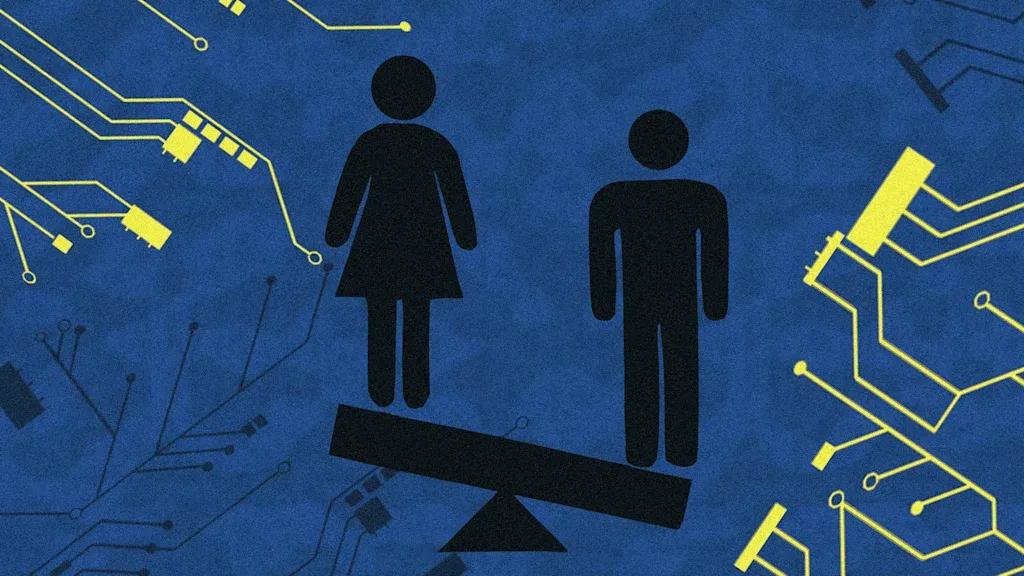
Sheryl Sandberg is sounding the alarm on a developing AI gender gap that could amplify existing workplace disparities for years to come. Her nonprofit Lean In has released new research showing that while 78% of men have used AI for work compared to 73% of women, the more concerning issue lies in how that usage is perceived
1
. Among those using AI, only 18% of women reported receiving praise for doing so, compared with 27% of men—making men 27% more likely to get recognition for using AI2
. This recognition gap extends to manager support as well: 37% of men said they'd been encouraged to use AI by their manager, while only 30% of women received the same encouragement1
.
Source: Fast Company
The survey of 1,000 U.S. adults conducted in early March also found that 33% of men use AI daily, compared to 27% of women
2
. "These small gaps will become really big over time if we don't call attention to them right now," Sandberg told Axios1
. The concern is particularly acute because AI ability has emerged as the skill many employers say they value most, meaning this AI adoption gap could directly fuel gender pay and promotion inequalities down the line1
.
Source: Fortune
Workplace Biases Resurface in New AI Arena
The gender gap in AI adoption reflects longstanding workplace biases now playing out with new technology. Sandberg points to broader research showing men are more likely to be praised for effort while women are more apt to be criticized
1
. The edge men have in getting recognition for experimenting with AI tools can enhance their reputation, performance evaluations, and opportunities for career advancement, according to the Lean In report1
. This pattern aligns with 2025 research that found women software engineers who use AI are viewed as less competent than men, as well as a broader body of evidence showing women receive less mentorship and positive feedback at work1
."The managers who are encouraging the men to use AI and not the women—they may not even know they're doing it," Sandberg told Fortune, emphasizing that biases against women are often unintentional
2
. She argues that surfacing these biases through data is the first step to correcting them, allowing managers to recognize when they're inadvertently providing unequal support2
.Ethical Concerns and Fear of Cheating Hold Women Back
Women's hesitation around AI stems partly from legitimate ethical concerns that could inadvertently slow their adoption. The research found women are 32% more likely to feel concerned that they would be perceived as cheating by using AI, and they also tended to avoid AI over worries about accuracy and ethics
3
. Women are more likely than men to feel threatened, overwhelmed, and like they're engaging in dishonest behavior when using AI tools2
.
Source: Axios
Bridget Griswold, the newly appointed 25-year-old CEO of Lean In and former Meta product manager, acknowledges the complexity: "These are great concerns to have, and it's awesome that women care about ethics and not cheating. But what's really concerning is that this might inadvertently cause women to use AI less than men"
2
. Some women also expressed worry about the disproportionate impact of AI automation, particularly the threat of layoffs that could affect women more severely3
.Related Stories

New Leadership to Close the Growing Divide
Sandberg announced Griswold as Lean In's new CEO on March 24, replacing longtime CEO and co-founder Rachel Thomas
2
. Despite public criticism of Griswold's age and limited nonprofit experience, Sandberg defended the choice, saying the organization needed an "AI native" with a product background2
. The appointment comes amid organizational turbulence, with the Sandberg Goldberg Bernthal Family Foundation, which includes Lean In, shedding a quarter of its staff over the last year through layoffs and voluntary departures, according to The Wall Street Journal2
.Griswold, who joined Lean In as head of product and AI in January, said the organization aims to help women build confidence and accelerate their careers through AI adoption. "We hope that Lean In can be a place that encourages [young women] to use AI and actually [produces] real results," she told Fortune
2
. The pivot to AI comes at a critical moment: only half of companies are prioritizing women's career advancement, and more than 30% are placing little to no priority on advancing women of color, according to Lean In's 2025 Women in the Workplace report2
. Women's jobs are three times more likely to be automated by AI, and their vulnerability is compounded by underrepresentation in AI leadership and development2
.Sandberg's message remains consistent with her original Lean In philosophy: women need to actively engage with AI despite the challenges. "These differences—which are not that small, but are smallish now—will compound over time, which is why we think it's so important for people to understand them and acknowledge them," she told Fast Company
3
. As AI skills become central to workplace success, the stakes for addressing these disparities have never been higher.References
Summarized by

Navi
Related Stories
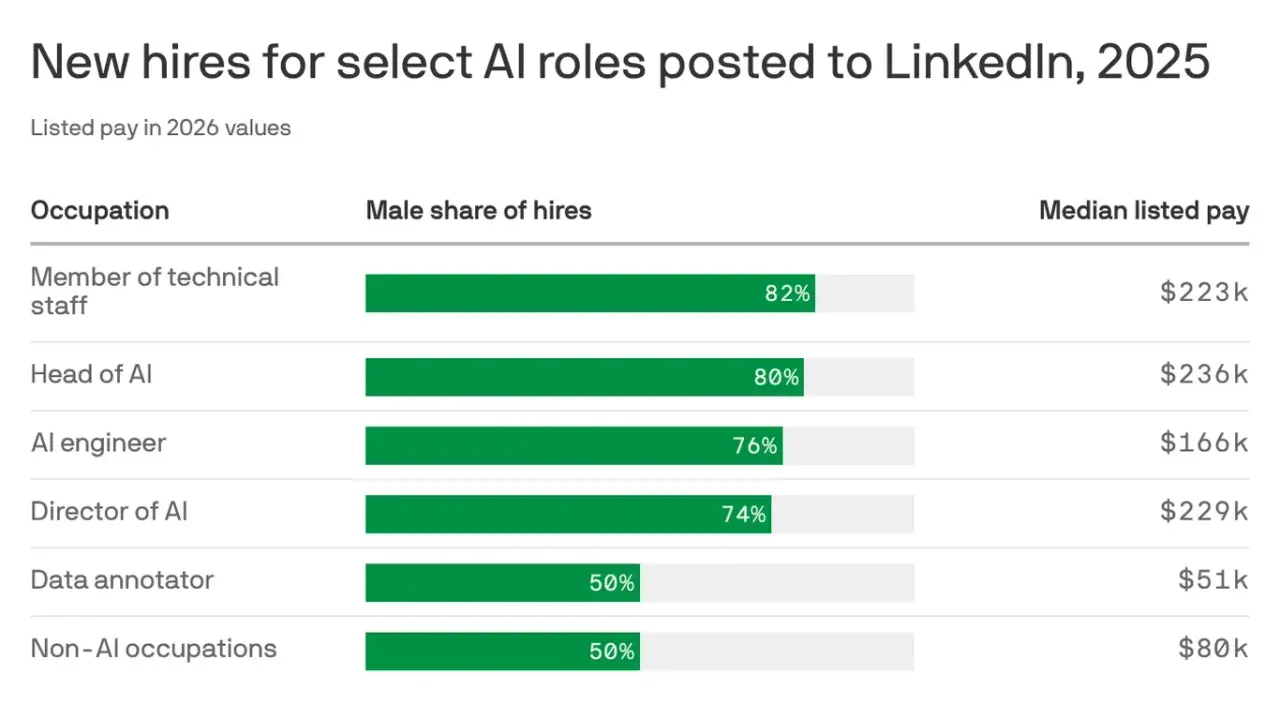
Women in AI Secure Just 26% of High-Paying Jobs as Gender Gap Widens in Booming Sector
18 Aug 2026•Business and Economy
The AI Gender Gap: Women's Underrepresentation in AI Usage and Its Implications
30 Jul 2025•Technology

AI Adoption in the Workplace: Widening Gender Gaps and Potential Consequences
09 May 2025•Business and Economy

Recent Highlights



Recent Highlights
Today's Top Stories



Don’t drown in AI news. We cut through the noise - filtering, ranking and summarizing the most important AI news, breakthroughs and research daily. Follow topics that matter to you and stay ahead.


