Startup offers free home cleaning in NYC to gather AI training data for future household robots


8 Sources
[1]
Robot-training startup will send humans wearing cameras to clean your home
A tech startup is offering New York City residents free home cleaning, with a twist -- it will send "professional cleaners" wearing cameras to record everything they do. All that data will supposedly be used to train AI-driven robots. The unusual pitch comes from the German startup MicroAGI, whose
[2]
Tech companies desperately want to film you doing chores
This week, an AI training startup called Shift said it would clean New Yorkers' homes for free. It has plans to expand into other cities as well, including London, and looking around my flat, I get the appeal. But there's a catch. There's always a catch. In exchange for the cleaning, Shift wants
[3]
This AI startup will clean your home for free to train future robots
AI training startup Shift wants to clean your home for free. The catch -- because, despite what its website says, there's always a catch -- is that it will record cleaners as they scrub, vacuum, dust, tidy, and wash, and use that footage to train robots. Shift announced the unusual offer on social
[4]
A Company Will Clean Your Nasty Apartment For Free if You Let Them Record It
Dishes piling up? Trash well past the brim of the can? That thin layer of dust on your furniture starting to stratify? Well, if you're in New York City and open to unusual propositions, there's a company willing to take care of those and other unresolved house cleaning tasks you might have, all for
[5]
This company wants to clean your house for free, to train AI and robots
The company also has plans to expand across the globe and offer additional free services. How would you like to get your home cleaned by professionals without having to spend a single dollar? Sounds too good to be true, right? It kind of is, but it's also entirely true as long as you're
[6]

Shift will tidy up your home for free, but will record the chores to train robots
Everyday chores are becoming the raw material for future home robots Shift is offering to clean homes for free, but there is one important condition. The company will record those chores to build training data for future home robots. The New York-based startup is currently offering free cleaning
[7]

Why an AI Startup Is Cleaning Homes for Free | PYMNTS.com
The catch is a head-mounted camera recording every move. That's the deal that startup Shift launched in New York City last week. Demand reached thousands of bookings within hours of going live, Semafor reported Friday (May 29). Shift doesn't make money cleaning apartments. It makes money selling
[8]

Robots keep falling on their faces -- Silicon Valley has a plan to fix it
* Humanoid robots are still years away from primetime, despite recent impressive advancements. * Physical AI firm Shift offers free NYC home cleanings in exchange for filming to train robots. * Bercan Kilic, CEO of microAGI, touts a "new AI economy" for data, but privacy concerns linger. It's
Share
Copy Link
German startup MicroAGI launched Shift app offering free home cleaning services to New York City residents in exchange for recording cleaners at work. The company collects first-person footage to create datasets for training future household robots, paying professional cleaners while gathering valuable physical world data that's difficult to obtain at scale.
MicroAGI Launches Free Home Cleaning Program to Collect Robot Training Data
German startup MicroAGI is offering New York City residents free home cleaning services through its newly launched Shift app, but there's a significant trade-off involved. The company sends professional cleaners wearing camera-equipped headsets to record first-person footage of every task they perform, from scrubbing dishes to mopping floors
1
. This AI training data will be used to teach the next generation of AI-driven robots how to navigate domestic chores3
.
Source: Ars Technica
The unusual pitch, announced on May 28 with a promotional video set to Jay-Z and Alicia Keys' "Empire State of Mind," positions the free cleaning offer as a mutually beneficial arrangement. According to the Shift app website, the value of the training data collected is substantial enough to justify covering the cost of professional cleaners
1
. MicroAGI founder and CEO Bercan Kilic has teased plans to expand the service to additional cities including London, Munich, and Zurich4
.Why Physical World Data Creates Bottlenecks for Household Robots
Unlike chatbots and image generators that exploded in popularity by scraping text and images from the internet, robots must contend with the physical world. This requires understanding space, motion, force, friction, unusual shapes and materials, awkward lighting, and countless other variables that humans grasp instuitively
2
. Tasks that seem simple for people—folding clothes, picking up an apple, pouring water—have proven extraordinarily difficult for roboticists to codify.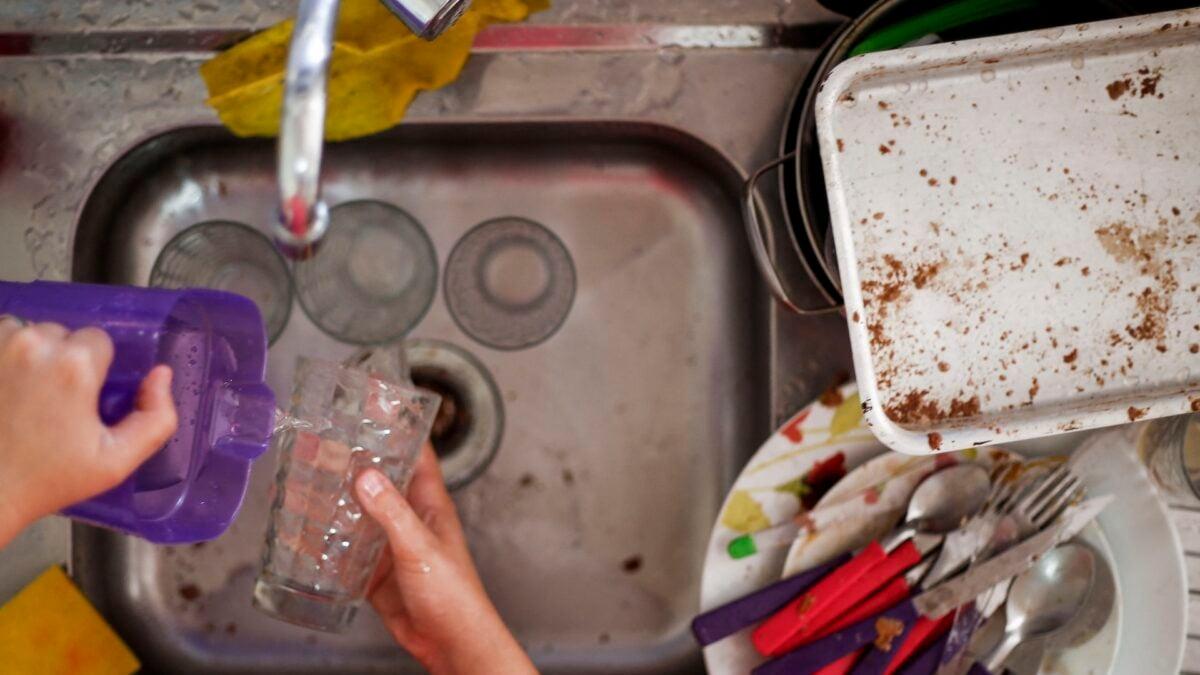
Source: Gizmodo
Data collection for robotics presents a massive bottleneck for companies developing physical AI. The physical world is harder to scrape than digital content, and harder still to scrape quietly without compensating people who generate it
2
. This scarcity makes egocentric footage particularly valuable, as it captures exactly how humans navigate physical space from a first-person perspective.The Shift app already claims to pay tens of thousands of people across 15 countries to record everyday household or professional tasks, with the main platform suggesting more than 10,000 operators have collectively earned over $5 million in the first quarter of the 2026 fiscal year
1
. Contributors reportedly earn $20 per hour plus bonuses for wearing recording headstraps to capture short videos of daily activities1
.Privacy Concerns and Data Anonymization Promises
The Shift app's privacy policy states that advanced machine learning models running directly on smart glasses or video capture devices perform irreversible transformations such as automated face blurring and identifier obfuscation before any data uploads to cloud servers
1
. The company promises to blur all personally identifiable information from screens, ID cards, pieces of paper, and cell phones to protect both customers and their homes5
.However, significant questions remain unanswered. There's no mention of whether people can request removal of their home cleaning videos from training datasets for robots after recording
4
. It's also unclear whether the company's data anonymization techniques adequately prevent homes from being identified when footage appears in training datasets1
. Even with good intentions, data breaches happen regularly, raising concerns about videos of private homes potentially spreading across the internet5
.The Shift app terms of service also attempt to absolve the platform of responsibility for property damage, theft, or personal injury that may occur during cleaning appointments, though the company states cleaners are vetted by its partners
1
.Related Stories

Growing Market for Robotics Training Through Human Activity Recording
MicroAGI joins a growing number of startups recruiting ordinary people to record everyday tasks for robot training purposes. Other companies pursuing similar strategies include Encord and Micro1, with the latter having hired thousands of contract workers across 50 countries including India, Nigeria, and Argentina
1
.In India, home services platform Pronto has been using clients' homes as a source of AI training footage for domestic chores like cooking, cleaning, and laundry, though the practice triggered backlash with rival startups insisting they never recorded inside homes
2
. Silicon Valley-based Human Archive partners with companies to have gig workers record activities using camera caps that collect first-person perspective footage2
.
Source: Android Authority
Some companies have established staged data farms where workers are paid to complete identical physical tasks repeatedly while cameras and sensors capture every movement, turning rote activities like folding towels and picking up cups into valuable training material
2
.What This Means for the Future of Domestic Labor
The free home cleaning services represent only a limited-time promotional offer, though booking requires payment information and customers may face charges for cancellations with less than 24 hours' notice
1
. MicroAGI has launched an aggressive recruiting campaign with dozens of blog posts targeting NYC university students, teachers, restaurant workers, delivery workers, and residents of specific neighborhoods, while spreading Craigslist postings to other US cities like Boston1
.Cleaning may serve as just the beginning. The company's promotional video indicates plans to eventually expand into other areas including plumbing, cooking, and building
3
. The company's FAQ notes that more challenging cleaning environments prove especially useful for training future robots3
.This approach to gathering physical world data highlights how companies are willing to offer free services in exchange for access to information that could eventually enable them to sell automated solutions back to consumers. The act of trading data for value isn't new—loyalty cards, cookies, dashcams, and insurance apps have long monitored behavior in exchange for discounts or convenience. What's shifted is the type of data companies now consider worth paying for, and the creative methods they're deploying to obtain it
2
.References
Summarized by

Navi
[5]
Related Stories
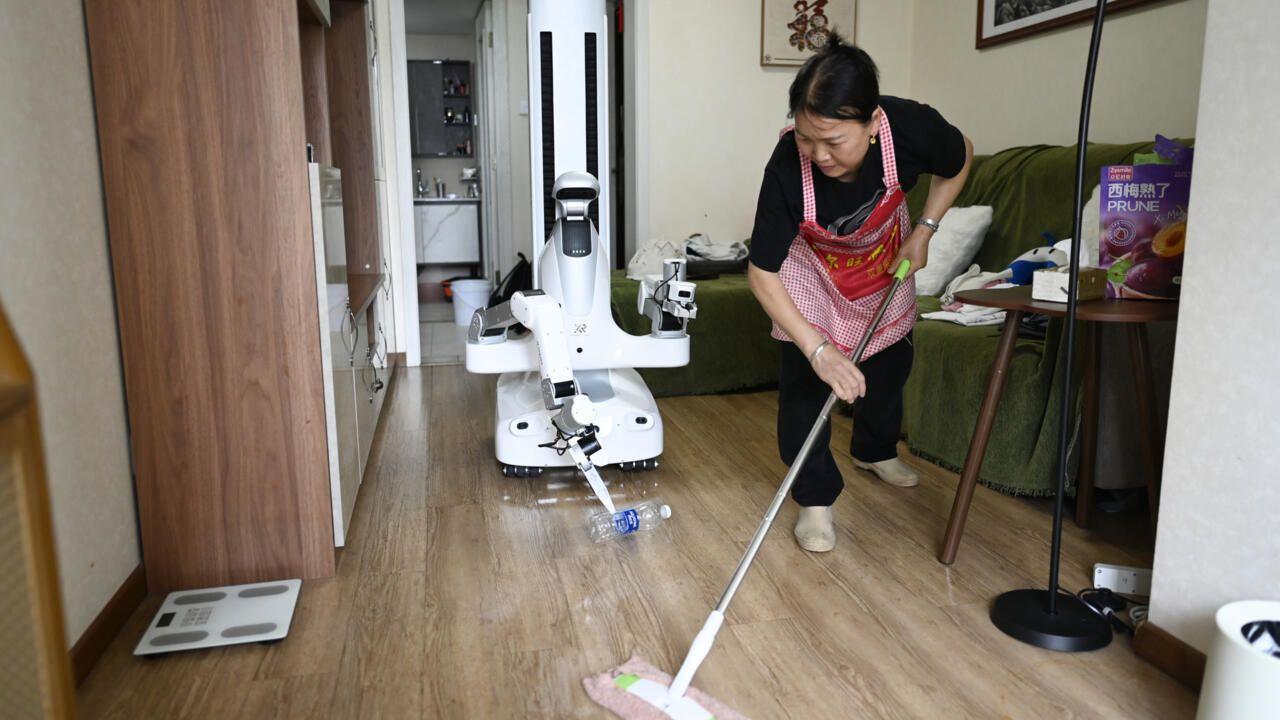
AI robot cleaners enter China homes as companies gather data for embodied AI development
11 Jun 2026•Technology
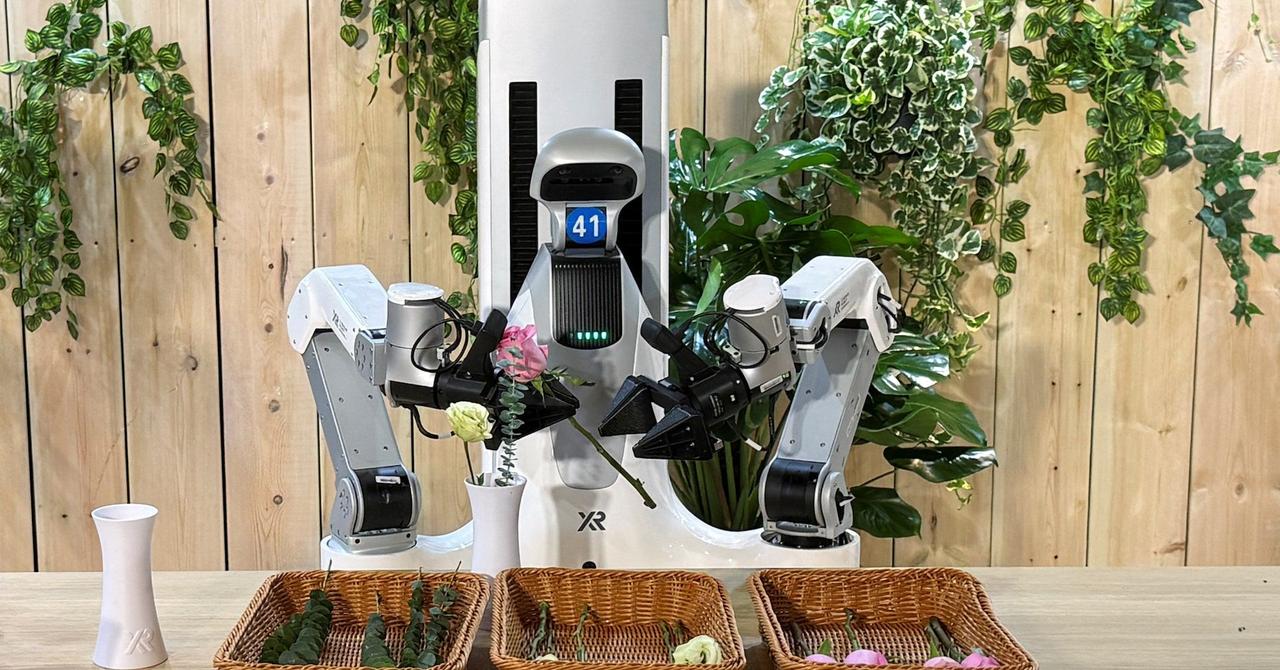
Former F1 Aerodynamicist Raises $55M to Solve Robot Training Crisis With Human Footage
16 Jul 2026•Startups

Chinese robots shift focus from stunts to tackling household chores in real homes
22 Apr 2026•Technology
Recent Highlights



Recent Highlights
Today's Top Stories






Don’t drown in AI news. We cut through the noise - filtering, ranking and summarizing the most important AI news, breakthroughs and research daily. Follow topics that matter to you and stay ahead.


