Memory Shortage to Persist Until 2030 as AI Demand Outpaces Production, SK Hynix Warns


5 Sources
[1]
SK Hynix says memory shortages to persist until 2030
Good for its bottom line, not great news for yours, or for the PC and smartphone markets Korean memory-maker SK Hynix has predicted memory shortages will persist until at least the year 2030 and says that will help it to boost its already exceptional revenue and profits to new levels. In remarks
[2]
SK Hynix now expects the memory shortage to last until 2030
Consumer RAM availability may remain limited as manufacturers prioritize enterprise-grade chips, meaning everyday buyers could face higher prices and tighter supply for years. South Korean memory manufacturer SK Hynix expects the global memory shortage to persist for much longer than initially
[3]
'Supply shortage to persist through 2030'. Memory crisis could last until 2030 warns SK Hynix -- and it predicts robots are coming to eat your RAM after that
Building new RAM production capacity will take a considerable time * SK Hynix just published its Q3 2026 financial results * These came with a prediction of the RAM crisis lasting until 2030 * After that, expect a further drain on memory supply from "physical AI such as autonomous driving and
[4]
SK hynix Posts Record Quarter and Expects Memory Shortage Through 2030
SK hynix reported record revenue and operating profit for the third quarter of 2026, while warning that global memory demand could continue to exceed supply through 2030. The company attributed the quarter's results to rising demand for AI-related memory and growth in higher-value products. Its
[5]

Samsung's Memory Business is Thriving, but the RAM Crisis is Only Going to Get Worse in 2027
The entirety of 2026 has been defined by an ongoing RAM crisis, causing price increases on everything from the PS5 to the Steam Machine. And, according to Samsung's latest earnings report, it's only going to get worse over the next year. In its Q3 2026 earnings call, it was shared that Samsung's
Share
Copy Link
SK Hynix reported record quarterly revenue of ₩104.6 trillion and warned the global memory shortage will continue through 2030. The Korean chipmaker says AI-driven demand for memory far exceeds supply, with long-term deals already covering over half its 2027-2028 output. Consumer RAM prices are expected to rise as manufacturers prioritize profitable enterprise chips.
SK Hynix Projects Memory Shortage Through 2030
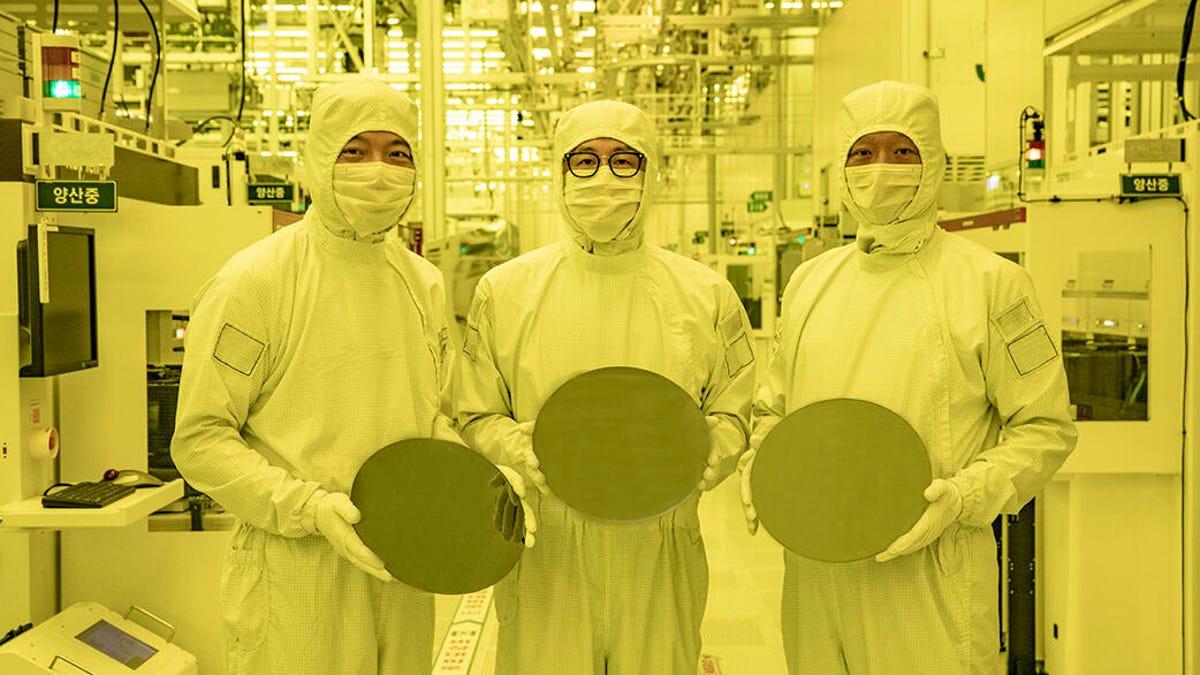
SK Hynix has issued a stark warning that the global memory shortage will persist until at least 2030, citing overwhelming AI demand and the lengthy process required to expand production capacity
1
. In its Q3 2026 earnings report published October 28th, the Korean memory manufacturer stated that "supply is not keeping pace with the growth of the market" and expects "the structure in which demand exceeds supply to persist through 2030"2
. The company's assessment underscores a fundamental imbalance in the semiconductor industry, where technical difficulty of leading-edge processes and the long lead time required to build new fabrication facilities prevent manufacturers from meeting surging demand for AI-related memory3
.
Source: The Register
Record Revenue Driven by AI Datacenter Demand
SK Hynix posted exceptional financial results for Q3 2026, with quarterly revenue reaching ₩104.6 trillion ($78.1 billion), representing a 328 percent year-over-year increase and 32 percent quarter-over-quarter growth
1
. Operating profit soared to ₩87.68 trillion ($62.8 billion), up 486 percent year over year, marking the first time the company exceeded 100 trillion won in quarterly revenue4
. The company attributes this performance to what it describes as a "virtuous cycle" in which AI-driven productivity gains and new revenue generation lead to greater AI adoption, which in turn drives increased investment in infrastructure1
. This cycle has expanded beyond early technology adopters to include general enterprises and nation-level initiatives building sovereign infrastructure3
.Long-Term Deals Lock Up Production Capacity
SK Hynix has secured 14 long-term deals with major buyers that will collectively purchase more than half of its output during 2027 and 2028, with some customers seeking to extend these agreements
1
. These contracts include mechanisms that reflect market conditions within agreed price ranges, providing what the company calls "a structure that secures stable profitability while allowing flexible responses to market changes"1
. The company plans to increase HBM4 production, which it expects will "surpass HBM3E in both shipment volume and revenue in the fourth quarter" and establish itself as a mainstream product1
. SK Hynix is also rapidly increasing its 1c DRAM process technology and expanding sales of DDR5 and LPDDR5 SOCAMM for AI servers4
.Related Stories
Consumer RAM Prices Expected to Climb Higher
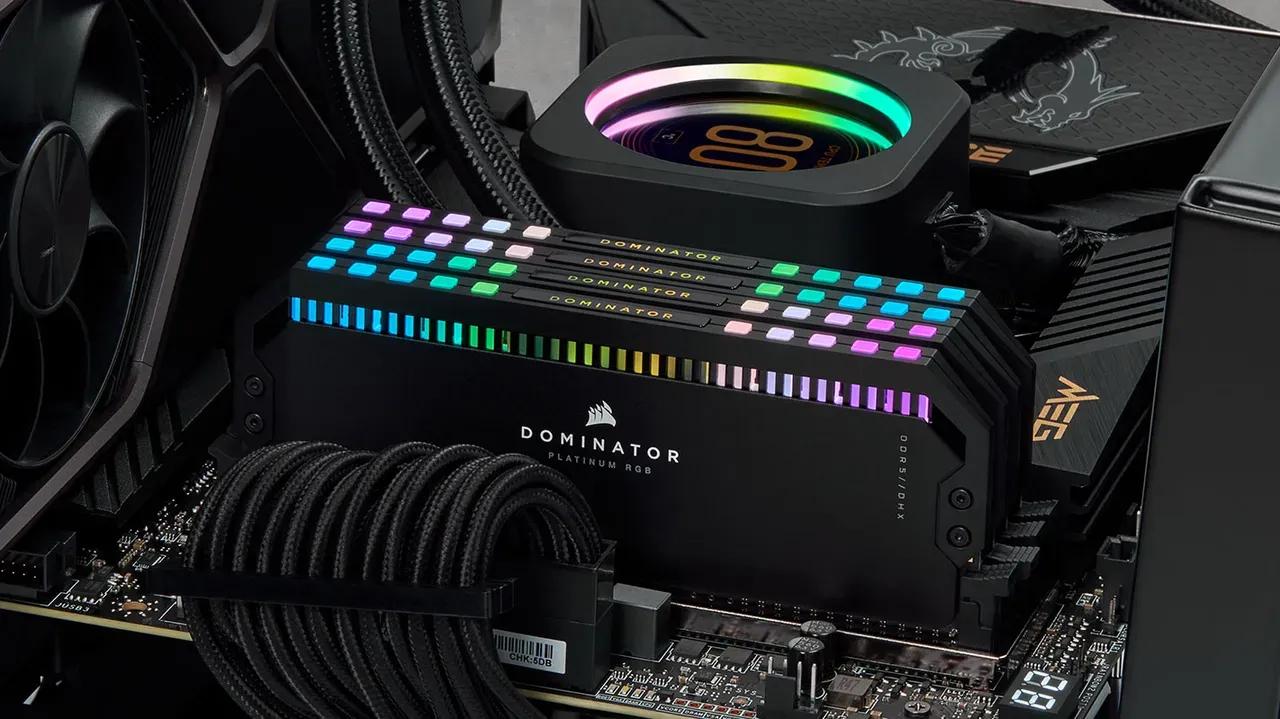
The memory crisis will have direct consequences for everyday consumers, as manufacturers prioritize profitable enterprise-grade chips for AI servers over consumer-grade memory
2
. SK Hynix CFO Kim Woo-hyun predicted that "shipment volumes for PCs and mobile devices are expected to decrease due to cost burdens from rising memory prices and supply shortages"1
. Production and supply of consumer-grade RAM and storage will stagnate or even dwindle, causing prices to rise even higher than they've already gone in 20262
. Any device that relies on RAM and storage—from phones to laptops to GPUs to smart home gadgets—will feel the squeeze2
. Samsung echoed similar concerns in its Q3 2026 earnings call, stating that "surging AI-driven demand likely to further tighten supply shortages compared with CY26"5
.
Source: IGN
Physical AI and Robotics to Drive Future Demand
Beyond 2030, SK Hynix anticipates additional memory demand to outstrip supply from emerging applications in autonomous driving and robotics, which the company refers to as "physical AI"
3
. Micron has made similar predictions, estimating that humanoid robots could require 200GB or more of RAM and multiple terabytes of storage per unit3
. While SK Hynix announced plans earlier this year to invest $13 billion into a massive fabrication facility, that facility won't become operational until 20302
. Samsung, one of only three major memory manufacturers globally, expects its memory market to tighten even more in 2027 and is focused entirely on building "a stable sales base through long-term contracts" for AI applications rather than consumer DDR5 memory5
. Watch for continued upward pressure on memory pricing through the remainder of the decade as supply constraints persist across consumer and enterprise segments.References
Summarized by

Navi
[1]
Related Stories
Memory shortage driven by AI demand could keep prices high until 2027 or beyond
19 Apr 2026•Business and Economy
Memory shortage crisis deepens as SK Hynix warns 2027 will be worst year for supply crunch
12 Jul 2026•Business and Economy

Memory Chip Shortage to Intensify Through 2027 as AI Demand Pushes Prices Up 5-6x
31 Jul 2026•Business and Economy

Recent Highlights


Recent Highlights
Today's Top Stories







Don’t drown in AI news. We cut through the noise - filtering, ranking and summarizing the most important AI news, breakthroughs and research daily. Follow topics that matter to you and stay ahead.


