South Korea's Economy Triples Growth Forecast as AI Chip Boom Drives 3.4% GDP Surge in Third Quarter


2 Sources
[1]
AI chip boom tripled South Korea's economic growth in third quarter
South Korea's economy grew faster than expected in the third quarter. However, analysts warned that its heavy reliance on the chip industry leaves the country vulnerable to a slowdown in global AI spending. South Korea's economy grew more than three times faster than expected in the third quarter,
[2]
South Korea GDP grows more than expected in Q3 on AI boost By Investing.com
Investing.com-- South Korea's economy grew more than expected in the third quarter of 2026, as artificial intelligence-driven demand for advanced chips, in overseas markets, continued to boost local growth. Gross domestic product grew 3.4% year-on-year in the three months to September 30,
Share
Copy Link
South Korea's economy grew 3.4% year-on-year in Q3 2026, surpassing expectations as AI chip boom fueled semiconductor exports to $148 billion. But analysts warn the heavy reliance on the semiconductor sector leaves the country vulnerable to slowdowns in global AI spending while household spending declined 0.2%.
South Korea Economy Surges Past Forecasts on Semiconductor Strength
The South Korea economy delivered a striking performance in the third quarter of 2026, with GDP growing 1.0% quarter-on-quarter against the Bank of Korea's modest forecast of 0.3% growth
1
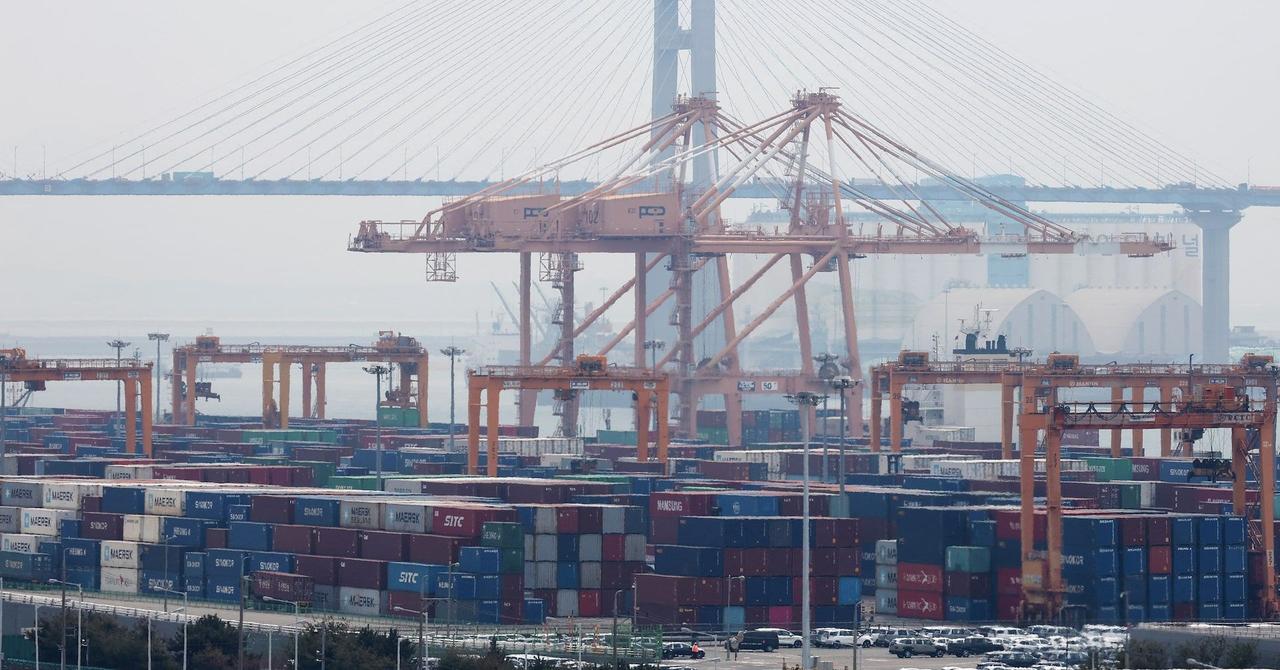
. This represents more than triple the expected rate, driven overwhelmingly by the AI chip boom that has transformed the country's export profile. On an annual basis, South Korea GDP grows to 3.4% year-on-year, slightly below the previous quarter's 3.7% but comfortably exceeding analyst estimates of 3.0%2
. The surge in semiconductor exports reached $148 billion in the third quarter, marking a staggering 218.7% year-on-year increase1
. Exports overall climbed 2.3%, led by semiconductors, machinery and electrical equipment, while investment in facilities jumped 4.1%, largely driven by spending on machinery used in semiconductor production1
.AI-Related Demand for Advanced Chips Powers Record Performance
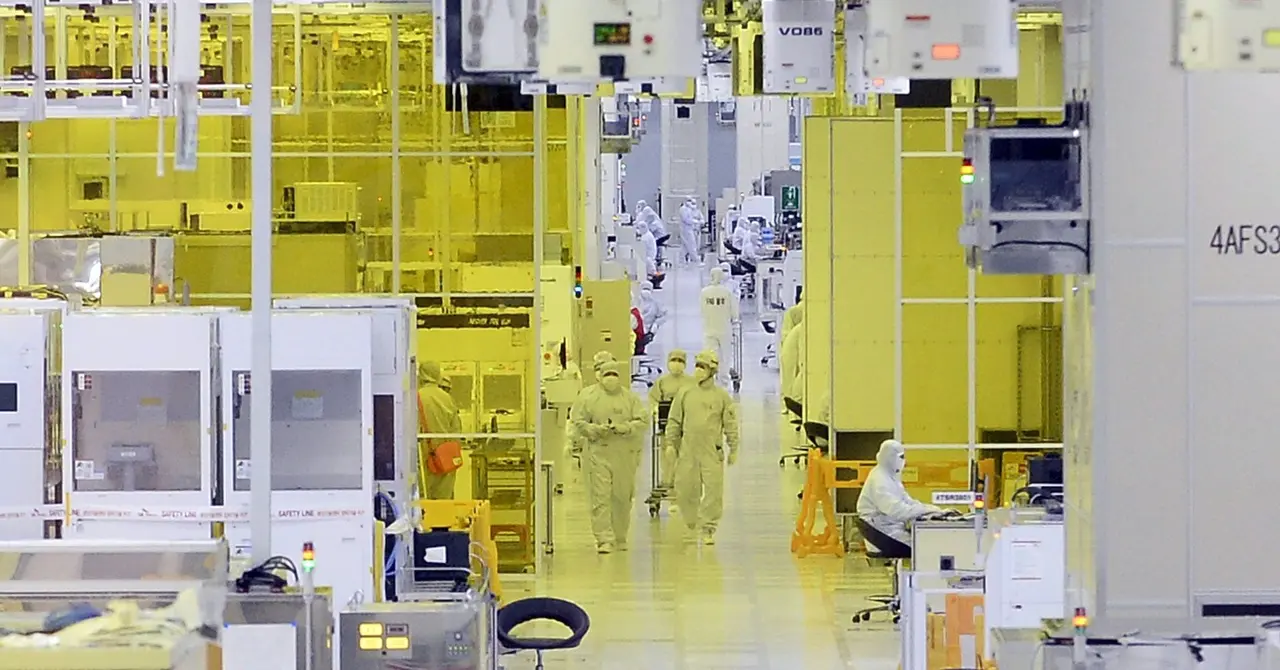
The global demand for AI-related chips has positioned South Korea at the center of a technological revolution. Chipmaking giants Samsung and SK Hynix logged outsized demand for advanced memory processors as the world's biggest tech companies raced to establish more computing infrastructure for their advanced models
2
. This AI infrastructure buildout has created unprecedented opportunities for the semiconductor sector, with real gross domestic income surging by 18.8% year-on-year, marking its fastest increase in nearly 49 years, supported by rising semiconductor prices1
. The surge in semiconductor exports has also pushed the country's current account surplus to record highs, reaching $116.6 billion in the second quarter1
. Kwon Hyo-sung of Bloomberg Economics noted that the data validates the Bank of Korea's upbeat assessment that booming demand for chips is keeping exports and investment strong1
.Concentration Risk Emerges as Growth Remains Lopsided
Despite the impressive headline numbers, analysts are flagging serious concerns about the sustainability of this economic growth model. John Bromhead, a senior economist at Moody's Analytics, cautioned that growth stays heavily concentrated in the semiconductor sector, leaving South Korea exposed to a slowdown in global AI spending
1
. This vulnerability is compounded by weakness in domestic sectors, with household spending falling 0.2% quarter-on-quarter2
. ANZ analysts highlighted that the subdued outcome in consumer spending, despite low unemployment and recent wage and bonus increases in the semiconductor sector, suggests that income gains remain unevenly distributed2
. Broader consumer spending and domestic sectors such as real estate have largely fallen behind as the economy becomes increasingly reliant on exports2
.Related Stories
Central Bank Gains Policy Flexibility Amid Inflation Concerns
The resilience in economic performance gives the Bank of Korea more headroom to raise interest rates as it battles persistent inflation
2
. The central bank has already hiked interest rates by a cumulative 50 basis points this year and presented a hawkish outlook as inflation remained above its annual target2
. Watch for how policymakers balance supporting domestic demand while managing price pressures in the coming quarters. Sluggish household spending, rising energy costs and increasingly sticky inflation are expected to weigh on growth ahead, creating a delicate balancing act for monetary authorities navigating between export strength and domestic weakness.References
Summarized by

Navi
Related Stories
South Korea raises 2026 GDP forecast to 3% as AI chip boom fuels semiconductor-led recovery
14 Jul 2026•Business and Economy
South Korea Exports Jump 62.8% in July Driven by AI Investments and Semiconductor Demand
01 Aug 2026•Business and Economy

South Korea Prioritizes AI Investment to Boost Economic Growth Amid Challenges
22 Aug 2025•Technology

Recent Highlights



Recent Highlights
Today's Top Stories


Don’t drown in AI news. We cut through the noise - filtering, ranking and summarizing the most important AI news, breakthroughs and research daily. Follow topics that matter to you and stay ahead.


