South Korea Exports Jump 62.8% in July Driven by AI Investments and Semiconductor Demand


3 Sources
[1]
South Korea July exports beat forecasts on robust demand for AI investments
SEOUL, Aug 1 (Reuters) - South Korea's exports grew more strongly than expected in July on global chip and computer demand for AI investments. Exports from Asia's fourth-largest economy rose 62.8% in July from a year earlier to $98.89 billion, preliminary trade data showed on Saturday, beating a
[2]
South Korea July exports beat forecasts on robust demand for AI investments
Semiconductor exports jumped 179% as memory chip prices continued to rise despite the issues of Apple's potential use of Chinese memory chips and a new AI development in China, the trade ministry said in a statement. Computer sales also surged 404% on increasing AI investments by big U.S.
[3]
South Korea exports beat forecasts in July on AI chip demand By Investing.com
Investing.com -- South Korean exports grew faster than expected in July, supported by strong global demand for semiconductors and computers used in artificial intelligence infrastructure, preliminary trade data showed on Saturday. Exports rose 62.8% from a year earlier to $98.89 billion, exceeding
Share
Copy Link
South Korea exports climbed 62.8% year-over-year to $98.89 billion in July, exceeding forecasts as global demand for AI-related semiconductors and computer infrastructure surged. Semiconductor exports jumped 179% while computer sales soared 404%, fueled by increased AI investments by major U.S. tech firms despite market volatility.
South Korea Exports Beat Expectations on AI-Driven Growth
South Korea exports surged 62.8% year-over-year in July, reaching $98.89 billion and surpassing the median forecast of 59.0% growth predicted by economists.
1
3
While this marked a slowdown from June's historic 70.7% surge—the largest since 1978—July still recorded the second-strongest annual growth rate in the export expansion streak that began in June 2025.2
The robust performance reflects intensifying global demand for AI-related semiconductors and AI infrastructure, positioning Asia's fourth-largest economy at the center of the artificial intelligence revolution.Semiconductor Demand and Memory Chip Prices Drive Export Boom
Semiconductor exports jumped 179% in July as memory chip prices continued their upward trajectory, according to South Korea's trade ministry.
1
This growth occurred despite uncertainties surrounding Apple's potential use of Chinese memory chips and new AI-related developments emerging from China. Computer exports climbed even more dramatically, surging 404% on increased AI investments by major U.S. tech firms seeking to build out their AI infrastructure.2
The explosive growth in AI chip demand underscores how critical South Korean manufacturers have become to the global technology supply chain, particularly as companies race to secure components for data centers and AI computing systems.Samsung Electronics and SK Hynix Signal Extended Chip Shortages
Samsung Electronics reported a more than 250-fold jump in chip profit earlier this week and announced multi-year supply deals with major data center operators.
1
The company expects global chip shortages to intensify and extend into 2028, highlighting sustained semiconductor demand driven by AI spending. SK Hynix also reported strong quarterly results, though they fell short of elevated investor expectations, heightening market concerns about the pace of AI spending by big tech firms.2
These mixed signals from South Korea's chipmaking giants reflect the delicate balance between explosive growth and market uncertainty that characterizes the current AI investment cycle.Related Stories
Market Volatility and Regional Export Patterns
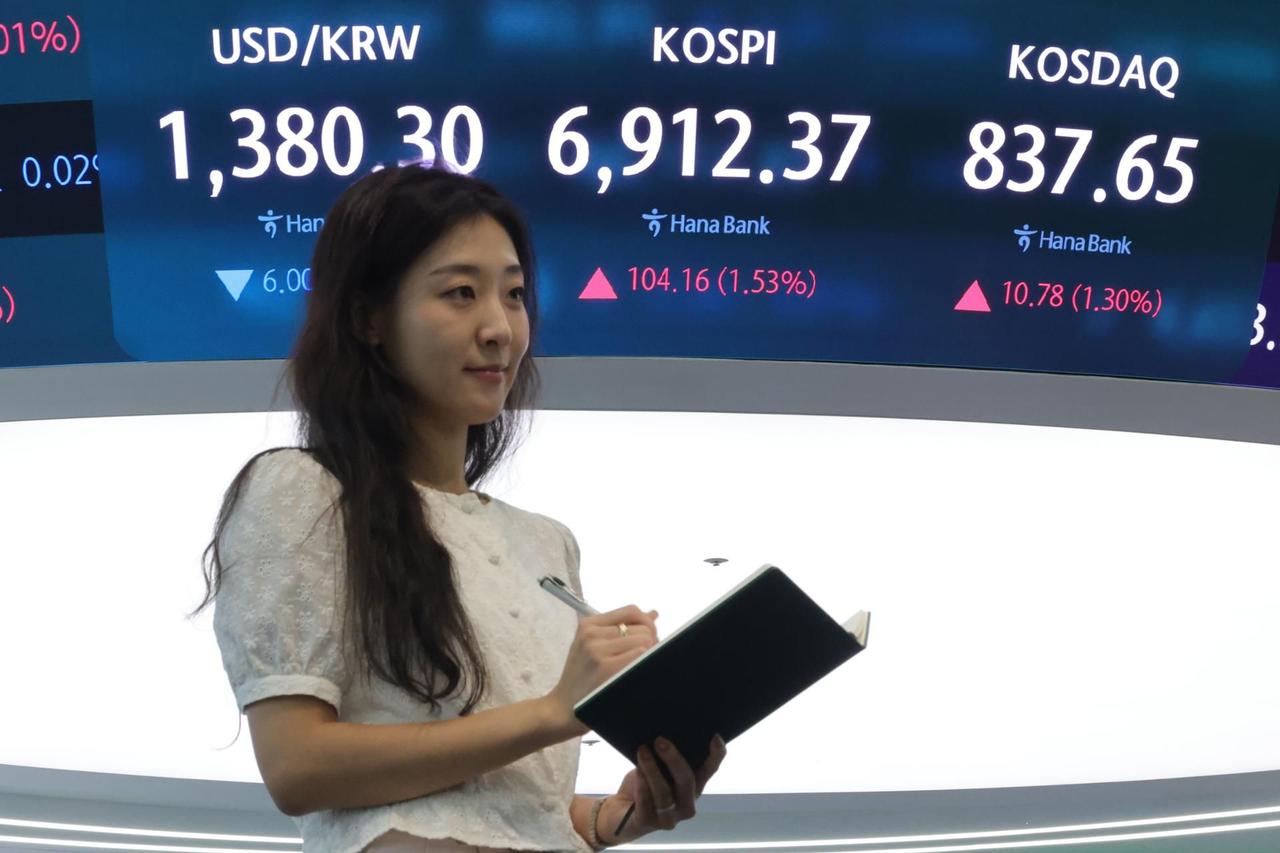
The KOSPI index experienced significant turbulence in July, tumbling 22%—the biggest drop since 2008—amid a sharp selloff on AI-related worries.
1
However, the index posted a record rally on Friday following a fresh surge of investment into global semiconductor stocks, demonstrating the market's sensitivity to AI infrastructure developments. Regionally, exports to China rose 96% in July, while exports to the U.S. gained 69%.2
Shipments to the Middle East increased 25% after five consecutive months of declines amid the Iran war. Imports rose 26.5% to $68.56 billion, roughly in line with the 26.6% forecast by economists.3
The country posted a monthly trade surplus of $30.32 billion, down from a record $36.09 billion in June but still reflecting strong export performance. Watch for how sustained AI investments and potential shifts in global AI spending patterns impact South Korea's trade data in coming months, particularly as chip shortages are expected to persist through 2028.References
Summarized by

Navi
Related Stories
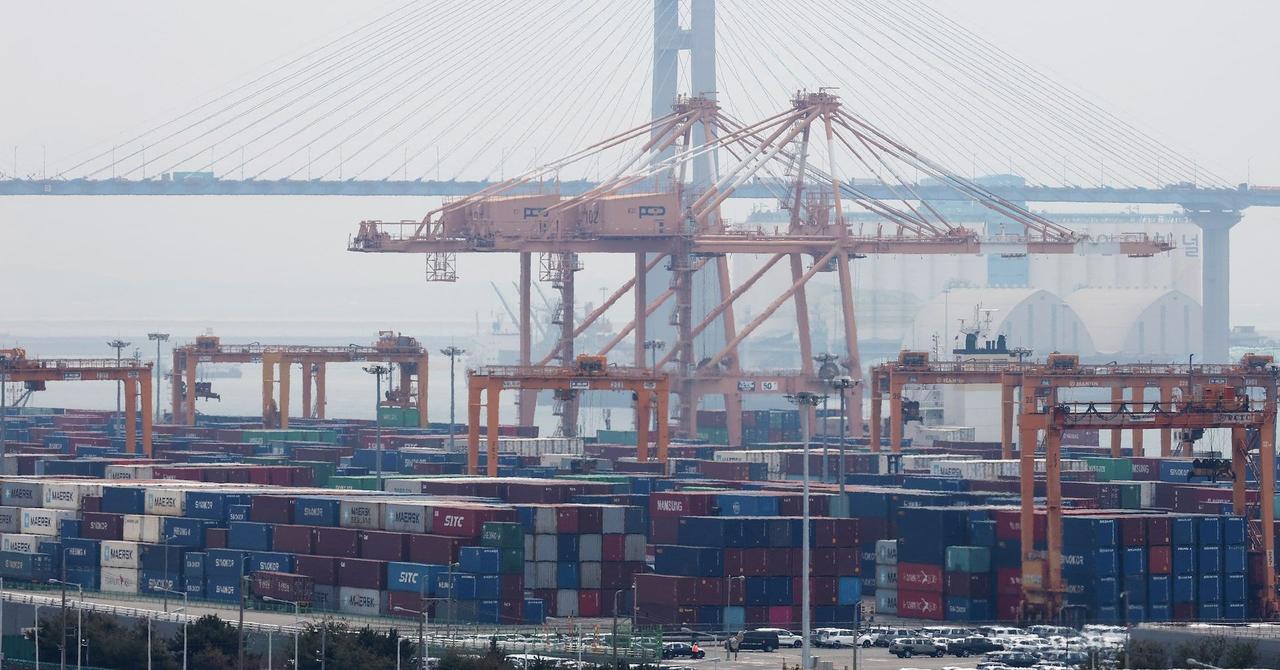
South Korea exports surge 33.9% in January as AI chips fuel record growth amid tariff tensions
01 Feb 2026•Business and Economy
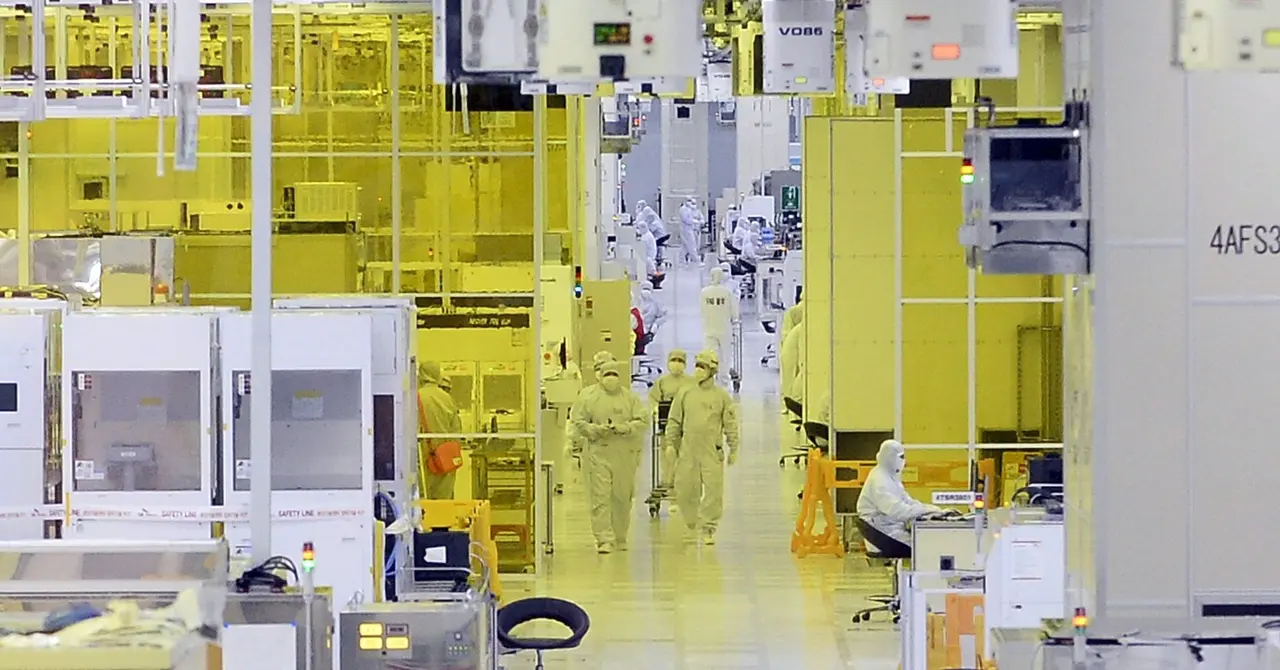
South Korea raises 2026 GDP forecast to 3% as AI chip boom fuels semiconductor-led recovery
14 Jul 2026•Business and Economy
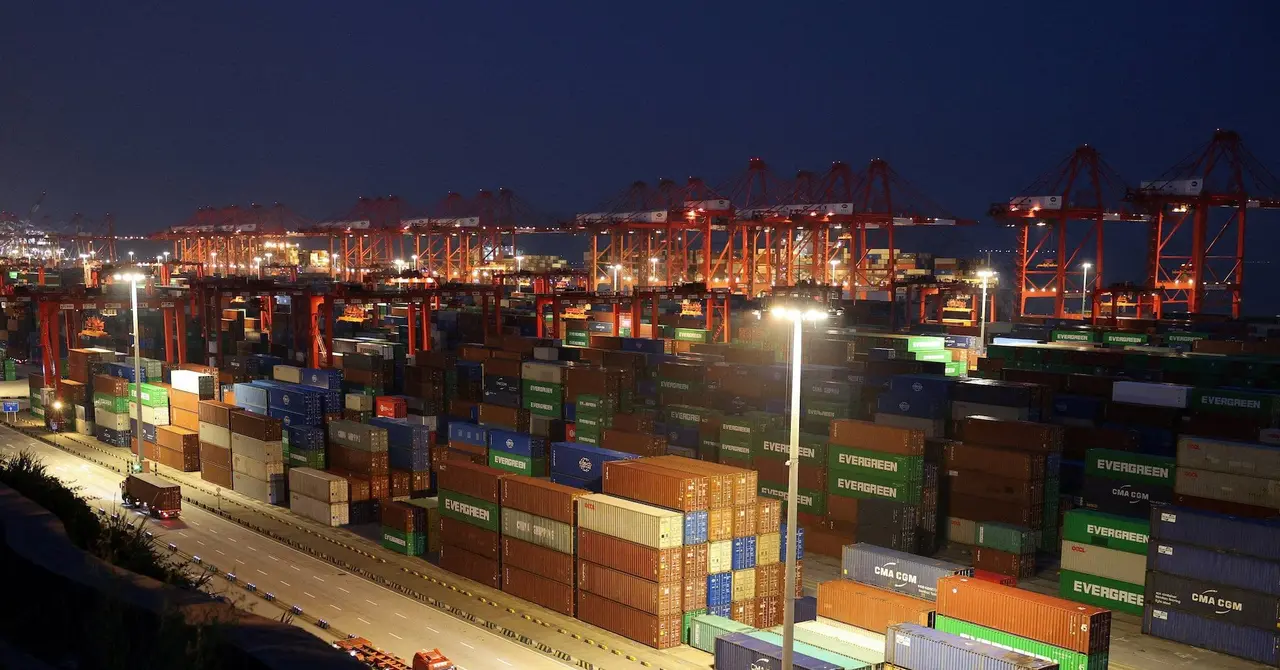
China exports jump 27% in June as AI boom fuels semiconductor demand amid domestic struggles
14 Jul 2026•Business and Economy
Recent Highlights
1
Microsoft and Nvidia Launch Surface Laptop Ultra: A $2,599 AI-Ready PC With RTX Spark Chip
Technology

2
Meta Muse AI Agent Surges to 6.6M Downloads Despite Privacy and Security Controversies
Technology

3
Scientists Build AI Model That Reconstructs Images From Brain Scans in Record Time
Science and Research

Recent Highlights
Today's Top Stories











Don’t drown in AI news. We cut through the noise - filtering, ranking and summarizing the most important AI news, breakthroughs and research daily. Follow topics that matter to you and stay ahead.


