SpaceX proposes $55 billion Terafab chip factory in Texas to fuel AI and space ambitions


6 Sources
[1]
SpaceX may spend up to $119 billion on 'Terafab' chip factory in Texas | TechCrunch
SpaceX, Elon Musk's space company that also houses his AI company, xAI, is considering spending $55 billion, at least initially, to build a semiconductor factory in Grimes County, Texas, according to a proposal on the county website. The company estimates it may spend a total of $119 billion on
[2]
SpaceX has a $55 billion plan to build AI chips in Texas
Elon Musk's plans to get into the AI chip manufacturing business are going to be costly. As the New York Times and CNBC report, SpaceX is planning to invest at least $55 billion into its "Terafab" chip plant in Austin, Texas. That's according to the details of a public hearing notice filed in
[3]
Musk has never built a wafer fab, but he wants to burn $119B on one anyway
Elon Musk's SpaceX hopes to plow as much as $119 billion into the southeast Texas countryside to build a massive semiconductor fab to produce chips for orbital AI datacenters. We won't hold our breath. The harebrained scheme is part of Elon Musk's recently announced Terafab project, which seeks to
[4]
SpaceX files plan for $55 billion Terafab chip facility in Texas
May 6 (Reuters) - Elon Musk's SpaceX has proposed an initial investment of $55 billion to build a semiconductor manufacturing facility, called Terafab, in Texas, according to a filing made public on Wednesday. The facility, a joint project with Tesla (TSLA.O), opens new tab, comes as Musk seeks to
[5]

Elon Musk's SpaceX Plans $55 Billion Investment to Make A.I. Chips
The rocket company's new semiconductor factory, called Terafab, is part of the billionaire's increasing efforts to dominate artificial intelligence. The scale of Elon Musk's ambitious plan to build a giant computer chip plant in Texas is becoming clear -- and it is stunning. The first stage of
[6]

Everything to know about Elon Musk's new chip factory for SpaceX
Terafab is being developed by SpaceX, Tesla, and xAI, placing it at the centre of Musk's push to connect artificial intelligence, computing power, and space infrastructure. Elon Musk's plan to build a major chipmaking facility in Texas, in the United States, has taken a clearer shape after SpaceX
Share
Copy Link
Elon Musk's SpaceX has filed plans for a massive semiconductor manufacturing facility in Grimes County, Texas, with an initial investment of $55 billion that could eventually reach $119 billion. The Terafab project aims to produce AI chips for Tesla vehicles, humanoid robots, and orbital data centers, marking SpaceX's ambitious entry into chip manufacturing despite having zero experience in the field.
SpaceX Unveils Massive Semiconductor Investment Plan
SpaceX has filed a proposal to build a semiconductor factory in Grimes County, Texas, with an initial SpaceX $55 billion investment that could eventually balloon to $119 billion across multiple phases
1
. The ambitious Terafab project represents Elon Musk's latest effort to secure in-house access to advanced AI chips for his interconnected business empire, which now spans space exploration, electric vehicles, and artificial intelligence4
.
Source: The Register
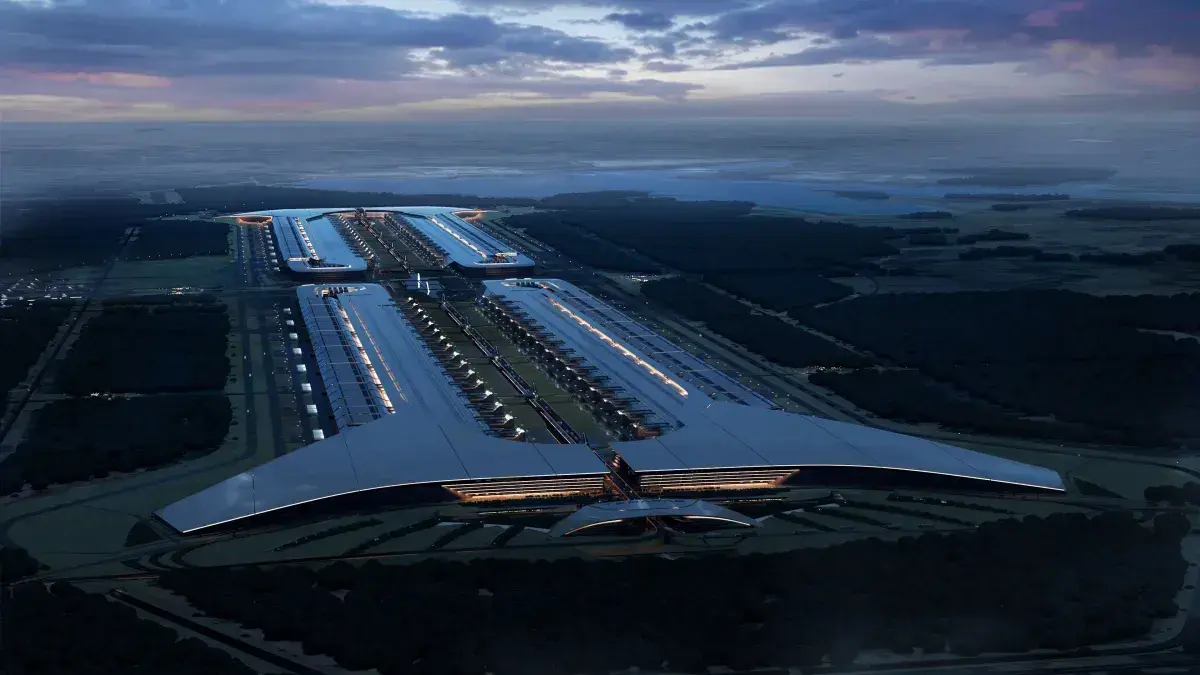
The semiconductor fabrication facility would be located roughly 80 miles northeast of Houston near the Gibbons Creek Reservoir, according to public hearing notices filed with local officials
3
. SpaceX describes the project as a "multi-phase, next-generation, vertically integrated semiconductor manufacturing and advanced computing fabrication facility" designed to boost domestic semiconductor production in the United States1
.Joint Venture Between SpaceX and Tesla Targets Multiple Applications
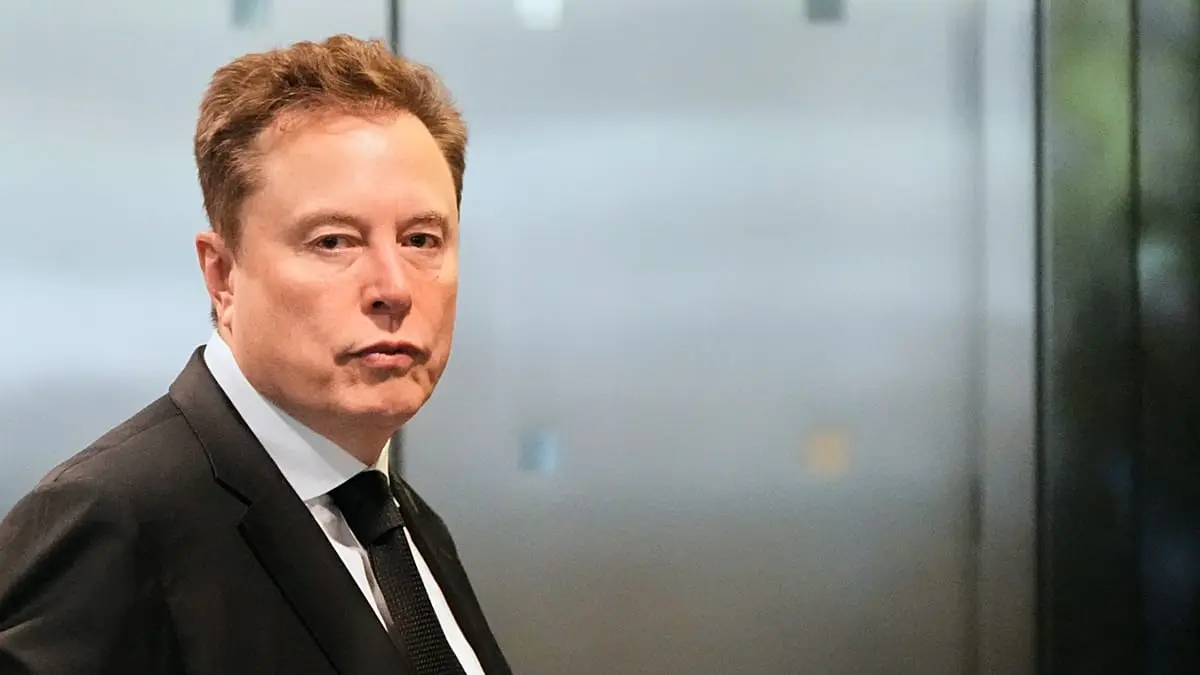
The chip manufacturing plant will be run jointly by SpaceX and Tesla, producing AI chips for a diverse range of applications across Elon Musk's companies
2
. The chips will power AI servers, satellites, autonomous Tesla vehicles, humanoid robots, and SpaceX's proposed orbital AI datacenters1
. Musk has stated that the manufacturing facility will eventually produce enough chips to provide 1 terawatt of computing power per year, arguing that semiconductor manufacturers aren't making chips quickly enough for his companies' artificial intelligence and robotics needs1
.
Source: Euronews
When Musk initially announced the project in March, he shared plans for Terafab to produce enough chips to support up to 200 gigawatts per year of computing power on Earth, and up to one terawatt in space-based data centers
2
. The billionaire has emphasized the existential nature of the project for his companies, writing: "We either build the Terafab or we don't have the chips, and we need the chips, so we build the Terafab"1
.Intel Partnership Brings Manufacturing Expertise to Unproven Venture
To address the significant knowledge gap—SpaceX has zero semiconductor manufacturing experience—the companies have brought chipmaking giant Intel into the effort
1
. During Tesla's recent earnings call, Musk revealed that the semiconductor factory in Texas would produce chips based on Intel's yet-unfinished 14A process node3
. Intel stated: "Our ability to design, fabricate, and package ultra-high-performance chips at scale will help accelerate Terafab's aim to produce 1 TW/year of compute to power future advances in AI and robotics"2
.Musk has boasted that the facility will have all the equipment necessary to produce chips of any kind, including memory and GPUs. "In a single building, we can create a lithography mask, make the chip, test the chip, make another mask, and have an incredibly fast recursive loop for improving the chip design," he said in a March presentation
3
. SpaceX flagged plans to "manufacture our own GPUs" as part of "substantial capital expenditures" outlined in its S-1 registration4
.Related Stories

Tax Breaks Sought as Project Faces Scrutiny
The facility is planned within a newly designated reinvestment zone in Grimes County, where local officials will consider a property tax abatement agreement at a meeting scheduled for 9 am on June 3
4
3
. The proposed facility could help reduce reliance on external suppliers such as Samsung and Taiwan Semiconductor Manufacturing Co4
.However, Musk wrote in a tweet on Wednesday that Grimes County, Texas was only one of several locations under consideration for the factory
1
. SpaceX's own filing highlighted significant risks, noting the company lacks long-term contracts with many direct chip suppliers and will continue to rely significantly on third parties. The company added there is no assurance it will meet its Terafab objectives within expected timelines, or at all4
.Timing Aligns with SpaceX IPO and xAI Integration
The filing comes as SpaceX prepares to go public as soon as June in what is likely to be one of the largest initial public offerings ever, targeting a valuation of around $1.75 trillion
4
. Earlier this year, SpaceX acquired xAI, Musk's AI startup, in a deal focused on building space-based data centers for artificial intelligence processing. The combined entity was valued at $1.25 trillion4
5
.
Source: The Verge
Elon Musk's AI ambitions have intensified across his companies, with SpaceX currently operating a "Colossus" data center in Memphis, Tennessee, that recently signed an agreement to power Anthropic's AI models
2
. Last month, SpaceX announced a $60 billion deal to acquire the AI start-up Cursor, which makes a code-writing assistant5
.The plan aligns with a broader U.S. push to expand domestic semiconductor production amid geopolitical tensions and supply chain risks
4
. For reference, Intel's leading-edge wafer fab expansion in Chandler, Arizona cost roughly $30 billion, significantly less than SpaceX's proposed first-phase investment3
. The success of orbital AI datacenters remains predicated on SpaceX's Starship bringing down the cost to orbit to economically viable levels, which hasn't happened yet3
. Since it takes three to five years to bring a new fab online, SpaceX still has time to make progress on reusability and launch costs as the facility develops.References
Summarized by

Navi
Related Stories
Elon Musk's Tesla and SpaceX confirm $16.8B Terafab chip factory in Texas with 100 million square feet
06 Aug 2026•Business and Economy
Elon Musk launches Terafab chip plant in Austin to fuel AI ambitions across Tesla and SpaceX
15 Mar 2026•Technology
Elon Musk's $5 Trillion Terafab Chip Plan Faces Skepticism Over Feasibility and Scale
22 Mar 2026•Technology
Recent Highlights



Recent Highlights
Today's Top Stories



Don’t drown in AI news. We cut through the noise - filtering, ranking and summarizing the most important AI news, breakthroughs and research daily. Follow topics that matter to you and stay ahead.


