4 Sources
4 Sources
[1]
Tesla stakes AI dreams on Intel's unfinished AI chip
EV maker leaning on still-in-development 14A process for Terafab, says it needs to build own silicon Elon Musk used Tesla's latest earnings call to reveal plans to build AI chips on Intel's not-yet-finished 14A process - a bet on silicon that doesn't exist. "Intel is excited to partner with us on some of the core manufacturing technologies," Musk said, referring to Tesla's planned "Terafab" chipmaking push, which he says is aimed at producing its own AI silicon at scale. He added that Tesla plans to use "Intel's 14A process, which is state-of-the-art and in fact, not yet totally complete." That last bit didn't seem to trouble him. "By the time Terafab scales up, 14A will be probably fairly mature or ready for prime time... we think it's going to be a great partnership," Musk added. The 14A process Musk is referring to is a future node beyond Intel's upcoming 18A, itself not yet in production, that's supposed to be the chipmaker's shot at clawing back relevance against rivals that have spent the past few years eating its lunch. Musk framed the move less as opportunism and more as existential panic about supply. "Terafab is not some sort of mechanism to generate leverage over our chip suppliers," he said. "We don't see a path to having enough sufficient quantity of AI chips down the road... we just anticipate hitting the wall if we don't make chips ourselves." That urgency doesn't quite line up with the numbers [PDF]. Tesla is still shifting a huge number of cars, but revenue dipped year-on-year, and profits fell further, with margins getting squeezed as costs rise and spending on AI and manufacturing keeps climbing. Which helps explain the rest of the pitch. If the next phase of Tesla is built on autonomy and AI rather than just selling cars, then securing its own supply of chips - or building them outright - starts to make sense. There's also the usual Muskian moonshot layered on top. "We do have some ideas for how to make maybe radically better AI chips," he said, quickly caveating that these are "research ideas... long shot," albeit ones that could deliver a "giant improvement" if they land. That same long-shot thinking runs through the rest of Tesla's plans. On robotaxis, he stuck to the familiar script: expansion is coming, slowly but surely, with Europe still a tougher regulatory nut to crack. On humanoid robots, the pitch was even bigger. Musk again positioned Optimus as the endgame, repeating that it could become Tesla's "biggest product," with production ramping - in his words - "slowly" before eventually scaling to something meaningful. Put it together and Tesla looks less like a car company branching into AI, and more like something else entirely that still happens to sell cars. Tesla is preparing to spend tens of billions to build chips, robots, and autonomous systems, while warning it may not have enough silicon to keep up with its own plans. And if that sounds like a lot to pull off at once, Musk appears unfazed - after all, the manufacturing process he's betting on isn't even finished yet. ®
[2]
Tesla plans to use Intel's next-gen 14A process for its TeraFab project
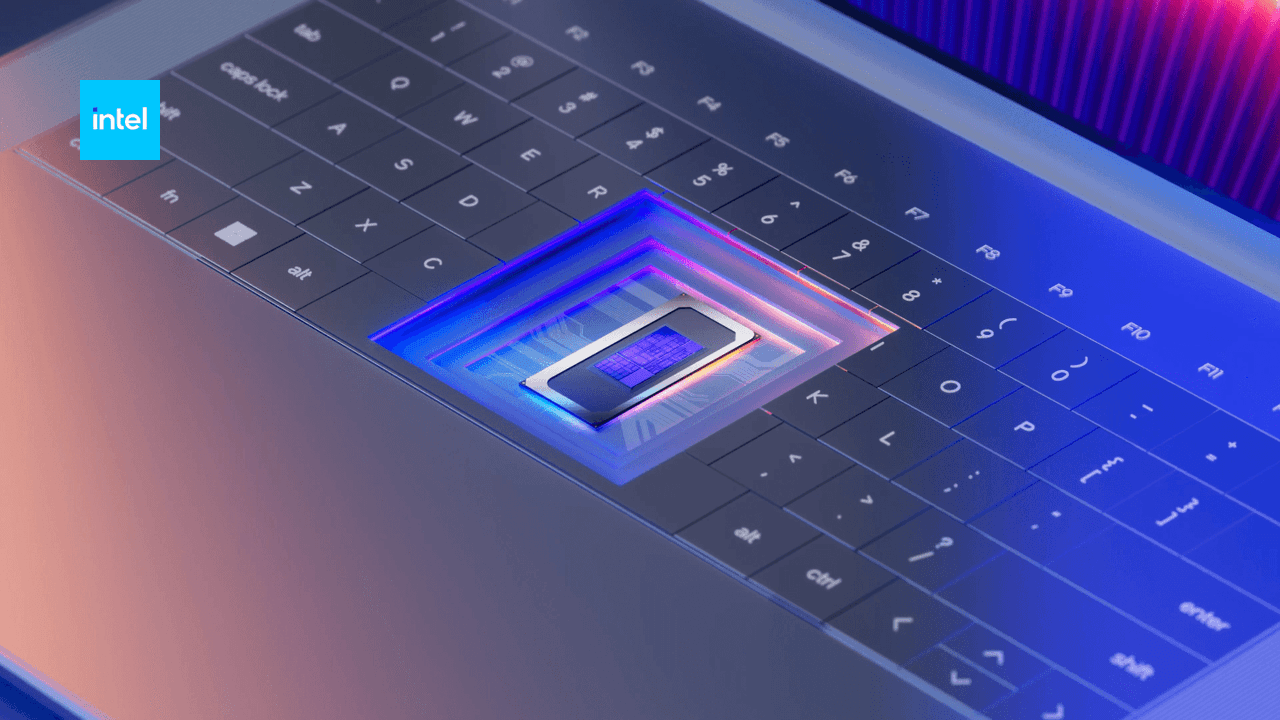
TL;DR: Tesla has chosen Intel's upcoming 14A manufacturing process for its TeraFab project, marking Intel's first major external customer for this node. This partnership supports Tesla's goal to develop in-house AI chip production, while Intel gains crucial external validation amid production challenges with its advanced nodes. Intel seems to have secured its first major customer for the 14A production node that is currently under development. According to a Reuters report, Tesla plans to use Intel's next-generation 14A manufacturing process for the much-anticipated TeraFab project. Tesla and SpaceX CEO Elon Musk has confirmed that they have picked Intel's yet unproven 14A process, giving Intel its first major external customer for this node. "Given that by the time Terafab scales up, 14A will be probably fairly mature or ready for prime time. 14A seems like the right move, and we have a great relationship with Intel" - Elon Musk via Reuters Musk seems to be very bullish on his vision for TeraFab, as he recently expressed his desire for the project to move at "light speed". Tesla is currently using external partners such as TSMC and Samsung to manufacture its AI chips, including the AI5 chip recently taped out. The billionaire's robotics and data center ambitions necessitate an in-house production process, which is what the TeraFab AI chip complex in Austin, Texas, aims to accomplish. On the other side, Intel is quite desperate to get its in-house production up and running. Their 18A process node has had some problems ramping up, but now, finally, we are seeing Panther Lake and Wildcat Lake CPUs being produced on that node, though only partially. Intel CEO Lip-Bu Tan has been very clear about Intel's production struggles and has even said that securing an external customer was vital to Intel's continued presence in the manufacturing business. Intel has recently joined Elon Musk's TeraFab project as well, which is important because Musk will need all the help he can get if he plans to achieve his lofty targets. The billionaire has previously said that TeraFab will aim to produce 1 terawatt of annual computing power, almost twice the amount the entire US currently produces. Realizing this goal will be a monumental task, estimated to cost up to $13 trillion by industry experts. Intel had previously stated that it was in conversation with multiple potential customers over the 14A node, but there was no concrete buyer yet. This has now changed after Tesla pledged its allegiance to Intel, which is a huge public vote of confidence as well. The stock market reflected this confidence with Intel's shares rising 3.6% following the announcement. Intel has not yet made an official statement regarding this future collaboration.
[3]
Elon Musk lays out Terafab AI chip project plan - The Economic Times
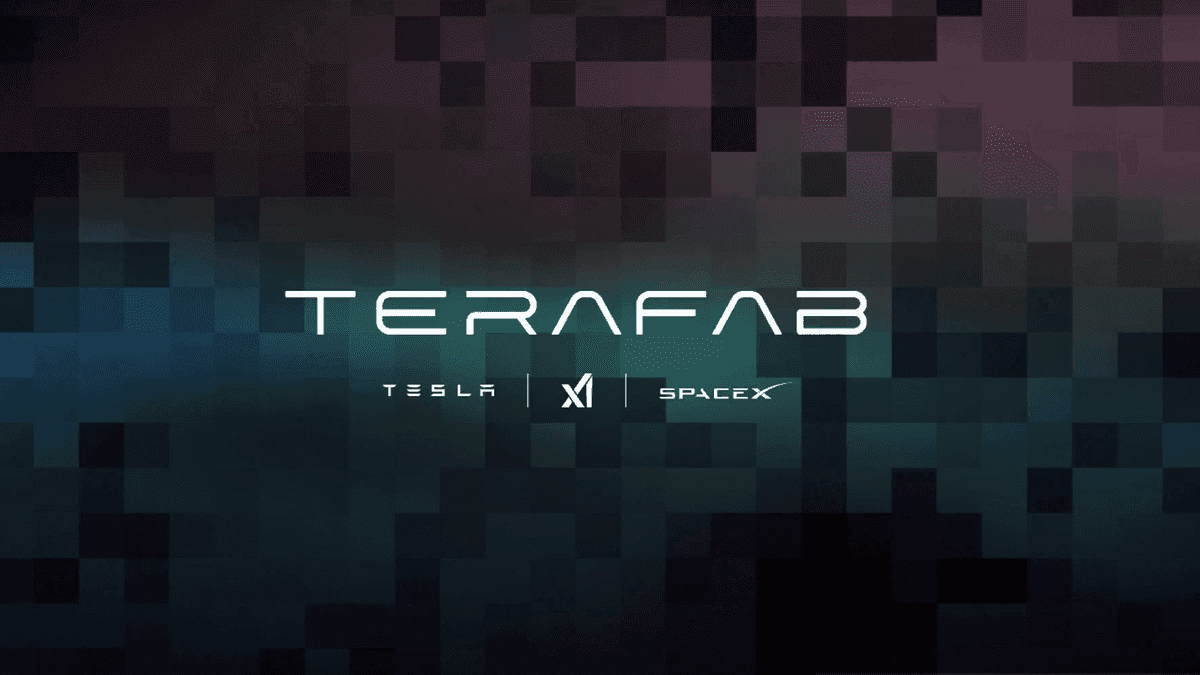
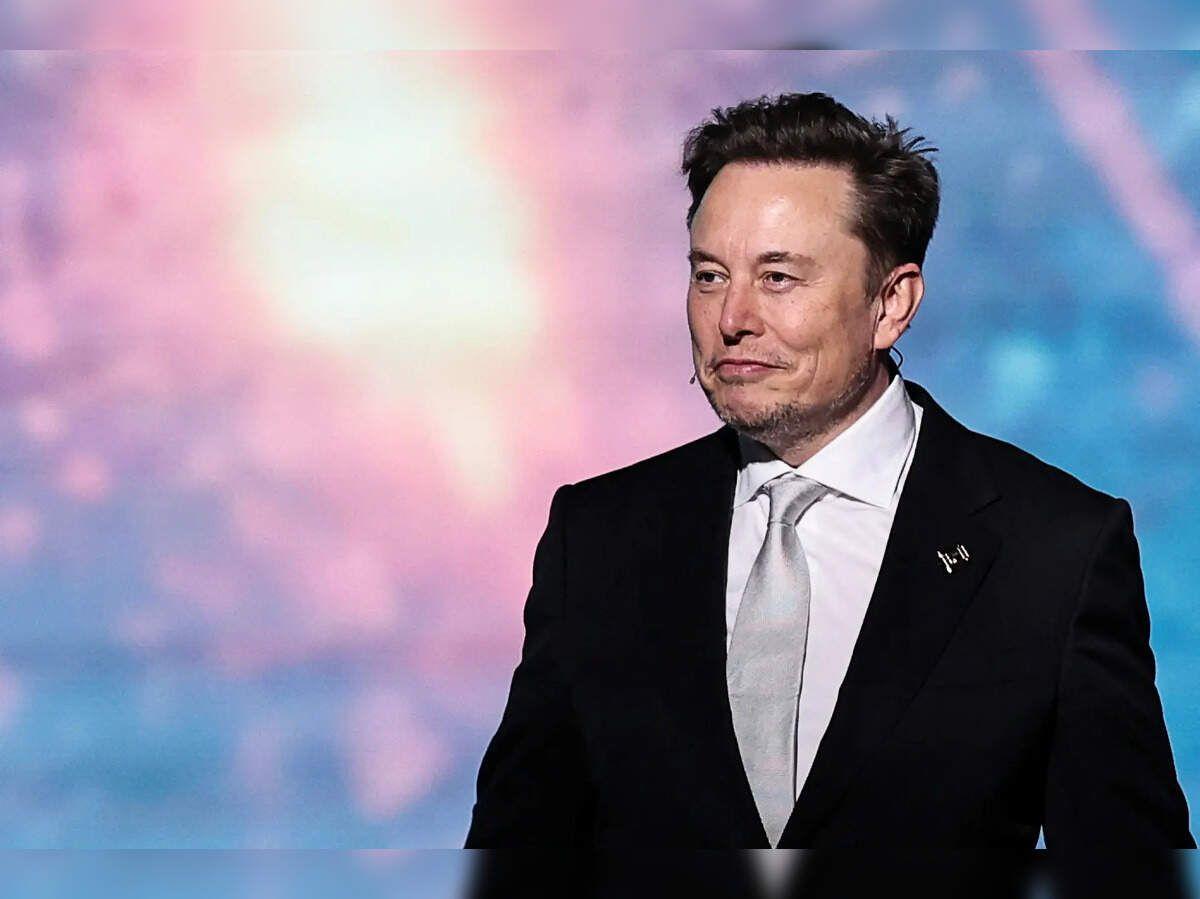
Elon Musk announced Tesla will utilize Intel's 14A process for its ambitious Terafab chip project in Texas. This advanced complex aims to produce chips for Tesla vehicles, Optimus robots, and AI data centers, with initial research fab construction underway on the Giga Texas campus.Tesla chief Elon Musk said on Wednesday the electric vehicle maker plans to use Intel's next-generation 14A manufacturing process to make chips at its Terafab project, an advanced artificial-intelligence chip complex Musk has envisioned in Texas. What is the Terafab Project Musk's SpaceX, its xAI unit and Tesla will build two advanced chip factories at a sprawling facility in Austin, one to be used in Tesla vehicles and Optimus humanoid robots, and another designed for AI data centres in space. "We either build the Terafab or we don't have the chips," Musk had said during a presentation in Austin in March, adding that current global chip production would meet only a small fraction of his companies' future needs. Musk said he was grateful to existing chip suppliers, naming Samsung, TSMC and Micron, but said demand from his companies would eventually exceed total global chip output. He did not give a timeline for the project and has a track record of announcing highly ambitious projects, though several have faced delays or fallen away. Intel announced it would join the project in April, bringing established chip manufacturing expertise to the venture. Location and scale Musk has said the Terafab will handle each step of chip production, including the design. On Tesla's earnings call on Wednesday, Musk said that the details of the Terafab deployment are still being worked out. In the near term, Tesla will be building the research fab on its Giga Texas campus in the Austin area. The initiative is expected to cost about $3 billion and "capable of maybe a few thousand wafers per month, but it's really intended to try out ideas," Musk said. "What we figured out thus far is Tesla doing the research fab, SpaceX doing the initial part of the large-scale Terafab. And then we got to figure out the rest," he said. Terafab will eventually produce one terawatt of computing capacity a year, compared with about half a terawatt currently generated across the United States, Musk had said in March. Building enough chip capacity to power one terawatt of annual compute would cost between $5 trillion and $13 trillion in capital expenditure, according to Bernstein estimates. Technology Tesla plans to use Intel's 14A manufacturing process to make chips at the Terafab project. The contract would mark Intel's first major customer for the technology, a breakthrough for the chipmaker which has struggled to stand up its contract manufacturing business essential for taking on top rival TSMC. Musk said that by the time Terafab scales up, Intel's 14A manufacturing process "will be probably fairly mature or ready for prime time" and "seems like the right move." Musk's staff have reached out to chip industry suppliers, including Applied Materials, Tokyo Electron and Lam Research, and Samsung for the Terafab project, according to Bloomberg. Staff have sought price quotes and delivery times for an array of chipmaking gear, Bloomberg reported last week, adding that in the past few weeks, they have contacted makers of photomasks, substrates, etchers, depositors, cleaning devices, testers and other tools. Reuters reported that SpaceX is planning to make its own graphics processing units, or GPUs, the chips at the heart of training AI models. The "unknowns" Though Musk has said Terafab would target chips for cars, humanoid robots and space-based data centers, many details are unknown, such as:
[4]
Elon Musk lays out Terafab AI chip project plan
April 23 (Reuters) - Tesla chief Elon Musk said on Wednesday the electric vehicle maker plans to use Intel's next-generation 14A manufacturing process to make chips at its Terafab project, an advanced artificial-intelligence chip complex Musk has envisioned in Texas. WHAT IS THE TERAFAB PROJECT? Musk's SpaceX, its xAI unit and Tesla will build two advanced chip factories at a sprawling facility in Austin, one to be used in Tesla vehicles and Optimus humanoid robots, and another designed for AI data centers in space. "We either build the Terafab or we don't have the chips," Musk had said during a presentation in Austin in March, adding that current global chip production would meet only a small fraction of his companies' future needs. Musk said he was grateful to existing chip suppliers, naming Samsung, TSMC and Micron, but said demand from his companies would eventually exceed total global chip output. He did not give a timeline for the project and has a track record of announcing highly ambitious projects, though several have faced delays or fallen away. Intel announced it would join the project in April, bringing established chip manufacturing expertise to the venture. LOCATION AND SCALE Musk has said the Terafab will handle each step of chip production, including the design. On Tesla's earnings call on Wednesday, Musk said that the details of the Terafab deployment are still being worked out. In the near term, Tesla will be building the research fab on its Giga Texas campus in the Austin area. The initiative is expected to cost about $3 billion and "capable of maybe a few thousand wafers per month, but it's really intended to try out ideas," Musk said. "What we figured out thus far is Tesla doing the research fab, SpaceX doing the initial part of the large-scale Terafab. And then we got to figure out the rest," he said. Terafab will eventually produce one terawatt of computing capacity a year, compared with about half a terawatt currently generated across the United States, Musk had said in March. Building enough chip capacity to power one terawatt of annual compute would cost between $5 trillion and $13 trillion in capital expenditure, according to Bernstein estimates. TECHNOLOGY Tesla plans to use Intel's 14A manufacturing process to make chips at the Terafab project. The contract would mark Intel's first major customer for the technology, a breakthrough for the chipmaker which has struggled to stand up its contract manufacturing business essential for taking on top rival TSMC. Musk said that by the time Terafab scales up, Intel's 14A manufacturing process "will be probably fairly mature or ready for prime time" and "seems like the right move." Musk's staff have reached out to chip industry suppliers, including Applied Materials, Tokyo Electron and Lam Research, and Samsung for the Terafab project, according to Bloomberg. Staff have sought price quotes and delivery times for an array of chipmaking gear, Bloomberg reported last week, adding that in the past few weeks, they have contacted makers of photomasks, substrates, etchers, depositors, cleaning devices, testers and other tools. Reuters reported that SpaceX is planning to make its own graphics processing units, or GPUs, the chips at the heart of training AI models. THE "UNKNOWNS" Though Musk has said Terafab would target chips for cars, humanoid robots and space-based data centers, many details are unknown, such as: (Reporting by Juby Babu in Mexico City; Editing by Maju Samuel)
Share
Share
Copy Link
Tesla has chosen Intel's not-yet-complete 14A manufacturing process for its ambitious Terafab project, marking Intel's first major external customer for this advanced node. Elon Musk announced the partnership during Tesla's earnings call, revealing plans for a $3 billion research fab at Giga Texas as the company pivots toward in-house AI chip production to fuel its autonomous driving and robotics ambitions.
Tesla has placed a bold bet on Intel's future, selecting the chipmaker's still-in-development 14A process for its Terafab project, an advanced AI chip complex planned for Texas
1
. During Tesla's latest earnings call, Elon Musk confirmed the partnership, acknowledging that Intel's 14A process is "state-of-the-art and in fact, not yet totally complete"1
. The move marks Intel's first major external customer for this process node, providing crucial validation as the chipmaker struggles to compete with TSMC and other rivals2
. Musk expressed confidence that by the time Terafab scales up, the manufacturing process "will be probably fairly mature or ready for prime time," adding that "14A seems like the right move"3
. Intel's stock rose 3.6% following the announcement, reflecting market confidence in this partnership2
.
Source: TweakTown
Musk framed the Terafab initiative as an urgent response to anticipated chip shortages rather than a negotiating tactic with current chip suppliers. "We don't see a path to having enough sufficient quantity of AI chips down the road," he explained, warning that Tesla would "hit the wall" without in-house AI chip production
1
. While Tesla currently relies on external chip suppliers including Samsung, TSMC, and Micron for manufacturing its AI chips like the recently taped-out AI5 chip, Musk has stated that demand from his companies would eventually exceed total global chip output3
. This concern takes on added weight given Tesla's financial picture: revenue dipped year-on-year with profits falling further as margins get squeezed while spending on AI and manufacturing continues climbing1
.
Source: ET
In the near term, Tesla will construct a research fab on its Giga Texas campus in the Austin area, with the initiative expected to cost approximately $3 billion
3
. This facility will be "capable of maybe a few thousand wafers per month, but it's really intended to try out ideas," Musk said during the earnings call4
. The broader Terafab project involves SpaceX, xAI, and Tesla building two advanced chip factories at a sprawling facility in Austin—one for Tesla vehicles and Optimus humanoid robots, another designed for AI data centers in space . Musk revealed that "Tesla doing the research fab, SpaceX doing the initial part of the large-scale Terafab. And then we got to figure out the rest"4
. Staff have already reached out to chip industry suppliers including Applied Materials, Tokyo Electron, Lam Research, and Samsung, seeking price quotes and delivery times for chipmaking equipment4
.Related Stories
The scale of Musk's vision for Terafab borders on the astronomical. He has stated the facility will eventually produce one terawatt of computing capacity annually, compared with about half a terawatt currently generated across the entire United States . Building enough chip capacity to power one terawatt of annual compute would require between $5 trillion and $13 trillion in capital expenditure, according to Bernstein estimates
4
. Industry experts have described achieving this target as a monumental task2
. Musk has previously expressed his desire for the project to move at "light speed," though he has a track record of announcing highly ambitious projects that have faced delays or fallen away .The Terafab initiative signals Tesla's continued evolution from an electric vehicle manufacturer into something fundamentally different. Musk hinted at "research ideas" for "radically better AI chips," quickly caveating these as "long shot" concepts that could nonetheless deliver a "giant improvement" if successful
1
. The silicon will support multiple applications across Musk's companies: autonomous driving technology for robotaxis, Optimus humanoid robots which Musk has positioned as potentially Tesla's "biggest product," and AI data centers1
. On robotaxis, Musk maintained that expansion is coming gradually, with Europe presenting tougher regulatory challenges1
. Reuters has reported that SpaceX is planning to manufacture its own graphics processing units, the chips central to training AI models4
. For Intel, securing Tesla as a customer for its 14A node represents vital external validation, as Intel CEO Lip-Bu Tan has acknowledged the company's production struggles and stated that securing an external customer was critical to Intel's continued presence in the manufacturing business2
.Summarized by
Navi
[1]
[4]
16 Apr 2026•Technology

15 Mar 2026•Technology

07 Apr 2026•Technology

1
Technology

2
Science and Research

3
Technology