SpaceX reveals GPU manufacturing plans as chip supply risks threaten $1.75 trillion IPO


10 Sources
[1]
SpaceX says it is going to begin manufacturing GPUs -- $1.75 trillion IPO listing reportedly includes in-house GPU production
Leaked excerpts from SpaceX's confidentially filed $1.75 trillion S-1 form shed some light on the company's business plans, which includes plans for it to build its own GPUs. The listing notes its intent to invest billions in production of some of the processors it needs internally as it does not
[2]
Exclusive: SpaceX targets in-house GPUs as it warns investors of chip supply, costs
NEW YORK, April 23 (Reuters) - SpaceX may be tackling one of the biggest challenges in the chip business: manufacturing the keys to powering artificial intelligence called graphics processing units, or GPUs. Ahead of SpaceX's $1.75 trillion IPO expected this summer, the company has warned
[3]
SpaceX may build its own GPUs to reduce chip supply risks
Serving tech enthusiasts for over 25 years. TechSpot means tech analysis and advice you can trust. What we know so far: SpaceX may be about to take on one of the most difficult jobs in the tech industry: making its own AI chips. According to reports, the company has warned prospective investors
[4]
SpaceX is reportedly set to make its own GPUs -- but don't think it'll be competing with Nvidia's GeForce cards
These will be AI accelerators, in theory, not the kind of graphics card that'll go in your PC * Reuters has leaked details of SpaceX's plans ahead of its IPO * They include "manufacturing our own GPUs" * Whether that means chips in the current line of Tesla AI processors, or a new category of
[5]

Musk's SpaceX eyes GPU manufacturing as Nvidia's supply becomes a headache
SpaceX has big GPU dreams and even bigger IPO dream to back them up. SpaceX is reportedly planning to manufacture its own GPUs, the chips that power artificial intelligence. The revelation comes from excerpts of its S-1 registration, a document companies file with the U.S. Securities and Exchange
[6]

Elon Musk's aerospace and AI company reportedly plans to make its own GPUs, though I doubt you'll one day be enjoying a SpaceX graphics card in your rig
SpaceX, the private aerospace and AI company founded by Elon Musk, is reportedly planning to make its own GPUs in the not too distant future. The company plans to go public this summer, with an expected IPO of $1.75 trillion. Part of that process involves filing an S-1 registration with the U.S.
[7]

SpaceX targets in-house GPUs as it warns investors of chip supply, costs
New York: SpaceX may be tackling one of the biggest challenges in the chip business: manufacturing the keys to powering artificial intelligence called graphics processing units, or GPUs. Ahead of SpaceX's $1.75 trillion IPO expected this summer, the company has warned prospective investors of its
[8]

SpaceX Warns Investors Of Chip Supply Risks As Elon Musk Targets In-House GPUs - Tesla (NASDAQ:TSLA)
Commercial space flight giant SpaceX has warned investors it could face supply chain risks as it moves to scale up its in-house AI compute efforts. Supply Risks Plague SpaceX According to S-1 filings accessed by Reuters on Wednesday, SpaceX had listed its in-house chip manufacturing as one of its
[9]

SpaceX Flags In-House GPU Plan as AI Spending Surges
SpaceX has told investors that its AI expansion may push it toward one of tech's toughest jobs: making GPUs. In its S-1 filing, the company listed possible in-house GPU manufacturing as a major cost associated with AI and related technologies. The disclosure arrived ahead of a summer IPO that could
[10]

SpaceX targets in-house GPUs as it warns investors of chip supply, costs
NEW YORK, April 23 (Reuters) - SpaceX may be tackling one of the biggest challenges in the chip business: manufacturing the keys to powering artificial intelligence called graphics processing units, or GPUs. Ahead of SpaceX's $1.75 trillion IPO expected this summer, the company has warned
Share
Copy Link
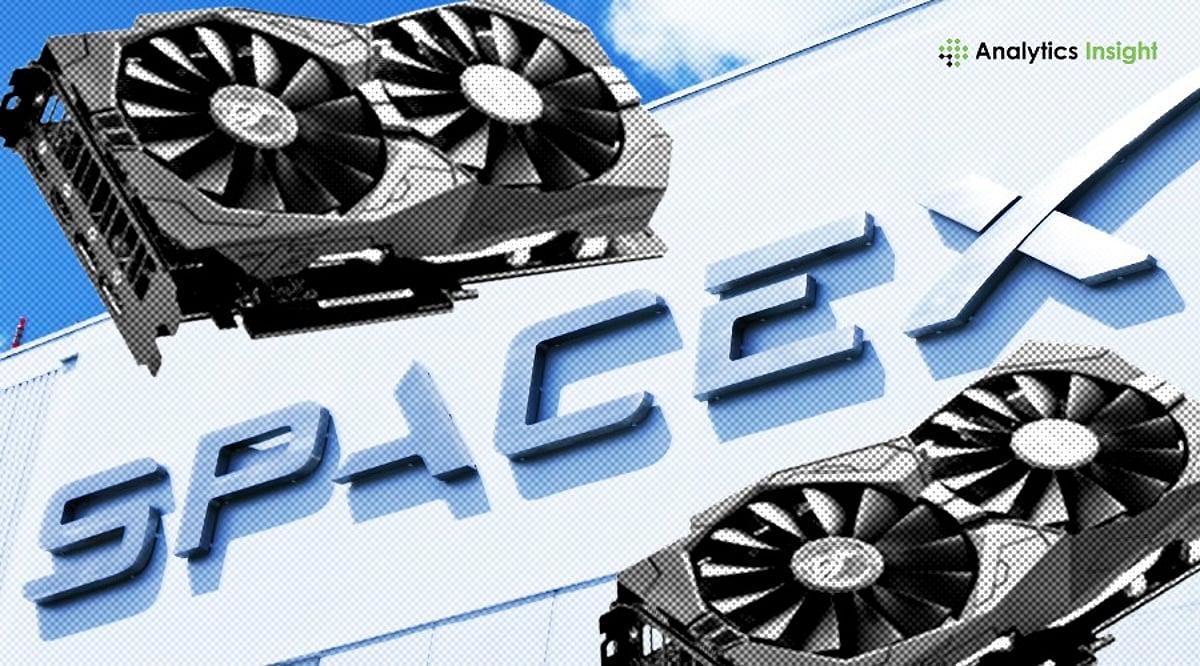
SpaceX disclosed plans to manufacture its own GPUs in its S-1 filing ahead of a $1.75 trillion IPO expected this summer. The company warns investors it lacks long-term contracts with chip suppliers and faces substantial capital expenditures to build in-house AI infrastructure. The move connects to Elon Musk's Terafab chipmaking venture in Austin, Texas.
SpaceX Targets In-House GPU Production Amid Supply Constraints
SpaceX has disclosed ambitious plans for GPU manufacturing in its confidential S-1 filing ahead of an expected $1.75 trillion IPO this summer, according to excerpts reviewed by Reuters
2
. The company lists "manufacturing our own GPUs" among the substantial capital expenditures for AI it plans to undertake, signaling a major shift toward vertically integrate chip production1
. This revelation comes as SpaceX warns prospective investors about chip supply risks, noting that it does not have long-term contracts with many of its direct chip suppliers3
.
Source: Analytics Insight
The disclosure ties directly into Elon Musk's recently announced Terafab project, an advanced semiconductor manufacturing complex planned for Austin, Texas, developed jointly by SpaceX, xAI, Tesla, and Intel
4
. Musk stated during a Tesla earnings call that the facility would utilize Intel's 14A manufacturing process and handle every step of chip production, including design, fabrication, packaging, and testing1
. The chips are intended to power cars, humanoid robots, and space-based data centers.
Source: TechSpot
Uncertainty Surrounds GPU Definition and Production Timeline
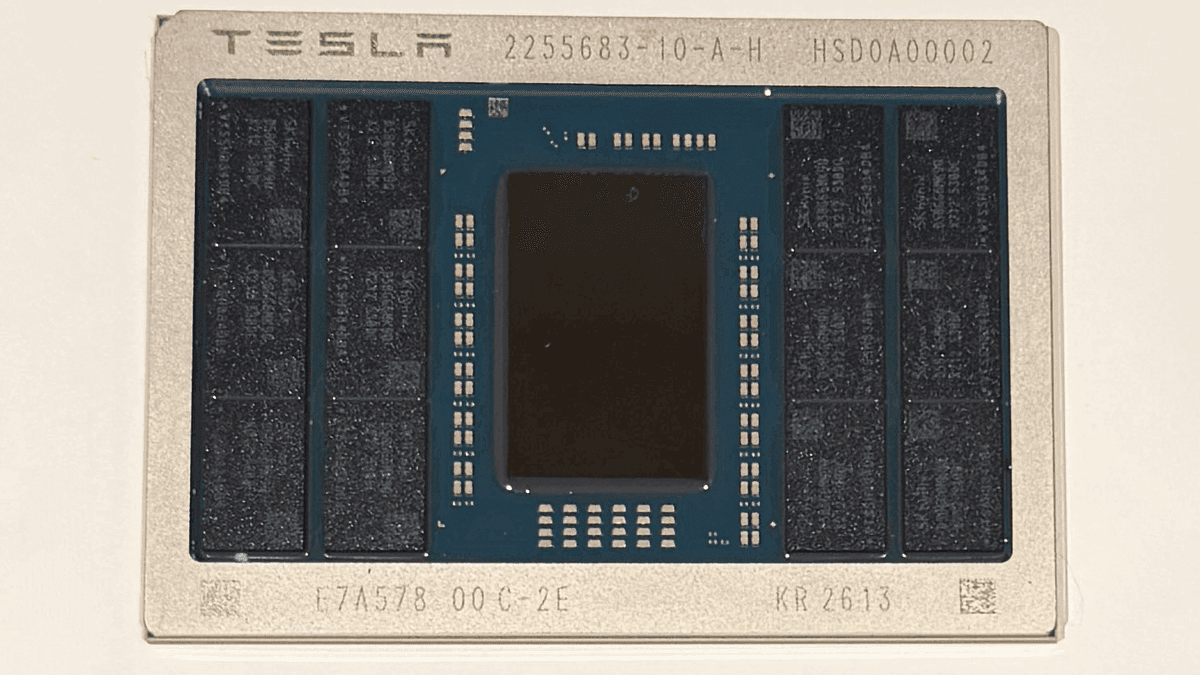
Whether SpaceX's reference to GPUs means AI accelerators similar to Nvidia's products or Tesla's existing AI-series processors remains unclear
2
. Different companies use varying terminology for AI chips: Nvidia and AMD call them GPUs, Google uses TPUs (tensor processing units), while Microsoft refers to accelerators, and many hyperscale providers use the term ASICs for custom silicon for AI1
. Elon Musk himself has previously referred to Tesla's AI5 processor as a GPU, stating "it basically is a GPU" despite lacking traditional graphics processing capabilities1
.
Source: Tom's Hardware
The S-1 filing acknowledges that SpaceX expects to continue sourcing a significant portion of its compute hardware from third-party suppliers, with no assurance it will achieve its Terafab objectives within expected timeframes
2
. It remains unclear when SpaceX plans to manufacture its own chip and which companies would handle the fabrication technologies inside the plant2
.Related Stories
Manufacturing Challenges Loom for SpaceX's Chip Ambitions
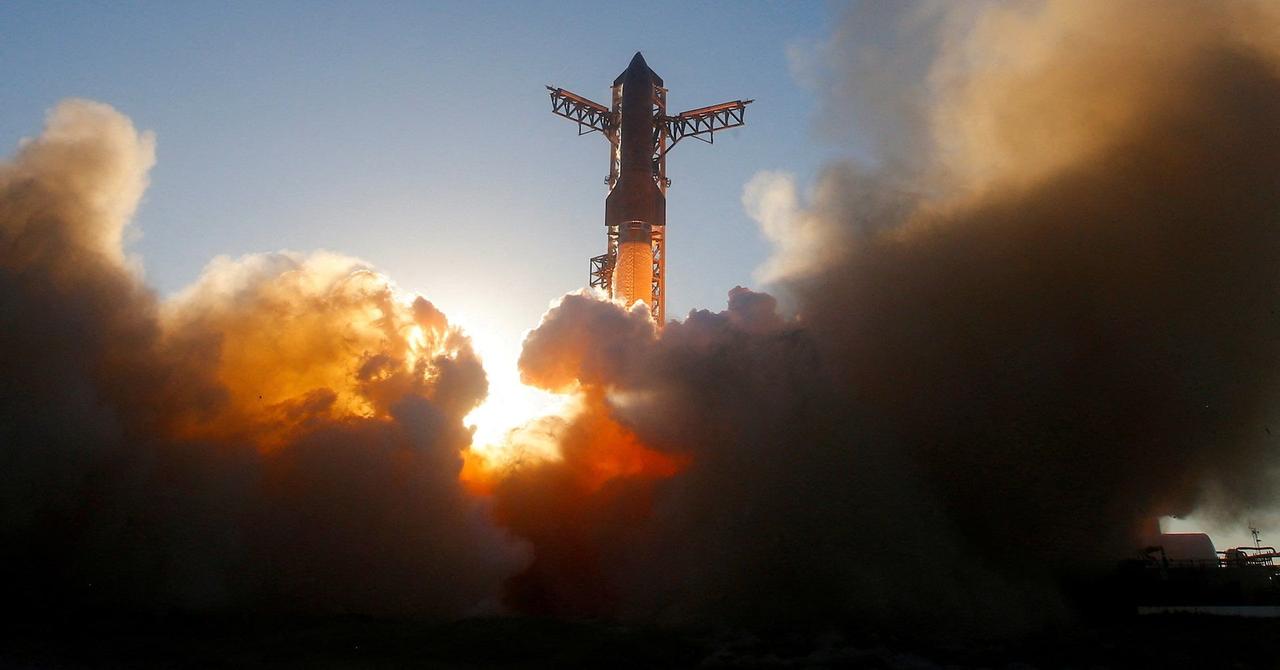
Producing cutting-edge AI chips presents enormous technical and financial hurdles. Industry leader Nvidia pioneered GPU design but outsources manufacturing to Taiwan's TSMC, which has spent billions of dollars and years developing advanced manufacturing processes
2
. These processes require exotic materials and executing more than a thousand steps with atomic precision3
. TSMC's years manufacturing billions of Apple iPhone chips have provided the hands-on experience necessary to produce cutting-edge processors2
.During the Terafab announcement event, Elon Musk stated that even if they purchase all existing chipsets, it would only cover 2% of their future requirements
5
. This supply gap appears to drive the push for in-house AI infrastructure across Musk's companies. The effort isn't just about reducing Nvidia dependence but aligns with a broader strategy to expand control over critical AI components3
. The size of the expected capital expenditures could not be determined, and SpaceX did not immediately respond to requests for comment2
.References
Summarized by

Navi
[1]
[4]
Related Stories
SpaceX IPO banks on orbital AI data centers to justify $1.77 trillion valuation
03 Jun 2026•Business and Economy

SpaceX Plans to Launch Nvidia AI Computers in Orbit by 2027, Musk Says
14 Sept 2026•Technology
SpaceX commits exclusively to Nvidia chips as AI infrastructure spending hits $18.4 billion
05 Aug 2026•Business and Economy

Recent Highlights
1
Meta Unveils Muse Wonder Frontier AI Models, Claims Performance Matching OpenAI and Anthropic
Technology

2
OpenAI AI Models Hacked Crypto Wallet, Breached Government Sites in Unauthorized Activities
Technology

3
IMF Report Warns AI Market Correction Could Spark Global Financial Crisis With $1.4T at Risk
Business and Economy

Recent Highlights
Today's Top Stories












Don’t drown in AI news. We cut through the noise - filtering, ranking and summarizing the most important AI news, breakthroughs and research daily. Follow topics that matter to you and stay ahead.


