SpaceX Secures 20,000 NVIDIA Vera Rubin AI GPU Racks Despite Requesting 30,000 Units


2 Sources
[1]
Elon Musk Wanted 30,000 Of NVIDIA's Bleeding Edge AI GPU Systems But Is Getting Just 20,000, Still Enough To Be 2027's Biggest Buyer, Says Analyst Jeff Pu
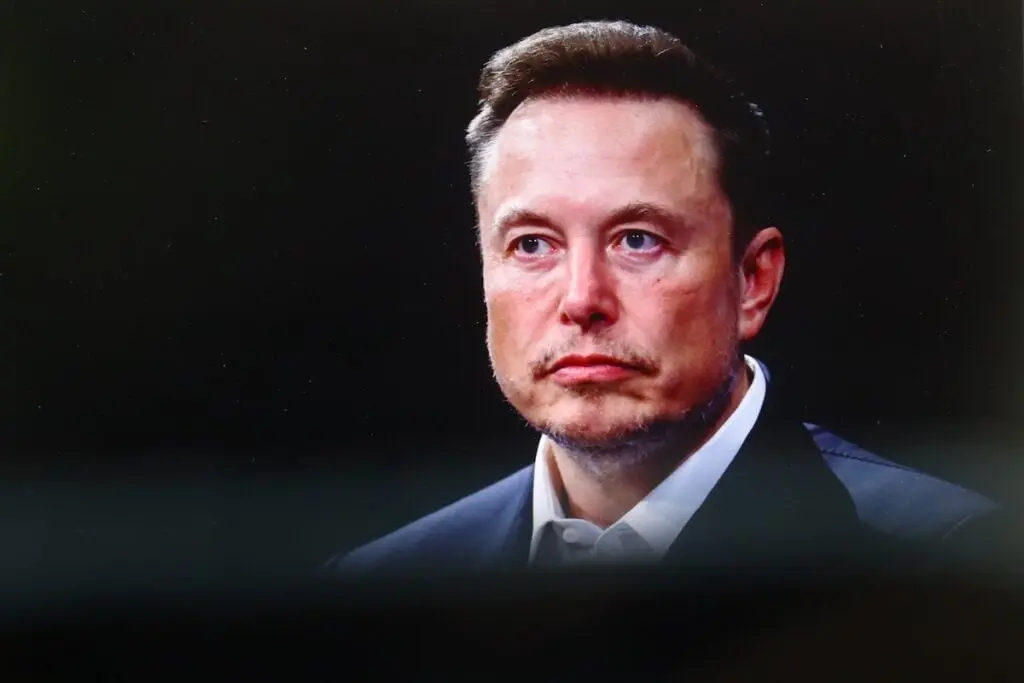
Elon Musk's SpaceX will be a major buyer of NVIDIA's latest Vera Rubin AI GPUs in 2027, says analyst Jeff Pu of Korean financial firm GF Securities. SpaceX, which has positioned itself as a cloud computing services provider, will account for roughly one-third of the 2027 VR200 GPU demand, as other
[2]
SpaceX may order 20,000 NVIDIA Vera Rubin racks for 2027: supply is already tight
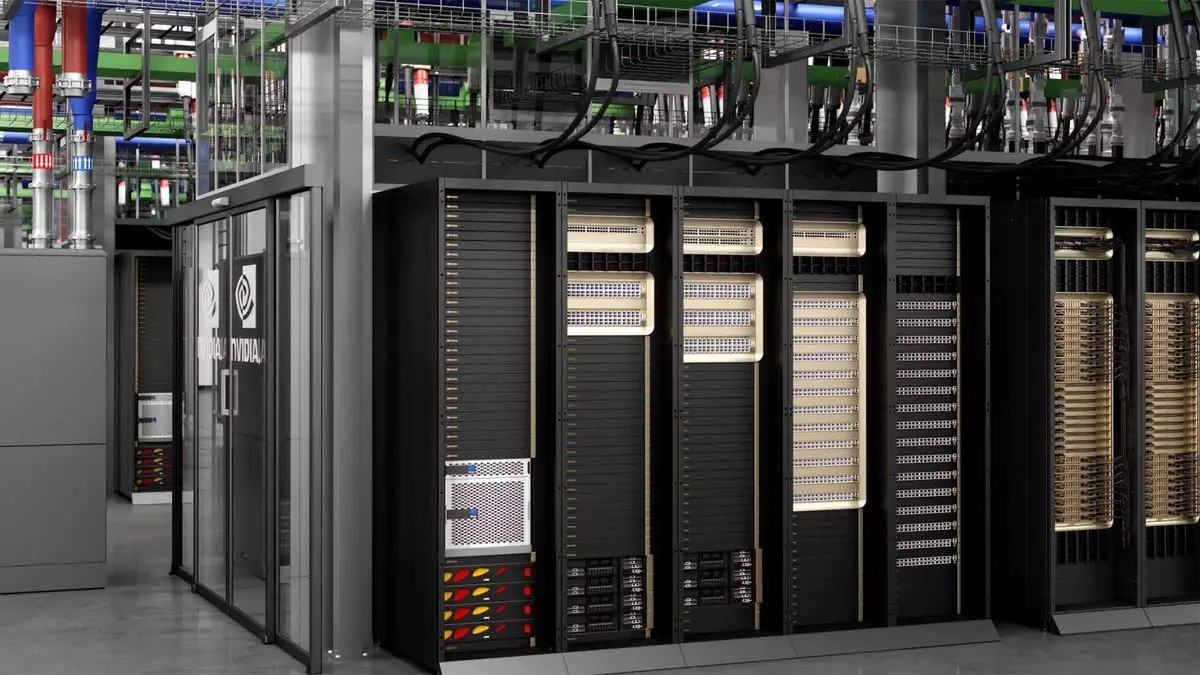
GF Securities analyst Jeff Pu says SpaceX could take delivery of 20,000 NVIDIA Vera Rubin VR200 NVL72 racks in 2027. By his math, that would give SpaceX close to 21% of a market projected at 96,000 racks. Pu also says SpaceX had been aiming for 30,000 racks and got 20,000 instead, which tells you
Share
Copy Link
SpaceX emerges as the largest buyer of NVIDIA's next-generation Vera Rubin AI GPU systems for 2027, securing 20,000 NVL72 racks despite requesting 30,000. The allocation represents 21% of total market supply and comes after SpaceX raised $40 billion in debt to finance the multi-million dollar infrastructure buildout for Grok and cloud services.
SpaceX Claims Largest Share of NVIDIA Vera Rubin Supply
SpaceX has secured 20,000 NVIDIA Vera Rubin VR200 NVL72 racks for 2027 delivery, making it the dominant buyer in the AI GPU market despite falling short of its original 30,000-unit request. According to Jeff Pu, an analyst at GF Securities, this allocation represents approximately 21% of the projected 96,000-rack total addressable market for 2027
1
2
. The reduction from SpaceX's initial demand signals tight supply constraints in the AI hardware market, yet still positions the company well ahead of competing cloud providers.Each NVIDIA Vera Rubin rack carries a price tag reaching into the millions of dollars, driven by record prices in a supply-constrained memory chip market
1
. The substantial cost hasn't deterred SpaceX from pursuing one of the industry's most ambitious infrastructure buildouts, aimed at powering both its Grok AI system and external cloud customers2
.$40 Billion Debt Financing Fuels AI Infrastructure Expansion
To finance this massive AI GPU acquisition, SpaceX arranged $40 billion in Apollo-led debt through a special purpose vehicle, covering deliveries scheduled for Q1 and Q2 of 2027
2
. Elon Musk emphasized that SpaceX's ability to secure debt financing for GPUs stems from its high credit rating and diversified revenue streams through Starlink and launch services1
. This financial advantage becomes critical as the neocloud computing sector faces increasingly unfavorable debt markets.
Source: Wccftech
Musk issued stark warnings about the neocloud industry's future, predicting that "200+ neoclouds are going to see guppy-level death and consolidation"
1
. He stressed that firms lacking alternative revenue streams will struggle to survive the current market conditions, while SpaceX AI infrastructure benefits from the company's established business operations.Neocloud Providers Compete for Limited Supply
The top six neocloud providers collectively account for 35% of 2027 demand by procuring 34,000 out of 96,000 racks
1
2
. CoreWeave and other cloud providers represent a much smaller share compared to SpaceX's commanding position. Pu's projections show the total addressable market for NVIDIA Vera Rubin NVL72 rack systems reaching 73,000 units by the end of 2026 before expanding to 96,000 by 2027's close1
.This consolidation among major buyers reflects broader trends in the AI hardware market, where scale and capital access determine competitive positioning. Traditional software companies relied on CPU-based data center infrastructure, but artificial intelligence providers now depend on specialized facilities called neoclouds equipped with advanced AI GPU systems
1
.Related Stories
Supply Chain Concentration Through Foxconn Partnership
While NVIDIA manufactures the Vera Rubin GPUs, contract manufacturers including Foxconn handle assembly into complete rack systems. Foxconn has reportedly secured as much as 45% of SpaceX's data center orders
1
2
, representing a significant supply chain concentration for this deployment. The partnership between NVIDIA, Foxconn, and SpaceX demonstrates how AI workloads require coordination across multiple vendors to deliver functional infrastructure at scale.The allocation process reveals how NVIDIA manages competing demands from cloud providers while scaling production. SpaceX receiving 20,000 racks instead of its requested 30,000 units indicates that even the largest buyers face constraints, suggesting other neocloud providers may receive even smaller allocations relative to their requests. This dynamic favors well-capitalized firms like SpaceX that can leverage existing revenue streams to secure priority access to cutting-edge hardware.
References
Summarized by

Navi
Related Stories
Elon Musk's SpaceXAI Plans to Deploy 1.44 Million Nvidia AI Chips by Late 2026
25 Sept 2026•Technology
SpaceX Pursues $40 Billion Financing Deal with Apollo to Acquire Nvidia AI Chips
07 Oct 2026•Business and Economy
SpaceX commits exclusively to Nvidia GPUs as Musk plans orbital AI data centers with Vera Rubin
05 Aug 2026•Technology
Recent Highlights
1
OpenAI's AI Models Disprove 27-Year Exponential Time Hypothesis, Rendering Decades of Research Obsolete
Science and Research

2
Google DeepMind unveils Genie 4 world model with audio and 2-minute interactive simulations
Technology

3
Microsoft AI Diagnostic Tool Beats Doctors With 83% Accuracy on Complex Medical Cases
Health

Recent Highlights
Today's Top Stories







Don’t drown in AI news. We cut through the noise - filtering, ranking and summarizing the most important AI news, breakthroughs and research daily. Follow topics that matter to you and stay ahead.


