AI Trained in Space as Tech Giants Race to Build Orbiting Data Centers Powered by Solar Energy


6 Sources
[1]
Billionaires want data centers everywhere, including space
Tech billionaires have been obsessed with space for a long time. Now, as the largest AI companies race to build more data centers in a frenzied pursuit of profitability, space is looking less like a pet project and more like a commercial opportunity. In 2025 alone, six proposals for giant AI data
[2]
An AI Model Has Been Trained in Space Using an Orbiting Nvidia GPU
A startup says it has successfully trained an AI model in space using an Nvidia GPU that was launched into Earth's orbit last month. Starcloud flew up the Nvidia H100 enterprise GPU on a test satellite on Nov. 2. The company now reports using the Nvidia chip to train a lightweight, open-source AI
[3]
Data centers in space: Will 2027 really be the year AI goes to orbit?
Google recently unveiled Project Suncatcher, a research "moonshot" aiming to build a data centre in space. The tech giant plans to use a constellation of solar-powered satellites which would run on its own TPU chips and transmit data to one another via lasers. Google's TPU chips (tensor processing
[4]
Nvidia Chip on Satellite in Orbit Trains First AI Model in Space
"Anything you can do in a terrestrial data center, I'm expecting to be able to be done in space." Artificial intelligence companies are planning on investing unbelievable sums -- more than a trillion dollars per year by OpenAI alone -- building out enormous data centers that consume copious
[5]

Starcloud Becomes First to Train LLMs in Space Using NVIDIA H100 | AIM
NVIDIA-backed startup Starcloud has successfully trained and run LLMs from space for the first time, a step toward orbital data centres as demand for computing power and energy grows on Earth. The Washington-based company's Starcloud-1 satellite, launched last month with an NVIDIA H100 GPU, has
[6]

World's 1st LLM trained in space: From earth to orbit on NVIDIA H100 GPUs
Future of compute is moving energy-hungry AI training to space The concept of "cloud computing" has just become literal in the most extreme way possible. In a historic first that signals a new era for artificial intelligence infrastructure, Washington-based startup Starcloud has successfully
Share
Copy Link
Starcloud successfully trained the first AI model in space using an Nvidia H100 GPU aboard its satellite. Google plans to launch Project Suncatcher in 2027, while SpaceX and other tech giants pursue orbital data centers to address the environmental impact of ground-based AI infrastructure and tap into unlimited solar energy.
First AI Model Trained in Space Marks New Era
Startup Starcloud has achieved a milestone by training an AI model in space using an Nvidia H100 GPU launched aboard its Starcloud-1 satellite in November. The company successfully trained NanoGPT, a lightweight open-source model from OpenAI founding member Andrej Karpathy, on the complete works of Shakespeare
2
. The satellite also ran inference on Google's Gemma model, effectively creating a chatbot in orbit that sent back a message reading: "Greetings, Earthlings! Or, as I prefer to think of you -- a fascinating collection of blue and green"4
. This represents the first time an AI has been run on cutting-edge hardware in space, demonstrating that data centers in space could become viable alternatives to their terrestrial counterparts.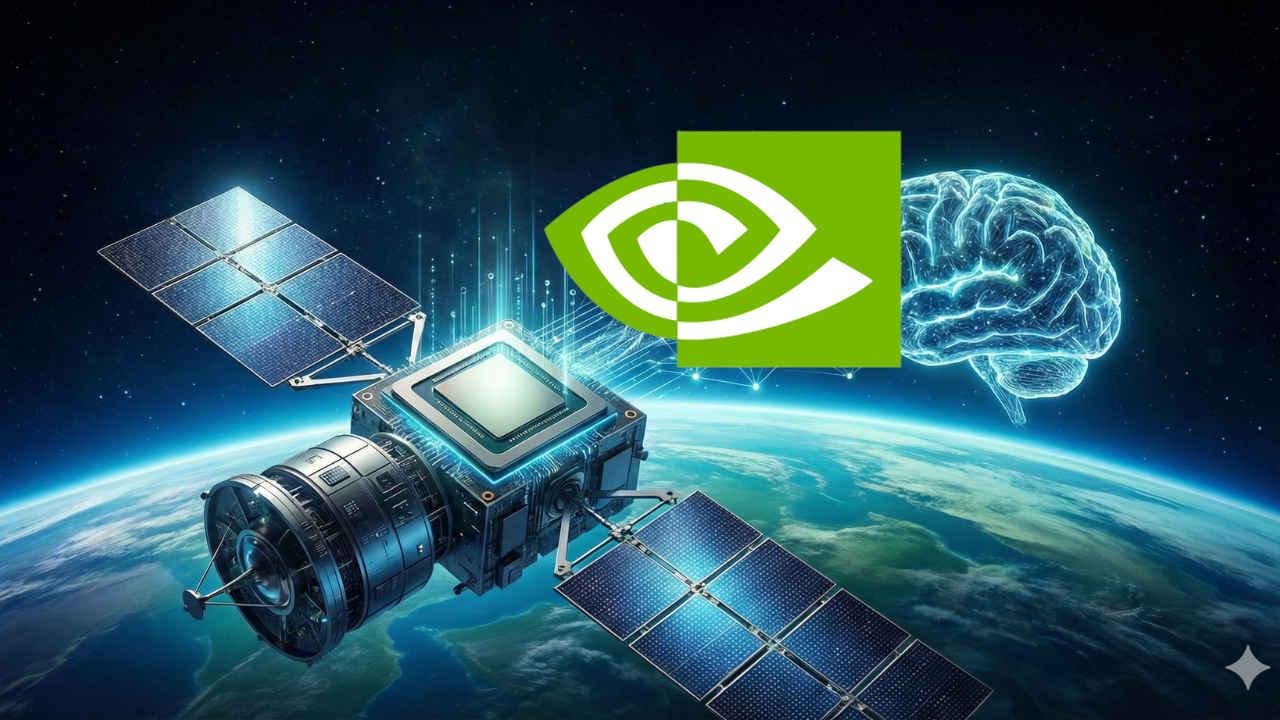
Source: Digit
Massive Power Requirements Drive Space Data Center Push
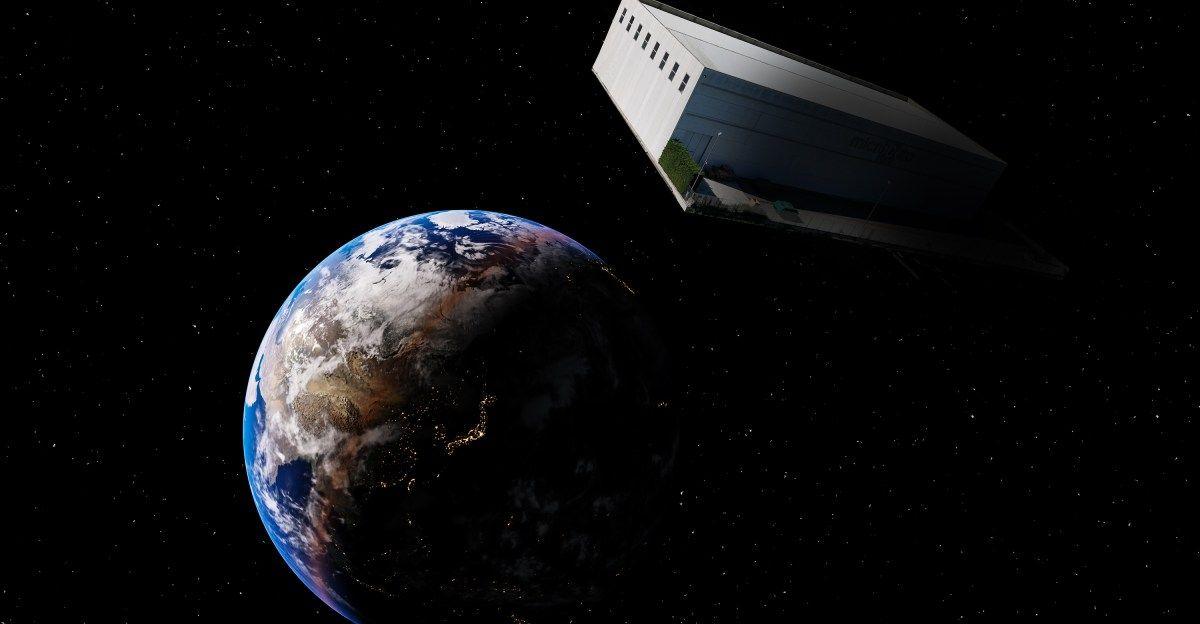
The race toward orbiting data centers stems from mounting concerns about the environmental impact of ground-based AI infrastructure. In 2025 alone, six proposals for giant AI data centers requiring multiple gigawatts of power have been announced
1
. These facilities consume enormous amounts of electricity, take up significant land and water resources, while generating pollution and driving up electricity costs for local communities. According to the International Energy Agency, electricity consumption from traditional data centers is expected to more than double by 20305
. Leveraging solar energy in orbit offers a compelling solution, as space-based systems can capture sunlight continuously without interference from clouds, atmosphere, or nighttime3
.
Source: The Verge
Google Project Suncatcher Targets 2027 Launch
Google recently unveiled Project Suncatcher, an ambitious initiative to deploy AI infrastructure in low Earth orbit approximately 400 miles above Earth. The tech giant plans to launch two prototype satellites in early 2027, with the ultimate goal of operating 81 satellites equipped with TPU chips traveling together in a one-kilometer-square cluster
1
. These satellites would orbit in sun-synchronous paths, ensuring they capture sunlight nearly continuously while transmitting data via inter-satellite lasers. Google CEO Sundar Pichai stated: "We will send tiny, tiny racks of machines and have them in satellites, test them out, and then start scaling from there ... There is no doubt to me that, a decade or so away, we will be viewing it as a more normal way to build data centers"3
. The company's TPU chips, which already power the Gemini 3 AI model, will be tested for their ability to withstand radiation and temperature extremes in orbit.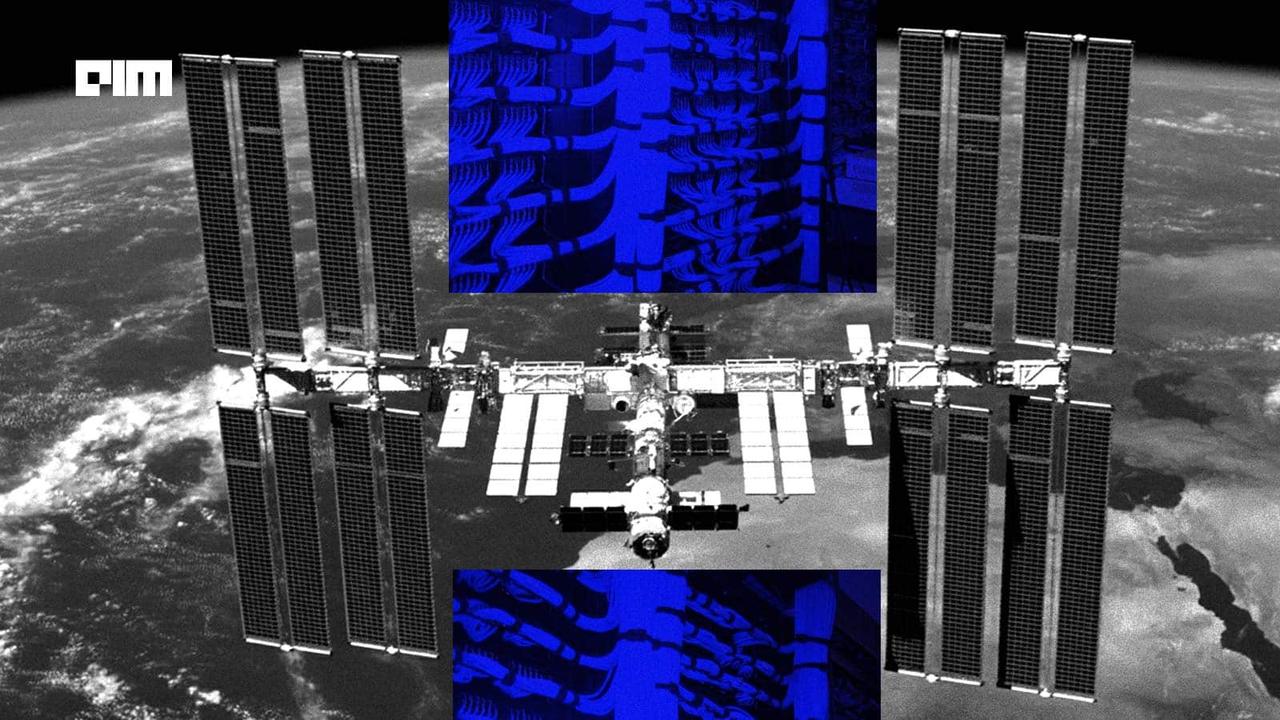
Source: AIM
Technical Hurdles Challenge Orbital Ambitions
Despite the progress, significant engineering obstacles remain. Thermal management poses one of the most difficult challenges, as the vacuum of space provides no air to dissipate heat. All heat must be removed through radiators, which NASA studies show can account for more than 40% of total power system mass at high power levels
3
. Starcloud proposes building a five-gigawatt orbital data center with massive cooling panels spanning more than six square miles4
. Space debris presents another major concern. The approximately 8,300 Starlink satellites made over 140,000 collision-avoidance maneuvers in just the first half of 20251
. For Google's proposed constellation where satellites would travel just 100 to 200 meters apart, astronomer Jonathan McDowell warns the configuration is "unprecedented" and presents "concerning failure modes" if a thruster malfunctions1
.Related Stories

SpaceX and Tech Giants Join the Race
Elon Musk announced in November 2025 that SpaceX would build data centers in space using next-generation Starlink satellites, claiming they would become the lowest-cost AI compute option within five years
5
. He suggested that Starship could deliver around 300 to 500 gigawatts per year of solar-powered AI satellites to orbit, potentially exceeding the entire US economy's intelligence processing capacity every two years5
. Jeff Bezos and former Google CEO Eric Schmidt have also expanded their rocket companies' focus to include space-based computing. China launched a dozen supercomputer satellites capable of processing data in space earlier this year1
. This growing competition suggests orbital computing could shift from experimental concept to commercial reality within the next decade.Economic Viability Depends on Falling Launch Costs
The financial case for data centers in space hinges on dramatic reductions in launch costs. Google's Project Suncatcher paper suggests launch costs could drop below $200 per kilogram by the mid-2030s, roughly seven or eight times cheaper than current rates
3
. At that price point, construction costs would approach parity with equivalent Earth-based facilities. However, experts remain skeptical. Astronomer Jonathan McDowell, who has tracked every object launched into space since the late 1980s, notes that many ventures start from the premise that "space is cool, let's do something in space" rather than genuine necessity1
. Questions about maintenance, hardware servicing, and early satellite replacement due to radiation damage could significantly impact long-term economics. Starcloud CEO Philip Johnston maintains optimism, telling CNBC that "anything you can do in a terrestrial data center, I'm expecting to be able to be done in space"4
. The company plans to launch Starcloud-2 with additional GPUs next year and eventually offer customer access to orbital computing resources.References
Summarized by

Navi
Related Stories
Google Announces Project Suncatcher: Ambitious Plan for AI Data Centers in Space
04 Nov 2025•Technology

Google Plans Space Data Centers to Power AI with Solar Energy, Targets 2027 Launch
02 Dec 2025•Technology
NVIDIA and Elon Musk race to put AI data centers in space as Earth-based limits bite
12 May 2026•Technology

Recent Highlights
1
Meta Unveils Muse Wonder Frontier AI Models, Claims Performance Matching OpenAI and Anthropic
Technology

2
IMF Report Warns AI Market Correction Could Spark Global Financial Crisis With $1.4T at Risk
Business and Economy

3
OpenAI Releases 722 AI-Generated Math Solutions, Triggering Existential Crisis in Mathematics
Technology

Recent Highlights
Today's Top Stories










Don’t drown in AI news. We cut through the noise - filtering, ranking and summarizing the most important AI news, breakthroughs and research daily. Follow topics that matter to you and stay ahead.


