States Lead the Charge in AI Regulation as Federal Government Lags Behind


3 Sources
[1]
States take the lead in AI regulation as federal government steers clear
U.S. state legislatures are where the action is for placing guardrails around artificial intelligence technologies, given the lack of meaningful federal regulation. The resounding defeat in Congress of a proposed moratorium on state-level AI regulation means states are free to continue filling the
[2]
How states are placing guardrails around AI in the absence of strong federal regulation
Michigan State University provides funding as a founding partner of The Conversation US. U.S. state legislatures are where the action is for placing guardrails around artificial intelligence technologies, given the lack of meaningful federal regulation. The resounding defeat in Congress of a
[3]
4 ways states are placing guardrails around AI
U.S. state legislatures are where the action is for placing guardrails around artificial intelligence technologies, given the lack of meaningful federal regulation. The resounding defeat in Congress of a proposed moratorium on state-level AI regulation means states are free to continue filling the
Share
Copy Link
U.S. states are taking the initiative in regulating AI technologies across various sectors, including government use, healthcare, facial recognition, and generative AI, as federal regulation remains limited.
State-Led AI Regulation Gains Momentum
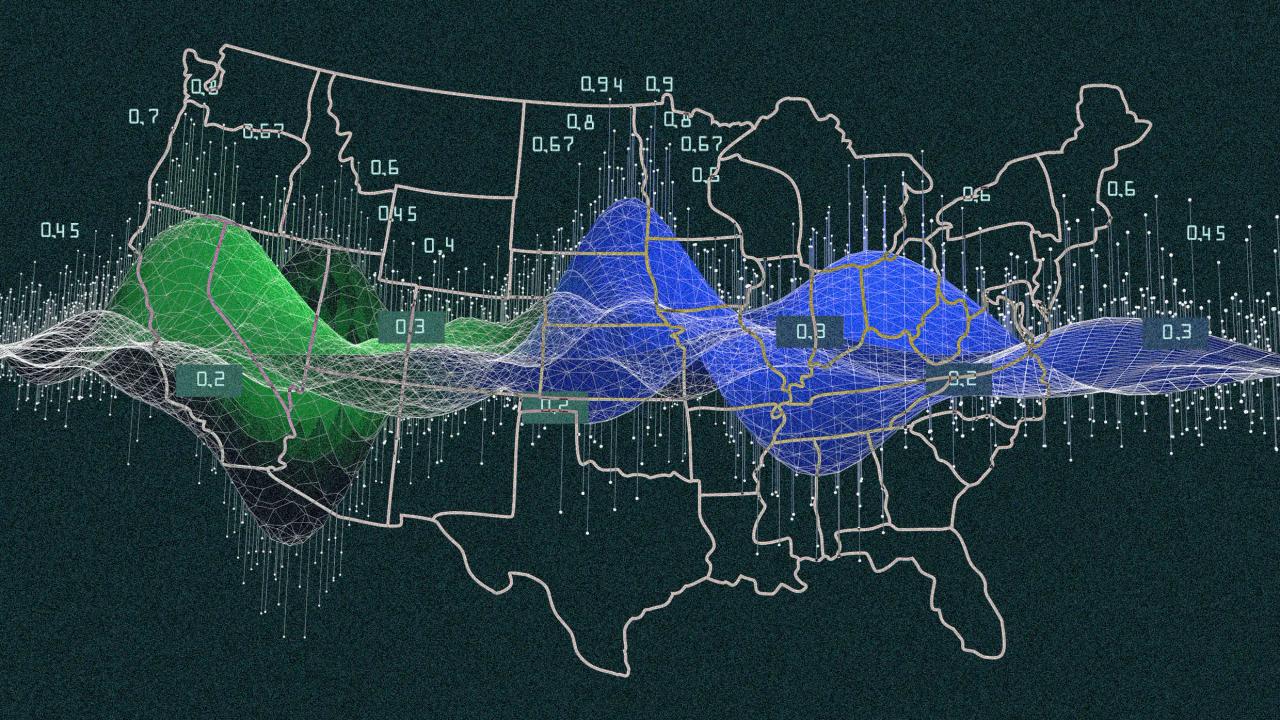
In the absence of comprehensive federal regulation, U.S. states are taking the lead in establishing guardrails around artificial intelligence (AI) technologies. The defeat of a proposed moratorium on state-level AI regulation in Congress has paved the way for states to continue their legislative efforts
1
2
. As of 2025, all 50 states have introduced various AI-related bills, with several already enacting legislation1
2
3
.
Source: Fast Company
Key Areas of State AI Regulation
State legislatures are focusing on four primary aspects of AI regulation:
-
Government Use of AI: States are introducing bills to oversee the public sector's use of AI, particularly in predictive AI applications. These bills emphasize transparency, consumer protections, and risk assessment
1
2
. For instance, the Colorado Artificial Intelligence Act mandates transparency and disclosure requirements for AI systems involved in consequential decisions1
2
. -
AI in Healthcare: In the first half of 2025, 34 states introduced over 250 AI-related health bills
1
2
. These bills address four main categories:- Disclosure requirements
- Consumer protection
- Insurers' use of AI
- Clinicians' use of AI
-
Facial Recognition and Surveillance: By the end of 2024, 15 states had enacted laws to limit potential harms from facial recognition technology
1
2
. These regulations often require vendors to publish bias test reports and data management practices, and mandate human review in the use of these technologies1
2
. -
Generative AI and Foundation Models: States are addressing concerns related to generative AI and foundation models. Utah's Artificial Intelligence Policy Act requires disclosure of AI use in certain interactions
1
2
. California's AB 2013 mandates that developers post information about the data used to train their AI systems, including foundation models1
2
.

Source: The Conversation
Implications and Challenges
While state-led regulation provides needed oversight on privacy, civil rights, and consumer protections, it also creates a patchwork of laws that may complicate compliance efforts for AI developers
1
2
. However, many experts believe that states can play a crucial role in addressing the regulatory gap left by the federal government1
2
.Related Stories
Federal Response
The Trump administration announced its AI Action Plan on July 23, 2025, which includes a controversial stance on state-level AI regulation. The plan states, "The Federal government should not allow AI-related Federal funding to be directed toward states with burdensome AI regulations"
1
. This approach may create tension between federal and state-level AI governance efforts.As AI technologies continue to evolve and permeate various sectors, the interplay between state and federal regulation will likely remain a critical issue in shaping the future of AI governance in the United States.
References
Summarized by

Navi
[2]
[3]
Related Stories
House lawmakers propose AI regulation bill that would override state laws for three years
04 Jun 2026•Policy and Regulation

Proposed Moratorium on State AI Regulations Sparks Debate in US Congress
22 May 2025•Policy and Regulation

GOP Proposes 10-Year Ban on State AI Regulation in Budget Bill
13 May 2025•Policy and Regulation

Recent Highlights



Recent Highlights
Today's Top Stories



Don’t drown in AI news. We cut through the noise - filtering, ranking and summarizing the most important AI news, breakthroughs and research daily. Follow topics that matter to you and stay ahead.


