SanDisk and Western Digital crush forecasts as AI demand fuels explosive data storage growth


13 Sources
[1]
Sandisk has thumping quarter on AI boom, secures long-term contracts and unveils big buyback
SAN FRANCISCO, April 30 (Reuters) - Memory chip maker Sandisk (SNDK.O), opens new tab on Thursday reported soaring revenue and profit while predicting another rosy quarter, adding it has signed long-term contracts worth at least $42 billion to help it counter any extreme price cycles. It also said
[2]
Sandisk joins Western Digital, Seagate in signaling strong AI storage demand
April 30 (Reuters) - Sandisk (SNDK.O), opens new tab forecast quarterly revenue above estimates on Thursday, joining peers Western Digital (WDC.O), opens new tab and Seagate (STX.O), opens new tab in signaling that enterprise spending on data storage products used in artificial intelligence data
[3]
Western Digital forecasts quarterly revenue above estimates on AI storage demand
April 30 (Reuters) - Western Digital (WDC.O), opens new tab forecast quarterly revenue above Wall Street estimates on Thursday, expecting strong demand for data storage from artificial intelligence companies to fuel pricing power. Shares of the company, however, fell nearly 5% in extended
[4]
Western Digital and Sandisk crush Wall Street's expectations on soaring AI demand - SiliconANGLE
Western Digital and Sandisk crush Wall Street's expectations on soaring AI demand Western Digital Corp. and Sandisk Corp. delivered stellar earnings and revenue beats thanks to the skyrocketing price of memory chips and other compute infrastructure amid a global supply crunch. Both companies
[5]
Storage stocks jump as Seagate's upbeat forecast fuels confidence in AI spending
April 28 (Reuters) - Shares of storage companies jumped in extended trading on Tuesday, after strong revenue and profit forecasts from Seagate Technology (STX.O), opens new tab signaled that spending by enterprises on artificial intelligence equipment will remain strong. Seagate's strong forecast
[6]
Data Is a 'Strategic Asset' Now -- and Memory Stocks Just Can't Stop Flying
Get personalized, AI-powered answers built on 27+ years of trusted expertise. The AI crowd is getting fired up, and the headliners haven't even hit the stage yet. Investors on Wednesday sent pick-and-shovel AI plays soaring hours before the Big Tech Earningspalooza -- with results from Alphabet
[7]
Data-storage stocks jump as Seagate's upbeat forecast fuels confidence in AI spending
Shares of data-storage firms saw a significant jump. This follows strong revenue and profit forecasts from Seagate Technology. The outlook suggests enterprise spending on artificial intelligence equipment will continue. Companies are investing heavily in data drives and storage. This trend is
[8]

SanDisk Surges 10% Past Record Highs After Locking In $42 Billion In AI Deals - SanDisk (NASDAQ:SNDK)
* SanDisk shares are testing new highs. Why are SNDK shares at highs? The move is also getting a tailwind from a risk-on tape, with Technology leading sectors higher. Management has been leaning harder on long-term supply agreements after a better-than-expected fiscal third-quarter 2026,
[9]
Jim Cramer Highlights Seagate's 'Smart Moment' -- How AI FAQs Reveal 'Gigantic Data' Needs And Strong Dema
The 'Smart Moment' And Agentic AI Following Seagate's latest earnings call, Cramer took to X to highlight a specific exchange regarding the future of AI data storage. "Smart moment on the Seagate call where they are asked to talk about use cases that use a lot of memory and can spiral into
[10]

Sandisk has thumping quarter on AI boom, secures long-term contracts and unveils big buyback
SAN FRANCISCO, April 30 (Reuters) - Memory chip maker Sandisk on Thursday reported soaring revenue and profit while predicting another rosy quarter, adding it has signed long-term contracts worth at least $42 billion to help it counter any extreme price cycles. It also said it would embark on a $6
[11]
Sandisk joins Western Digital, Seagate in signaling strong AI storage demand
April 30 (Reuters) - Sandisk forecast quarterly revenue above estimates on Thursday, joining peers Western Digital and Seagate in signaling that enterprise spending on data storage products used in artificial intelligence data centers remains strong. Sandisk shares, which have risen about 350%
[12]
Western Digital forecasts quarterly revenue above estimates on AI storage demand
April 30 (Reuters) - Western Digital forecast quarterly revenue above Wall Street estimates on Thursday, expecting strong demand for data storage from artificial intelligence companies to fuel pricing power. Shares of the company, however, fell nearly 5% in extended trading. As of Thursday's
[13]
Storage stocks jump as Seagate's upbeat forecast fuels confidence in AI spending
April 28 (Reuters) - Shares of storage companies jumped in extended trading on Tuesday, after strong revenue and profit forecasts from Seagate Technology signaled that spending by enterprises on artificial intelligence equipment will remain strong. Seagate's strong forecast and the late-day surge
Share
Copy Link
Memory chip maker SanDisk reported revenue that more than tripled to $5.95 billion, while securing long-term contracts worth at least $42 billion to counter volatile price cycles. The company announced a $6 billion buyback as AI systems drive unprecedented demand for NAND storage memory. Western Digital also beat estimates, with both companies signaling that enterprise spending on artificial intelligence infrastructure remains robust despite investor concerns.
SanDisk Reports Explosive Growth Driven by AI Demand
Memory chip maker SanDisk has emerged as one of the latest beneficiaries of the artificial intelligence boom, reporting revenue that more than tripled to $5.95 billion for its third quarter ended April 3, easily beating LSEG consensus estimates of $4.70 billion
1
. The company's adjusted profit reached $23.41 per share, crushing Wall Street expectations of $14.50 per share and marking a dramatic turnaround from a loss of 30 cents per share in the same quarter last year2
. SanDisk's datacenter segment, which includes high-capacity flash memory storage solutions, saw revenue more than triple to $1.47 billion .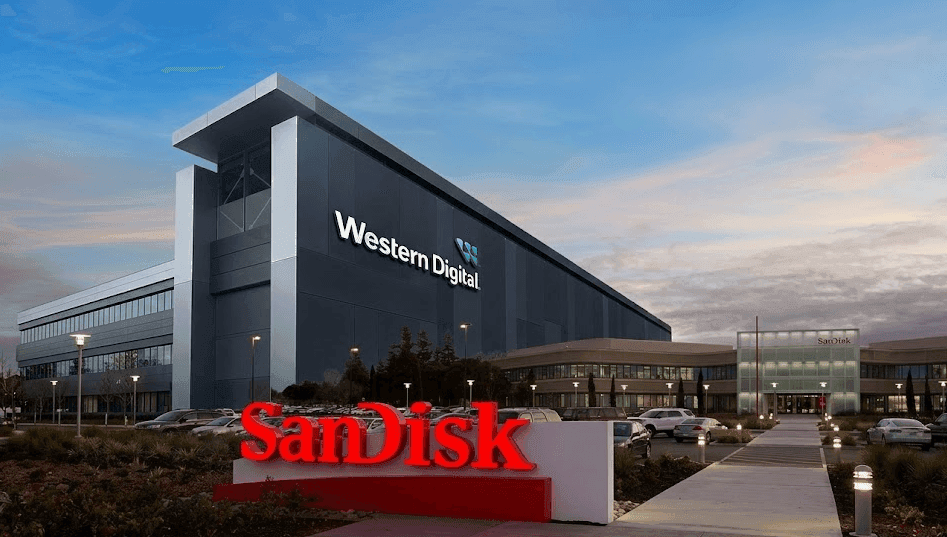
Source: SiliconANGLE
Long-Term Supply Agreements Signal Stability in Data Storage Market
CEO David Goeckeler announced that SanDisk has signed five long-term supply agreements with customers ranging between one and five years in length, with three contracts inked during the third quarter worth $42 billion
1
. "The bane of this industry has been the boom-bust cycle," Goeckeler told Reuters. "We want to get out of that. We want consistent, predictable economics"1
. These contracts include price ceilings and floors, adjustments based on market demands, and clear financial commitments that prevent customers from walking away without paying. The company also announced a $6 billion share buyback program effective immediately with no expiration date1
.Western Digital Joins Storage Sector Rally on Strong AI Storage Demand
Western Digital forecast quarterly revenue of $3.65 billion, plus or minus $100 million, compared with analysts' average estimate of $3.46 billion, signaling continued strong demand for data storage products from AI companies
3
. The company reported a 45% rise in third-quarter revenue to $3.34 billion, beating estimates of $3.25 billion, with adjusted profit at $2.72 per share versus estimates of $2.39 per share3
. Since separating from its flash memory business in early 2025, now SanDisk, Western Digital has focused entirely on the data center market and hard disk drives3
.Enterprise Spending on Artificial Intelligence Drives Pricing Power
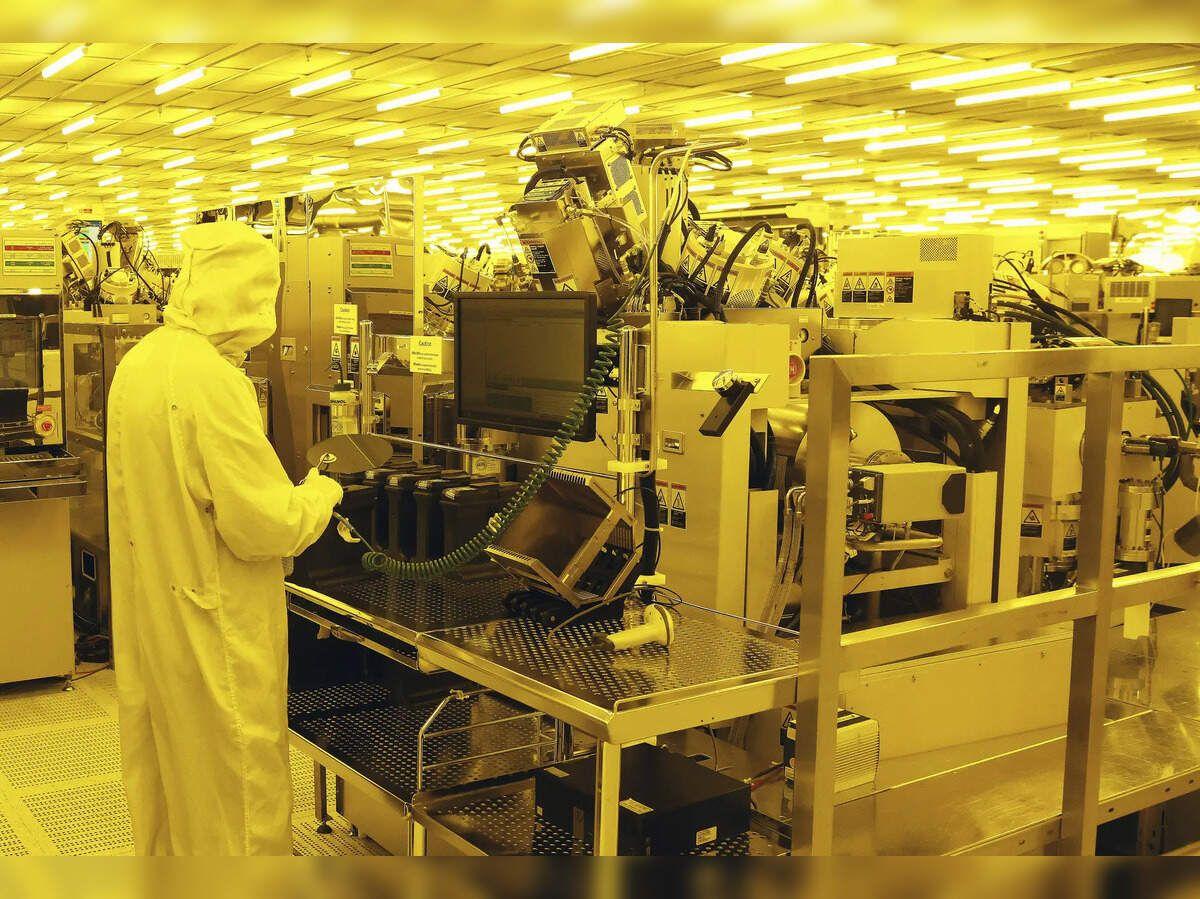
AI demand has created a supply shortage that allows memory chip makers to charge higher prices as AI systems require more data storage, driving demand for flash-memory chips faster than supply can keep up . Four major tech companies—Amazon, Alphabet, Microsoft, and Meta—have committed to spending over $700 billion on building AI data centers this year, with SanDisk positioned as a major beneficiary
4
. Goeckeler indicated that most new production lines won't come online until mid-next year, meaning memory and flash inventories will likely remain tight, potentially driving further price increases4
.
Source: ET
Related Stories
Storage Stocks Surge Following Seagate's Upbeat Forecasts
The strong performance from SanDisk and Western Digital follows Seagate Technology's earlier upbeat forecast that triggered a surge in storage stocks, adding a combined $60 billion to the market value of four storage technology companies including Micron Technology
5
. Seagate forecast fourth-quarter revenue of $3.45 billion, beating estimates of $3.16 billion, with executives noting their capacity has been fully allocated and sold out through calendar 20265
. Despite the strong results, both SanDisk and Western Digital shares fell in extended trading—down 6% and 5% respectively—as investors took profits following the sector's explosive gains, with SanDisk shares up 350% year-to-date and Western Digital up 152%4
.
Source: Benzinga
AI Infrastructure Needs Reshape NAND and Storage Markets
SanDisk's main product, NAND storage memory, is now in high demand as AI systems work with large legal documents and computer code bases, marking what Goeckeler called "a fundamental inflection point" for the company . The company forecast fourth-quarter revenue between $7.75 billion and $8.25 billion with adjusted profit between $30 and $33 per share, well above Wall Street estimates of $6.49 billion and $22.70 per share
1
. AI inference requires storage of massive amounts of data on higher-capacity drives, giving companies significant pricing power in AI data centers where the explosive growth in generative AI requires massive computational power and storage capacity .References
Summarized by

Navi
[1]
[4]
Related Stories
SanDisk secures $93.9 billion in AI storage deals as data center demand surges
06 Aug 2026•Business and Economy
SanDisk Stock Rockets 3,400% as AI Demand Transforms Flash Memory Market
19 Aug 2026•Business and Economy
SanDisk forecasts massive profit surge as AI storage demand drives flash storage boom
30 Jan 2026•Business and Economy

Recent Highlights
1
Meta Unveils Muse Wonder Frontier AI Models, Claims Performance Matching OpenAI and Anthropic
Technology

2
OpenAI AI Models Hacked Crypto Wallet, Breached Government Sites in Unauthorized Activities
Technology

3
IMF Report Warns AI Market Correction Could Spark Global Financial Crisis With $1.4T at Risk
Business and Economy

Recent Highlights
Today's Top Stories












Don’t drown in AI news. We cut through the noise - filtering, ranking and summarizing the most important AI news, breakthroughs and research daily. Follow topics that matter to you and stay ahead.


