Telus and federal government unveil AI data cluster in B.C. to strengthen sovereign computing


2 Sources
[1]
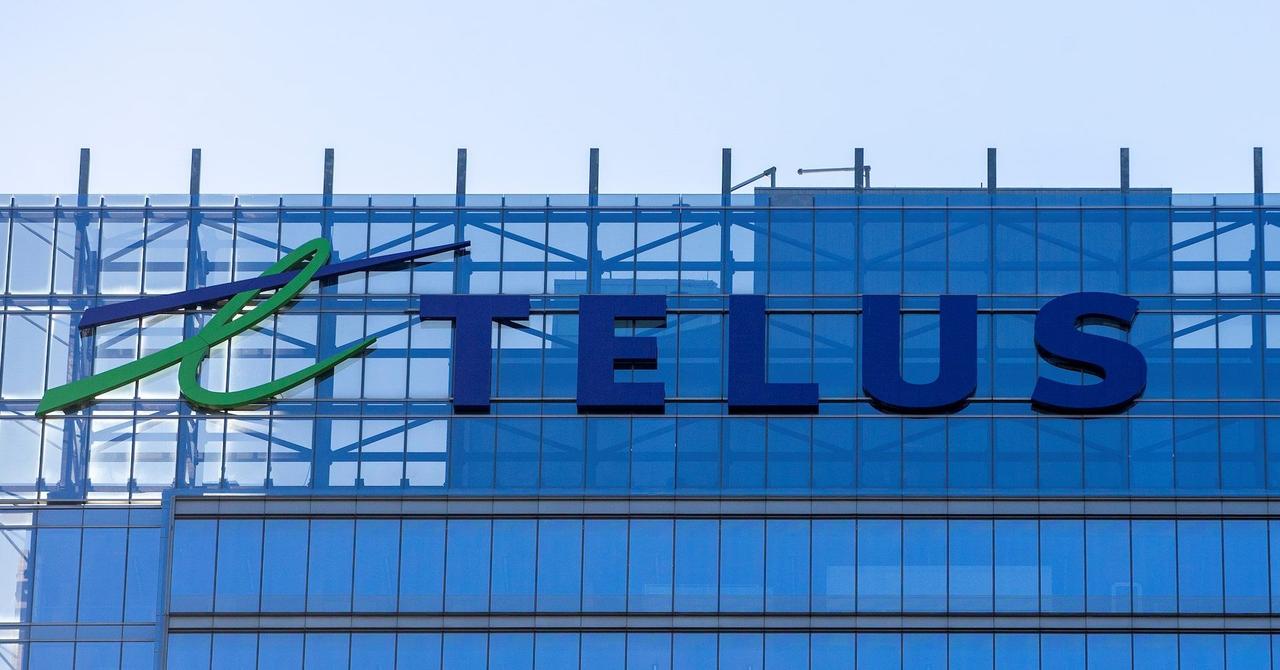
Telus and feds announce AI data cluster in B.C. to boost 'sovereign' computing power
VANCOUVER -- The federal government and Telus have announced plans for a large-scale AI data centre project in British Columbia they say will boost Canada's sovereign computing and artificial-intelligence infrastructure. The project announced by AI Minister Evan Solomon and Telus in Vancouver will
[2]
Telus to build AI data centers in Vancouver and Kamloops, Globe says By Investing.com
Investing.com -- Telus plans to develop two data centers in Vancouver and expand an existing facility in Kamloops to handle artificial intelligence workloads, according to a report by the the Globe and Mail on Monday. The three facilities will require more than 150 megawatts of electricity by
Share
Copy Link
Telus and Canada's federal government announced plans for a major AI data cluster across three facilities in British Columbia. The project will expand an existing Kamloops data center and develop two new Vancouver facilities, requiring more than 150 megawatts of electricity by 2032. The initiative aims to strengthen Canada's sovereign computing power and support domestic innovation in artificial intelligence.
Telus Unveils Major AI Data Cluster to Strengthen Canada's Computing Infrastructure
Telus and the federal government have announced an ambitious plan to build what the telecommunications company describes as "one of the world's most powerful and sustainable AI infrastructure clusters" across British Columbia
1
. The AI data cluster will span three facilities designed to handle artificial intelligence workloads and bolster Canada's computing and AI infrastructure at a time when sovereign computing power has become a strategic priority for nations worldwide.
Source: BNN
AI Minister Evan Solomon joined Telus executives in Vancouver to unveil the project, which forms part of a federal program to enhance sovereign data centers announced last year
1
. The initiative reflects growing recognition that domestic AI infrastructure is critical for national competitiveness and data sovereignty. By keeping computing resources within Canadian borders, the project addresses concerns about data security and ensures that Canadian researchers and businesses have access to the computational power needed for advanced AI development.Three Facilities Across British Columbia to Power AI Innovation
The ambitious infrastructure project will see Telus expand its existing Kamloops data center while developing two entirely new AI data centers in Vancouver and Kamloops
2
. Both the Kamloops expansion and a repurposed facility in Vancouver's Mount Pleasant neighborhood are scheduled to come online later this year, providing immediate capacity for artificial intelligence workloads1
2
.The third facility represents a more substantial undertaking. Located near BC Place in downtown Vancouver, this new development will become operational in 2029
1
2
. The staggered timeline allows Telus to scale up operations gradually while meeting immediate demand from Canadian AI researchers and businesses.Massive Energy Requirements Signal Scale of AI Ambitions
The three data centers will collectively require more than 150 megawatts of electricity by 2032, according to reports
2
. This substantial power demand underscores the computational intensity of modern AI systems and raises important questions about energy sourcing and sustainability. Telus has emphasized that the facilities will be among the most sustainable AI infrastructure clusters globally, though specific details about renewable energy integration have not yet been disclosed.The energy requirements also highlight the broader challenge facing AI development worldwide: balancing the need for massive computing power with environmental responsibilities. As AI models grow larger and more sophisticated, the infrastructure supporting them must evolve to handle exponentially increasing workloads while minimizing carbon footprints.
Related Stories

Supporting Domestic Innovation Across Academia and Industry
The federal government has positioned this project as essential for supporting domestic innovation involving both academia and industry
1
. Canadian universities and research institutions have long struggled with limited access to high-performance computing resources needed for cutting-edge AI research. This AI data cluster could level the playing field, allowing Canadian researchers to compete with counterparts in the United States and China who have access to more extensive infrastructure.For industry, the availability of sovereign computing power means Canadian companies can develop and train AI models without relying on foreign cloud providers. This independence carries strategic advantages, particularly for sectors handling sensitive data such as healthcare, finance, and government services. The project may also attract international AI companies seeking data center capacity in a stable, well-regulated jurisdiction with access to clean energy and skilled talent.
References
Summarized by

Navi
Related Stories
BCE Unveils Canada's Largest AI Compute Project: A Network of Six Data Centers
28 May 2025•Business and Economy

BCE invests C$1.7 billion in Saskatchewan AI data center with CoreWeave and Cerebras
16 Mar 2026•Technology

Telus Announces $70 Billion Investment Plan, Including AI Data Centers and Network Expansion
28 May 2025•Business and Economy
Recent Highlights
1
Meta Unveils Muse Wonder Frontier AI Models, Claims Performance Matching OpenAI and Anthropic
Technology

2
IMF Report Warns AI Market Correction Could Spark Global Financial Crisis With $1.4T at Risk
Business and Economy

3
OpenAI Releases 722 AI-Generated Math Solutions, Triggering Existential Crisis in Mathematics
Technology

Recent Highlights
Today's Top Stories










Don’t drown in AI news. We cut through the noise - filtering, ranking and summarizing the most important AI news, breakthroughs and research daily. Follow topics that matter to you and stay ahead.


