Tesla Targets Q2 2027 for Customer-Owned Robotaxi Fleet, But Major Limitations Apply


3 Sources
[1]
Tesla says customers can add their own vehicles to the robotaxi fleet next year -- will it happen?
For years, Elon Musk has been making big promises to Tesla owners about unsupervised autonomous driving and the ability to add their own vehicles to the company's robotaxi fleet. During today's third-quarter earnings call, the company finally gave itself a deadline. According to Tesla VP for
[2]
Tesla will let you add your Model Y to its Robotaxi fleet with the FSD V15 update
Tesla is targeting the second quarter of 2027 for owner-operated robotaxis, though earnings, insurance, and eligibility remain unclear. Tesla is making steady progress toward letting owners turn their idle Model Y vehicles into a source of passive income. The automaker provided a concrete timeline
[3]
Tesla pushes unsupervised FSD to Q2 2027, and only inside Robotaxi zones
Tesla now says unsupervised "Full Self-Driving" in customer-owned cars will arrive in Q2 2027. It's the latest date on a promise Elon Musk has been making to FSD buyers for the better part of a decade. But there's a catch. On Tesla's Q3 2026 earnings call today, AI chief Ashok Elluswamy described
Share
Copy Link
Tesla announced customers can add their own vehicles to its robotaxi fleet by Q2 2027, but the service will be limited to small geofenced areas where Tesla already operates. With Elon Musk's track record of missed autonomous driving deadlines and significant regulatory hurdles ahead, industry observers remain skeptical about the timeline and scope of this long-promised feature.
Tesla Sets Q2 2027 Target for Customer Robotaxi Integration
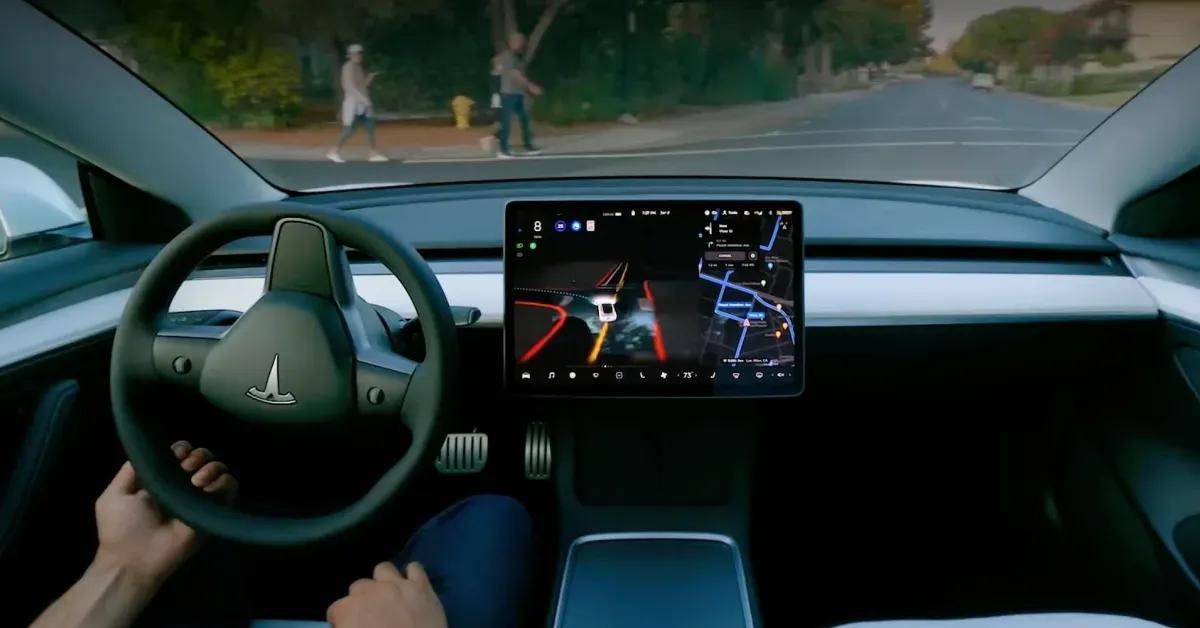
Tesla announced during its third-quarter earnings call that customers can add their own vehicles to the company's robotaxi fleet starting in the second quarter of 2027. Ashok Elluswamy, Tesla's Vice President for Autonomous Driving, confirmed the timeline, marking the first concrete deadline for a promise Elon Musk has made to Tesla owners for years
1
2
. The capability will arrive through the upcoming Full Self-Driving V15 update, which extends unsupervised FSD to privately owned vehicles for the first time2
.
Source: Electrek
However, the announcement comes with substantial limitations. Customer vehicles won't operate as personal autonomous cars that drive owners anywhere they want. Instead, owners will add their cars to Tesla's managed robotaxi fleet, operating only within designated geofenced areas where Tesla's Robotaxi service already exists
3
. This represents a significant shift from the original Tesla Network vision Musk presented in 2019, when he promised owners could earn passive income similar to Uber or Airbnb by letting their cars autonomously pick up fares1
.Limited Scope Raises Questions About Tesla's Robotaxi Ambitions
The current Tesla robotaxi fleet operates in just six US metropolitan areas, with service zones covering only small portions of those cities. Miami's Robotaxi zone primarily serves West Miami with limited expansion toward Doral and Sweetwater. Orlando and Tampa launched in July with similarly constrained geofenced areas
3
. Inside these Robotaxi zones, the service sticks to low-speed routes, largely avoids highways, and stays away from more complex urban environments.Tesla reported reaching nearly 2 million cumulative unsupervised miles by the end of Q3, with 3.3 million miles driven autonomously overall—up from 380,000 unsupervised miles reported in July
1
. Yet third-party tracking shows the number of fully driverless Teslas on the road remains in the dozens, nowhere near the hundreds of thousands Musk predicted3
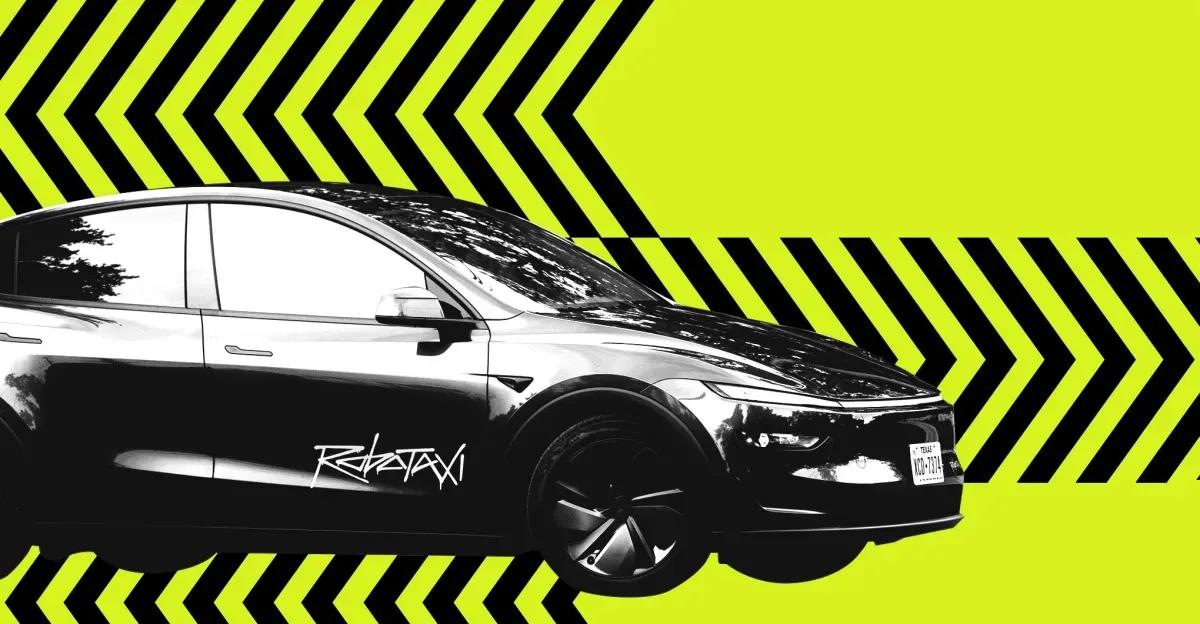
. The fleet currently includes a few hundred Robotaxis in Texas and Florida, some still requiring human safety monitors, plus several dozen fully driverless Cybercab vehicles in Austin1
.
Source: The Verge
Full Self-Driving Adoption Surges Despite Revenue Challenges
Tesla's earnings call revealed strong growth in Full Self-Driving adoption among new buyers. Over 75 percent of new Tesla purchasers in North America chose to add Full Self-Driving (Supervised) this quarter—a jump of almost 20 percentage points compared to last quarter
1
. This surge in FSD adoption represents a bright spot amid otherwise challenging financial results, as Tesla's vehicle sales declined, revenue flatlined, and profits dipped during the quarter.The company plans to begin delivering its purpose-built Cybercab by the end of 2026, according to Lars Moravy, Tesla's VP of manufacturing. However, Tesla intends to start small and learn from initial deployment before expanding availability
2
. Musk has suggested the Cybercab will primarily operate as a Tesla-owned ride-hailing service rather than a vehicle customers purchase for personal use.Related Stories

Regulatory Hurdles and Technical Constraints Complicate Timeline
Significant regulatory hurdles stand between Tesla and its Q2 2027 target. Unsupervised autonomous ride-hailing requires specific local and state regulatory permits that vary by jurisdiction. In California, Tesla's Bay Area operations still require safety drivers because the company refuses to release data to the California DMV—a requirement for operating beyond Level 2 autonomous systems
3
. Insurance coverage for autonomous vehicles remains difficult to obtain, and in most places, individuals or outside companies cannot legally use self-driving cars as driverless taxis.Technical constraints add another layer of complexity. Older Model 3 and Model Y vehicles lacking the latest full-self-driving hardware suites or AI compute infrastructure face capability limitations
1
. HW3 owners who purchased FSD have already been informed their computers cannot run unsupervised FSD, with no clear upgrade path provided3
. Consumer vehicles require additional software layers to guarantee safety without human intervention, unlike dedicated vehicles like the Cybercab built specifically for driverless passenger service.Tesla has yet to detail how much owners could earn from adding their vehicles to the Tesla Network, how insurance would work, or what specific requirements vehicles must meet before joining the network
2
. Elluswamy acknowledged during the earnings call that safety remains the primary bottleneck, which explains why Tesla limits operations to low-speed roads and simpler environments.Pattern of Missed Deadlines Fuels Skepticism
Musk's history of missed autonomous driving deadlines casts doubt on the Q2 2027 target. In 2019, he vowed that by 2020, a "million" Tesla robotaxis would be on the road—a promise that remains unfulfilled
1
. In July 2025, Musk told investors unsupervised FSD would be available "for unsupervised personal use by the end of this year in certain geographies." A year before that, he said he'd be "surprised" if Tesla didn't achieve unsupervised self-driving the following year3
.
Source: Digital Trends
What Tesla is now promising differs substantially from what it originally sold to Full Self-Driving buyers. The pitch for years centered on AI-driven autonomous systems that would eventually drive owners anywhere through a software update. The Q2 2027 target instead offers a narrower product: vehicles joining Tesla's fleet, operating in Tesla's zones, under Tesla's management. No highway road trips. No autonomous commutes unless owners live and work inside designated zones. No sleeping in the back seat while the car handles a cross-town airport run.
Industry watchers note that even if Tesla meets this latest deadline, the gap between promise and delivery remains substantial. Watch for how Tesla addresses hardware upgrade paths for older vehicles, clarifies earning potential for owners, and navigates the complex regulatory landscape across different states and municipalities. The company's ability to expand beyond current limited geofenced areas while maintaining safety standards will determine whether autonomous driving technology can scale from controlled experiments to widespread deployment.
References
Summarized by

Navi
[1]
Related Stories
Tesla's Ambitious Robotaxi Plans: Promises and Challenges for 2025 Launch
24 Oct 2024•Technology

Tesla Targets Year-End Cybercab Sales as NHTSA Investigation Looms Over Autonomous Vehicle Push
22 Oct 2026•Technology

Tesla robotaxi mileage drops 36% as Elon Musk shifts tone on autonomous ride-hailing rollout
21 Jul 2026•Technology

Recent Highlights
1
Jensen Huang's Affair with Suspected Chinese Spy Exposes $7 Billion AI Chip Smuggling Network
Policy and Regulation

2
Anthropic Launches Claude Meetings and AI-Powered Office Tools to Challenge Microsoft and Google
Technology
3
Anthropic launches Fable 5.2 and Mythos 5.2 with 20% price cut and 30% faster output
Technology

Recent Highlights
Today's Top Stories







Don’t drown in AI news. We cut through the noise - filtering, ranking and summarizing the most important AI news, breakthroughs and research daily. Follow topics that matter to you and stay ahead.


