The AI selloff has no single villain, and that may be the problem


2 Sources
[1]
Air Is Easing Out of the AI Bubble
This should be a bullish time for investors in the AI business. Nvidia, which designs most of the chips that have driven the AI boom, just reported that its sales and profits doubled year-over-year, and that it's on pace to grow another 75 percent next year. The industry as a whole, Nvidia said,
[2]
Stocks are tumbling. Has the AI bubble finally burst?
Over the past couple of years, stock-market skeptics kept talking of an artificial intelligence bubble. AI stocks looked overpriced. The stock prices hinged on massive, possibly unrealistic expectations of revenues and profits for the AI giants. And the whole AI enterprise hinged on trillions of
Share
Copy Link
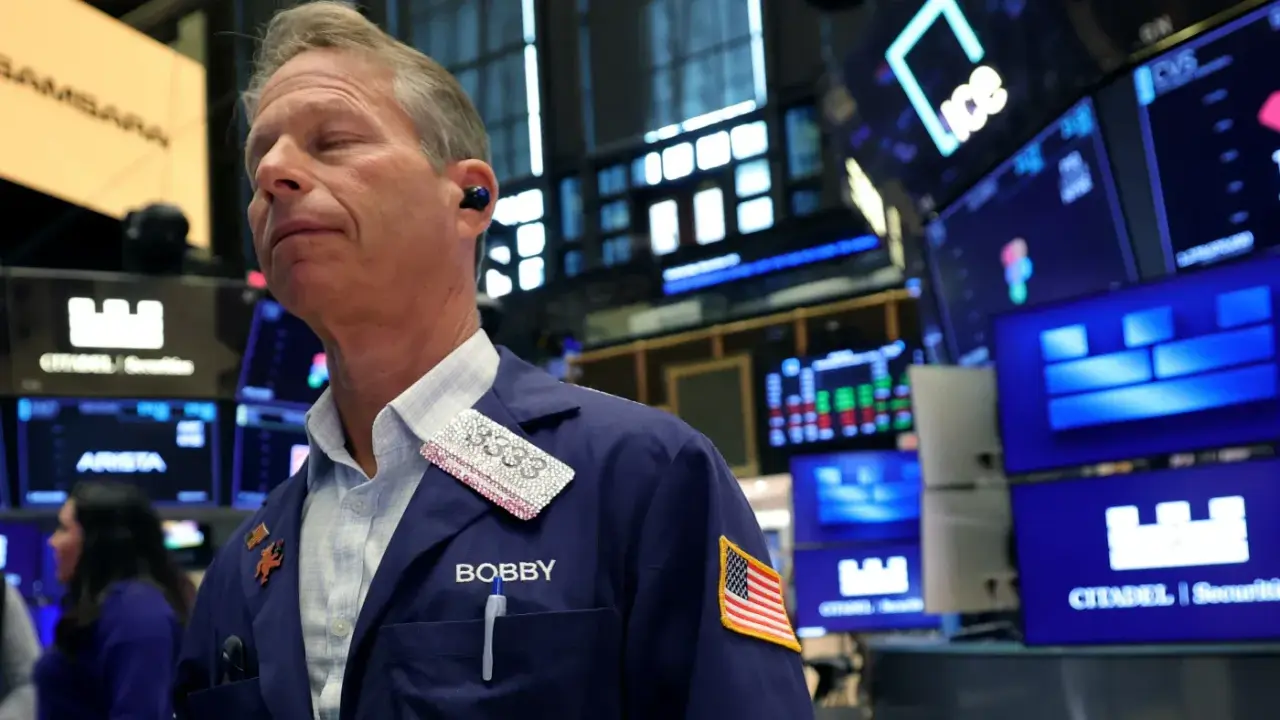
Major US stock indexes, led by tech, fell deep into correction territory in the week ended Nov. 20
2
. The selloff caught a market that had kept buying through two years of bubble warnings, per one account2
.The S&P 500 and the Dow each ended the week down about 12% from their record highs
2
1
. The Nasdaq fell harder, closing roughly 18% below its peak and in negative territory for the year2
1
.Why investors headed for the exits
Analysts point to several forces landing at once rather than a single trigger. "I would say it's all of those events compounding on top of each other," said Dominic Pappalardo, Morningstar Wealth's chief multi-asset strategist
2
. The biggest, in Zandi's view, is stretched valuations. Investors "have been expecting a lot from the AI companies and then some," so even strong results disappoint, said Mark Zandi, Moody's Analytics' chief economist2
.The valuation numbers back him up. The S&P 500's cyclically adjusted price-to-earnings ratio, a valuation measure that averages ten years of earnings, stood at 36.44 on Nov. 20 after topping 40 before the selloff
2
. It has been higher only at the 1999-2000 dot-com peak and in 19292
.Three events supplied the spark. Democrats swept the November midterms and signaled they intend to restrict AI data center construction, a position exit polls suggest resonated with voters
2
1
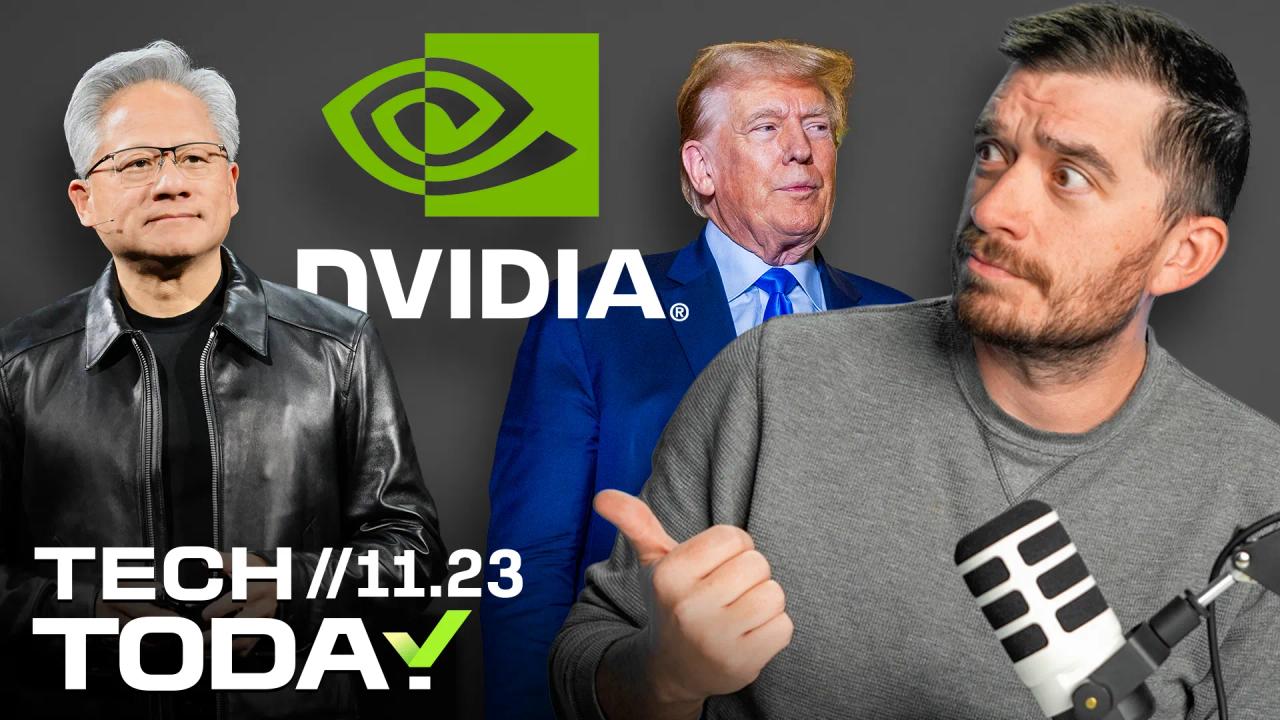
. Nvidia's Jensen Huang was forced out as CEO after multiple affairs came to light, one of them with a possible Chinese intelligence asset2
1
. Questions about Nvidia's growth pace and possible China chip-sale restrictions had already been raised before the scandal broke2
. A rate increase at the Federal Reserve's December meeting is strongly predicted2
. Higher rates reduce what AI companies' far-off earnings are worth today, and they raise the cost of financing a buildout that increasingly relies on borrowing2
.Great results, brutal math
The results themselves cut against the notion that fundamentals have deteriorated
2
1
. Nvidia, which by one account designs most of the chips driving the AI boom, had been the world's most valuable company2
. It now ranks fourth, behind Apple, Microsoft and Alphabet2
. Yet on Nov. 17 it reported third-quarter sales and profits that doubled year over year, and it projects 75% growth next year2
1
. The $2.5 trillion backlog of future orders is the company's own figure2
1
. Anthropic, one of the two dominant developers of large language models, completed its IPO on Thursday, and by one account it raised more money than any company in history1
. The market rallied at the open that day and closed down more than 2%1
.Anthropic's own projections show the gap between what the sector spends and what it earns
1
. It is projected to spend at least $450 billion on capital expenditure against $80 billion of revenue over the next year1
. Goldman Sachs estimates Anthropic won't produce free cash flow until 2030, and its growth already appears to be slowing1
. Recent studies estimate AI revenues would need to top $3.5 trillion a year by 2032 for the companies to earn a 10% return on what they have already spent1
. A study by Torsten Slok of Apollo Global Management found AI spending concentrated in a handful of firms, with no sign of productivity gains anywhere else1
. Much of the demand is also circular1
. Nvidia invested $30 billion in OpenAI, which bought Nvidia chips1
. Anthropic buys chips from Google, which is both one of its biggest investors and a rival1
.Related Stories

A different kind of dip
Earlier 2026 corrections followed identifiable events, the Iran war and Trump's tariffs, and investors moved past them
2
. This one's trigger is murkier, since the midterm outcome and the rate expectations were both known in advance2
. The Atlantic argues that a slow deflation would even be useful, signaling to AI companies that the cash spigot won't stay open forever1
.These drivers don't reverse quickly, Pappalardo argues: the Fed rarely undoes rate hikes fast, and the next House election lies two years off
2
. As Pappalardo put it, "Huang isn't coming back. The election results aren't changing."2

Source: The Atlantic
References
Summarized by

Navi
[1]
Related Stories
AI Stocks Face $2 Trillion Rout as Midterm Elections Trigger Data Center Construction Concerns
02 Nov 2026•Business and Economy
AI Financing Under Pressure: Banks Retreat as CoreWeave Bond Yields Spike Above 16%
06 Nov 2026•Business and Economy

AI Infrastructure Boom Hits $10 Trillion Wall as Debt-Fueled Growth Faces Reality Check
17 Oct 2026•Business and Economy
Recent Highlights



Recent Highlights
Today's Top Stories






Don’t drown in AI news. We cut through the noise - filtering, ranking and summarizing the most important AI news, breakthroughs and research daily. Follow topics that matter to you and stay ahead.


