US Robot Makers Face Tariff Challenges in Race Against China for Humanoid Dominance


6 Sources
[1]
US robot makers hope to beat China in humanoid race. Tariffs could affect their ambitions
BOSTON (AP) -- Tariffs weren't on the agenda of this week's Robotics Summit, where thousands of tech industry workers mingled with humanoid and other robot varieties and talked about how to build and sell a new generation of increasingly autonomous machines. Not on the official agenda, at
[2]
US robot makers fear Trump tariffs may impact humanoid race with China
Elon Musk warned investors last week that China's countermeasures restricting shipments of rare earth magnets will delay Tesla's development of its Optimus humanoid robots. Tariffs weren't on the agenda of this week's Robotics Summit in Boston, United States, where thousands of tech industry
[3]
US robot makers hope to beat China in humanoid race. Tariffs could affect their ambitions
BOSTON (AP) -- Tariffs weren't on the agenda of this week's Robotics Summit, where thousands of tech industry workers mingled with humanoid and other robot varieties and talked about how to build and sell a new generation of increasingly autonomous machines. Not on the official agenda, at
[4]
US Robot Makers Hope to Beat China in Humanoid Race. Tariffs Could Affect Their Ambitions
BOSTON (AP) -- Tariffs weren't on the agenda of this week's Robotics Summit, where thousands of tech industry workers mingled with humanoid and other robot varieties and talked about how to build and sell a new generation of increasingly autonomous machines. Not on the official agenda, at
[5]

US robot makers hope to beat China in humanoid race, tariffs could affect their ambitions
Tariffs weren't on the agenda of this week's Robotics Summit, where thousands of tech industry workers mingled with humanoid and other robot varieties and talked about how to build and sell a new generation of increasingly autonomous machines. Not on the official agenda, at least. "Jump up to the
[6]

US robot makers hope to beat China in humanoid race. Tariffs could affect their ambitions
(AP) -- Tariffs weren't on the agenda of this week's Robotics Summit, where thousands of tech industry workers mingled with humanoid and other robot varieties and talked about how to build and sell a new generation of increasingly autonomous machines. Not on the official agenda, at least. "Jump
Share
Copy Link
US robotics companies grapple with the impact of tariffs on their efforts to compete with China in humanoid robot development, as revealed at a recent Robotics Summit in Boston.

Tariffs Cast Shadow Over US Robotics Industry
At the recent Robotics Summit in Boston, the impact of President Donald Trump's global tariffs on the US robotics industry took center stage, despite not being on the official agenda. The event, which showcased various robot varieties including humanoids, highlighted the growing concern among industry professionals about the uncertainties surrounding international trade disputes
1
2
.Complex Supply Chains and Trade Tensions
The robotics industry's apprehension stems from the complex nature of robot components, many of which are sensitive to global trade disputes. These include sensors, semiconductors, batteries, and rare earth magnets
1
. Tesla CEO Elon Musk has already warned that China's restrictions on rare earth magnet shipments will delay the development of Tesla's Optimus humanoid robots2
3
.Potential Opportunities Amid Challenges
Despite the challenges, some US-based humanoid makers see potential opportunities arising from the geopolitical shifts. As American businesses seek domestic suppliers, there's a growing interest in developing US-based robots for factory and warehouse automation
1
4
.The Race for Humanoid Dominance
The conference highlighted the ongoing competition between the US and China in humanoid robotics. While most industrial robots in the US are currently imported from countries like Japan, Germany, or South Korea, there's a push for domestic development
1
5
.Unitree's G1: A Chinese Presence at the Summit
The sole humanoid robot at the conference was the G1 from Chinese company Unitree. Priced at $16,000, the robot demonstrated basic interactions but is not yet ready for industrial applications. Trump's tariffs could potentially raise its cost to American buyers to around $40,000
1
3
4
.Related Stories

Impact on Broader Robotics Industry
The tariff concerns extend beyond humanoids to other areas of robotics. Haitham Eletrabi, CEO of Tennibot, expressed uncertainty about the complex supply chain for his company's ball-tossing robot
1
5
.International Talent Acquisition Challenges
The political tensions are also affecting talent acquisition in the robotics industry. Some Canadian robotics and engineering professionals are reportedly hesitant to take jobs in the US due to the current political climate
2
5
.Future Outlook
Despite the current challenges, industry professionals remain optimistic about the long-term potential of humanoid robots in manufacturing, factories, and even home use. However, the path forward is clouded by trade uncertainties and geopolitical tensions
1
3
4
.References
Summarized by

Navi
[3]
[4]
Related Stories
US Robot Ban Targets Chinese Humanoid Robots, Escalating US-China Trade Tensions
28 Jul 2026•Policy and Regulation

China Ships 97% of Global Humanoid Robots as US Struggles to Compete in Physical AI Race
11 Aug 2026•Technology
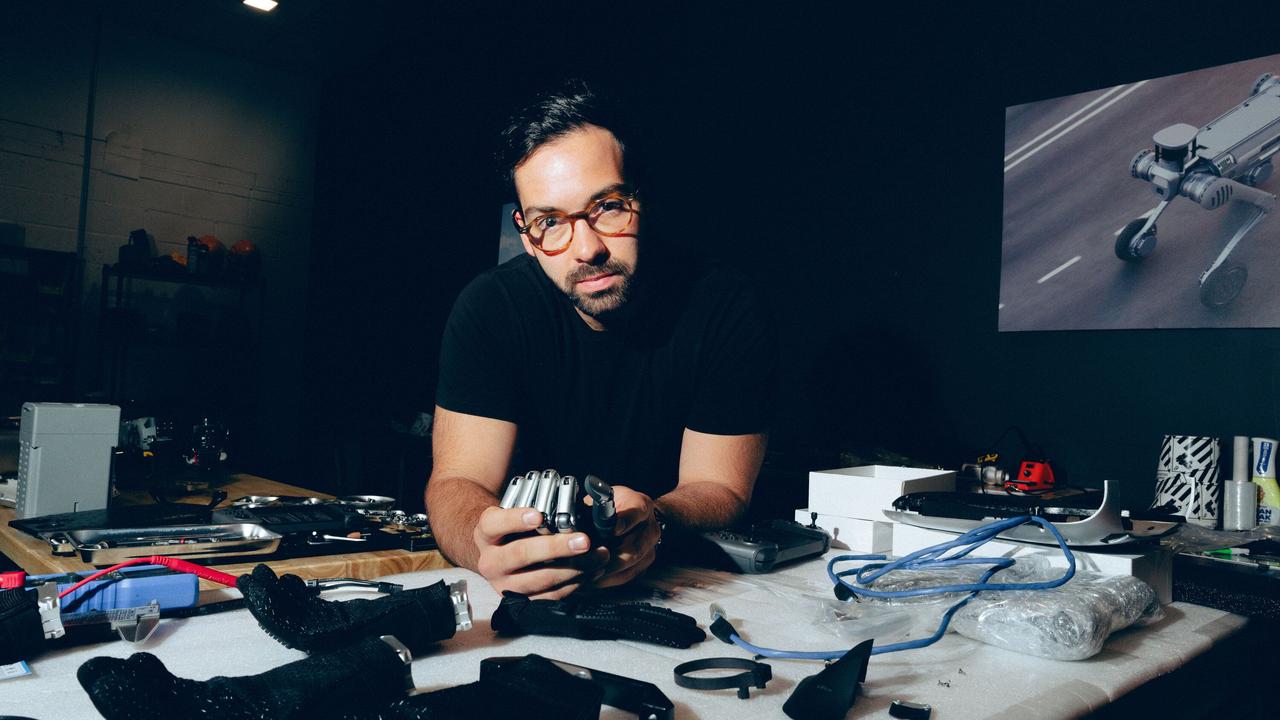
China's humanoid robot industry dominates supply chain as U.S. scrambles for alternatives
01 Mar 2026•Technology

Recent Highlights
1
Microsoft and Nvidia Launch Surface Laptop Ultra: A $2,599 AI-Ready PC With RTX Spark Chip
Technology

2
OpenAI Releases 722 AI-Generated Math Papers on GitHub, Igniting Fury Among Mathematicians
Science and Research

3
Trump Consulted Grok AI Before Ordering Venezuela Invasion and Capture of Nicolás Maduro
Policy and Regulation

Recent Highlights
Today's Top Stories









Don’t drown in AI news. We cut through the noise - filtering, ranking and summarizing the most important AI news, breakthroughs and research daily. Follow topics that matter to you and stay ahead.


