Trump Defends Data Centers in Ohio as AI Industry Becomes Political Flashpoint


3 Sources
[1]
Trump Promotes Data Centers at Rally With Republican Facing Heat on Them
The president defended the complexes, which have become a liability for Senator Jon Husted in a challenging midterm race. President Trump defended the unpopular data centers that power the artificial intelligence industry as he campaigned in Ohio on Saturday with a vulnerable Republican senator
[2]
Trump backs data centers in Ohio amid tight Senate race
President Trump defended data centers at a midterm campaign rally in Vandalia, Ohio Saturday, arguing that the U.S. will risk losing ground in the global artificial intelligence race against China without the massive facilities that have come under heightened scrutiny in recent years. "There's so
[3]
Trump Defends Ohio Data Centers Amid AI Power Cost Backlash - Amazon.com (NASDAQ:AMZN), NVIDIA (NASDAQ:NV
Trump Defends Data Centers at Ohio Rally: 'You Can't Just Turn Them Off. They'll Go to China' President Donald Trump on Saturday defended data centers that power artificial intelligence during a rally in Vandalia, Ohio, according to the Associated Press and a rally transcript. "There's so much
Share
Copy Link
Donald Trump rallied support for AI data centers in Ohio, framing them as essential for beating China in the tech race. But with 63% of Ohio voters opposing their construction due to rising energy costs, the issue has become a major liability for Senator Jon Husted in his battle against Sherrod Brown. The clash highlights how AI infrastructure is reshaping American politics.
Trump Backs Data Centers Amid Growing Backlash
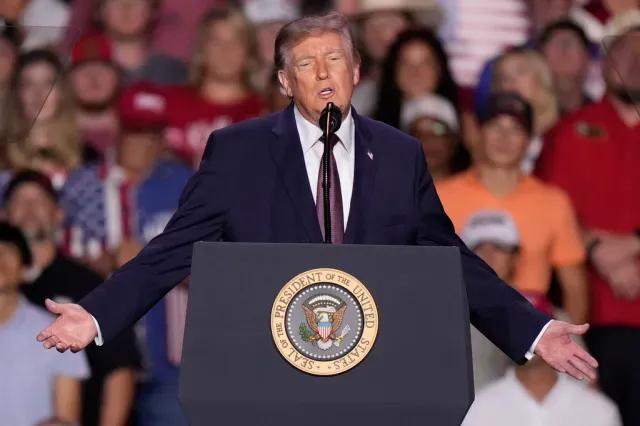
Donald Trump defended data centers powering the AI industry at a Saturday rally in Vandalia, Ohio, directly addressing one of the most contentious issues facing Republicans in the 2026 midterms
1
. "There's so much money to be made for Ohio. You can't just turn them off. They'll go to China," Trump told the crowd, framing the debate around national competitiveness2
. The president's remarks came as he campaigned alongside Senator Jon Husted, a Republican facing intense scrutiny over his support for bringing these massive facilities to the state while serving as lieutenant governor from 2019 to 20251
.
Source: The Hill
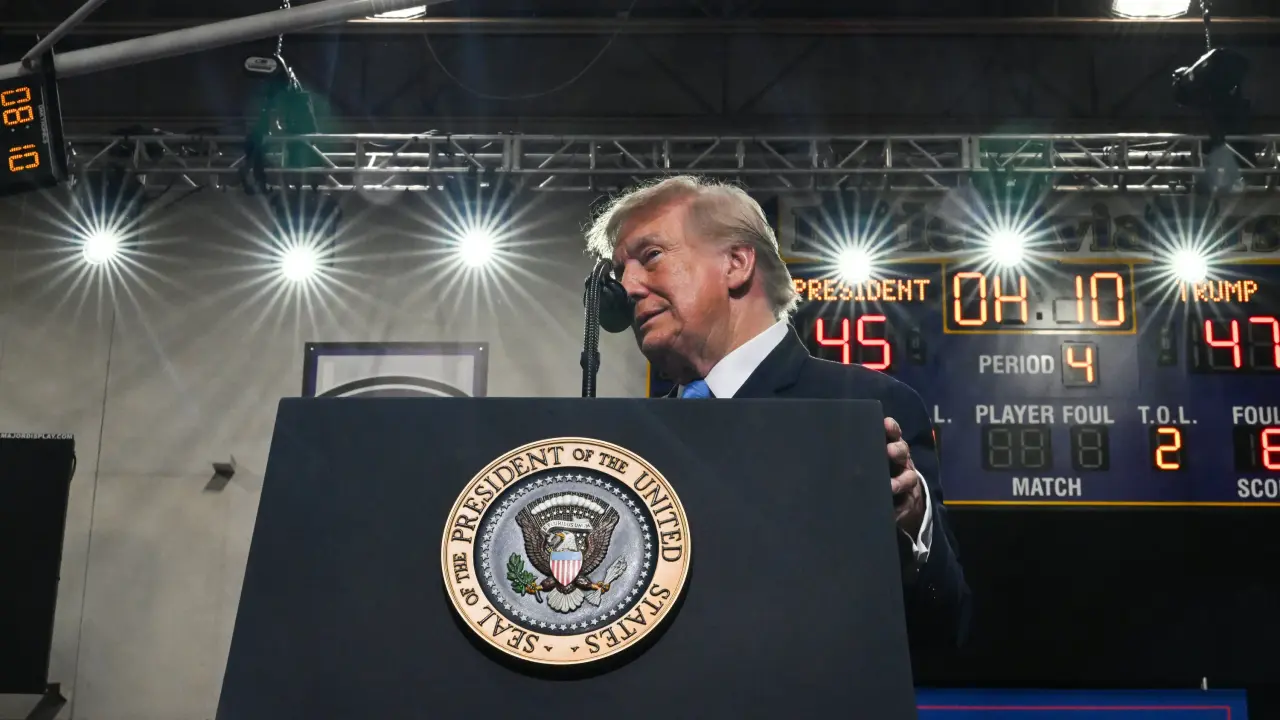
The political stakes are substantial. A New York Times/Siena poll released Saturday found that 63 percent of Ohio voters oppose data center construction, with only 31 percent supporting it
1
. By an 11-point margin, voters trusted Sherrod Brown, Husted's Democratic challenger and former senator, more than Husted on this issue1
. An August memo from the National Republican Senatorial Committee likened data centers to an "anchor hanging around Husted's neck"1
.Ohio Politics and the AI Infrastructure Dilemma
Ohio has emerged as ground zero for the data center boom, with Amazon pledging to invest $10 billion in the state's data centers by 2030
3
. Nvidia has committed $1.5 billion to SB Energy for a massive Ohio data-center campus for OpenAI3
. American Electric Power projects that regional power demand will match all of Manhattan's by 20303
. These investments from Big Tech have transformed the Ohio Senate race into a referendum on AI infrastructure development.Sherrod Brown has seized on Husted's record, accusing him of giving "billions in tax breaks to Big Tech" while "making Ohioans foot the bill"
3
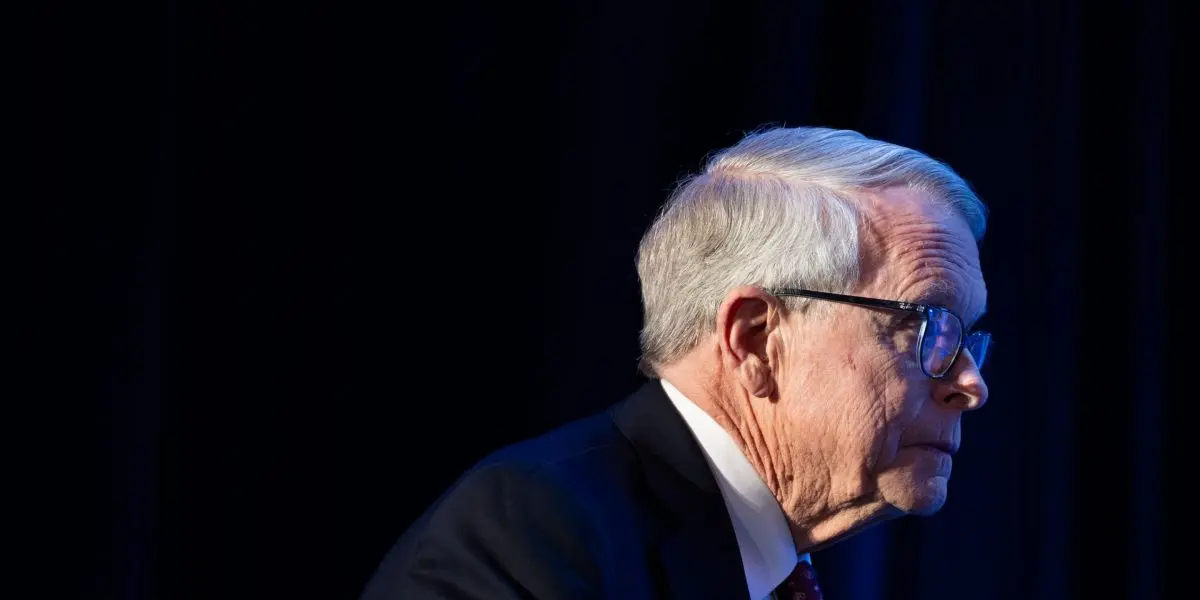
. Lauren Chou, a spokeswoman for Brown, described Husted as the "face of data centers" in Ohio, claiming he "led the charge to bring data centers to Ohio, forcing Ohioans to pay thousands more in higher electric bills"1
. The data center backlash reflects broader concerns about AI power consumption and its impact on local communities.Energy Costs Drive Voter Opposition
Residents and lawmakers nationwide are raising concerns about the enormous electricity demands and water usage of data centers, which could drive up utility bills for consumers
2
. These facilities provide the computing power needed to develop and run AI systems—what Trump now calls "superintelligence"2
. The electricity costs associated with these operations have become a central campaign issue, with voters expressing frustration over rising energy prices linked to data center expansion.Husted introduced the Ratepayer Protection Act to address these concerns, requiring large power users to shoulder more of their costs
2
. The bill would require states to consider standards ensuring that large electricity users, including data centers, pay for the power generation, transmission and other infrastructure needed to serve them3
. Senate Republicans attempted to advance the legislation this past week, but it was blocked by nearly all Democrats in a procedural vote1
.
Source: NYT
Senator Chuck Schumer, the Democratic minority leader, called the bill "toothless," arguing it would do "nothing to require data center companies to pay for their rising costs to the surrounding communities"
1
. He called for stronger legislation targeting data centers and addressing AI safety concerns1
. Trump told the rally crowd he would sign the bill "within 24 hours" if Republicans win3
.Related Stories
National Implications for AI Development
The Ohio race carries implications far beyond state borders. Democrats likely have no path to a Senate majority without flipping Ohio
3
. The National Republican Senatorial Committee reportedly alerted top AI firms in August that if Husted loses as Democrats make data centers a central campaign issue, politicians nationwide could shy away from backing future projects3
. This warning underscores how Ohio politics could reshape the trajectory of AI infrastructure investment across America.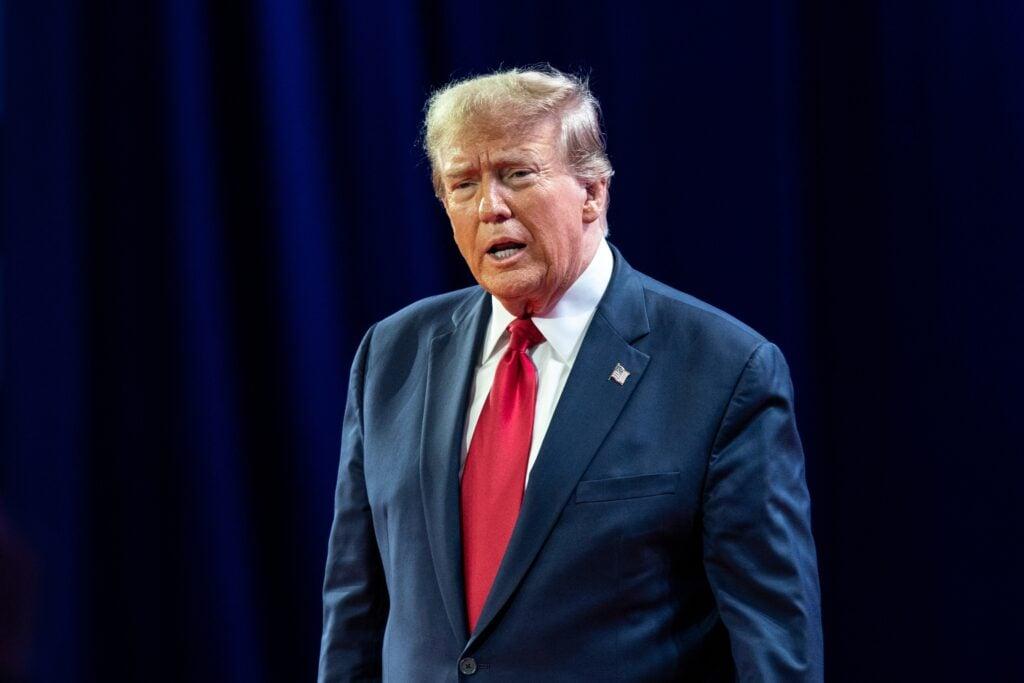
Source: Benzinga
Trump has repeatedly dismissed concerns about the rapidly growing technology, arguing the United States cannot allow China to catch up in a fast-paced tech race
1
. Barely a month ago, he lashed out at Americans critical of the data center boom, writing on social media that "the only reason that communities throughout the U.S.A. should not want Data Centers is if they want to end up being backwards and poor"1
. His administration has promised to ensure data centers "benefit local communities," though specifics remain unclear2
.The crowd's reaction at Saturday's rally was telling—enthusiastic on other topics but noticeably muted during Trump's data center remarks
3
. This tepid response suggests even Trump's base harbors reservations about the facilities' local impact. As the midterm campaign rally demonstrated, the tension between advancing AI capabilities and protecting communities from rising costs will likely intensify, forcing candidates nationwide to navigate this increasingly polarizing issue. The outcome in Ohio may determine whether other states embrace or resist the data center buildout essential to America's AI ambitions.References
Summarized by

Navi
Related Stories
AI Data Centers Face Growing Opposition as Trump and Silicon Valley Push Multi-Million Dollar Campaign
30 Aug 2026•Policy and Regulation
AI Data Centers Spark Bipartisan Political Backlash as Midterm Elections Loom
20 Aug 2026•Policy and Regulation
Trump Orders AI Data Centers to Pay Community Dividends Amid Growing Local Backlash
21 Oct 2026•Policy and Regulation
Recent Highlights



Recent Highlights
Today's Top Stories



Don’t drown in AI news. We cut through the noise - filtering, ranking and summarizing the most important AI news, breakthroughs and research daily. Follow topics that matter to you and stay ahead.


