Google AI Targets Aviation Climate Impact With First-Ever Contrail Avoidance Trial Over North Atlantic


10 Sources
[1]
Planes flying over the Atlantic will be re-routed to avoid contrails | New Scientist
Planes flying across the North Atlantic Ocean this winter will be re-routed to avoid causing condensation trails, in a first-of-a-kind trial to address the global warming impact of contrails across an entire airspace. Starting later this year, air traffic controllers managing the Shanwick airspace
[2]
UK puts Google AI on the flight path to fewer contrails
Trial will test whether small route and altitude tweaks can reduce aviation's warming impact Britain is putting Google AI in the flight-planning loop to see whether airliners can dodge the patches of sky where their vapor trails are most likely to stick around and warm the planet. The UK
[3]
AI to help planes avoid climate-warming contrails above North Atlantic
We've all looked up and seen the white lines trailing behind aircraft in the sky. Known as contrails, these icy clouds contribute to climate change, and scientists have been trying to work out how to stop them. Now, a £5m UK trial will test whether AI can help, by predicting where warming
[4]
Operation Blue Skies: Google's AI takes on contrails
The UK government and Google are launching Operation Blue Skies, the first trial to route aircraft around climate-warming contrails across a whole ocean airspace. AI forecasts will tell North Atlantic controllers where the trails form. Contrails cause about a third of aviation's climate impact. It
[5]

Google and the UK government are looking to remove aircraft contrails using AI
* A £5 million trial is examining whether AI can assist in the reduction or removal of contrails from aircraft * Contrails appear when the exhaust from aircraft engines hits the cold, high-altitude air, which creates ice crystals * Also known as vapour trails, contrails are believed to contribute
[6]

Google and U.K. launch AI trial to reduce aircraft contrails
At cruising altitude, the hot gases expelled by jet engines can trigger ice crystal formation when they encounter cold, humid atmospheric conditions; those crystals sometimes linger and expand into cloud layers that retain heat. Google estimates contrail warming is responsible for around one third
[7]

Operation Blue Skies: Reducing aviation climate impact with AI
When you look up at a clear sky and see thin white lines trailing behind airplanes, you're looking at condensation trails, or "contrails." These are clouds created when water vapor condenses around soot particles in jet exhaust. While they may seem harmless, these warming contrails account for
[8]

Google partners with the aviation industry to try and prevent climate-warming contrails with AI
Google partners with the aviation industry to try and prevent climate-warming contrails with AI Google LLC today revealed it's partnering with the U.K. government and the country's aviation industry on a new initiative called Operation Blue Skies that aims to use artificial intelligence insights
[9]

Google Aims to Fight Airplane Contrails With Big New AI Trial
Google recently announced that it's partnered with the UK Government along with several big names within the aviation industry to launch "Operation Blue Skies," the world's first state-backed trial aimed at reducing climate-warming contrails across an entire oceanic airspace. For those unfamiliar
[10]

AI to be trialled to help stop planes from leaving contrails
Contrails are contributing to climate change, while also being the subject of some conspiracy theories. When you see a plane flying through a clear sky, chances are you've seen a pair of white lines trailing behind its flight path. Those lines are called contrails, and are icy clouds that
Share
Copy Link
The UK government and Google are launching Operation Blue Skies, a £5 million trial to reduce climate-warming contrails over the North Atlantic. Using AI-generated forecasts, air traffic controllers will instruct planes to adjust altitude by up to 2,000 feet to avoid atmospheric conditions where contrails form. The trial targets Shanwick airspace, responsible for 5% of global contrail warming.
Google AI Takes Flight in World's First Airspace-Wide Contrail Avoidance Trial
The UK government and Google are launching Operation Blue Skies, a groundbreaking £5 million trial designed to reduce climate-warming contrails across an entire ocean airspace
1
3
. Starting in the winter of 2026-2027, air traffic controllers managing the Shanwick airspace on the eastern side of the North Atlantic will use Google AI to predict where persistent contrails will form and instruct pilots to adjust their flight paths accordingly1
. This marks the first time contrail forecasts will be deployed across an entire airspace, with airlines unable to opt out of the instructions1
.The 30-month project brings together Google UK, the Department for Transport, NATS, the Met Office, and researchers from the University of Cambridge and Imperial College London
3
5
. The UK government is contributing £2.65 million through the Aerospace Technology Institute Programme, while Google is providing £1.4 million in kind through AI research, engineering time, and computing infrastructure4
3
.Why Contrail Avoidance Matters for Aviation Climate Impact
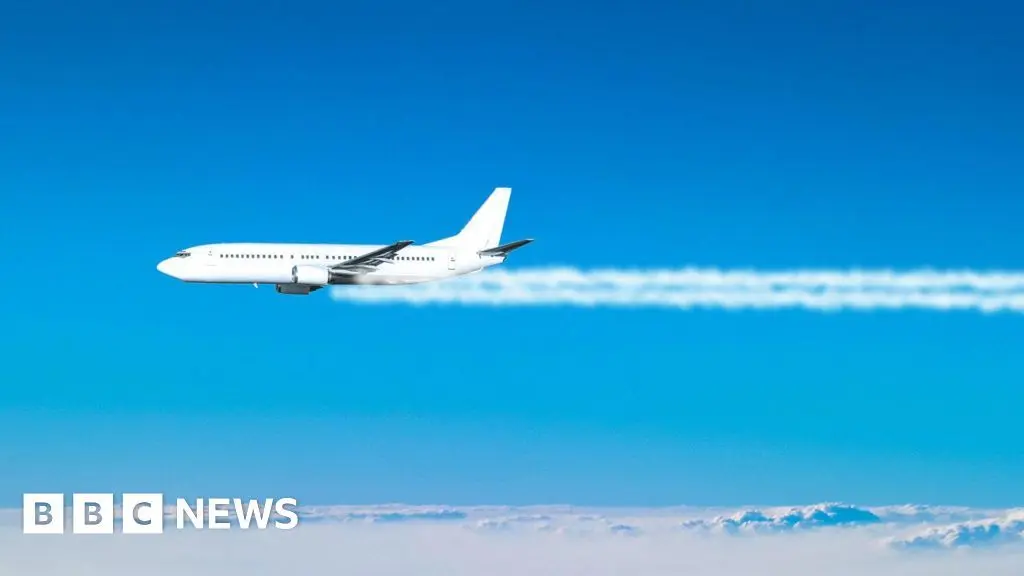
Contrails form when water vapor from jet exhaust freezes into ice crystals around soot particles in cold, humid air
3
. While many disappear quickly, persistent contrails can last for hours, spreading into cirrus clouds that trap heat below them1
. Scientists estimate that contrails account for roughly one-third of all aviation climate impact, making them a significant contributor to global warming alongside CO2 emissions3
5
.
Source: SiliconANGLE
Dr. Paul Hodgson, Google's technical lead for Operation Blue Skies, told the BBC that while there is uncertainty around the precise figure, scientists are confident contrail warming is "either quite a large problem or a very large problem"
3
. The Shanwick airspace, targeted by this trial, is responsible for approximately 5% of global contrail warming, with most of this effect occurring during winter seasons between November and February1
4
.How AI-Generated Forecasts Will Guide Flight Path Re-Routing
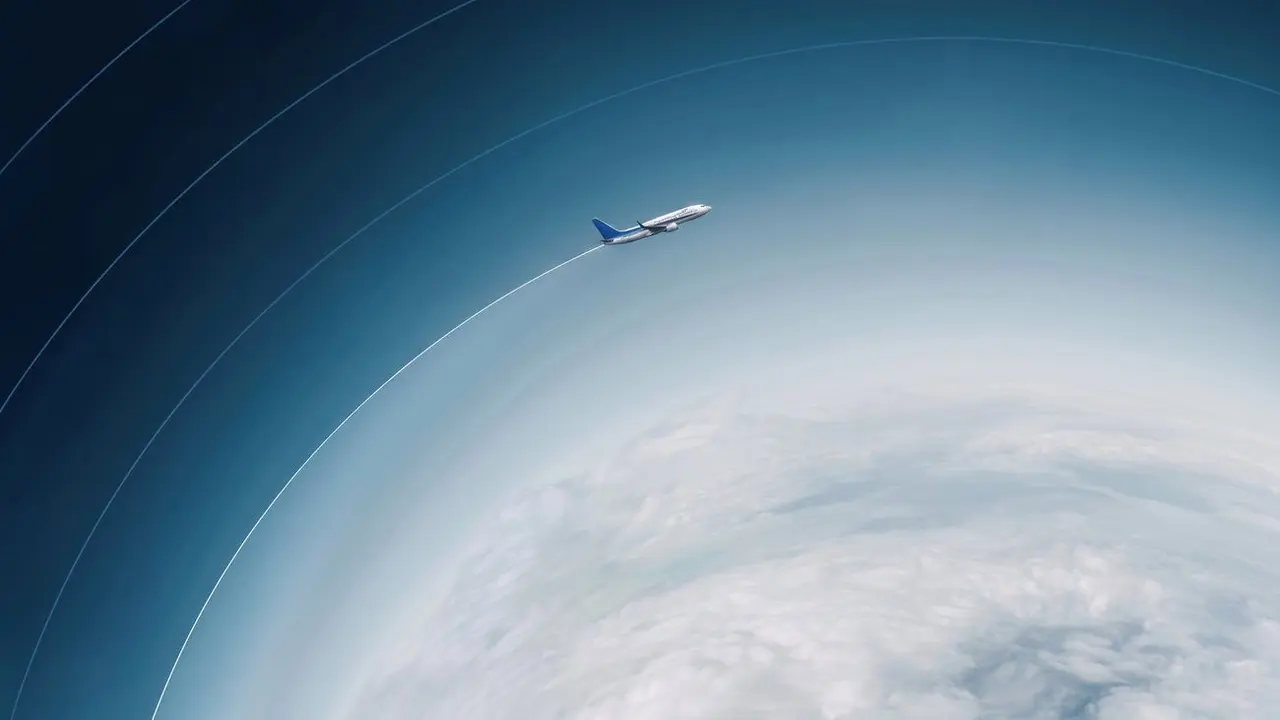
Google will combine satellite imagery, historical flight data, and Met Office weather forecasts to build AI models that predict where contrail-forming conditions are likely to occur
3
4
. These AI-generated forecasts will be passed to NATS, where air traffic controllers can direct pilots to make altitude adjustments of up to 2,000 feet to avoid atmospheric layers where persistent contrails would form1
3
.
Source: Google
The trial will focus on evening and night flights, which produce the strongest warming effect because daytime contrails also reflect some sunlight back to space
1
4
. Ian Jopson, director of sustainability at NATS, emphasized that the altitude adjustments should be "pretty much business as usual using existing procedures" since controllers already routinely move aircraft to avoid turbulence and bad weather3
.Two four-month operational trials are scheduled during the winters of 2026-2027 and 2027-2028, with approximately 20 to 40 test days during each winter season
1
4
. Around 10,000 flights are expected to pass through Shanwick airspace during trial hours each year, with hundreds needing to be re-routed to produce statistically significant data for analysis1
5
.Related Stories
Balancing Fuel Burn Against Climate Benefits
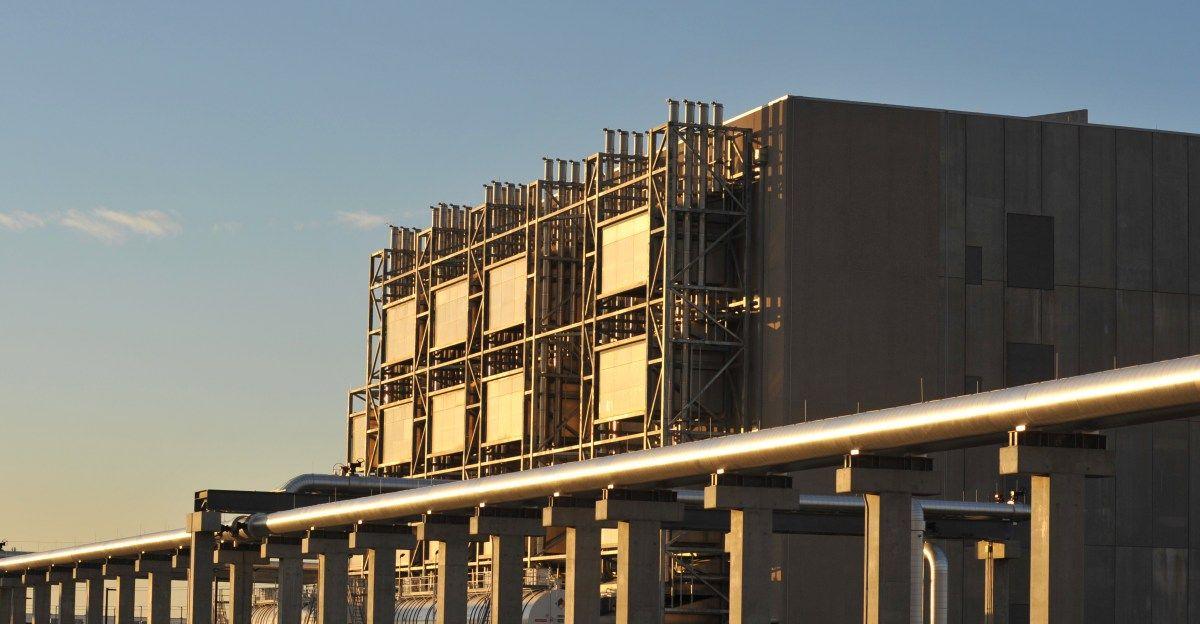
A critical question surrounding contrail avoidance is whether the climate benefit outweighs the additional fuel burn from altitude adjustments. Modeling for Operation Blue Skies suggests a full deviation through Shanwick would require around 100 kilograms of additional fuel per affected aircraft, resulting in a few hundred kilograms of extra CO2 emissions
1
4
.Hodgson explained that this CO2 penalty is "in the order of less than 1%, compared to the contrail cost, which is of a similar order of magnitude to all of the CO2 of aviation"
3
5
. He told New Scientist that the contrail impact on re-routed flights is "measured in the tonnes or even the tens of tonnes," making the climate benefit significantly greater than the fuel burn penalty1
.Previous airline-level trials using Google's AI contrail forecasts have achieved reductions of around 60 to 70 percent in contrail formation or warming
3
. Marc Shapiro at Contrails.org, a research organization participating in the project, stated during a press briefing that "we can predict the regions that are going to form persistent climate-warming contrails, and we can re-route planes around them"1
.What This Means for the Future of Greener Aviation Technologies
Operation Blue Skies represents a practical approach to reducing aviation's climate footprint without waiting for fleet replacement or revolutionary engine designs
2
. Aviation Minister Keir Mather said the project would test "small tweaks to flight paths over the Atlantic" to make flying cleaner, adding that "this is a world-first, and it's British ingenuity leading the way"3
.
Source: BBC
The trial joins a larger portfolio of UK government investment in sustainable aviation. The government announced £219 million for sustainable aviation fuel production in June and is spending another £43 million on technologies including electric and hydrogen-powered aircraft
2
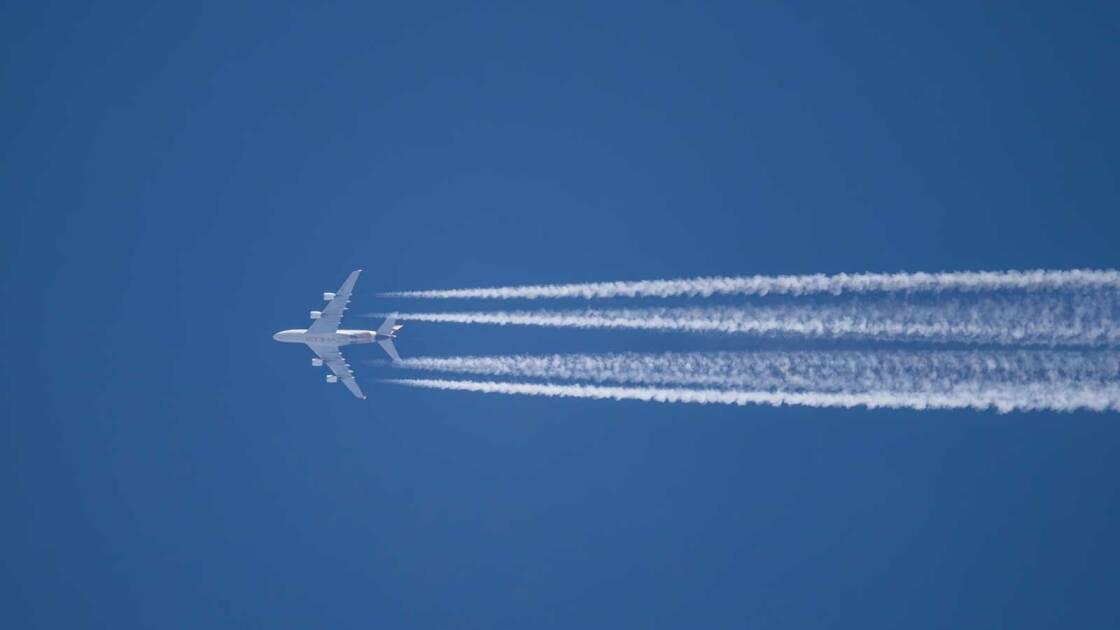
. However, the project arrives as Google and other tech companies face scrutiny over their own climate footprint from power-hungry data centers needed to run AI systems3
4
.Watch for the publication of results in academic literature following the completion of both winter trials. If successful, the findings could establish a validated blueprint for how airspaces worldwide can be managed to drastically reduce aviation climate impact through AI to help planes avoid contrails
5
. The UK government trial demonstrates that sometimes a greener flight path may be just a few thousand feet away2
.References
Summarized by

Navi
[1]
[2]
[4]
Related Stories
Google's AI cuts flight contrails by 62% in trial with American Airlines, tackling hidden warming
20 Mar 2026•Technology

Google AI Cuts Contrail Warming 40% in Cathay Pacific Trial Across Asia-Pacific Routes
07 Sept 2026•Technology
Big Tech's AI Climate Claims Called Greenwashing as Evidence Falls Short
17 Feb 2026•Policy and Regulation

Recent Highlights



Recent Highlights
Today's Top Stories




Don’t drown in AI news. We cut through the noise - filtering, ranking and summarizing the most important AI news, breakthroughs and research daily. Follow topics that matter to you and stay ahead.


