University of Tennessee sues Anthropic over neural network patents in first such case


3 Sources
[1]
University of Tennessee sues Anthropic over neural network patents
The Delaware complaint moves the fight over how Anthropic built its models from copyrighted books to the architecture itself. The University of Tennessee Research Foundation sued Anthropic on Monday in the US District Court for the District of Delaware, accusing the artificial intelligence company
[2]
Anthropic sued for infringing neural network technology patents
The lawsuit is thought to be the first patent infringement case against Anthropic. A California federal judge on Monday approved the company's landmark $1.5 billion settlement of a class action copyright lawsuit brought by a group of authors over its use of their work to train AI. A nonprofit
[3]
Anthropic now faces University of Tennessee patent lawsuit
Anthropic is now facing a lawsuit in Delaware from the University of Tennessee Research Foundation, or UTRF, which says the company used university-owned neural network inventions without getting a license. In what looks to be the first known patent case against Anthropic, the complaint points to
Share
Copy Link
The University of Tennessee Research Foundation filed a patent infringement lawsuit against Anthropic in Delaware federal court, marking the first known patent case against the AI company. The suit claims Anthropic built its AI models using patented neural network methods without obtaining a license, shifting the legal battle from training data to the underlying architecture itself.
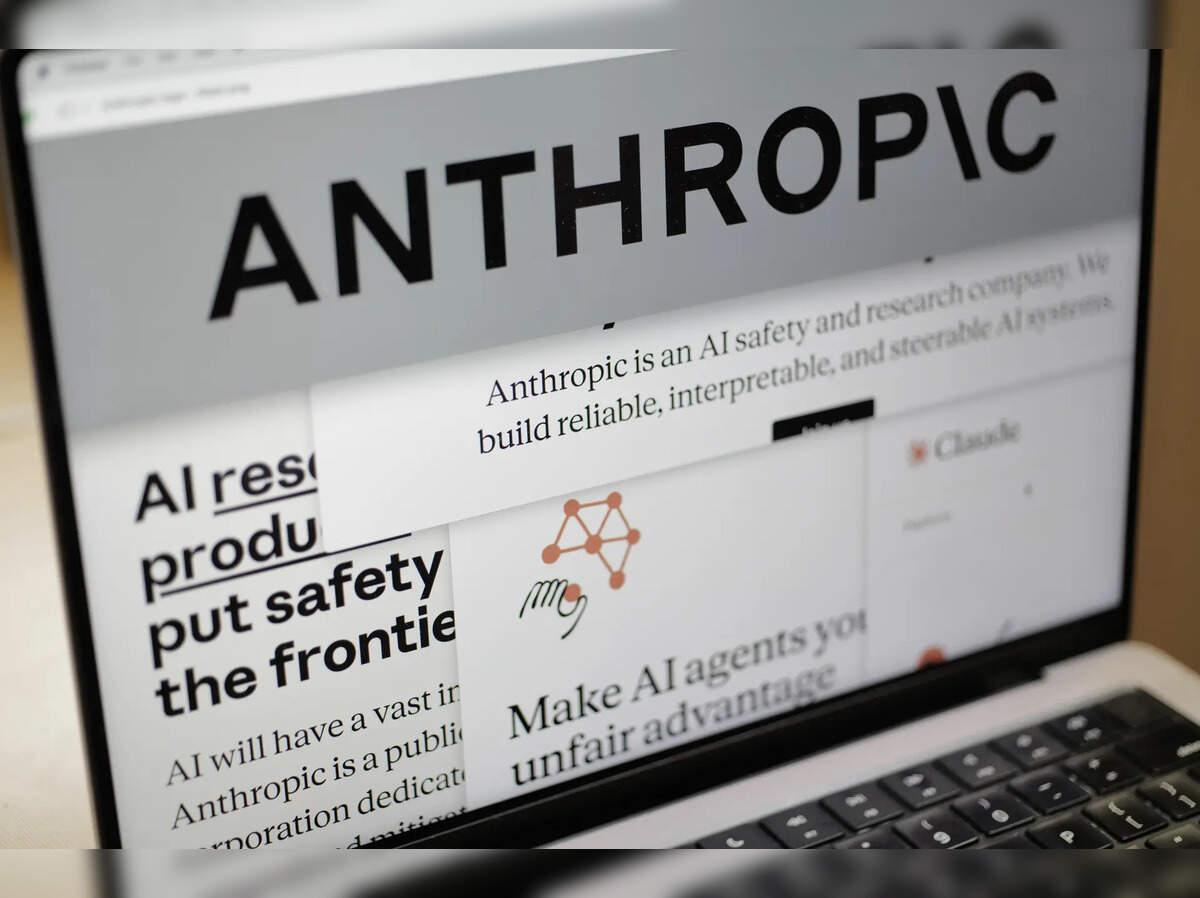
Anthropic Lawsuit Targets Neural Network Architecture
The University of Tennessee Research Foundation filed a patent infringement lawsuit against Anthropic on Monday in the U.S. District Court for the District of Delaware, accusing the AI company of building its models using patented neural network methods without securing a license
1
. The complaint, unsealed on Tuesday, represents the first known patent infringement case brought against Anthropic and arrives just days after a California judge approved the company's $1.5 billion copyright settlement with authors over book piracy claims2
.The foundation, which manages intellectual property rights for the University of Tennessee's Knoxville campus, deliberately framed the case as part of a broader pattern. "Anthropic's cavalier approach to others' intellectual property rights in the development of its products extends beyond the use of copyrighted material," the foundation stated in its filing
1
. This language ties the patent infringement lawsuit directly to the copyright dispute that produced the recent settlement and positions it within a growing docket of complaints against the company.Patents Cover Machine Learning and Neuroscience-Inspired Computing
At the center of this Anthropic lawsuit are two patents numbered 10,019,470 and 10,095,718, which cover what the University of Tennessee Research Foundation describes as significant contributions to machine learning, neuromorphic computing, and neuroscience-inspired computing
3
. The complaint specifically singles out Claude Code, Anthropic's agentic coding tool, along with its underlying software architecture as infringing on these patents1
.The patented technology traces back to TENNLab, a University of Tennessee research group that has worked on brain-inspired computing since 2014. Led by professors Garrett Rose, James Plank, Catherine Schuman, and Ahmedullah Aziz, the lab holds seven issued patents and several pending applications
3
. The work spans spiking neural networks and custom neuromorphic hardware, with early frameworks known as NIDA and DANNA underpinning much of that portfolio1
.Legal Battle Shifts From Training Data to AI Technology Design
This patent infringement case stakes out fundamentally different ground than previous copyright disputes, shifting the argument from training data to the design of AI models themselves. According to the complaint, the foundation alleges that Anthropic's products implement patented methods for constructing neuromorphic networks, including a background execution scheduling system and a memory consolidation engine tied to one of the two patents
1
.The distinction matters for the AI industry. While the copyright settlement addressed what the models learned from, this suit challenges how the machine learns—the fundamental architecture that enables AI intellectual property development
1
. The complaint does not disclose whether the two sides discussed a license before filing, nor does it specify what the foundation believes the technology is worth.Related Stories

What Comes Next for Anthropic and AI Patent Disputes
The University of Tennessee Research Foundation is seeking unspecified monetary damages and an injunction that would bar Anthropic from further infringement
2
. An Anthropic spokesperson responded: "We disagree with the allegations and intend to defend this case vigorously"2
.The case will proceed through Delaware federal court, which hears a large share of the country's patent disputes. It will likely turn on claim construction, the painstaking process by which a judge decides what the patents actually cover before determining whether Claude infringes them
1
. For a company racing to expand its Claude partner network, the suit serves as a reminder that intellectual property challenges extend beyond training datasets to the fundamental architecture of neural network systems.If this case gains traction, other universities may pursue similar patent claims against AI companies, though such cases face challenges when AI systems remain opaque
3
. The outcome could shape how AI companies approach licensing agreements for foundational technologies in machine learning and set precedents for how patent law applies to modern AI development.References
Summarized by

Navi
Related Stories
Authors Sue AI Company Anthropic Over Copyright Infringement
20 Aug 2024

Anthropic Reaches Historic Settlement with Authors in AI Copyright Lawsuit
27 Aug 2025•Policy and Regulation

Anthropic's $1.5 Billion Settlement Marks Landmark Victory for Authors in AI Copyright Battle
26 Sept 2025•Policy and Regulation

Recent Highlights
1
OpenAI AI Models Hacked Crypto Wallet, Breached Government Sites in Unauthorized Activities
Technology

2
IMF Report Warns AI Market Correction Could Spark Global Financial Crisis With $1.4T at Risk
Business and Economy

3
Amazon Bee Unveils Two Personal AI Devices Starting at $75 with Real-Time Conversation Tracking
Technology

Recent Highlights
Today's Top Stories










Don’t drown in AI news. We cut through the noise - filtering, ranking and summarizing the most important AI news, breakthroughs and research daily. Follow topics that matter to you and stay ahead.


