US eases export restrictions on AI chips to UAE after military partnership in Iran conflict


5 Sources
[1]
US eases restrictions on Apple's access to AI chips and data center equipment in the UAE
Apple is among eight U.S. companies now able to bring covered advanced-computing chips, servers, and other controlled technology into the UAE without applying for individual export licenses. Here's what that means. UAE export hurdles cleared As spotted by Reuters, the U.S. Department of Commerce
[2]
US Makes It Easier to Export Certain Military Items, AI Chips and Commercial Satellites to the UAE
July 10 (Reuters) - The U.S. Department of Commerce loosened export controls on the United Arab Emirates on Friday, making it easier to export military items, certain commercial satellites and spacecraft, according to a U.S. government posting in the Federal Register. The UAE government and
[3]
US rewards UAE's military aid in Iran war with expanded access to AI chips - report
The United States granted the United Arab Emirates increased access to AI chips and servers, in recognition of the UAE's support in advancing national security interests, including Operation Epic Fury, the US Department of Commerce's Bureau of Industry and Security (BIS) announced on Friday. The
[4]
US eases UAE access to coveted AI chips after Gulf nation provided help in Iran war
The United Arab Emirates is getting broader access to prized US artificial intelligence chips after becoming a key military partner during the conflict with Iran - the latest instance of AI chips becoming a powerful bargaining chip in international diplomacy. The UAE has carried out dozens of
[5]

US makes it easier to export Nvidia AI chips and military equipment to the UAE
July 10 (Reuters) - The U.S. loosened export controls on the United Arab Emirates on Friday, making it easier to export Nvidia AI chips, military equipment, commercial satellites and spacecraft in a boost to relations between the two allies. The announcement underscores strengthening U.S.-UAE
Share
Copy Link
The US Department of Commerce has relaxed export restrictions on the United Arab Emirates, allowing companies like Apple, Microsoft, and OpenAI to access AI chips and data center equipment without individual licenses. The move follows the UAE's military support during Operation Epic Fury and positions the Gulf nation alongside NATO allies in trade status, though critics raise concerns about security risks and potential conflicts of interest.
US Grants UAE Privileged Access to Advanced Computing Items
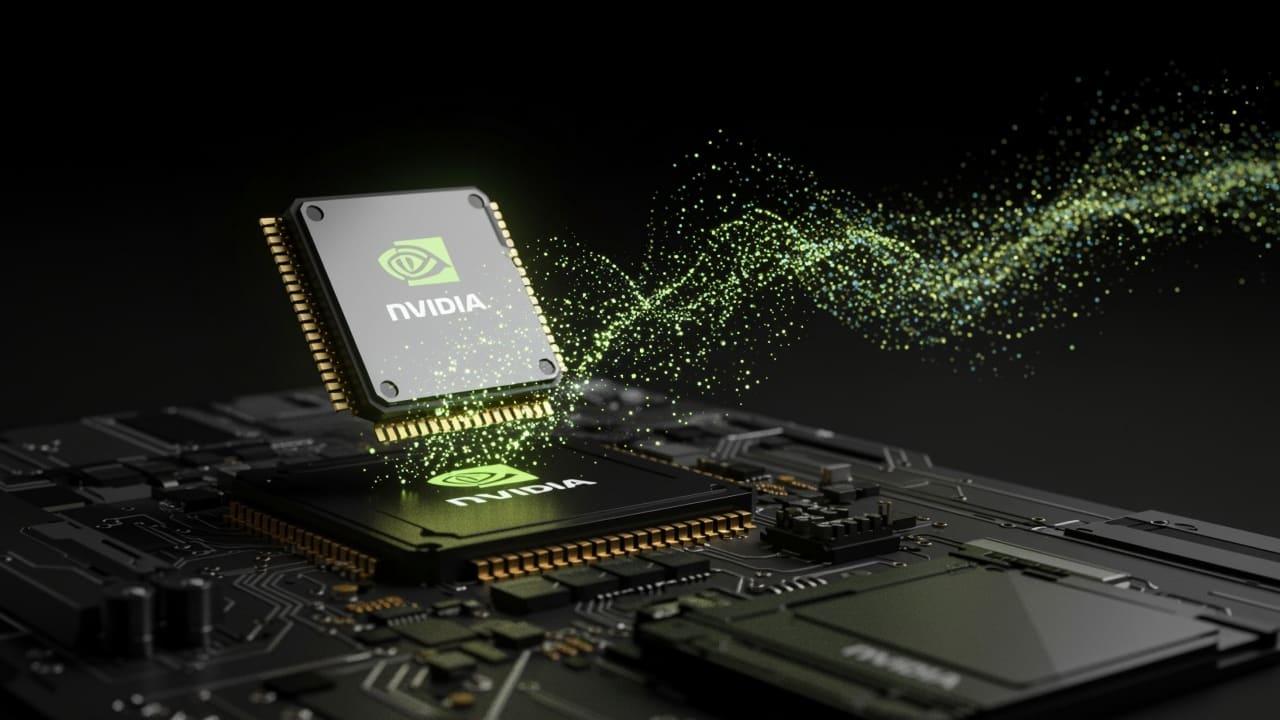
The US Department of Commerce announced Friday that it is loosening export restrictions on the United Arab Emirates, granting the Gulf nation license-free access to advanced computing items including AI chips, servers, and data center equipment
1
2
. Under the new rule, filed for publication in the Federal Register, eight US-headquartered companies—Apple, Amazon, Google, Meta, Microsoft, OpenAI, Oracle, and xAI—along with their UAE-based subsidiaries can now receive covered technology without applying for individual export licenses1
. UAE companies G42 and Core42 also benefit from this eased access to AI chips, which industry analysts estimate could be worth billions of dollars5
.
Source: Jerusalem Post
The Commerce Department moved the UAE into a country grouping under the Export Administration Regulations that allows more license exceptions for military and dual-use items, placing it alongside NATO countries and other allies
2
. Notably, the UAE becomes the only country in this group that is not a member of multilateral export control regimes, with other regional powers like Israel and Saudi Arabia remaining outside this privileged category2
.Military Partnership Drives Strengthened US UAE Relations
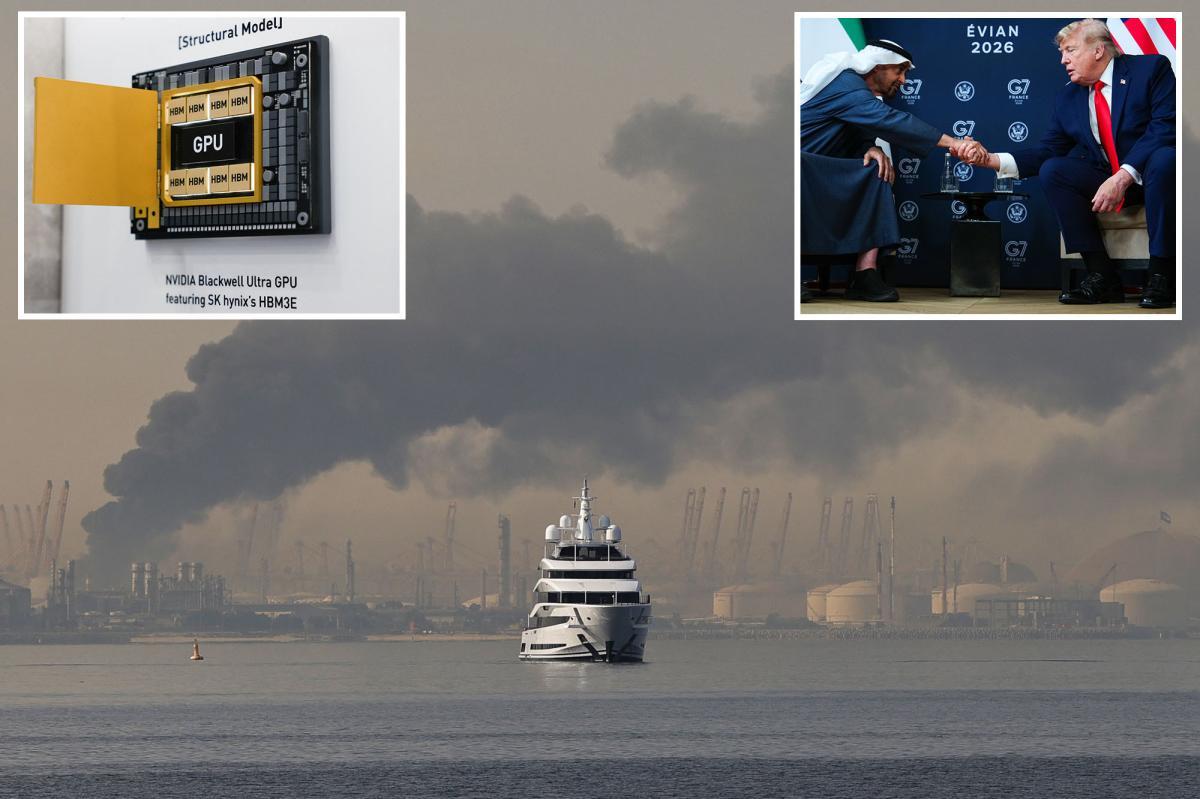
The Commerce Department explicitly cited the UAE's military support during Operation Epic Fury—the US-Israeli strikes on Iran that began in February—as justification for the upgraded status
2
. The UAE conducted dozens of airstrikes, intercepted hundreds of missiles, and helped maintain oil flow through the Strait of Hormuz during the conflict4
. President Trump praised UAE President Sheikh Mohamed bin Zayed Al Nahyan at a recent Group of Seven summit in France, calling him "a warrior" and noting that the UAE has been "with the United States for a long time, but I would say much more so since I came on board"4
.
Source: New York Post
The Commerce Department noted that the US has worked with the UAE for decades to counter Iran and its proxies, including Hamas, Hezbollah, and the Houthis
5
. The UAE is the largest US trading partner in the Middle East, with foreign direct investment in the United States valued at over $1 trillion2
. In exchange for the eased export restrictions, the UAE has committed to make matching investments in US AI digital infrastructure buildout3
.Impact on Tech Companies and Data Center Infrastructure
For Apple and other tech giants, the rule change eliminates months-long licensing processes that previously hindered operations in the UAE
1
. The most obvious application for Apple would be data center infrastructure, though the company has not yet announced specific plans1
. Microsoft and OpenAI, which have already announced plans for data centers in the UAE, will benefit from removed export hurdles4
.The UAE's flagship AI company G42, controlled by national security adviser Sheikh Tahnoon bin Zayed Al Nahyan, can now purchase Nvidia chips without restriction for at least the next nine months
4
. UAE officials have indicated that G42 plans to become a US company, primarily owned by US investors, according to people familiar with the discussions3
. Sheikh Tahnoon and other UAE officials have lobbied for chip access for years, approaching the White House directly after Operation Epic Fury began and pointing to India as an example of a country that gained elevated trade benefits after becoming a major defense partner in 20163
.Related Stories

Controversy Over National Security and Conflicts of Interest
The decision has sparked concerns about national security and potential conflicts of interest. Michael Sobolik, a senior fellow at the Hudson Institute, told the Wall Street Journal: "The UAE has been a great partner with Iran, but that doesn't necessarily mean they've demonstrated the capability to keep a data center secure"
3
. Critics argue that allowing the UAE greater access could harm the US in the AI race against China, with some expressing worry over the security of advanced computing power built outside the US3
.Political scrutiny has focused on financial ties between Sheikh Tahnoon and the Trump family. Days before Trump's second inauguration, Tahnoon and other investors agreed to pay $500 million for a 49% stake in World Liberty Financial, the crypto company founded by Trump
4
. Representative Sydney Kamlager-Dove stated: "It smells like it could be an illegal pay-to-play scheme"3
. Senator Elizabeth Warren, ranking member of the Senate Banking Committee, said: "We already know that the UAE royal behind G42 and MGX secretly bought a 49% stake in the Trump crypto company, World Liberty Financial. Now, Trump's Commerce Department is giving G42 license-free access to advanced AI chips"5
. The White House has denied any conflicts of interest3
.
Source: Market Screener
Commerce Department official Jeffrey Kessler, whose office oversees export controls, stated he never discussed AI chip exports to the UAE with Trump family members or executives at World Liberty Financial, calling the UAE announcement "one of the most significant achievements of the administration"
4
. The new status demonstrates how AI chips have become powerful economic leverage in international diplomacy, with the UAE's military partnership during the Abraham Accords and Operation Epic Fury translating into privileged access to technology that can shape the future of artificial intelligence development in the region.References
Summarized by

Navi
[2]
[3]
[4]
Related Stories
US Approves Export of Advanced AI Chips to UAE Under Microsoft-G42 Deal
08 Dec 2024•Policy and Regulation

US Approves $1 Billion AI Chip Export Deal to Gulf Nations in Strategic Pivot
20 Nov 2025•Policy and Regulation

Microsoft Becomes First Company to Ship Nvidia's Advanced AI Chips to UAE Under Trump Administration
03 Nov 2025•Business and Economy
Recent Highlights



Recent Highlights
Today's Top Stories








Don’t drown in AI news. We cut through the noise - filtering, ranking and summarizing the most important AI news, breakthroughs and research daily. Follow topics that matter to you and stay ahead.


