US House advances 20 bipartisan bills to restrict China's access to AI chips and technology


2 Sources
[1]
AI Export Control Measures Aimed at China Gain Steam in US House
The House Foreign Affairs Committee advanced a slate of bipartisan export control bills Wednesday that show a growing appetite in Congress for restricting the flow of artificial intelligence technology to China, as the Trump administration has so far held back on significant new curbs. The panel
[2]
AI export control measures aimed at China gain steam in U.S. House
The U.S. House Foreign Affairs Committee advanced a slate of bipartisan export control bills Wednesday that show a growing appetite in Congress for restricting the flow of artificial intelligence technology to China, as the administration of U.S. President Donald Trump has so far held back on
Share
Copy Link
The House Foreign Affairs Committee approved 20 bipartisan export control bills aimed at limiting China's access to advanced AI technology and Nvidia chips. The legislation signals growing congressional frustration with the Trump administration's reluctance to impose stricter curbs, setting up potential conflicts between lawmakers and the White House over chip exports.
US House Takes Aggressive Stance on AI Export Control
The House Foreign Affairs Committee advanced 20 bipartisan bills Wednesday targeting AI export control measures aimed at China, marking the most significant congressional effort to reshape US export policy since 2018
1
. The legislation reflects mounting frustration among Republican and Democratic members with what they perceive as the Trump administration's insufficient action to restrict China's access to advanced chips and AI technology2
.
Source: Bloomberg
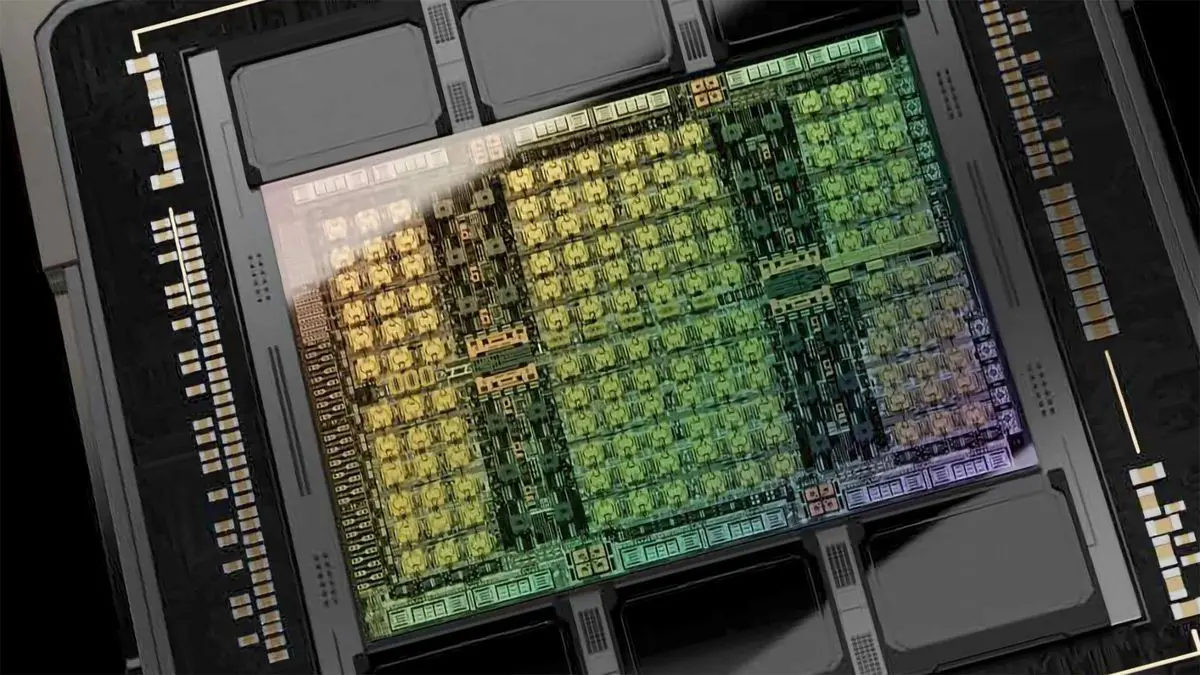
The panel seeks to close loopholes that currently allow China to obtain powerful US technology, including Nvidia chips, despite existing restrictions
1
. Chris McGuire, a senior fellow for China and emerging technologies at the Council on Foreign Relations, characterized the congressional action as a direct response to administrative inaction: "There is a gap here that the administration is not filling, and Congress is stepping in and is saying, 'If the administration is not going to do it, we're going to do it ourselves'"1
.Bipartisan Legislation Targets Export Control Violations
The bipartisan legislation includes proposals to increase civil penalties for export control violations and establish an incentive program for whistleblowers
2
. These measures align with existing administration efforts to combat China's illicit chip access through smuggling, similar to charges US prosecutors filed against Super Micro Computer executives1
.Additional enforcement provisions would station at least 30 export control officers abroad and extend the statute of limitations on civil prosecutions to 10 years
1
. The Chip Security Act, which requires the Commerce Department to issue anti-diversion rules to reduce smuggling, already advanced last month with bipartisan support1
.Match Act and AI Overwatch Act Challenge White House
The Match Act represents one of the most prescriptive legislative initiatives, directing the administration to identify chip equipment and Chinese manufacturing facilities requiring restrictions while pressuring allies to adopt controls as stringent as those facing US companies
1
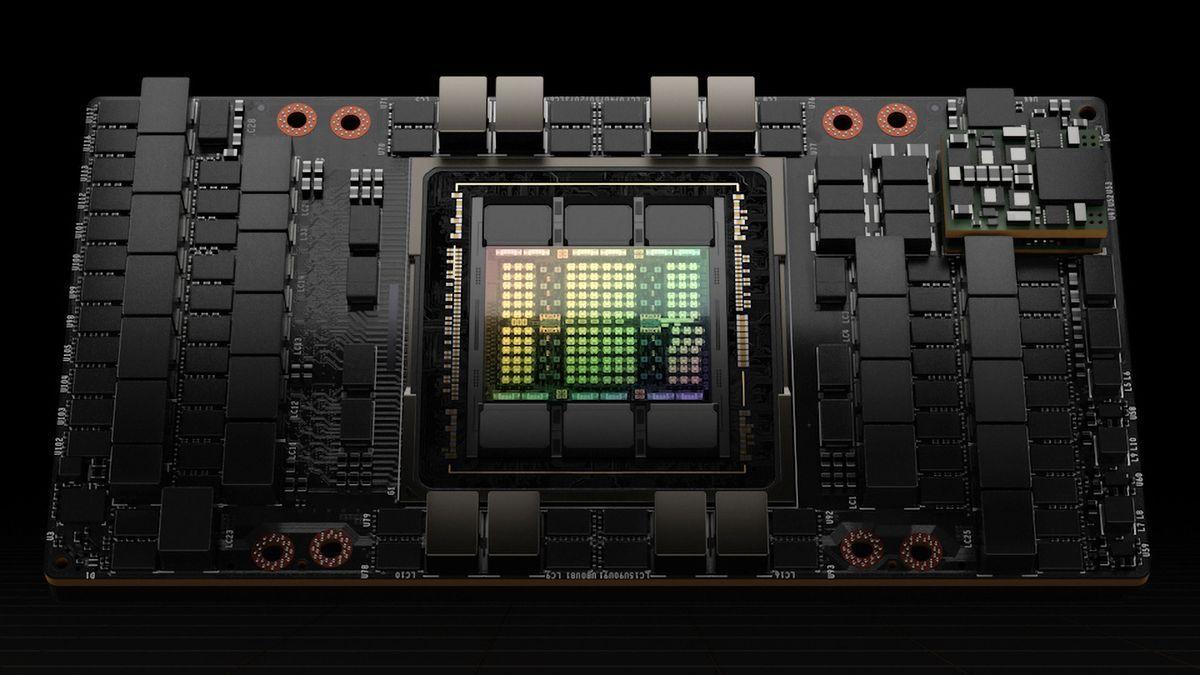
. The AI Overwatch Act goes further, blocking the administration from allowing Nvidia to sell its Blackwell AI chips to Chinese customers and granting Congress oversight power to potentially veto license applications for H200 processor shipments to China1
.These bills signal a rare splinter between hawkish Republicans and President Donald Trump, who approved sales of Nvidia's H200 processors to China following months of meetings with Nvidia CEO Jensen Huang
1
. Representative Brian Mast, who leads the House Foreign Affairs Committee, defended the congressional push: "Without export controls implemented on a bipartisan basis since the first Trump administration, China may even be beating the United States in AI today"1
.Related Stories
Industry Lobbying and Legislative Obstacles Ahead
The measures set the stage for objections from both the White House and industry stakeholders, who have raised concerns about potential new limits on shipments of chip tools
2
. Samuel Hammond, director of artificial intelligence policy at the Foundation for American Innovation, noted the influence of industry lobbying: "To the extent the White House zigs where Congress zags, it's usually due to concerted industry lobbying. Nvidia has shot its credibility with lawmakers so they're forced to go right to the top"1
.While all initiatives remain in early stages and subject to change, the annual must-pass defense package offers the most viable path to becoming law
1
. Last year, the Gain AI Act sought to give American customers priority on Nvidia AI chips over Chinese shipments but faced White House opposition and was stripped from final negotiations1
. That history suggests significant obstacles ahead, though the failure has galvanized lawmakers including Senator Jim Banks and Representative Mast to push harder on exports controls on AI technology1
.References
Summarized by

Navi
Related Stories
Congress advances AI Overwatch Act, seeking veto power over Trump's AI chip exports to China
21 Jan 2026•Policy and Regulation
Senators Push SAFE Chips Act to Block Advanced AI Chips Sales to China for 30 Months
05 Dec 2025•Policy and Regulation
U.S. House passes bill to close cloud chip export loophole used by Chinese companies
13 Jan 2026•Policy and Regulation
Recent Highlights



Recent Highlights
Today's Top Stories












Don’t drown in AI news. We cut through the noise - filtering, ranking and summarizing the most important AI news, breakthroughs and research daily. Follow topics that matter to you and stay ahead.


