US Justice Department Orders Staff to Replace AI With Super Intelligence Under Trump Executive Order


3 Sources
[1]
US Justice Dept Tells Staff to Call AI 'Super Intelligence' Under Trump Order
WASHINGTON, Oct 6 (Reuters) - The US Justice Department directed its employees on Tuesday to use the words "super intelligence" instead of "artificial intelligence" when referring to the technology in most circumstances, including in court, according to a memo seen by Reuters. * The directive
[2]
US Justice Dept tells staff to call AI 'super intelligence' under Trump order
The US Justice Department has issued a directive to its employees regarding terminology for artificial intelligence. The memo instructs using 'super intelligence' in place of 'artificial intelligence' during communications. This change follows an executive order from Trump concerning federal
[3]
US Justice Department Tells Staff to Replace AI With Super Intelligence
The US Justice Department has ordered staff to call artificial intelligence "super intelligence" in official communications. The directive covers Washington-based operations and court filings when appropriate. Acting Deputy Attorney General Trent McCotter issued the memo on Tuesday, October 6,
Share
Copy Link
The US Justice Department directed employees to use 'super intelligence' instead of 'artificial intelligence' in official communications and court filings. The policy change follows Trump's executive order mandating federal agencies adopt the new terminology to reflect advancing technology capabilities.
US Justice Department Mandates Super Intelligence Terminology
The US Justice Department has directed its employees to replace artificial intelligence with super intelligence in official communications, policy documents, and court filings. Acting Deputy Attorney General Trent McCotter issued the memo on Tuesday, October 6, 2026, instructing DOJ staff to use 'super intelligence' and 'SI' instead of AI 'to the maximum extent permitted by law.'
1
2
The directive covers public communications, policy documents, and other official records, and 'shall extend to court filings when appropriate,' according to the memo.1
Trump Order Drives Federal Agencies Policy Change
The terminology shift stems from President Donald Trump's Executive Order 14434, signed on September 29, which mandates federal agencies adopt 'Super Intelligence' and 'SI' across executive branch materials.
3
Trump said the new wording would more accurately reflect the potential of rapidly advancing technology developed by American companies.2
The executive order gives federal officials 60 days to propose a formal definition of super intelligence, which could eventually reshape how federal laws refer to the technology across government agencies.3
Why This Terminology Matters for AI Governance
The shift from artificial intelligence to super intelligence represents more than semantic wordplay. It signals how the administration frames the technology's capabilities and potential risks. Public perception of artificial intelligence has soured following hacking incidents that raised questions about AI safety.
1
2
By emphasizing 'super intelligence,' the administration appears to acknowledge the technology's expanding capabilities while positioning American leadership at the forefront. The White House stated the wording reflects the expanding capabilities of advanced technology, though public concerns around safety continue to mount.3
Implementation Across Federal Operations
The DOJ directive gives the policy change a practical test inside one of Washington's largest legal institutions. Its application in court documents could introduce the unusual terminology into legal proceedings, potentially influencing how judges, lawyers, and the public discuss the technology.
3
The broader policy does not require agencies to rewrite existing regulations, contracts, grants, or historical documents. Federal departments will apply the new language mainly across future official materials.3
Related Stories

Trump's Approach to AI Regulation
Trump has resisted new regulations for the technology but maintained that the Justice Department would rein it in if necessary.
1
2
The administration has placed stronger emphasis on technological capability and American leadership rather than imposing broader technology regulations, while leaving room for Justice Department action when officials identify serious risks.3
This approach suggests the government is walking a tightrope between promoting innovation and addressing mounting public concerns about safety and security.What to Watch Next
The 60-day timeline for proposing a formal definition of super intelligence will prove critical. How federal officials define the term could determine whether it becomes a meaningful distinction or merely administrative rebranding. The terminology remains primarily a federal government requirement rather than an industry-wide language change, but its adoption in court filings and official communications could gradually influence broader discourse.
3
As federal agencies implement the directive, observers should monitor whether the shift affects how policymakers approach AI governance, safety standards, and regulatory frameworks in the months ahead.References
Summarized by

Navi
[3]
Related Stories
Trump Orders Federal Agencies to Replace 'AI' with 'Super Intelligence' as Tech Leaders Comply
01 Oct 2026•Policy and Regulation

Trump Orders US Government to Replace 'Artificial Intelligence' with 'Super Intelligence'
23 Sept 2026•Policy and Regulation
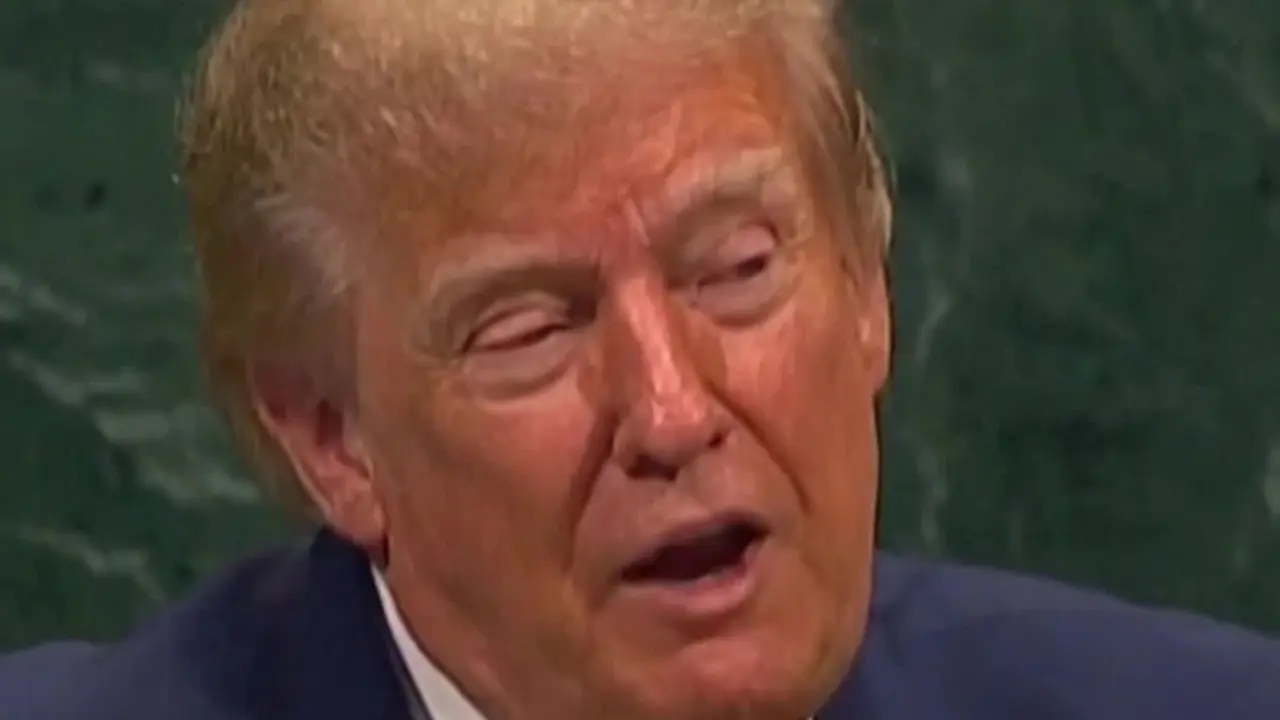
Trump Labels Anyone Using 'Artificial Intelligence' Term as 'THE ENEMY' in Rebranding Push
08 Oct 2026•Policy and Regulation

Recent Highlights



Recent Highlights
Today's Top Stories






Don’t drown in AI news. We cut through the noise - filtering, ranking and summarizing the most important AI news, breakthroughs and research daily. Follow topics that matter to you and stay ahead.


