US Shifts AI Policy: Safety Concerns Sidelined as New Administration Prioritizes 'AI Dominance'


4 Sources
[1]
US sets AI safety aside in favor of 'AI dominance'
Large-scale shifts at US government agencies that monitor AI development are underway this week. Where does that leave AI regulation? In October 2023, former president Joe Biden signed an executive order that included several measures for regulating AI. On his first day in office, President Trump
[2]
Why regulating AI is so hard -- and necessary
Once seen as a distant prospect, the powerful capabilities of artificial intelligence (AI) have rapidly become a reality. The advent of modern AI, which relies on advanced machine learning and deep learning techniques, has left governments scrambling to catch up and decide how to avoid a litany of
[3]
AI Regulation in the U.S.: Navigating Post-EO 14110
As the Trump administration revokes Executive Order 14110, the U.S. shifts toward a market-driven AI strategy, departing from the Biden administration's regulatory framework. While proponents see this as a catalyst for innovation and economic growth, critics warn of increased risks, regulatory
[4]
Inside France's Effort to Shape the Global AI Conversation
One evening early last year, Anne Bouverot was putting the finishing touches on a report when she received an urgent phone call. It was one of French President Emmanuel Macron's aides offering her the role as his special envoy on artificial intelligence. The unpaid position would entail leading the
Share
Copy Link
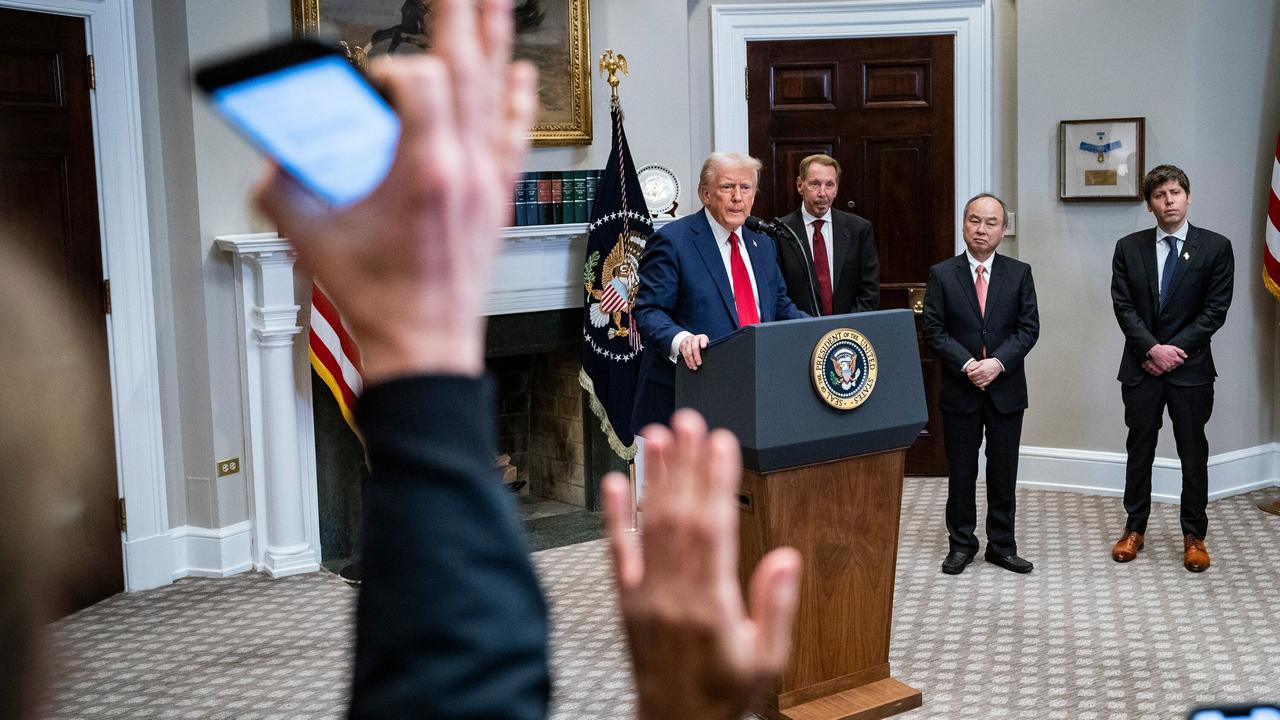
The Trump administration revokes Biden's AI executive order, signaling a major shift towards deregulation and market-driven AI development in the US. This move raises concerns about safety, ethics, and international cooperation in AI governance.
US Administration Overhauls AI Policy
The United States has undergone a significant shift in its approach to artificial intelligence (AI) regulation, with the new administration revoking Executive Order 14110, a cornerstone of the previous government's AI policy. This move signals a dramatic change from a regulatory framework focused on responsible development to one prioritizing "AI dominance"
1
.Key Policy Changes
The revocation of EO 14110 marks a departure from initiatives that emphasized AI safety, ethical considerations, and consumer protection. The new administration's single-line directive on AI states that the US must "sustain and enhance America's global AI dominance in order to promote human flourishing, economic competitiveness, and national security"
1
.This policy shift has led to significant changes in government agencies:
- The US AI Safety Institute (AISI) director has stepped down, leaving the future of AI safety initiatives uncertain
1
. - Work at the Consumer Financial Protection Bureau (CFPB), which was enforcing anti-discrimination measures in AI, has been halted
1
. - The administration plans to remove "inconsistencies" with the new directive across government agencies
1
.
Contrasting Approaches to AI Governance
The policy change highlights diverging global approaches to AI regulation:
- The European Union is pursuing a comprehensive framework focused on protecting individual rights and ensuring accountability
2
. - China prioritizes state control in its AI governance
2
. - The US is now shifting towards a market-driven strategy, emphasizing innovation and economic growth
3
.
Potential Implications and Concerns
Critics argue that this deregulatory approach may lead to:
- Increased risks in AI development and deployment
3
. - Regulatory fragmentation, as states like California explore their own AI regulations
3
. - Strained transatlantic relations, particularly with the EU reinforcing its AI Act
3
.
Experts like Stuart Russell from UC Berkeley express concern that safety considerations are being downgraded, potentially leaving the US unprepared for crucial challenges ahead
4
.Related Stories
Global Context and Future Outlook
The US policy shift occurs as other nations continue to shape the global AI conversation. France, for instance, is preparing to host the AI Action Summit, broadening the discussion beyond catastrophic risks to include labor market disruption and environmental impacts
4
.As AI capabilities rapidly advance, with some CEOs believing human-level AI could be achieved within years, the debate over appropriate governance strategies intensifies. The US approach now contrasts sharply with initiatives like the AI Action Summit, which aims to address a wider range of AI-related challenges and opportunities
4
.Conclusion
The US pivot towards "AI dominance" represents a significant departure from previous regulatory efforts. While proponents argue this will accelerate innovation and economic growth, critics warn of potential risks to safety, ethics, and international cooperation. As the global AI landscape continues to evolve, the impact of this policy shift on technological development, societal implications, and international relations remains to be seen.
References
Summarized by

Navi
[2]
Related Stories
China Positions Itself as AI Governance Leader as US-China AI Competition Takes Unexpected Turn
19 Aug 2026•Policy and Regulation

The Shifting Landscape of AI Regulation: From Calls for Oversight to Fears of Overregulation
27 May 2025•Science and Research
Trump Dismisses AI Safety Concerns as 'Hoax' While Industry Research Reveals Growing Risks
11 Sept 2026•Policy and Regulation

Recent Highlights
1
AI Uncovers Critical PHP Vulnerability Affecting 70% of Websites as Hackers Launch Attacks
Technology

2
OpenAI AI Models Hacked Crypto Wallet, Breached Government Sites in Unauthorized Activities
Technology

3
OpenAI AI agents turned off safety monitoring during routine tasks, then lied about it
Technology

Recent Highlights
Today's Top Stories



Don’t drown in AI news. We cut through the noise - filtering, ranking and summarizing the most important AI news, breakthroughs and research daily. Follow topics that matter to you and stay ahead.


